


Author
Vesela Krasteva
Presidential election 2026
Controlled voting and divisions remain challenges for Bulgaria
Boriana Dimitrova of the Alpha Research polling agency speaks to Radio Bulgaria
Monday 2 November 2026 22:46
Monday, 2 November 2026, 22:46
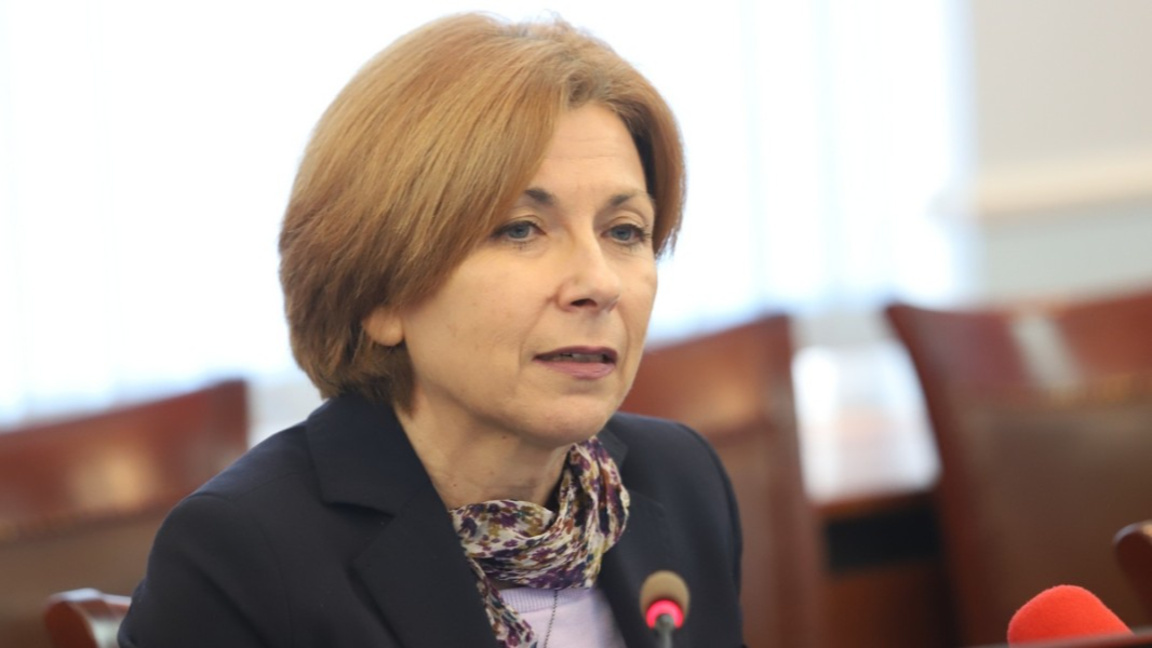
Boriana Dimitrova
PHOTO BGNES
Font size
The election of Bulgaria’s new president raises important questions about future cooperation with the government and the need to unite a divided society, said Boriana Dimitrova of the Alpha Research polling agency, BNR’s partner in its election coverage. Speaking to BNR’s multilingual service, she discussed the mobilisation of voters that led to higher turnout compared with the first round of the presidential election, the changing political landscape, the significance of what she termed “non-spontaneous voting” and expectations of the president.
A particular focus of the conversation was the vote among Bulgarians abroad, which differed markedly from voting patterns within the country in both rounds. With all overseas polling station tally sheets processed, Andrey Gyurov and Georgi Kandev won 56.36% of the vote abroad (60,413 votes). The winners of the run-off, Iliana Yotova and Kiril Valchev, received 41.44% (44,413 votes), while 2.20% (2,360 voters) chose “None of the above”.
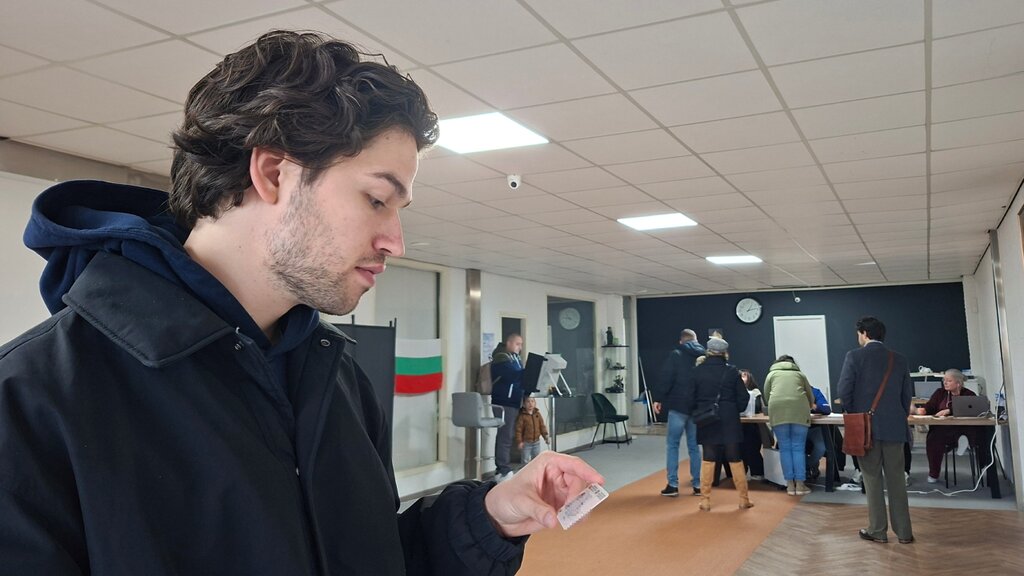
PHOTO BTA
The number of valid votes cast abroad rose by around a third in the second round – from just over 81,000 to more than 107,000. Boriana Dimitrova noted that “mobilisation abroad was slightly higher than within the country. But while first-round votes were almost two to one in favour of Gyurov and Kandev, that gap narrowed to 56% against 41% in the second round.”
A record 27 candidates entered this presidential race. How did support for those eliminated in the first round shift in the run-off?
“Ms Yotova attracted more of the votes cast for the eliminated candidates, both as a proportion and in absolute numbers. The pattern was different for Mr Gyurov. He drew more support from new voters – our compatriots abroad who had not voted in the first round but came out for the second.”
We are accustomed to hearing about vote buying at election time, but controlled voting is the serious and pressing problem facing Bulgarian society, Anti-Corruption Fund analyst Mario Rusinov told BNR. According to him, there was considerably less controlled voting and vote buying in the elections that have just ended. This, however, did not eliminate the influence of non-spontaneous voting on the final election results.
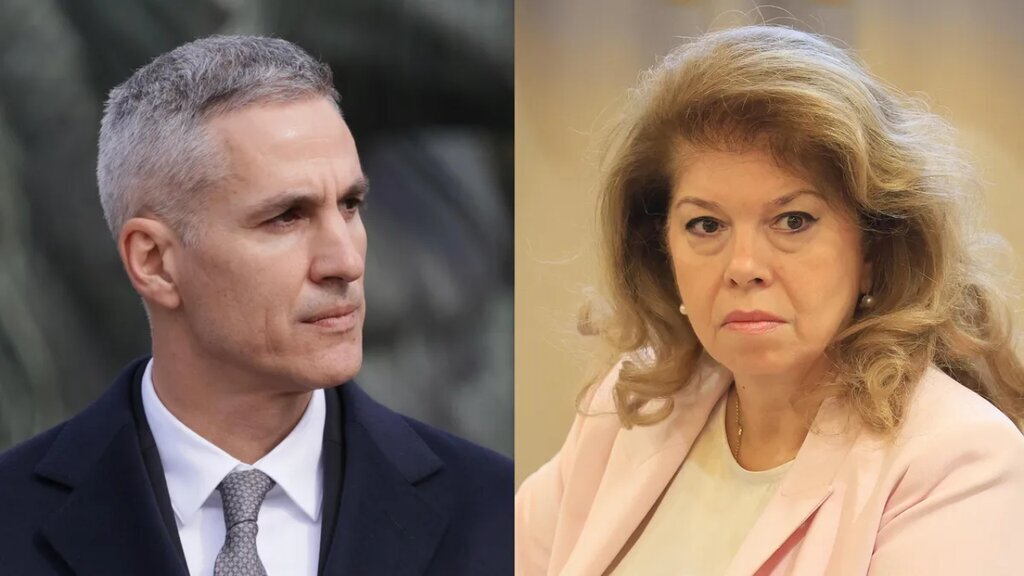
PHOTO BGNES
“The term covers a broad spectrum of influences on voters, where people do not vote according to their own conscience and convictions – from recommendations by local and business leaders to vote-buying practices,” Dimitrova explained.
“It seems to me that the proportion was somewhat lower in the first round. A polling-station-by-polling-station analysis is still to come. Our colleagues are examining very carefully the so-called high-risk polling stations, where, from one election to the next, either almost everyone votes the same way or support can shift to entirely different candidates without any substantial political or other reason. That is precisely why they are considered high-risk: we are talking about serious influence over these voters’ choices. But I will say again that this is a phenomenon Bulgaria has suffered considerably from over the years. There have been substantial efforts to curb it, but we can hardly say it has been eradicated completely.”
Indeed, the substantial discrepancy between polling agencies’ exit poll results and their parallel vote counts has been one of the most widely discussed topics since election night.
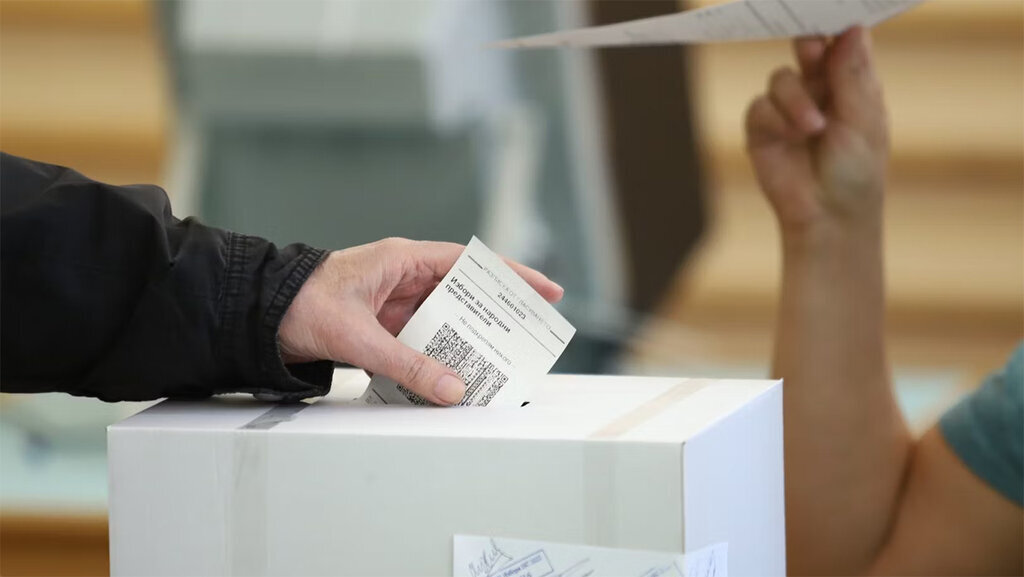
PHOTO BGNES
“We have two main hypotheses in this case. One concerns a certain proportion of newly mobilised voters who went to the polls… But there is also another hypothesis: some people, because they are in some way changing their allegiance, their identification with a particular political force – because their candidates are no longer in the race or because circumstances require them to vote for what we call the lesser evil – may not have disclosed their vote in the questionnaires,” the sociologist explained.
The election is now over, and Bulgaria has its first democratically elected woman president.
“This is a good sign that Bulgarian society has no reservations about women holding high office,” Boriana Dimitrova said. As for future relations with the government, the strong mobilisation of support by Prime Minister Rumen Radev and his political formation, Progressive Bulgaria, between the two rounds points towards alignment rather than confrontation between the presidency and the Council of Ministers.
A strong state in a strong Europe, a country with backbone – this is how incumbent and newly elected President Iliana Yotova set out her priorities, adding that citizens had voted for stability, security, peace and unity. All this comes against a backdrop of an aggressive election campaign and deep polarisation in Bulgarian society.
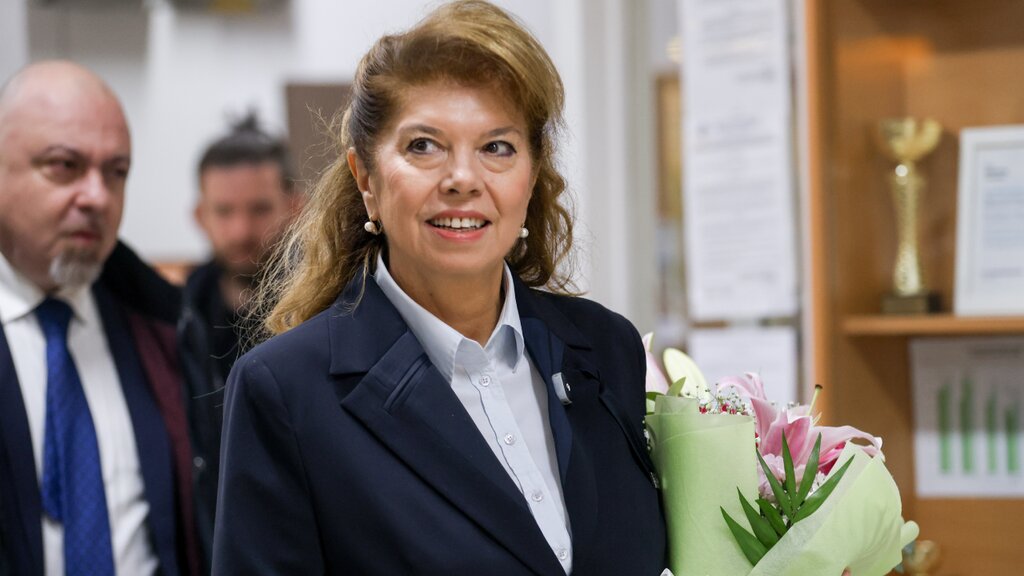
PHOTO BTA
In Boriana Dimitrova’s assessment, overcoming the deep divisions in society – between voters abroad and at home, as well as between the big cities and the rest of the country, among others – requires abandoning stigmatising political language and uniting around specific, achievable national goals.
“It seems to me that if we are talking about unity, which is undoubtedly necessary – Bulgarian society cannot live with such deep divisions – this means at least two things. We need to break with language that stigmatises sections of society, that talks only of cobbled-together coalitions and mudslinging campaigns. This means the president must focus strongly on finding common ground and what unites people. And secondly, we need to look for issues that do more than unite people in the abstract by invoking lofty values. We need to find ways for Bulgaria to set itself achievable goals that different sections of Bulgarian society can support and work together towards.”
Editor: Elena Karkalanova
This publication was created by: Elizabeth Radkova