


Author
Desislava Shapkarova
News
Bulgarian children from across Europe gather for a festival in Sofia
Summer camps offering folklore classes being considered for children from Bulgaria and abroad
Thursday 5 November 2026 08:54
Thursday, 5 November 2026, 08:54
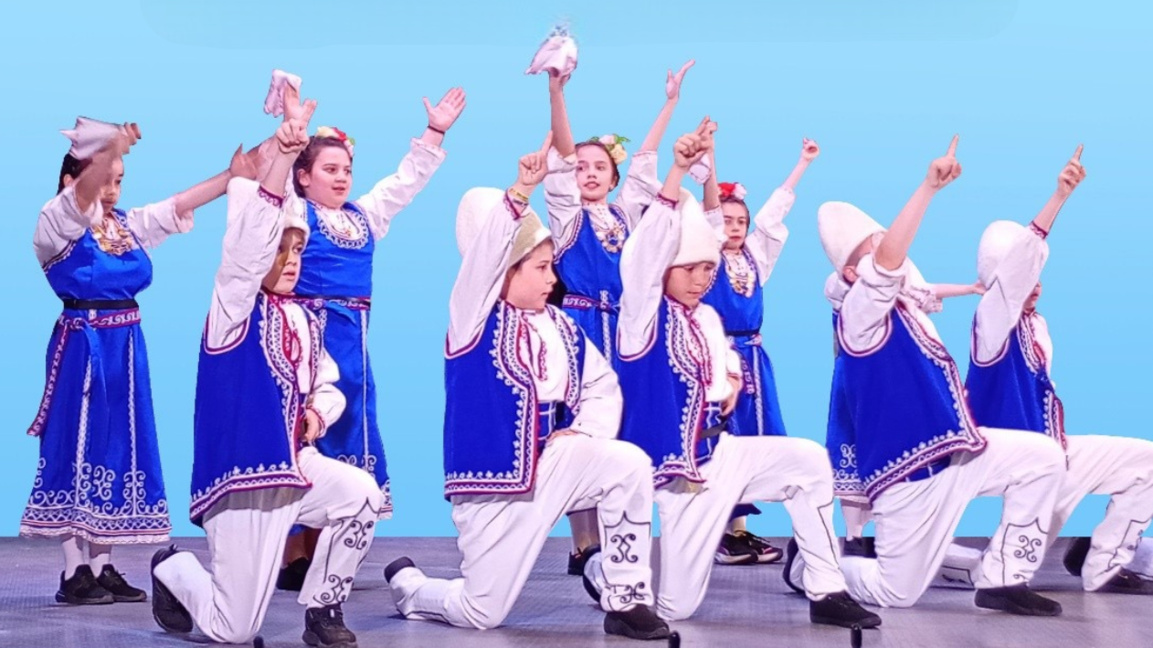
PHOTO Tsvyatko Blagoev Foundation
Font size
Young Bulgarians from different parts of Europe are arriving in Sofia to join their peers from Bulgaria in a festival and competition showcasing instrumental, vocal and dance arts. The event is organized by the Tsvyatko Blagoev Foundation. The organizers say they hope that “Folk Rhythms Under Our Native Roof” will be more than just a competition – above all, an opportunity to meet, have fun and make new friends.
The festival will take place on November 7 and 8 at the Iskar House of Culture in Sofia, with the support of the State Agency for Bulgarians Abroad, the Bulgarian Chamber of Commerce and Industry, the Sofia Regional Education Department, and the Union of Bulgarian Musicians and Dancers. The event is also receiving active support from the Prof. Ivan Shishmanov Bulgarian-Austrian School in Vienna; the Parallel 43 Cultural Association, which established and runs the Asen and Iliya Peykov Bulgarian School in Rome; and two Sofia-based educational institutions, 128 Albert Einstein High School and Meridian 22.
The competition programme will feature groups from schools, community cultural centres and even kindergartens across Sofia. Students from Vienna, Rome and Bucharest will also be taking part, while Bulgarian children from Cyprus, the UK, Belgium, Spain and other countries are expected to join them.
“Following the political changes in 1990, many Bulgarian families left the country”, Radka Stamenova, Director and Manager of the Tsvyatko Blagoev Foundation, told Radio Bulgaria and added:
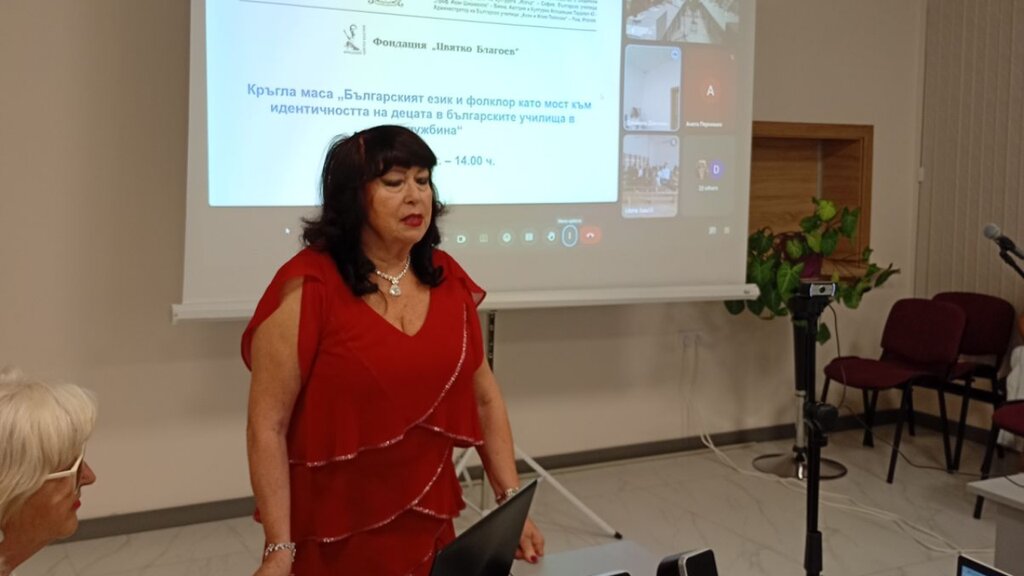
Radka Stamenova
PHOTO Desislava Shapkarova
“Many Bulgarian children are born abroad. Some of them speak Bulgarian with their parents, but others use only English, French, German, Spanish and other languages, even at home! Our language must be preserved and promoted. Parents naturally play the leading role in this effort, but the state and society also have an important part to play. We Bulgarians are patriots, and I firmly believe that we can preserve and pass on to future generations not only our language, but also our traditions, history and culture, woven into our folk songs, dances and instrumental performances.”
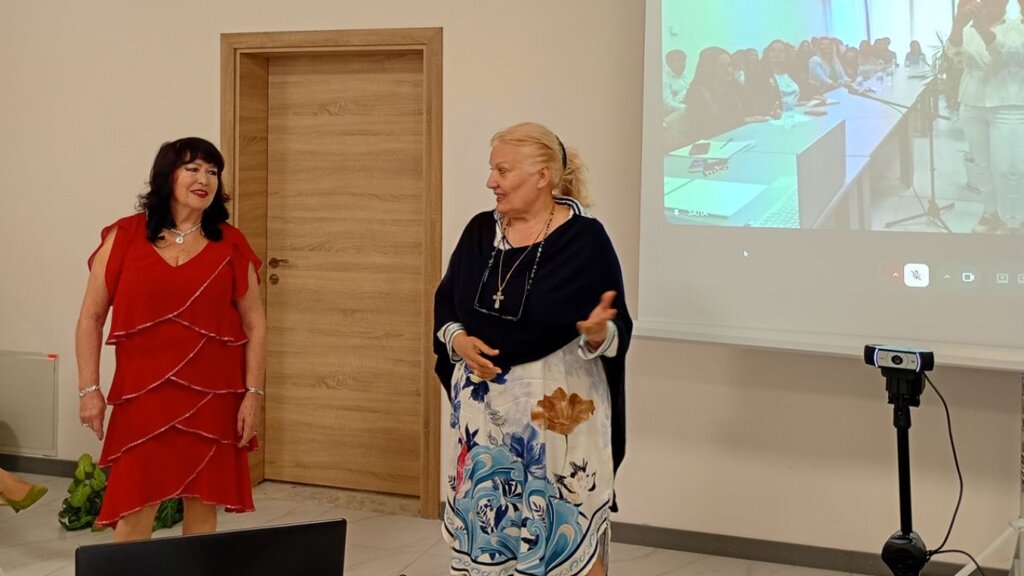
Radka Stamenova and Salzitsa Grohman during the roundtable discussion
PHOTO Desislava Shapkarova
Salzitsa Grohman, Director of the Bulgarian school in Austria, which will be taking part in the festival, highlights the importance of Bulgarian folklore not only in preserving our national identity, but also as part of the world's cultural heritage:
“Our choreographer, Associate Professor Dr Diana Stoeva, is a remarkable professional, and thanks to her, we have taken part in numerous competitions. Our dance group recently returned from China, and for the second year in a row, we have also been invited to perform at the Golden Hall of the Musikverein. Our performers are truly talented!”, says Salzitza Grohman, adding that her students are eagerly anticipating the upcoming competition, for which they have prepared a special programme and two types of traditional Bulgarian costumes - from the Shopluk and Northern Bulgaria regions.
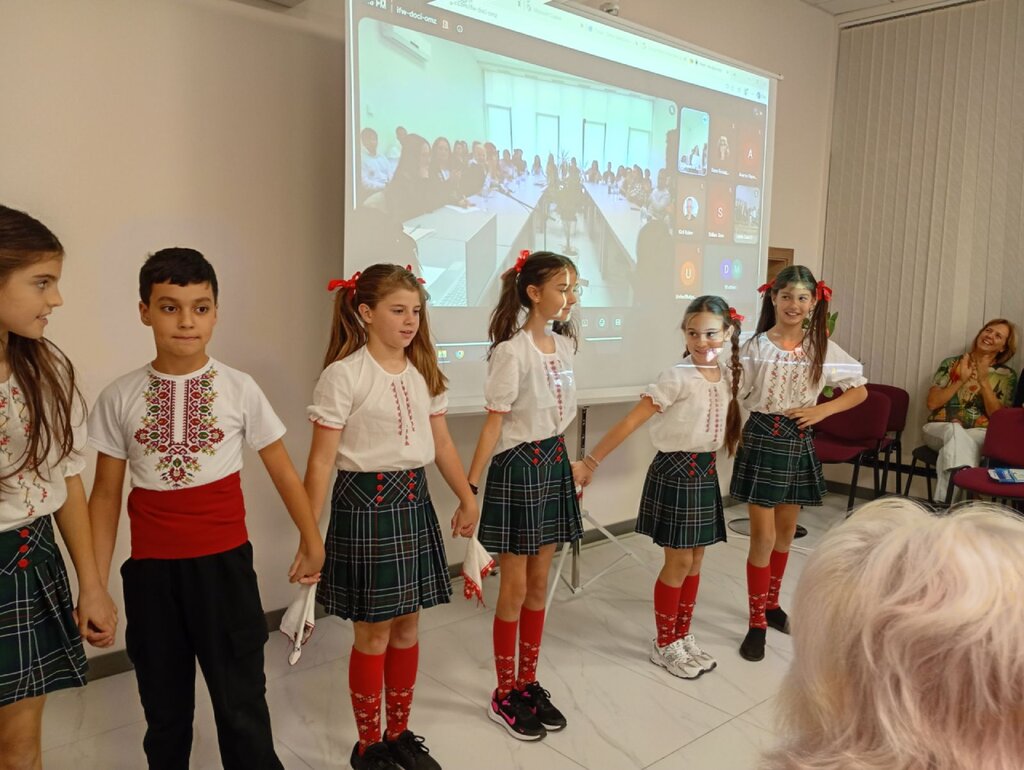
Students from Meridian 22 school
PHOTO Desislava Shapkarova
The festival programme will also include a vocal masterclass led by Maestro Vanya Moneva, conductor of the Cosmic Voices choir, as well as choreography workshops and practical lessons in performing Bulgarian folk music using traditional instruments.
“We are organizing this so that the children can communicate with one another, because that is truly important”, Radka Stamenova notes. She adds that, at the foundation’s initiative, a roundtable discussion was held on September 24 at Meridian 22 School in Sofia, bringing together more than 60 representatives of institutions and non-governmental organizations. Participants discussed the possibility of making the competition an annual event, as well as organizing summer camps for Bulgarian children from both the country and abroad. The camps would give young participants the opportunity to study Bulgarian folk disciplines under the guidance of world-renowned Bulgarian musicians.
Salzitsa Grohman, who also took part in the discussion, explains the benefits such gatherings can bring to Bulgarian children living abroad:
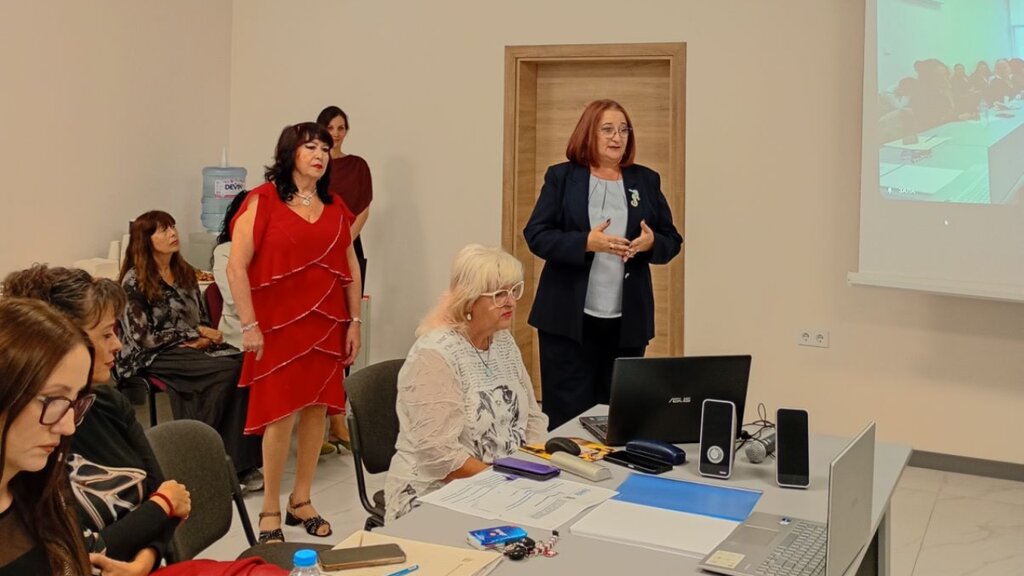
PHOTO Desislava Shapkarova
“These initiatives are truly beneficial for the children. Interacting with Bulgarian children here helps them reinforce their language skills, improve their speaking abilities and strengthen their grasp of grammar. Although they study all these things in Vienna, nothing can replace direct, face-to-face interaction! That is why all these initiatives here, in Bulgaria, are such a positive tradition.”
Radka Stamenova explains the emotions these meetings evoke in Bulgarian children who have never left their homeland:
"Of course, they are very happy to meet them and will be delighted to speak with them in Bulgarian and correct their mistakes. If we manage to organise the summer camps, where they will be able to take part in sports activities together, explore Bulgaria, dance and sing, they will certainly become friends - and these are friendships that will last a lifetime!", says Ms Stamenova, for whom the upcoming festival is merely the first step towards building lasting bonds between Bulgarian children from all corners of the world.
Translated by Kostadin Atanasov
This publication was created by: Kostadin Atanasov