


Author
Elena Karkalanova
News
From different countries to one stage
Bulgarian folk ensembles abroad mark a decade together
The Association of Bulgarian Folklore Ensembles Abroad celebrates its anniversary with a workshop and concert in Sofia
Thursday 5 November 2026 20:15
Thursday, 5 November 2026, 20:15
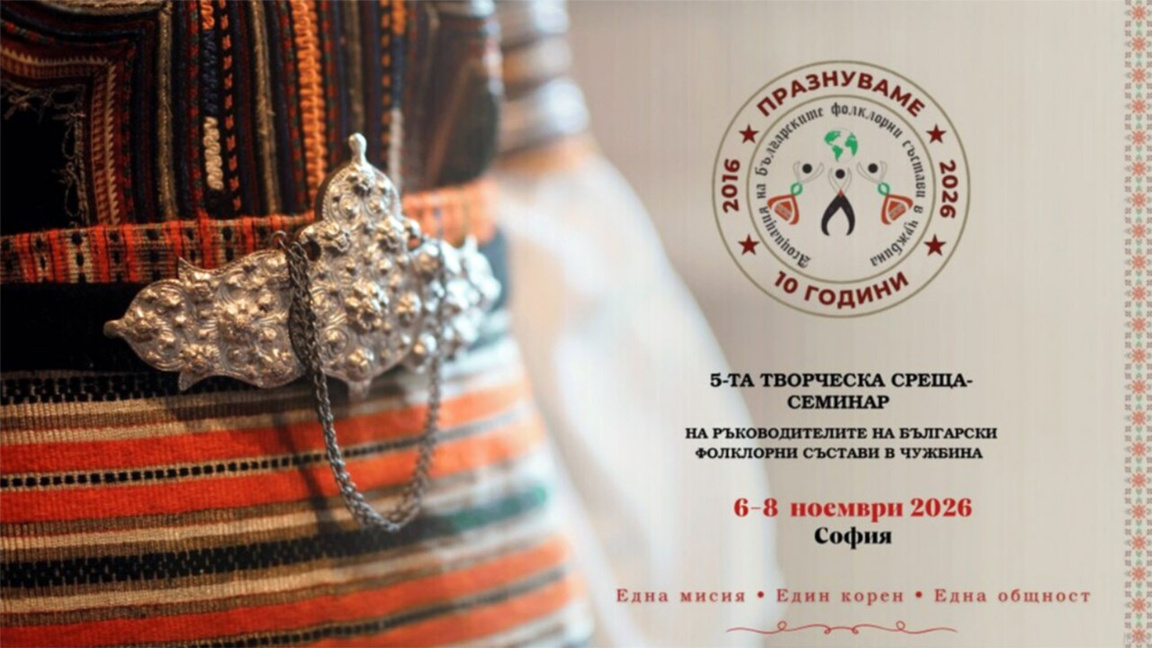
PHOTO Facebook/ The Association of Bulgarian Folklore Ensembles Abroad
Font size
The Association of Bulgarian Folklore Ensembles Abroad is marking its tenth anniversary with a celebratory concert in Sofia on 7 November. The concert is a highlight of the fifth workshop for leaders of Bulgarian folklore groups abroad.
“We’ve set ourselves the goal of exploring a different folklore region each year, and this year we’re focusing on the folk traditions of the Shopluka region,” the association’s chair, Radoslava Nedyalkova, told Radio Bulgaria. The association brings together more than 60 performing groups from around the world. Nedyalkova also leads the Nashentsi ensemble in Milan.
She told us that three groups will take the stage at Joy Station on 7 November: the international folklore ensemble Mladost na Megdana, the international dance group Gurbetchii and the combined folk choir Pastra Kitka. They bring together Bulgarian performers from different countries who see their native folklore as both a calling and a source of magic. Working together from a distance, Nedyalkova says, is a challenge.
“They’re based in different countries, so they organise rehearsal camps and get together somewhere in Europe. They go for a weekend and put together the dance we’ll show you in Sofia on 7 November. But enthusiasm really is a powerful force. It can work wonders, and I’m glad our association was able to bring together so many people who put their hearts into this. They’ve found a wonderful way to work together and show that, when it comes down to it, we Bulgarians really do stand together and can create beautiful things together.”
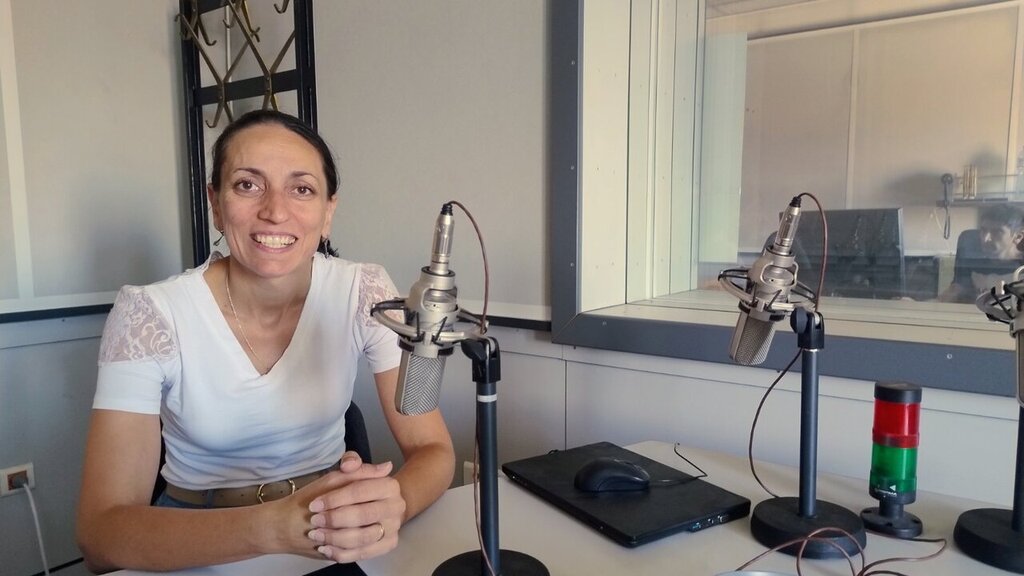
Radoslava Nedyalkova
PHOTO Elena Karkalanova
Leaders of Bulgarian dance groups from around the world will begin their workshop on 6 November. They will discuss the challenges of running their ensembles, from raising their own funds and finding authentic folk costumes to the practical difficulties of organising rehearsals.
“That’s exactly the idea: to bring these group leaders and choreographers together with local choreographers who can help them develop their work. There are many subjects we always cover at our workshops, so that we can do things as well as possible and stay true to the folklore we present to audiences abroad. It’s a big responsibility. Whenever we perform, we’re representing Bulgaria, so we have to do it as well as we can,” Nedyalkova explained.
The guest speakers will again offer practical training and share their expertise with participants. For Ana Sotirova, who heads the Ritmika Association in Milan, the value of these meetings goes further.
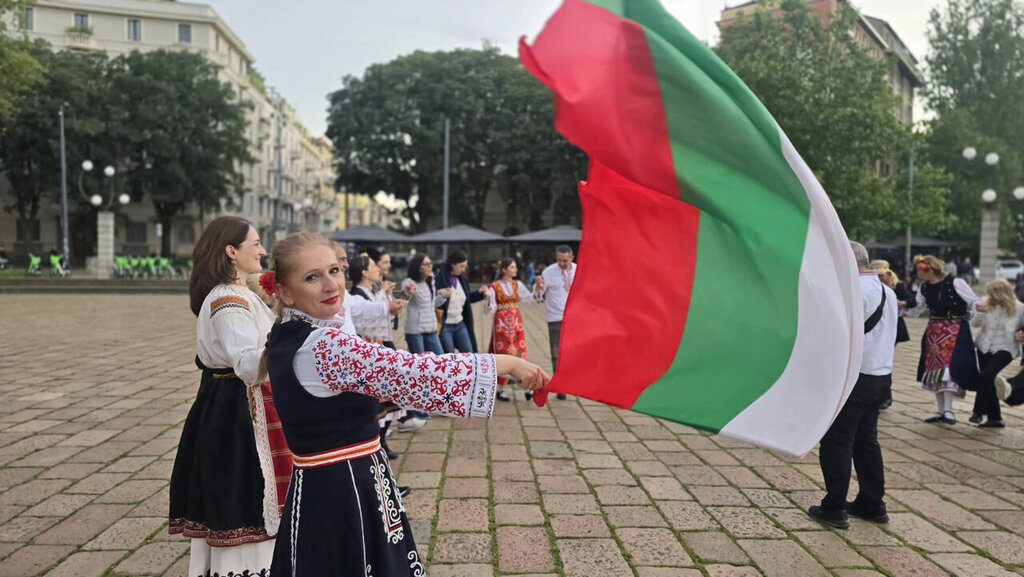
Ana Sotirova, Milan.
PHOTO Personal archive
“As well as providing training, these events help the leaders of Bulgarian folklore groups abroad build lasting friendships and find ways to work together,” Sotirova told Radio Bulgaria. She will attend the Sofia workshop alongside the leader of Beli Ruzhi, an ensemble of Italian singers who perform Bulgarian folk songs.
“Of course, none of us has stopped learning what makes each folklore region distinctive. We have many excellent speakers, and what they manage to teach us in just a few days is invaluable. The groups form strong ties, and we’re getting to know one another better all the time.”
The workshop will also give guests a chance to explore their roots, family memories and sense of belonging with writer Ventsislava Velikova, who started the Samodivsko Sborishte festival of Bulgarian legends.
The exhibition My Bulgarian Embroidered Shirt opens at 5.30 pm on 6 November in the Winter Garden hall of the Bulgarian Academy of Sciences’ National Ethnographic Museum. At the opening, prizes will be presented to entrants in the competition of the same name, organised by the Asen and Ilia Peykov Cultural Association in Italy.
This publication was created by: Elizabeth Radkova