


Author
Vesela Krasteva
Friday 6 November 2026 12:13
Friday, 6 November 2026, 12:13
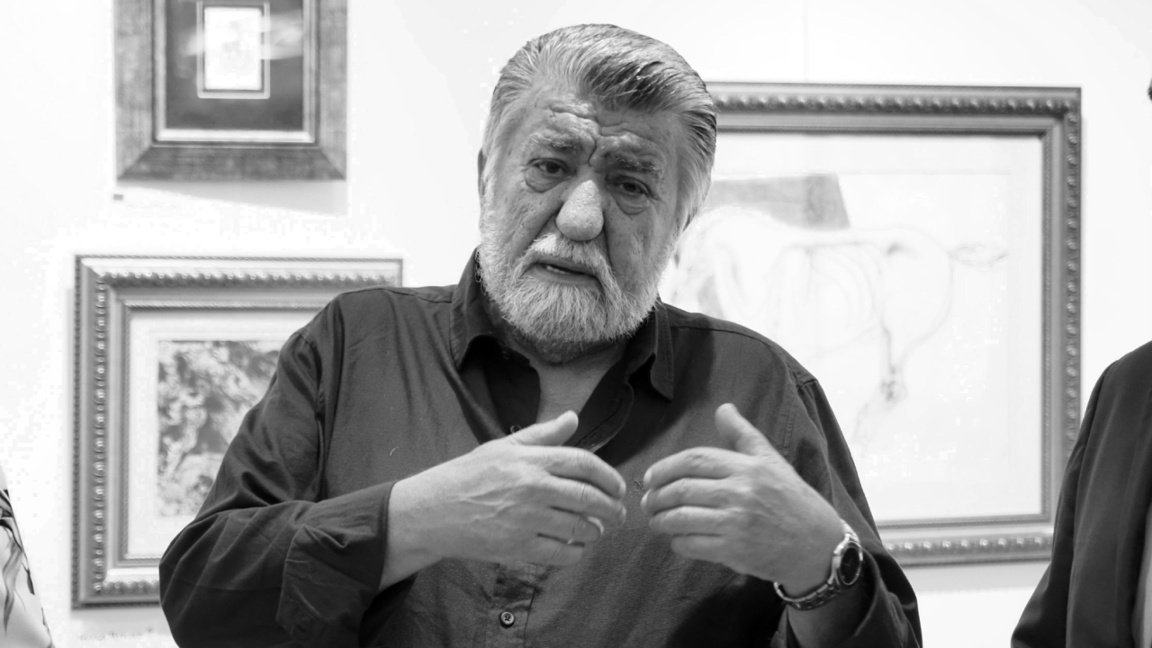
Vezhdi Rashidov (14.12.1951-06.11.2026)
PHOTO BGNES
Font size
Vezhdi Rashidov, the sculptor who twice served as Bulgaria’s culture minister and went on to become Speaker of the National Assembly, died early this morning, the press office of GERB announced. He had represented the party for more than 15 years. His family later confirmed the news to Nova Television, saying he had died of a heart attack. Rashidov leaves behind bronzes in the Vatican and Palma de Mallorca, a gallery that changed Sofia’s museum map, and a political career that will continue to divide opinion.
Who was Vezhdi Rashidov
Vezhdi Letif Rashidov was born on 14 December 1951 in Dimitrovgrad to an ethnic Turkish family. He was two when the family moved to Haskovo and just ten when his mother, the celebrated singer Kadrie Lyatifova, died in a car crash. He spent years in an orphanage. Despite those hardships, or perhaps because of them, art became his refuge. After graduating from Sofia’s Secondary School of Fine Arts, he studied sculpture at the National Academy of Art, graduating in 1978. Years later he returned to the academy as a teacher, showing a new generation of sculptors how he brought metal to life.
In 1985, Rashidov won a competition run by the Cité internationale des arts and took up a residency in Paris. In the closing years of socialism in Bulgaria, the stay gave him something few Bulgarian artists of his generation had experienced: direct contact with the Western art scene and the confidence to see himself as part of it. Three years later, also in Paris, Art Dialogue named him best foreign artist for his Beethoven masks. He went on to make more than 60 bronze masks of the composer, creating one of his most memorable series. One is now in the collection of the Vatican Museums. Twelve others stand in a sculpture park in Palma de Mallorca alongside works by Joan Miró, Picasso, Kandinsky and Chillida. The last major exhibition of the series, "Beethoven - Masks", brought together 20 bronze masks and nine drawings at his own Vejdi Art Gallery in Sofia in May 2025.
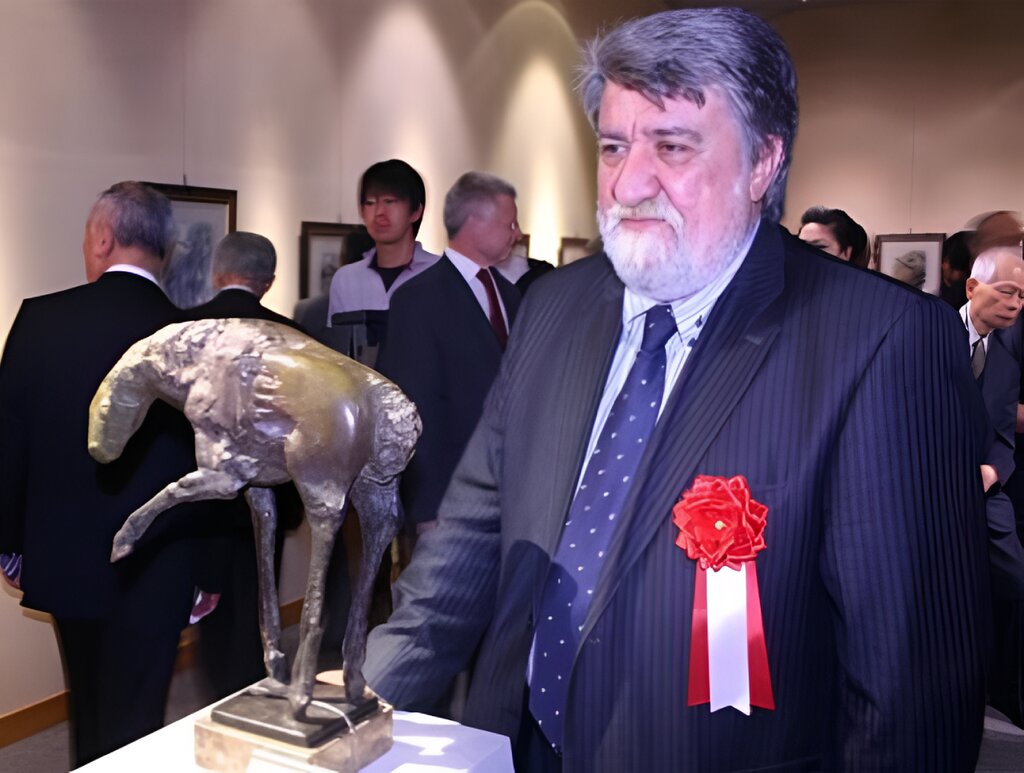
PHOTO Archive
Horses and centaurs were another subject he returned to throughout his life. In 2012, he showed five sculptures and 17 watercolours on the theme at the Equine Museum of Japan in Yokohama, the only museum in the world devoted entirely to the horse. Bronze remained his favourite medium. One of his best-known statuettes is still presented to winners at the Golden Rose Bulgarian Feature Film Festival in Varna.
In 2002, to mark 30 years of Rashidov’s artistic career, President Georgi Parvanov awarded him the Order of Stara Planina, First Class. He became a corresponding member of the Bulgarian Academy of Sciences in 2004. His other honours included the Vatican’s Dante Alighieri Gold Medal, Russia’s Order of Alexander Nevsky, First Class, and awards from Ukraine and Türkiye.
When politics took precedence
From 1999 to 2003, while Stefan Sofiyanski was mayor, Rashidov served on Sofia City Council as a member of the local group Drugite za Sofia. It brought together prominent public figures, intellectuals and politicians who won seats outside the lists of the main political forces of the day, including the United Democratic Forces and the Bulgarian Socialist Party.
Rashidov, himself an ethnic Turk, had long been one of the fiercest critics of the Movement for Rights and Freedoms (DPS). In the 2009 parliamentary elections, he stood for GERB in Kardzhali and became the first candidate in many years to win a seat in the constituency from outside the DPS. GERB won the election by a clear margin, and Rashidov became culture minister in Boyko Borissov’s first government. He held the post until the government resigned in 2013.
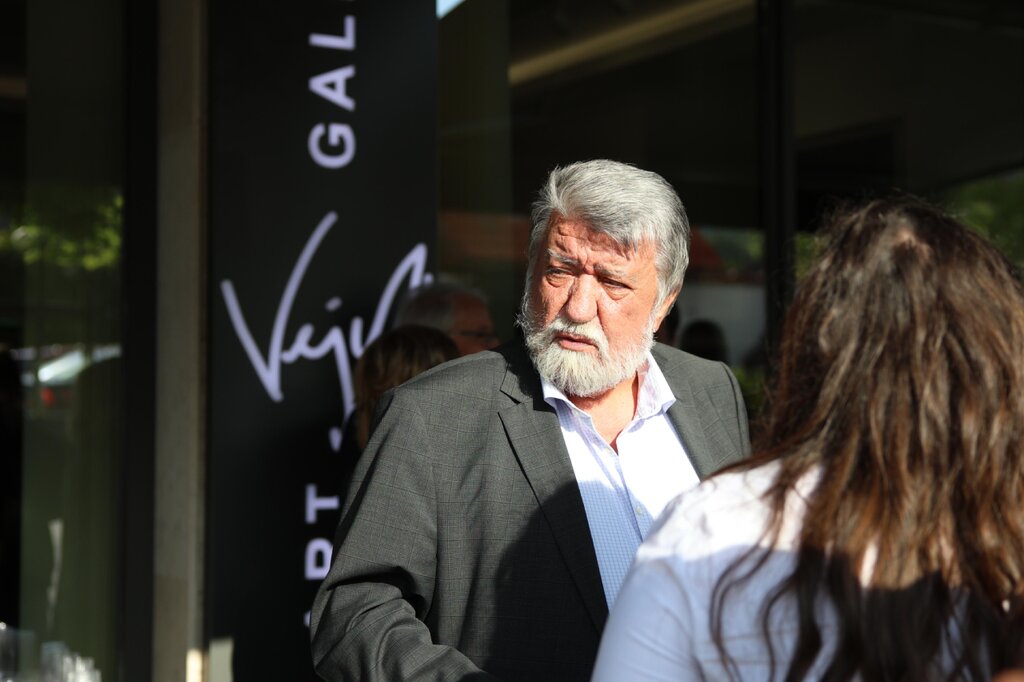
PHOTO BGNES
He returned to the ministry in November 2014 in Borissov’s second government and remained in office until January 2017. He regarded the opening of the National Gallery’s Square 500 as his greatest achievement as minister. Inaugurated in central Sofia in May 2015, the gallery brought together works spanning millennia from Bulgaria’s national collections and gave the capital the modern museum space it had long lacked.
Rashidov was elected to parliament several times between and after his terms as minister. He chaired the Culture and Media Committee for many years and served as Speaker of the National Assembly.
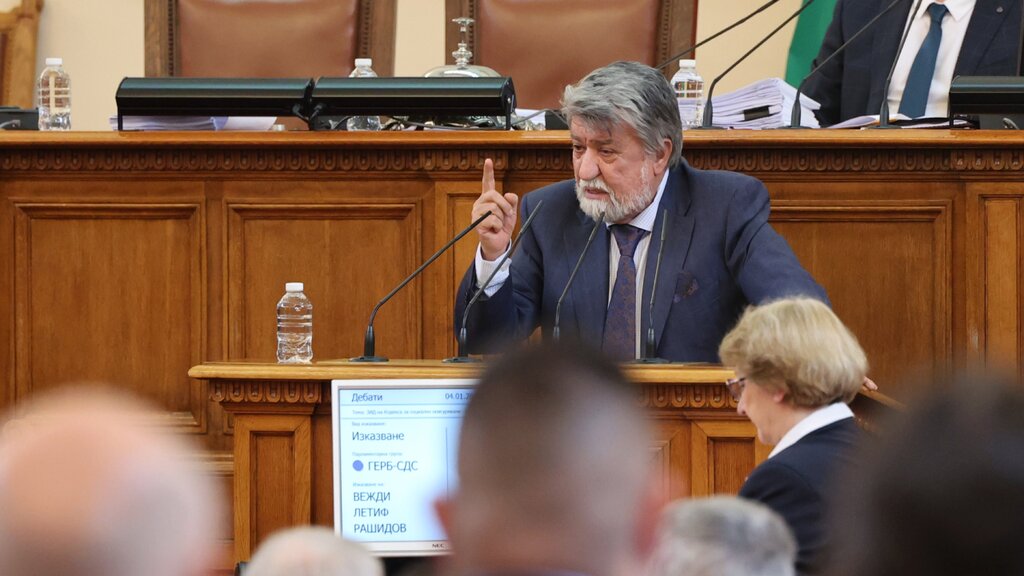
PHOTO BTA
Rashidov’s outspokenness often landed him in controversy. In 2001, he was briefly detained after a scuffle with a police officer outside Sofia City Hall. As minister, he repeatedly drew criticism for remarks he made in interviews. In August 2023, during a parliamentary debate on amendments to the Protection from Domestic Violence Act, a live microphone picked up obscene and insulting remarks he made about people in the chamber. On 7 August, he stepped down as chair of the Culture and Media Committee and resigned from GERB’s leadership. He apologised and left politics on 1 September 2023. In the summer of 2026, he joined the committee that nominated Iliana Iotova for president.
Back to the studio
After leaving politics, Rashidov returned to his studio and continued to exhibit new work. At the end of 2025, he opened a Christmas exhibition at the Bulgarian News Agency (BTA). Called The Tree, it brought together 60 new watercolours and drawings on the cycle of life. He put the thought behind the exhibition simply. “We are born, we grow up, we grow old and we go, and after forty days no one remembers us.”
Today those words sound almost prophetic. Yet the work he made with his own hands will outlast the controversies and keep his memory alive.
Editor: E. Karkalanova
His art
“Vezhdi Rashidov’s artistic roots are complex and extraordinarily rich. Elements of Russian realism intertwine with post-impressionism, expressionism and a deep strain of surrealism. The richness of the artistic tradition he draws on and the inventiveness of his expression come as a startling and delightful surprise to any art lover.”
Timothy Warrington
International Confederation of Art Critics
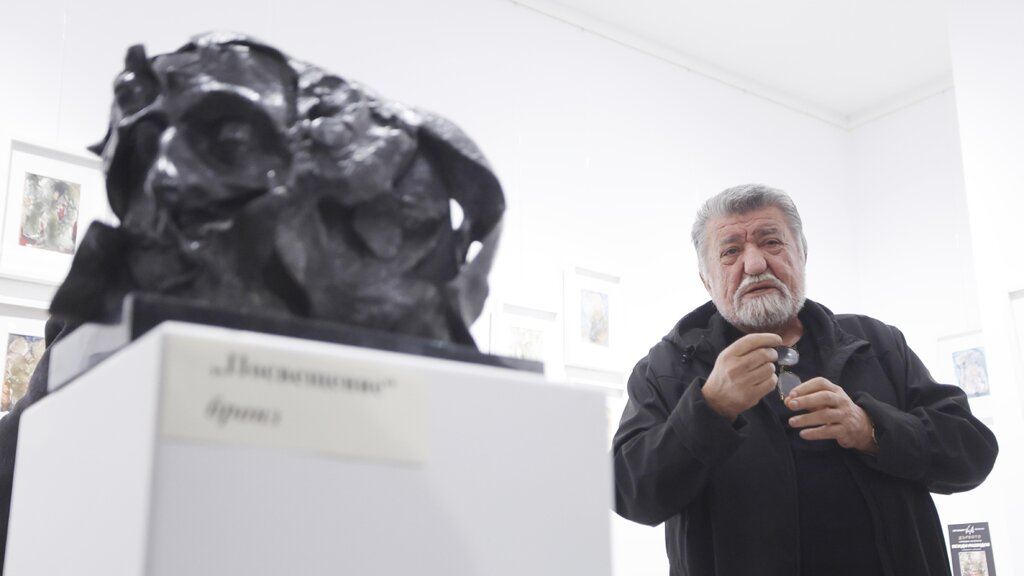
PHOTO BGNES
This publication was created by: Elizabeth Radkova