


Author
Yoan Kolev
News
From Radio Bulgaria's best collection
The music of the transition – A piece of freedom generations long for
Tuesday 10 November 2026 08:38
Tuesday, 10 November 2026, 08:38
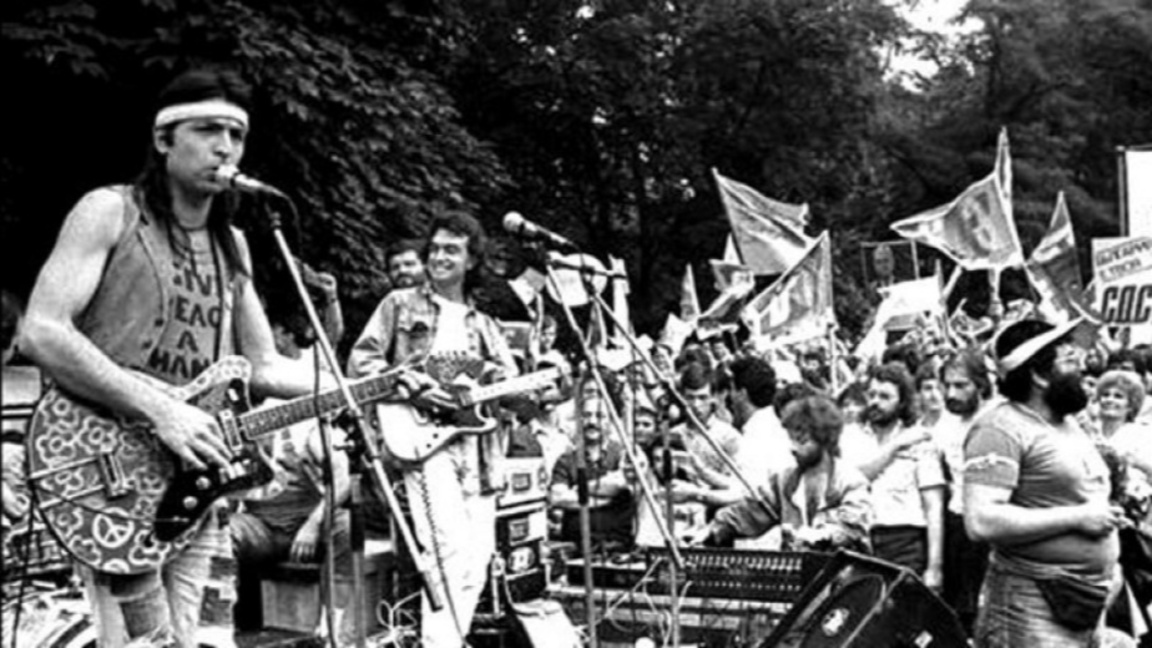
PHOTO BNR-archive
Font size
"I remember what happened like it was a movie. It was something we had all dreamt of and in my last years in high school I was already convinced it couldn't go on like this. And it happened…" says musician Stefan Valdobrev about his memories of November 10, 1989.
The news the Bulgarian Communist Party that had ruled for 45 years changed its leader Todor Zhivkov reached Vasil Georgiev, more popular as Vasko Krapkata (the Patch), in his own taxi. This is how the popular blues and rock musician learned that the transition from socialism to democracy had begun.
Years of hope followed as people thought breaking off with the communist past would be quick and the whole truth about the 45-year socialist period would come to light. However, this has not happened completely to this day. But in the first years after November 10, 1989, music had a huge impact on the formation of personalities whose voices were heard, despite the limitations of period.
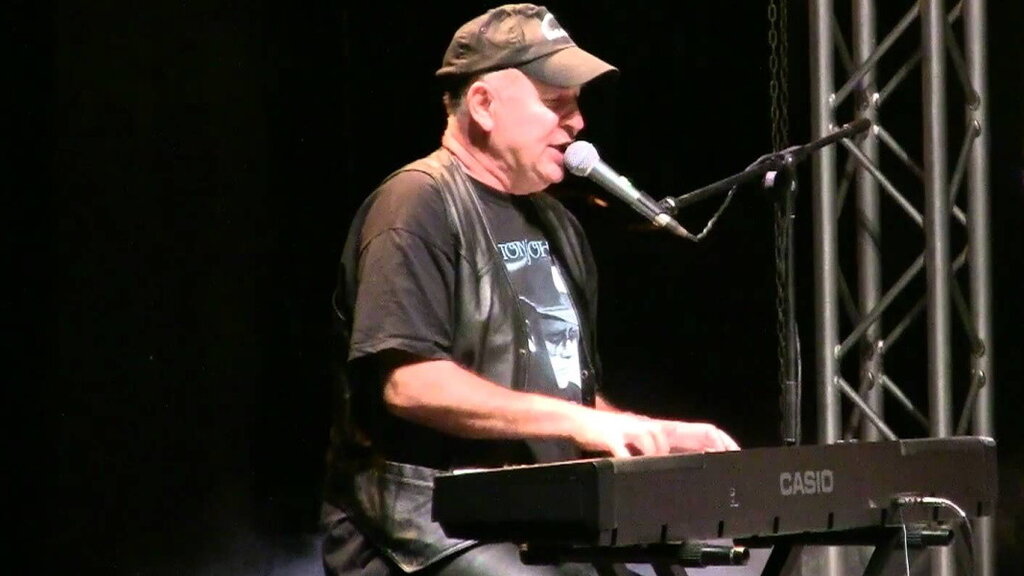
"I think art is a parallel world. A person can escape in it when they stop liking what surrounds them”, says Valdi Totev from the beloved "Shturtsite” band in an interview with Radio Bulgaria. “In those years of socialism music was a piece of freedom. Our most loyal fans were even beaten for their audacity to openly like us. At one point we had to stop playing in order not to look like a trap which our fans are caught in.”
Valdi Totev
PHOTO BNR-archive
Although democracy has imperfections, Valdi Totev claims that it has provided great opportunities that make sense of every sacrifice made.
"Today, one has the opportunity to choose where to live, where to work - something we had never dreamt could happen to us. What we gained is freedom and we know what it was living without it,” the author of the songs "Light" and "Raise your eyes", which were often played in city the squares in the first years of democracy adds.
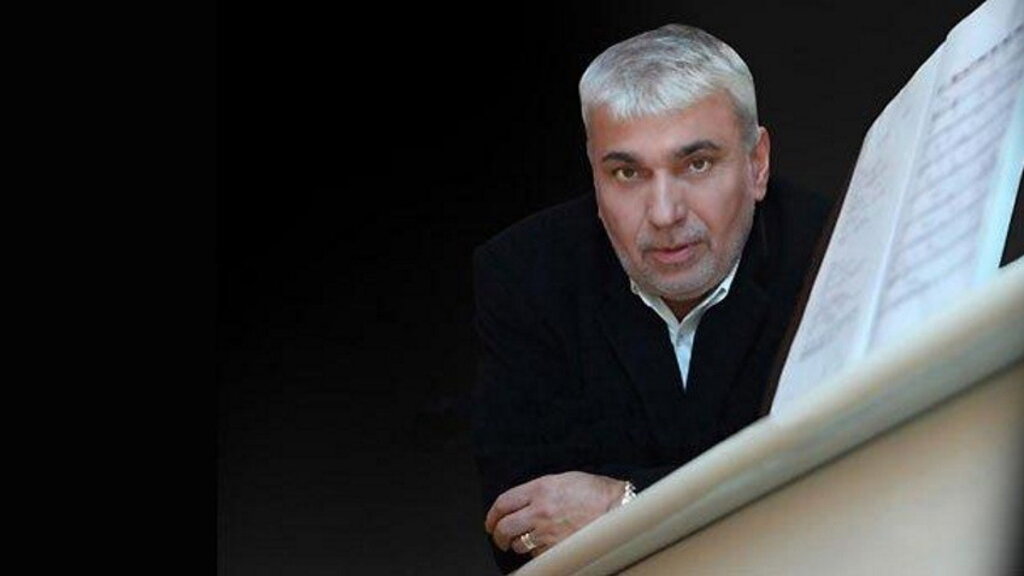
"Back then, unlike today, the protest had a clear purpose," composer Stefan Dimitrov said for Radio Bulgaria in 2020. “We wanted to overthrow communism and that was the desire of the whole nation. The successful songs that my colleagues created helped a lot to achieve this goal.”
Stefan Dimitrov
PHOTO personal archive
When it comes to participation of musicians in social and political life today, the composer says that this cannot be done by order:
"It's just that this generation is getting older and after 30 years it doesn't have the same power. Surely others must come. But if they haven’t emerged yet, then it has not become necessary."
Translated by Alexander Markov
This publication was created by: Kostadin Atanasov