


Author
Diana Tsankova
Article
Rositsa Nikolova: Ukraine lacks teachers, even for Bulgarian language classes
The Bulgarian state urgently needs to rethink its policy towards the Russian-occupied regions of Ukraine, says the long-serving teacher from Prymorsk
Thursday 12 November 2026 19:15
Thursday, 12 November 2026, 19:15
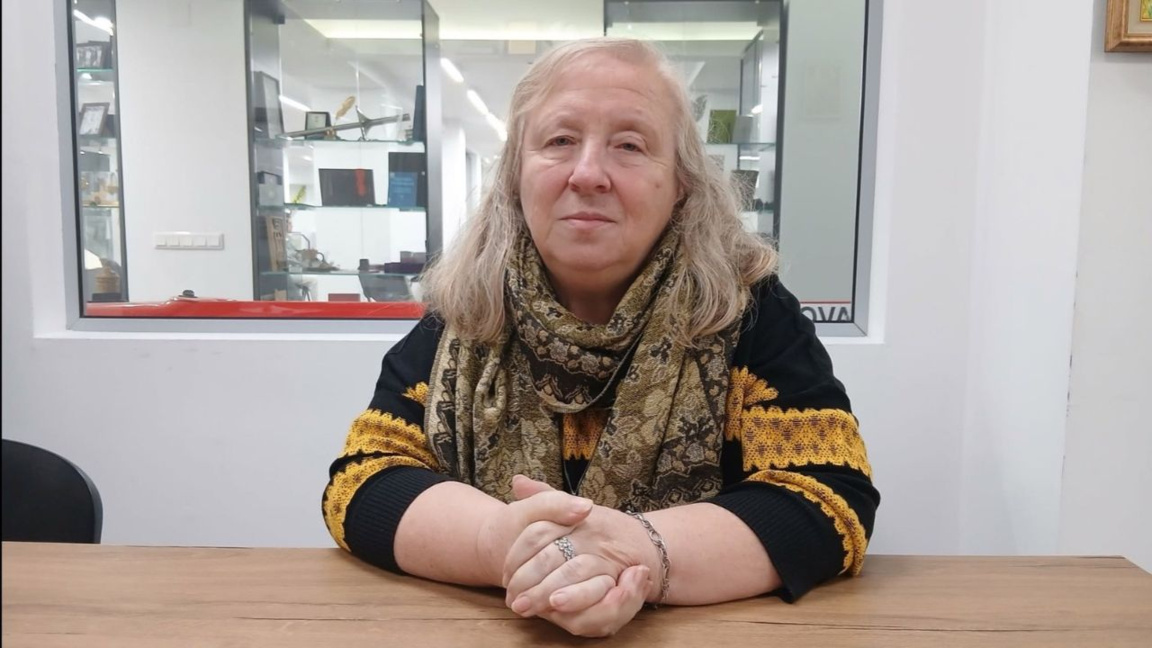
Росица Николова: В Украйна липсват учители дори по български език
PHOTO Diana Tsankova
Font size
The Ukrainian-Bulgarian Comprehensive Lyceum in the town of Prymorsk, in Ukraine’s Zaporizhzhia region, is located in territory occupied by Russia. Its facilities, built up over many years, have been destroyed, and whatever has survived is thanks to the goodwill of the local authorities. In wartime, the school can operate only online. “Honour and glory to my colleagues, who continue to keep it breathing,” says Rositsa Nikolova, a long-serving teacher of Bulgarian language and literature at the lyceum.
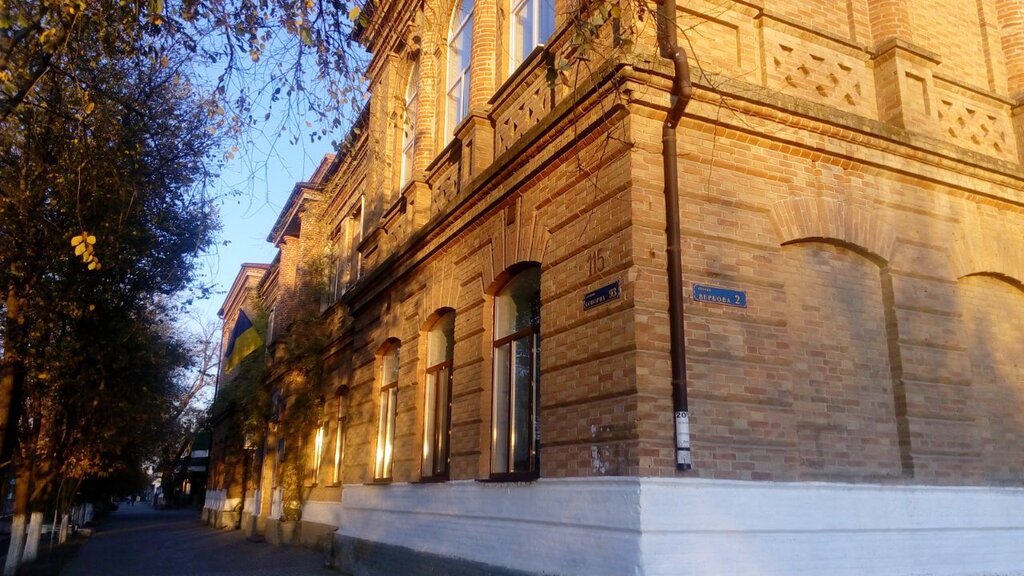
Ukrainian-Bulgarian Comprehensive Lyceum in Prymorsk
PHOTO Ukrainian-Bulgarian Comprehensive Lyceum in Prymorsk (archive)
The situation at this particular school reflects the broader challenges facing educational institutions serving Bulgarian communities in Ukraine. Whether they are under occupation or in areas exposed to shelling, the educational process is severely disrupted:
“This is Tavria, where we used to have a network of Sunday schools,” says the former teacher. “There was one attached to the lyceum and another to the town’s Bulgarian association. One operated under the ‘Native Language and Culture Abroad’ programme, while the other was established under a separate government decree providing for Sunday schools around the world to operate according to the same regulations. The situation in Ukraine is now extremely complicated. Bessarabia in the Odesa region is one thing; the Zaporizhzhia region is another, and the situation there needs to be considered differently.”
Although Council of Ministers Decree No. 103 makes it easier for young people from historic Bulgarian communities abroad to pursue higher education at Bulgarian universities, this does not apply to those living in territories seized by Russia. For them, coming to Bulgaria to continue their studies is virtually impossible, as they are required to obtain a Russian passport.
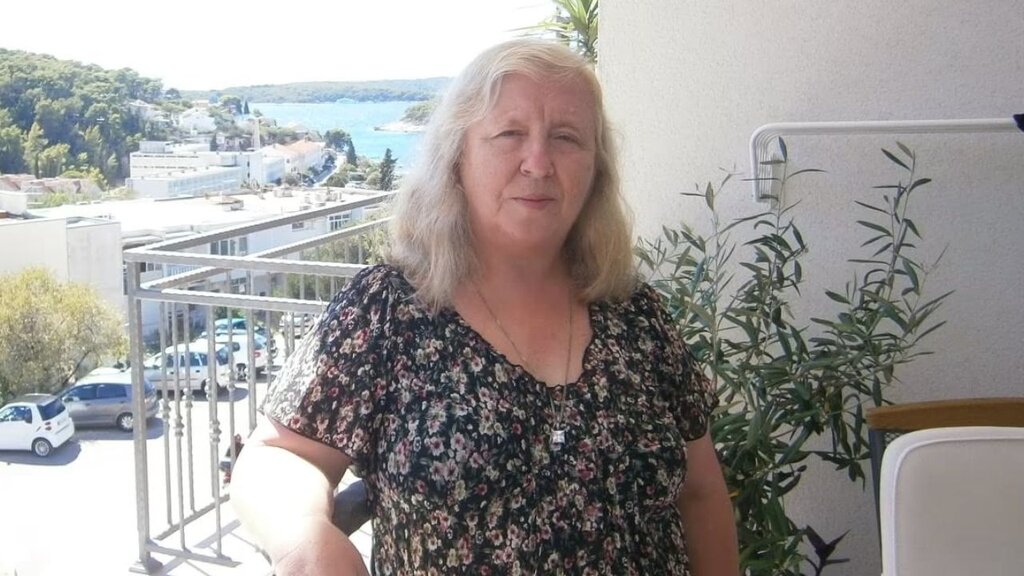
PHOTO Facebook /Rositsa Nikolova
“Given these Russian documents, things cannot be as they once were, at least for the time being,” Rositsa Nikolova explains. “Under Decree No. 103, many young people from Ukraine, Moldova and other long-established Bulgarian communities abroad, such as those in North Macedonia, Albania and Kosovo, have completed their education in Bulgaria. Some of them have become exceptionally capable and highly qualified professionals. One of the important and complex issues is how they find their place in the Bulgarian labour market. The greatest joy and satisfaction for the teachers who worked with them is to see them eventually become part of Bulgaria’s intellectual elite.”
Most graduates of Bulgarian universities remain in the country. Like young people born in Bulgaria, however, they face similar difficulties when trying to find employment.
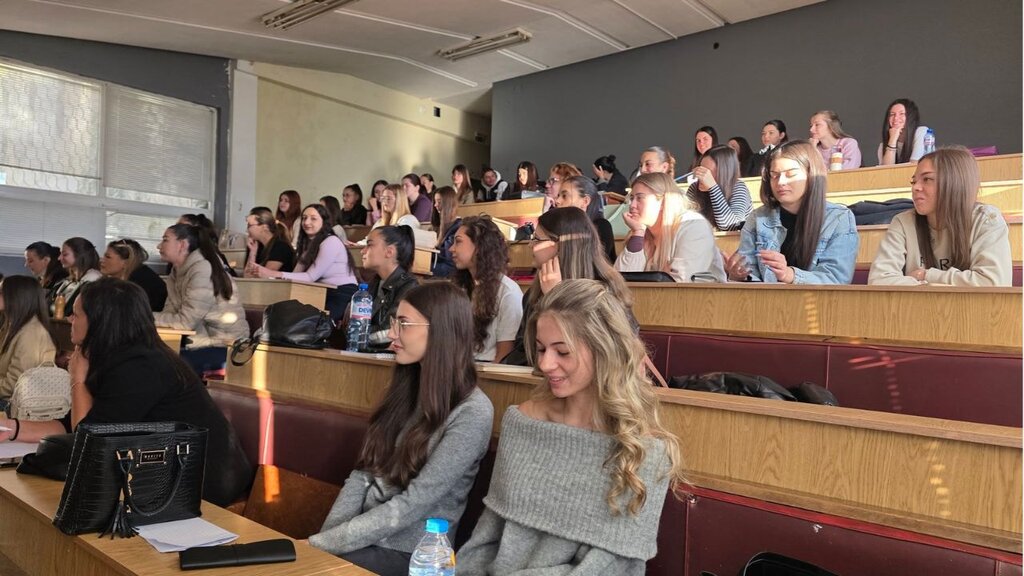
PHOTO Veliko Tarnovo University "Sts. Cyril and Methodius"
“Making the transition from being a student to becoming part of the workforce is difficult,” Rositsa Nikolova says. “The greatest danger for our young people is that, out of financial necessity, they may find themselves in an environment offering relatively good salaries. They then abandon the education they have received and the profession for which they have trained, and, in effect, we lose them. On the other hand, sometimes you need personal connections to find a job, get a foothold and make a start. I often give the example of one of our former pupils who graduated in Japanese studies. I say that she belongs to an elite almost beyond this world, not only in Bulgaria but in Europe as well. I have no idea how her career has developed, but I hope that the Ministry of Labour and Social Policy is considering ways of working with these young people from Bulgaria’s historic communities abroad. That would be an exceptionally positive step, helping them feel that they have support.”
One proposal is to create a register of Bessarabian Bulgarians studying in Bulgaria, documenting their academic achievements and identifying how their professional skills could benefit different sectors. However, making use of their potential in the future will require a number of complex problems to be addressed. Ukraine is not only short of teachers of history, biology and chemistry, subjects in which pupils encounter complex terminology that they need to master in Bulgarian in order to pass university entrance examinations. In the most dangerous areas, there is not even a sufficient number of Bulgarian-language teachers.
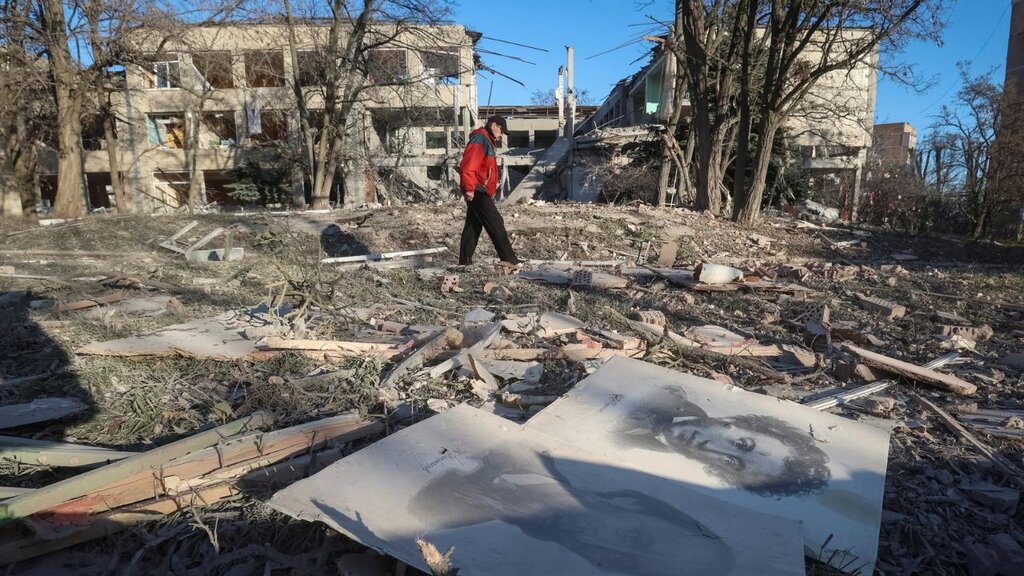
School destroyed during Russian air strikes in Ukraine
PHOTO Reuters
“In Moldova, fortunately, there are people from Bulgaria who have been sent there through competitive selection procedures,” Rositsa Nikolova explains. “But I would like to make one point here. For many years, the Ministry of Education and Science pursued an inadequate policy towards teachers of Bulgarian language and literature, music and folklore in Ukraine. They were sent there on temporary assignments, as a result of which they lost their seniority and social security contributions in Bulgaria. After a great deal of effort, we managed to put some things right, but the current situation means that there are once again no candidates. In Chișinău, for example, a vacancy at the lyceum has been advertised several times already.”
The most urgent measure the Bulgarian state needs to take, Rositsa Nikolova insists, is to rethink its policy towards occupied areas of Ukraine such as Tavria and Crimea, where the Bulgarian communities have been left to fend for themselves. She cites Ivan Abazher, chairman of the Bulgarian community in Crimea, who has said that they are trying to knock on Bulgaria’s door, but their hands disappear into the open space beyond it, as though the country, unfortunately, is not prepared to welcome them.
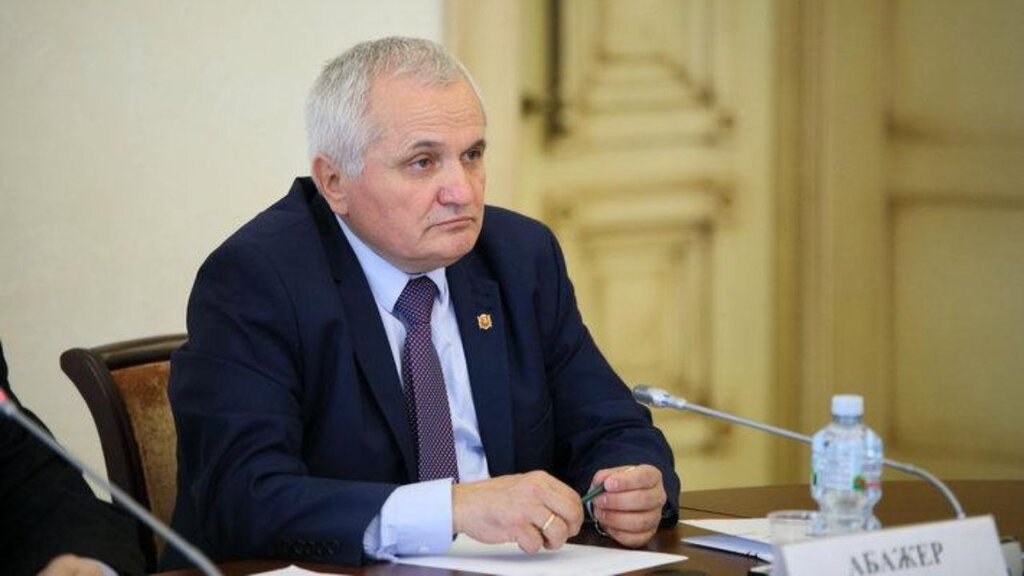
Ivan Abazher
PHOTO opcrimea.ru
“Just as the state turned its back on the Bulgarians in Crimea, it will turn its back on those in Tavria, too. Gradually, this will lead to their assimilation. There are plenty of Russian universities, but these young people have no opportunity to study in Bulgaria, and they are already being lost as representatives of the Bulgarian community in those parts,” Rositsa Nikolova observes. “Our country must do something. The Russian ambassador, Eleonora Mitrofanova, cannot be allowed to claim that there is no interest in the Bulgarian language in the Zaporizhzhia region and Tavria because there are no Bulgarians living there. That is simply not true. The circumstances at present are terrible, but glossing over the truth will not lead to good results.”
Rositsa Nikolova is ready to join her former colleagues who worked in these areas and meet Eleonora Mitrofanova in person to explain that the Berdiansk, Pryazovske and Prymorsk districts alone were once home to 38 Bulgarian villages. “Of course, their population is no longer the same as it was at the beginning of the 20th century, following the migration from Bessarabia in 1861. Nevertheless, those communities are still there,” she adds.
Asked what she would most like to emphasise, Rositsa Nikolova replies: “Anyone who finds themselves in those parts and among those people leaves a piece of their heart there. Always. For a lifetime.”
Photos: Diana Tsankova; Prymorsk Comprehensive Lyceum (archive); Facebook / Rositsa Nikolova; St Cyril and St Methodius University of Veliko Tarnovo; Reuters; opcrimea.ru
Edited by E. Karkalanova
English editor: R. Petkova