


Friday 13 November 2026 14:29
Friday, 13 November 2026, 14:29
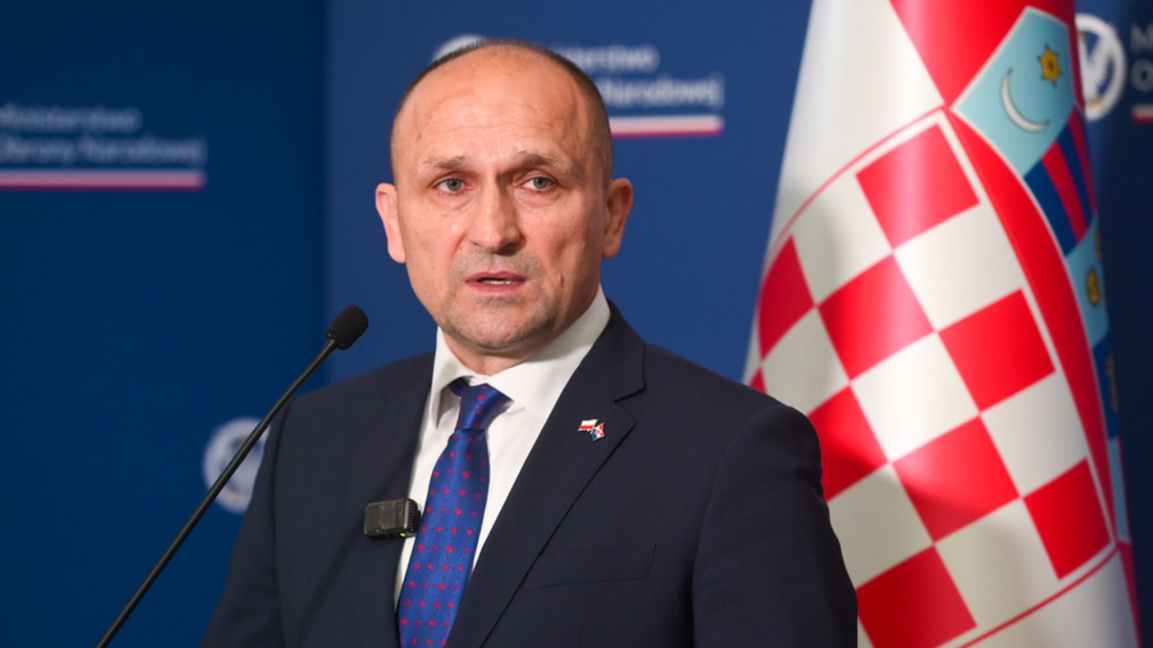
Defence Minister Ivan Anušić
PHOTO croatiaweek.com
Font size
Croatian government accuses president of obstructing army development
Croatian President Zoran Milanović is deliberately spreading a false narrative about Croatia being drawn into the war in Ukraine, isolating and undermining the Croatian Armed Forces and obstructing their development, Defence Minister Ivan Anušić said, HINA reported.
Earlier, Milanović criticised Prime Minister Andrej Plenković after he expressed concern in parliament over Croatia’s non-participation in NATO Security Assistance and Training for Ukraine mission (NSATU) or the EU Military Assistance Mission in support of Ukraine (EUMAM). Plenković blamed Milanović and the left-wing opposition for Croatia’s non-participation.
Anušić stressed that the restrictions are depriving the Croatian Armed Forces of opportunities to exchange knowledge and experience with Ukrainian military personnel, whom he described as the best-trained and most experienced in the world after five years of defending against Russian aggression.
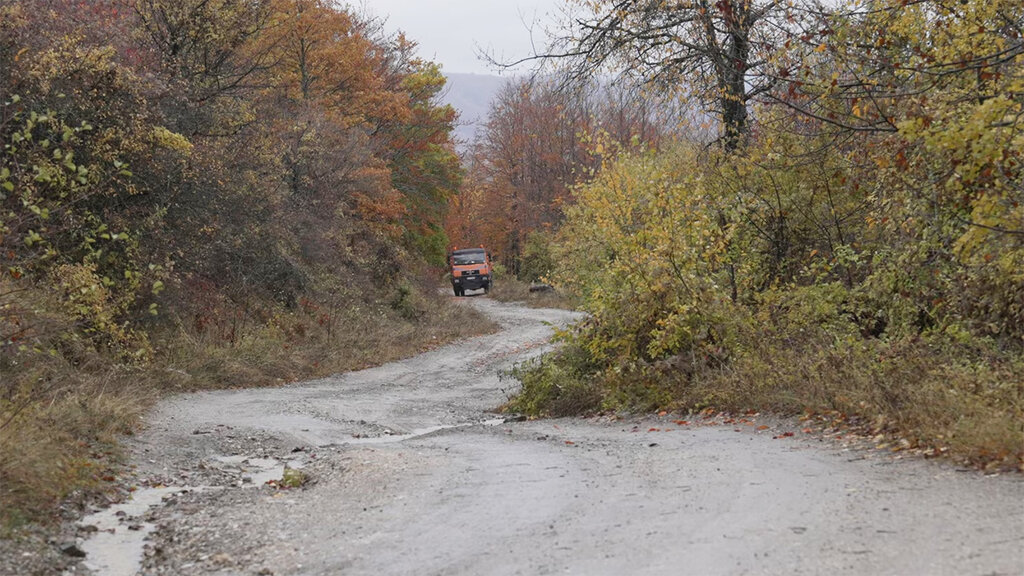
PHOTO evropaelire.org
More than 60 illegal routes between Kosovo and Serbia remain passable, facilitating smuggling
More than 60 illegal routes between Kosovo and Serbia remain passable following the 2023 attack by Serb militants in the Kosovan village of Banjska. These routes are being used for smuggling goods, according to an analysis by evropaelire.org.
According to the Kosovo Police, dozens of alternative routes in northern Kosovo remain accessible to this day. They are used to illegally bring in construction materials, food, beverages, fruit, vegetables, meat, cigarettes, clothing, jewellery, perfumes, electrical appliances and pharmaceutical products, bypassing official border crossings and customs duties.
Expert Mentor Vrajoli told RFE/RL Kosovo that reducing the long-term risks posed by illegal routes in northern Kosovo is directly linked to the normalisation of relations between Kosovo and Serbia.
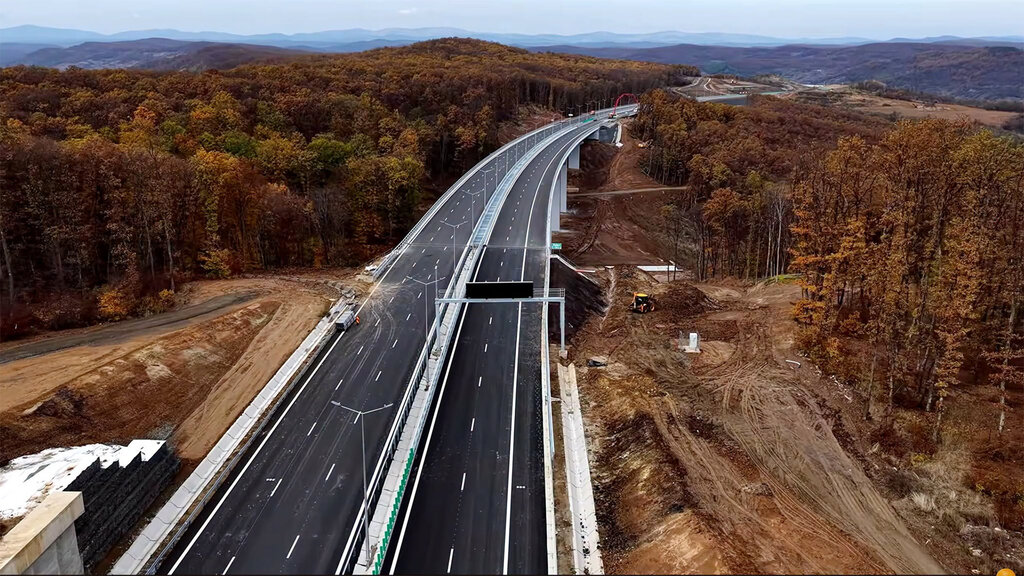
PHOTO ziare.com
Romania to end 2026 with 200 km of new motorways and expressways
Nearly 200 kilometres of motorways and expressways are expected to open to traffic in Romania this year, Transport and Infrastructure Minister Ștefan-Ovidiu Popa announced, as quoted by ziare.com.
The plans include opening a further 10 km of the Bucharest ring road motorway A0. So far, 83 km of the A0’s total 100.8 km have been opened to traffic. Another 56 km of the A3 motorway, known as the Transylvania Motorway, are scheduled to open. It connects Bucharest with the border with Hungary at Borș, passing through the cities of Ploiești and Oradea.
The plans also include connecting Bacău and Pașcani with 49 km of the A7 motorway, known as the Moldova Motorway, which extends towards the Romanian-Moldovan border. The Brăila-Galați expressway in southeastern Romania is also expected to open this year, the minister said.
Romania currently has a total of 1,487 km of motorways and expressways.

PHOTO ekathimerini.com
Greece and Türkiye in dispute over exclusive economic zones in the Mediterranean
Greece has rejected as “null and void” a Turkish navigational warning (NAVTEX) authorising the French vessel Abeille Marengo to conduct seabed surveys between Cyprus and the island of Crete. The vessel will survey the route for the Great Sea Interconnector, which will link the energy systems of the EU and Israel, BTA reported. In a counter-NAVTEX, Greece stated that the coordinates specified in the Turkish notice fall within its exclusive economic zone.
Athens and Ankara are locked in a dispute over maritime jurisdiction in the Mediterranean. Türkiye maintains that Greek islands do not confer rights to an exclusive economic zone. Ankara claims maritime rights extending to the continental shelves of Egypt and Libya. Greece, meanwhile, argues that under the UN Convention on the Law of the Sea, its islands are entitled to an exclusive economic zone extending all the way to the Turkish coast.
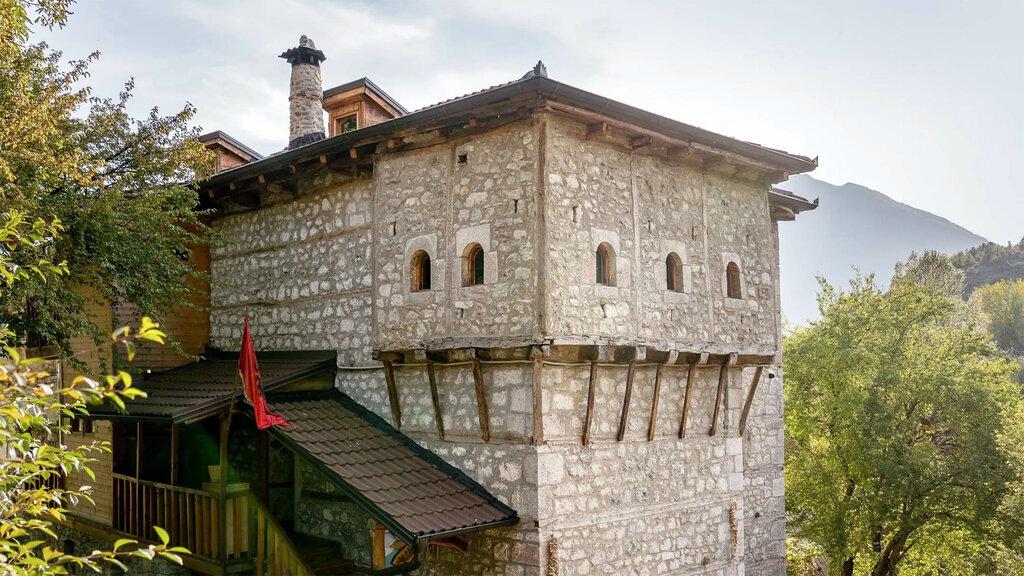
PHOTO giz.de
Albania turns historic stone towers into tourist guesthouses
Albania has launched a tourism project to restore traditional stone residential towers (kulla houses) and convert them into guesthouses. The country aims to attract travellers to remote rural areas largely untouched by mass tourism, while preserving its centuries-old traditions of hospitality, The Guardian reports.
The route, developed by the Albanian Agritourism Association, is known as the “The Tower Trail”. It passes through some of the least visited areas of northeastern Albania, including Mirdita, Mat, Bulqiza and Dibër. Designed to be walked with a guide over nine days, the journey spans more than 100 miles through traditional villages, high plains, forests and river valleys, with future plans for cycling and 4x4 routes.
Edited by Ivo Ivanov
Translated by Kostadin Atanasov
This publication was created by: Kostadin Atanasov