


Author
Ivo Ivanov
On the tracks of history
How Bulgaria’s first railway came into being
The Ruse–Varna line opened 160 years ago
Sunday 15 November 2026 09:25
Sunday, 15 November 2026, 09:25
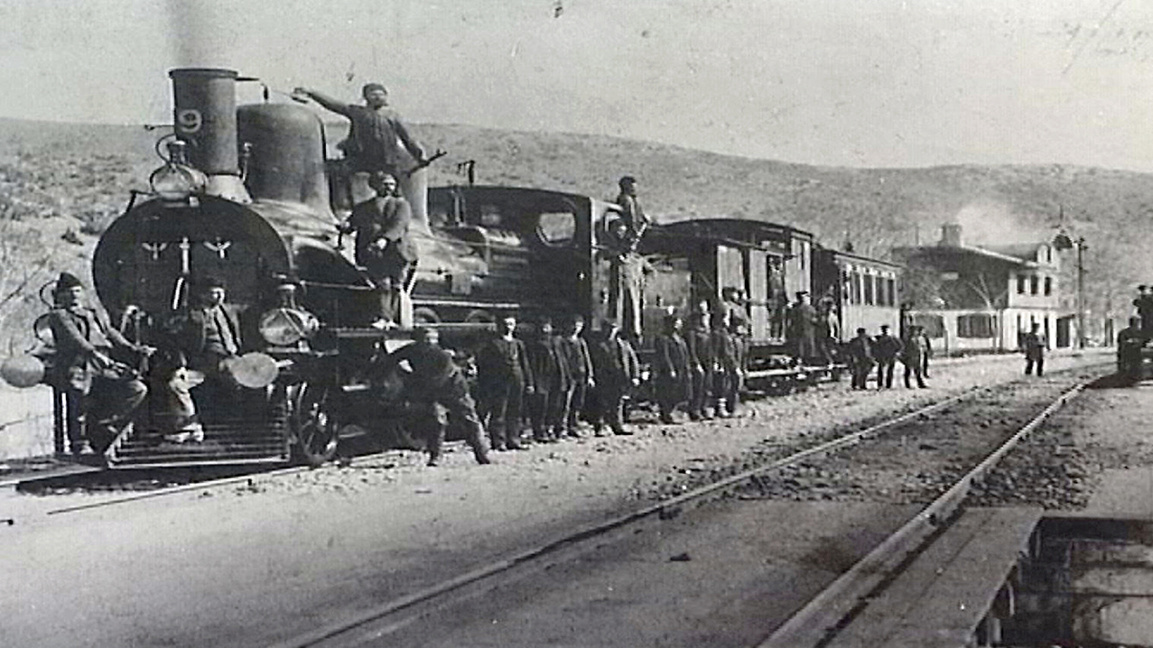
PHOTO Museum of transport - Ruse
Font size
The idea of building railways in the Balkans gained momentum during the Crimean War of 1853–1856. Varna’s port was one of the main supply bases for the Western allies fighting Russia. Much of the cargo arrived along the Danube from Central Europe. At first, entrepreneurs envisaged navigable canals linking Ruse with Varna and Cernavodă with Constanța. But events in Crimea gave the plans a different direction.
The Russian troops besieged in Sevastopol were hungry and short of ammunition. Further north on the peninsula, their supply convoys were stuck in mud. The besieging armies had much the same problem. Their ships were laden with food and weapons, yet getting these supplies from the coast to the French, British, Ottoman and Piedmontese positions proved desperately difficult. A railway just a few kilometres long helped break the deadlock. The allies could finally get supplies through to their troops.
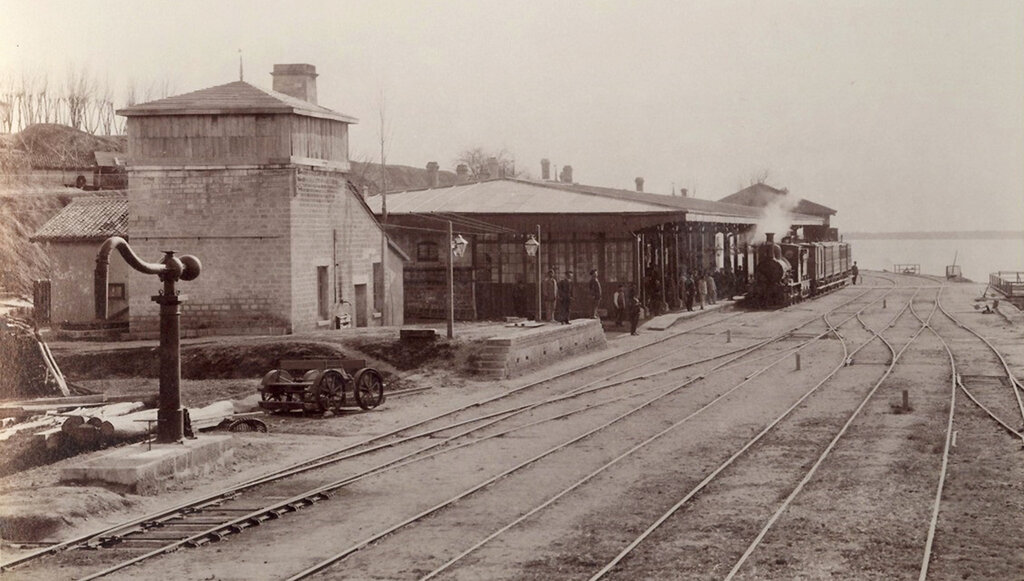
Russe railway station after Bulgaria's Liberation from the Ottoman rule in 1878.
PHOTO Museum of transport - Ruse
Railways offered an alternative to canals, vulnerable to low water in summer and ice in winter. In 1857, the sultan granted a concession for the Cernavodă–Constanța line. The Ruse–Varna project followed. One would serve trade along the Lower Danube and through Bessarabia and Galați. The other would shorten the journey between London and Istanbul by several days.
The Cernavodă–Constanța railway opened on 4 October 1860. Around 65 kilometres long and now in Romania, it was the first railway in the European part of the Ottoman Empire.
British and French companies competed to build the Ruse–Varna line. Merchants from Shumen also ventured to seek the concession. Bulgarians, however, were left to provide the labour and supply timber and stone as subcontractors. The necessary tools and machinery came from Britain.
The construction contract was signed in 1863 with a British company associated with the brothers Trevor and Henry Berkeley, represented by William Gladstone. It provided for a 99-year concession. Work began on 21 May 1864, with construction proceeding from both Ruse and Varna.
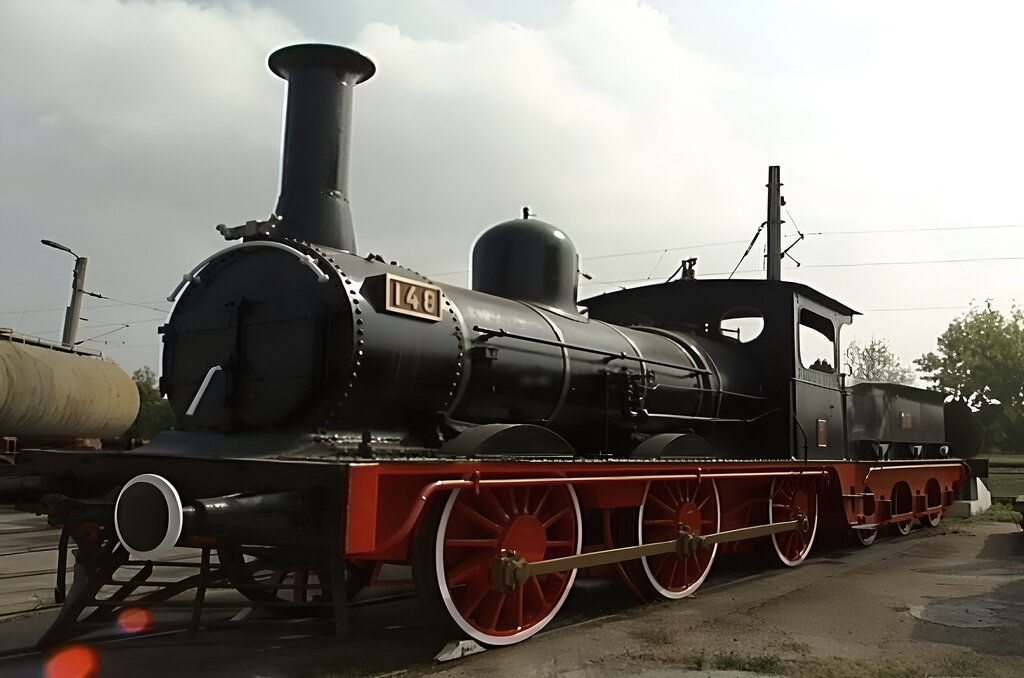
The oldest surviving locomotive in Bulgaria and the Balkans, one of the engines imported by the Berkeley brothers for the Ruse–Varna railway.
PHOTO Ivo Ivanov
Two years later, most of the line was in place. Not all of it was finished. Ahmed Midhat Pasha, the governor of the Danube Vilayet, known for his reforms, was eager to report progress to Sultan Abdülaziz. On 7 November 1866, he travelled from Ruse to Varna without having to leave the train for a horse or cart, and declared the railway open. Work on unfinished sections continued afterwards.
The British engineers kept the route as direct as possible, with few bridges and a minimum of bends and earthworks. Even the strategically important town of Shumen was bypassed. The railway went through Kaspichan instead.
The line later came under the management of Baron Maurice de Hirsch’s Oriental Railways. After Bulgaria’s liberation in 1878, the Treaty of Berlin transferred the Ottoman government’s obligations towards the Ruse–Varna Railway Company to the new Bulgarian principality.
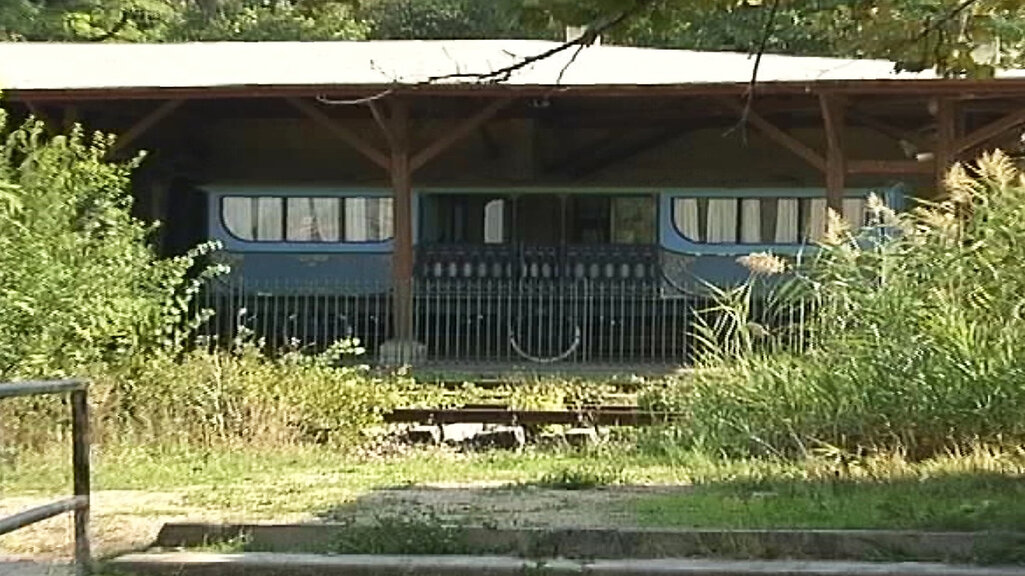
At Ruse station, passengers arriving by boat on the Danube would board a train to Varna, then continue to Istanbul by sea.
PHOTO Ivo Ivanov
Years of difficult negotiations followed. In 1886, parliament authorised a purchase price of 44.5 million gold leva. The cost provoked fierce opposition. Bulgaria finally acquired the railway in 1888, with borrowing needed to finance the purchase. But money was not all that mattered. Railways had already begun transforming Europe. Stockton–Darlington opened in 1825; Liverpool–Manchester followed in 1830. France’s first railway opened in 1827. By the middle of the century, tracks were spreading across the continent.
For Bulgaria, too, the railway meant more than a link between Europe and the Orient. More than easier trade. It brought modernity and new possibilities. It is no coincidence that many Bulgarian revolutionaries and freedom fighters were railway employees, or had worked on the railways.
Editor: Elena Karkalanova
This publication was created by: Elizabeth Radkova