


Author
Author: Svetlana Šatrić
Holy King Milutin’s relics in Sofia link Bulgaria and Serbia
St Nedelya Cathedral houses some of the Bulgarian capital’s most revered Orthodox relics
Saturday 14 November 2026 14:55
Saturday, 14 November 2026, 14:55
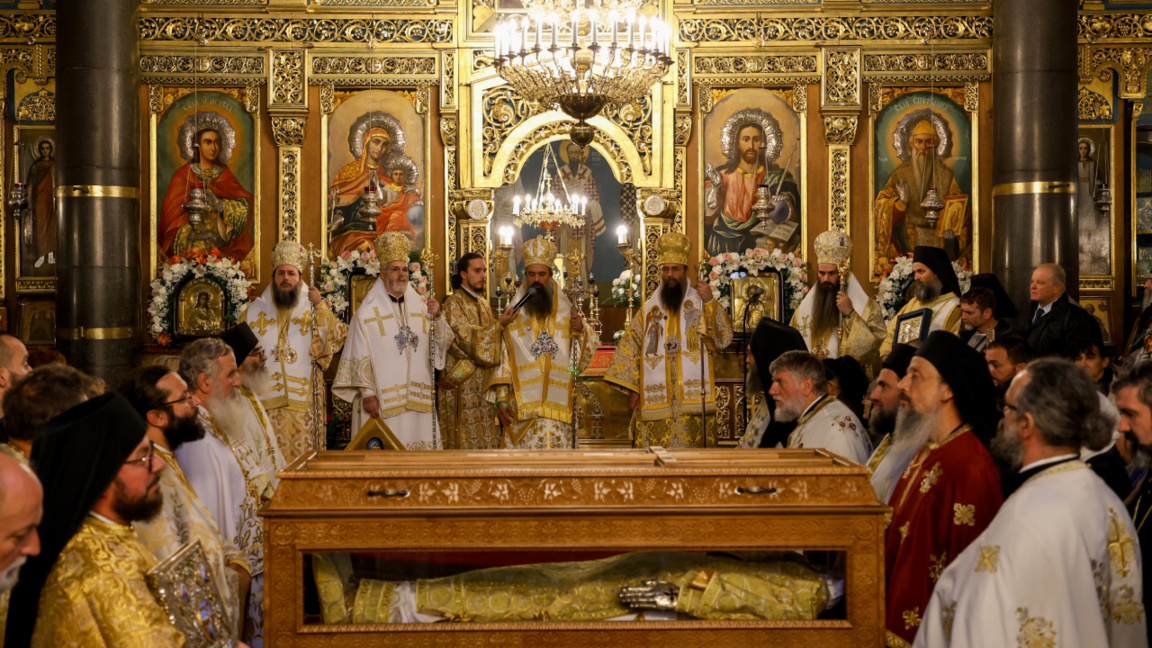
PHOTO BTA
Font size
For more than five and a half centuries, the relics of the Serbian king Saint Stefan Uroš II Milutin have been kept in the heart of Sofia. Brought to the city around 1460, they gradually became some of the Bulgarian capital’s most revered Orthodox relics. To this day, St Nedelya Cathedral, where they are preserved, attracts believers from both Bulgaria and Serbia. The history of the holy relics is part of Sofia’s spiritual heritage and a testament to the centuries-old ties between the two neighbouring nations.
Holy King Milutin died in 1321 and was initially buried in Banjska Monastery in northern Kosovo, founded at his behest. Around 1460, his relics were brought to Sofia. Over the following centuries, they were kept in various locations throughout the city before being placed in St Nedelya Cathedral in the 19th century. Because of the deep reverence for the Serbian ruler, the church is also known as “Sveti Kral” (Holy King). Today, the holy relics are kept in a special wooden casket.
Milutin is among the most significant rulers of medieval Serbia and a member of the Nemanjić dynasty. His reign is associated with the strengthening of the Serbian state, as well as extensive church-building and patronage in support of the Orthodox Church. His name is linked to the construction and renovation of numerous churches and monasteries, as well as support for Orthodox centres outside Serbian lands.
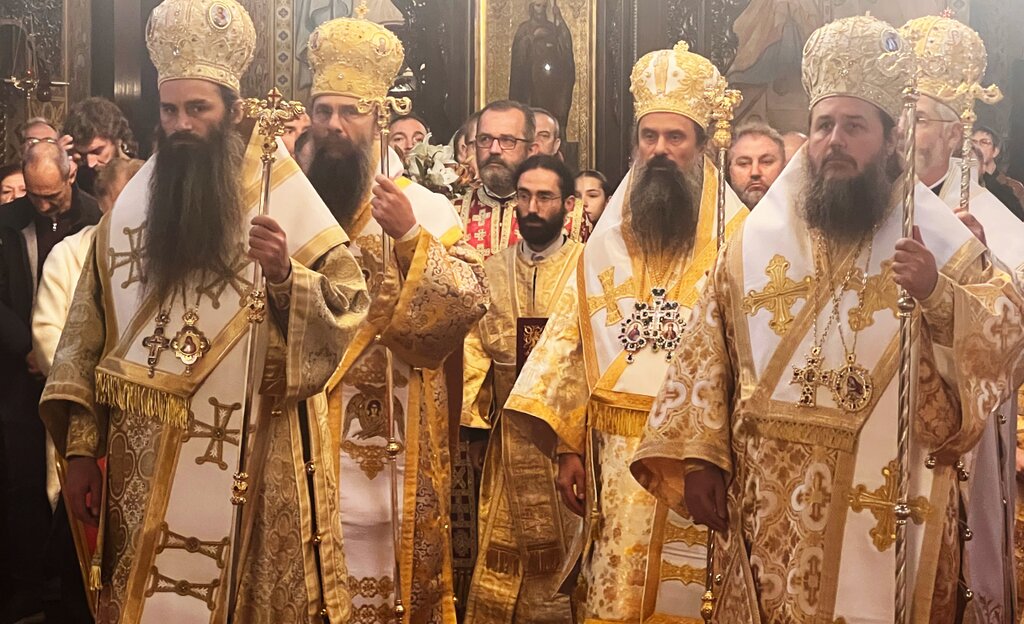
PHOTO Svetlana Šatrić
The Serbian ruler’s ties with Bulgaria were particularly close during his reign. In an interview with Radio Bulgaria, H.E. Milan Ravić, Ambassador of the Republic of Serbia to Bulgaria, recalled that Milutin visited Veliko Tarnovo – something rare for medieval rulers. According to his hagiography, written by the Serbian Archbishop Danilo, during his stay in the old Bulgarian capital he “found all justice for his kingdom”.
Family connections between the two ruling dynasties also bear witness to their closeness. King Milutin was married to the Bulgarian princess Anna Terter, and his daughter Anna married Michael Shishman, ruler of the Vidin Tsardom, who later became Bulgarian tsar. According to Ambassador Ravić, Milutin’s short visit to Tarnovo seemed to foreshadow the transfer of his relics to Sofia about two centuries later. As a saint, he brings his enduring blessing to the Bulgarian capital, testifying that both peoples, brothers in Christ, belong to a shared Christian culture and civilisation.
Every year on 30 October, the Bulgarian Orthodox Church honours Holy King Milutin, and a special celebration is held in his honour at St Nedelya Cathedral. Part of the tradition is the ceremonial changing of the garments covering the saint’s relics – a custom that brings together clergy and pilgrims from Bulgaria and Serbia. As Ambassador Milan Ravić points out, this annual celebration strengthens the saint’s role as a link between the two churches and nations and helps deepen the friendship between Bulgarians and Serbs
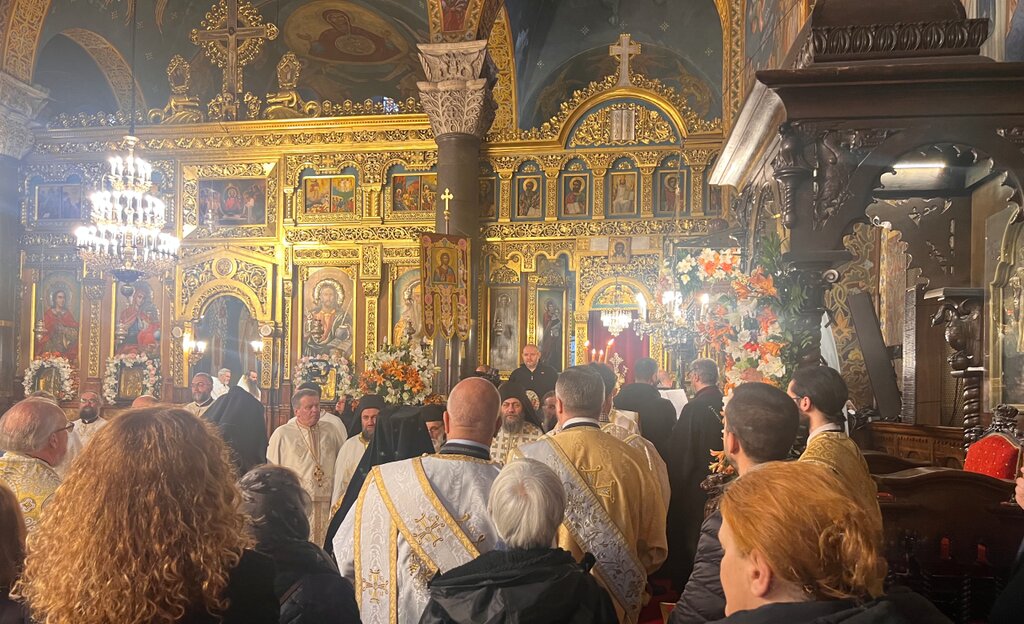
PHOTO Svetlana Šatrić
In his sermon during this year’s celebration, Bulgarian Patriarch Daniil recalled Holy King Milutin’s care for the Orthodox faith and the Church. He noted that the Serbian ruler regarded his authority not only as a political responsibility but also as service to God. According to the Patriarch, Milutin built or renovated around 40 churches and supported monasteries, hospitals and hospices, including in Jerusalem and at Hilandar Monastery. The Bulgarian Patriarch also emphasised that state borders and political power change, while spiritual values remain. He urged Orthodox Christians not to let political allegiances and nationalist sentiments divide them, but instead to be guided by faith, humility and charity.
More than five centuries after the transfer of his relics, Sofia continues to preserve the memory of Holy King Milutin as part of its own spiritual history. The centuries-old tradition of venerating his relics recalls the shared Christian culture of Bulgarians and Serbs and the enduring bond between the two peoples.
Managing Editor: E. Karkalanova
This publication was created by: Elizabeth Radkova