


Author
Latinka Svetozarova
Wednesday 18 November 2026 12:40
Wednesday, 18 November 2026, 12:40
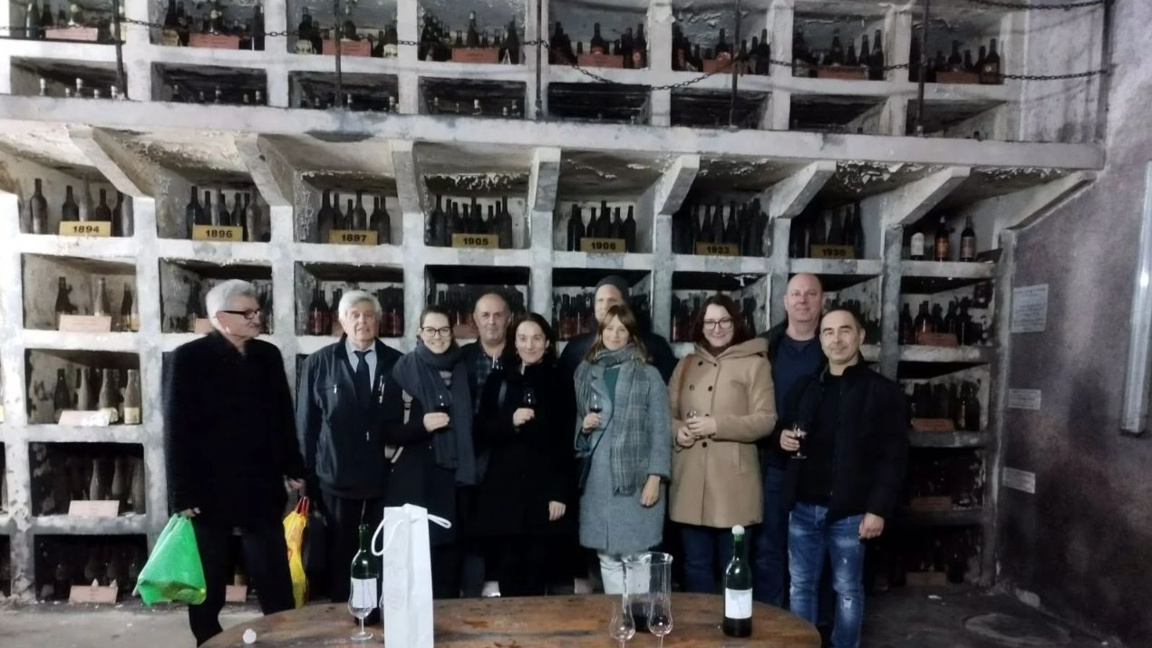
PHOTO Institute of Viticulture and Enology-Pleven
Font size
Would you like to discover how wine was made in the past and learn many more fascinating stories and interesting facts about winemaking? You can do so in Pleven, one of the largest cities in Northern Bulgaria and an important administrative, cultural and economic centre of the region. The city boasts a rich cultural and historical heritage, tourist attractions, and longstanding traditions in viticulture and winemaking.
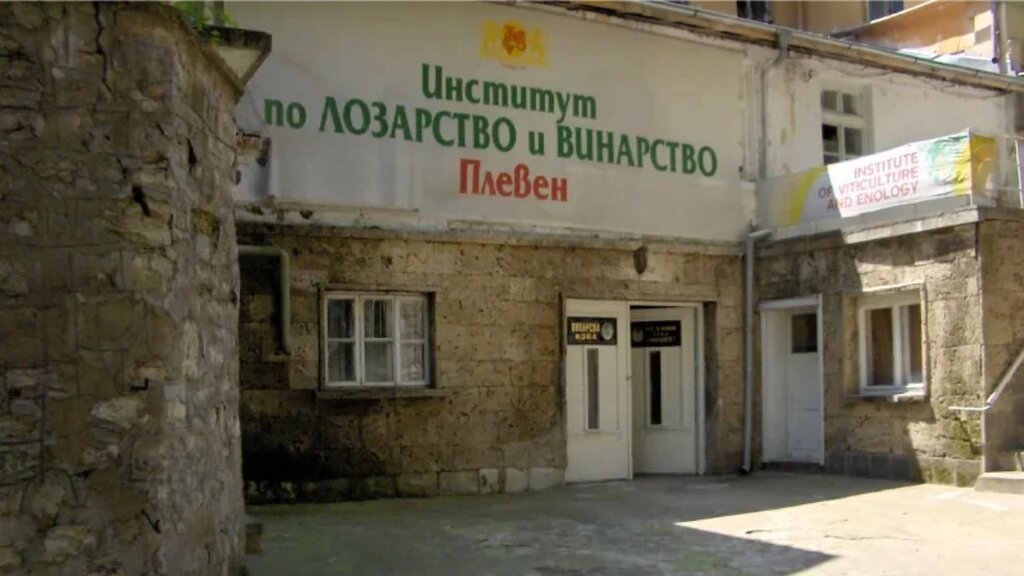
PHOTO Institute of Viticulture and Enology-Pleven
The Institute of Viticulture and Enology in Pleven is the only one of its kind in Bulgaria and the Balkans. Its establishment was linked to addressing a specific problem: in the late 19th century, the phylloxera disease devastated vast areas of vineyards across Europe. This crisis was among the factors that led to the establishment of the State Experimental Station of Vine and Wine in Pleven in 1902. The location was chosen on the recommendation of Professor Pierre Viala, a scientist from the Paris Agricultural Institute, who identified the area around the city as a suitable location for a research station.
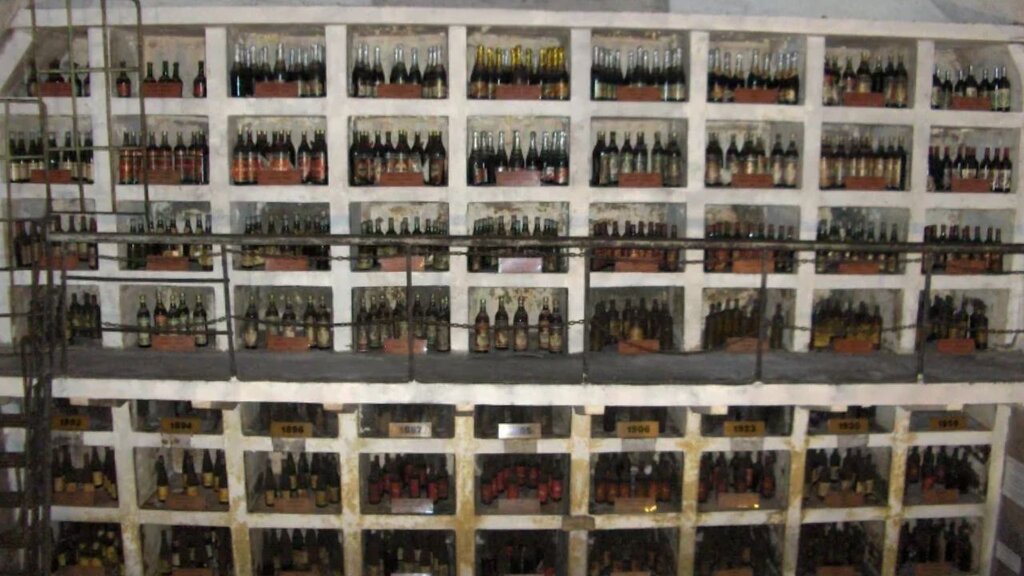
PHOTO Institute of Viticulture and Enology-Pleven
Over the years, scientists at the institute have developed more than 45 new grape varieties, among them the well-known Storgozia, Kaylashki Rubin and Trapezitsa. The institute's genetic collection contains 1,865 cultivated grape varieties. The experimental winery is another valuable asset, boasting one of the oldest wine collections in Bulgaria and the Balkans. This aspect of Pleven's winemaking heritage has now become part of a new tourist experience called “The Magic of Pleven's Winemakers”. It combines history, science, culture and gastronomy to showcase the city in a different, engaging and memorable way.
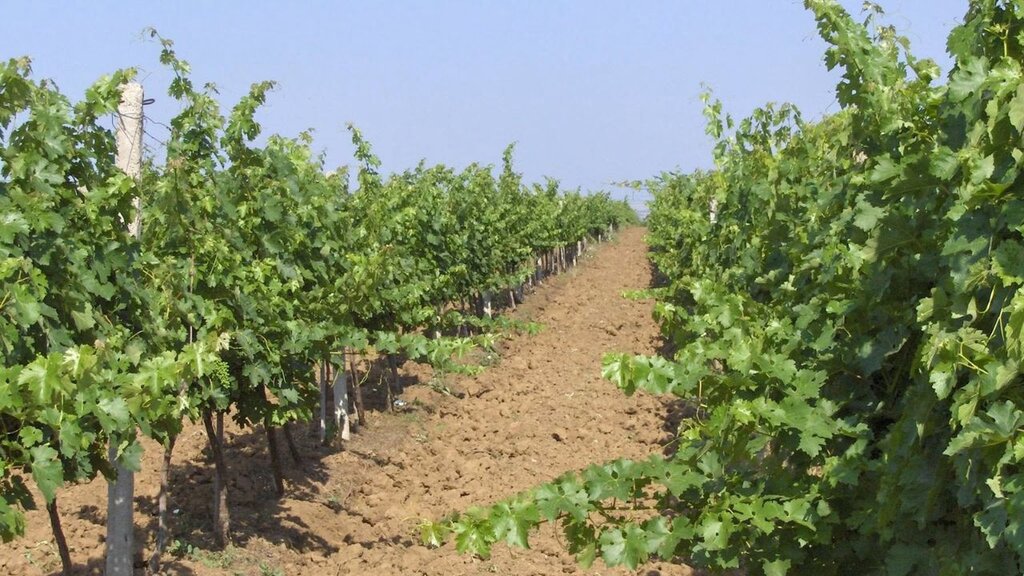
PHOTO Facebook /Institute of Viticulture and Enology-Pleven
The Pleven region has long-standing traditions in viticulture and winemaking, which continue today through modern forms of wine tourism. The area's rich history is also reflected in valuable archaeological finds, including the Valchitran Gold Treasure and the Bohot Silver Hoard, both housed at the Regional Historical Museum-Pleven.
The city is also home to one of Bulgaria's oldest specialised agricultural schools, the Vocational High School of Viticulture and Enology, founded in 1890. Just two years later, a winery built in the French style was opened there- the first of its kind in the country, housing one of Bulgaria's oldest wine collections. Today, the historic building is designated a cultural monument, managed by the Institute of Viticulture and Enology, and included in the new tourist route.
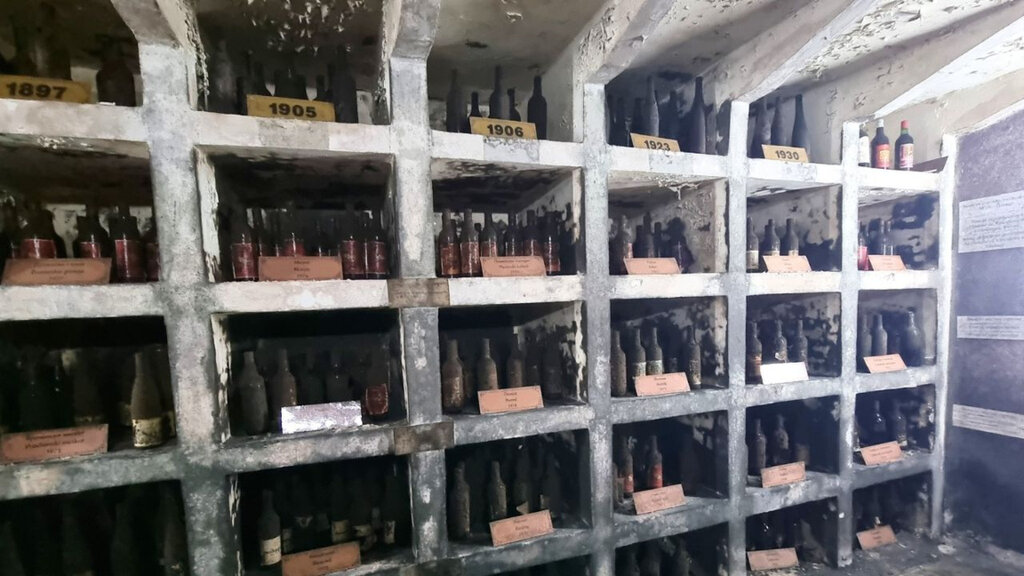
The wine cellar of the Institute of Viticulture and Enology in Pleven
PHOTO BTA
“The winery, located in the grounds of the institute, houses some of the oldest wines on the Balkan Peninsula. Of course, they are no longer drinkable. What makes them valuable is the dust on the bottles and, above all, the chance to see something that was produced 130 years ago”, says Emil Tsvetanov, Director of the Institute of Viticulture and Enology, in an interview for Bulgarian National Radio correspondent Latinka Svetozarova.
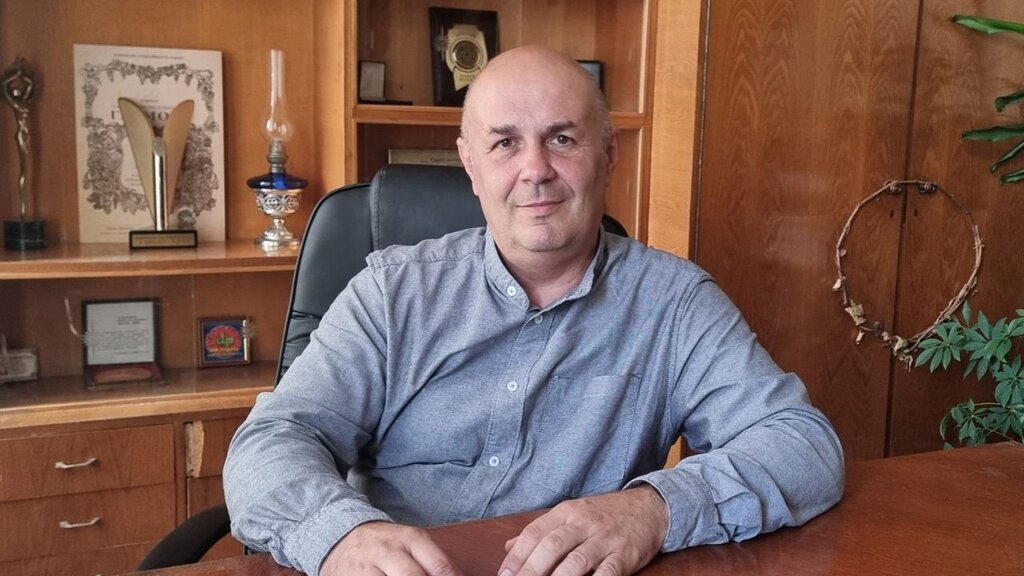
Associate Professor Emil Tsvetanov
PHOTO BTA
The history of the Pleven Institute reveals that in 1960 Bulgaria's first and, to date, only scientifically based zoning of viticulture was carried out, taking into account soil, climatic and social factors. The study was led by Academician Kunyu Stoev, one of the most distinguished Bulgarian scientists in the field. Today, the research centre in Pleven continues to serve as the coordinator and lead institution responsible for carrying out the research programme in viticulture and winemaking. Its activities also include supporting the development and promotion of wine tourism in Bulgaria.
In this context, in 2022 the Institute, together with the Saglasie 1869 Community Centre in Pleven, the Miziya Folklore Ensemble and local wineries, registered “Winemaking - Traditional Production and Consumption in the Pleven Region” on the National Representative List of Intangible Cultural Heritage.
Translated by Kostadin Atanasov
This publication was created by: Kostadin Atanasov