


Author
Irina Nedeva
Article
Georgi Bogdanov: Chaos exists in Bulgara in policies affecting children
Thursday 19 November 2026 12:15
Thursday, 19 November 2026, 12:15
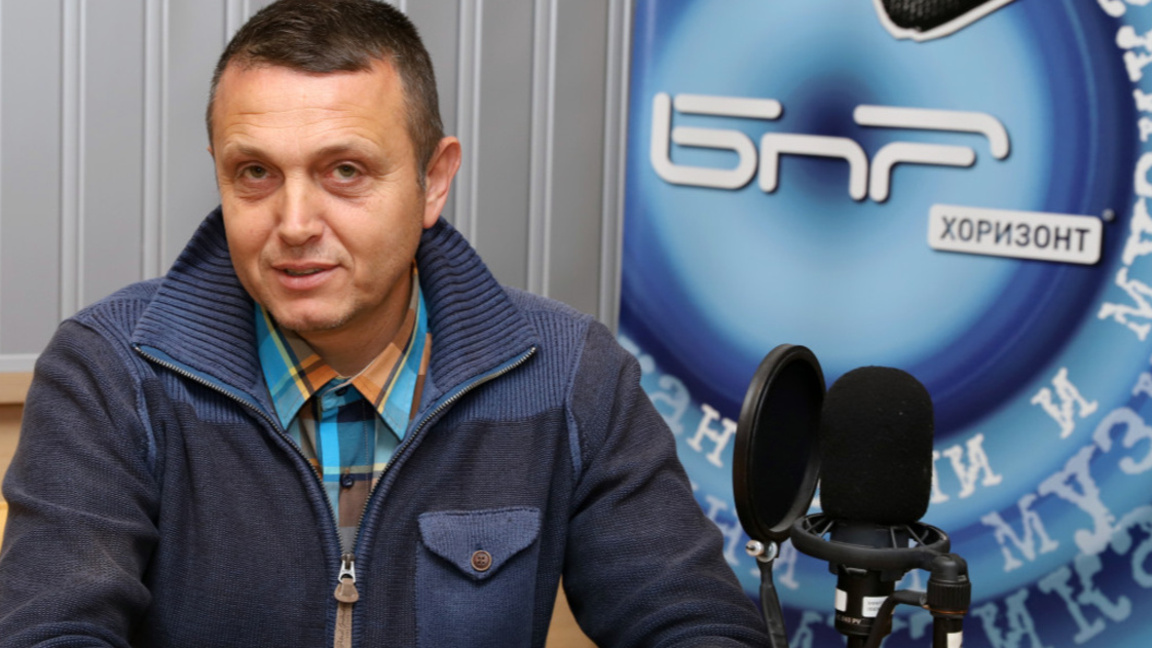
Georgi Bogdanov
PHOTO Ani Petrova, BNR
Font size
What is happening with child-related policies in Bulgaria at a time when the 2027 state budget is under discussion? Does the country have a consistent national vision for childhood, education, healthcare and social support for families?
According to Georgi Bogdanov, Executive Director of the National Network for Children, these areas are in a state of chaos, while the lack of coordination between institutions and the backtracking on achievements already made are causes for serious concern.
“We are witnessing chaos in policies affecting children, in education, healthcare and the social sphere alike. People are worried because, alongside setbacks in certain policy areas, it turns out that the professionals who are supposed to support families and parents in raising their children have, to a large extent, abdicated their responsibilities or are merely going through the motions. Of course, there are people who do their jobs conscientiously. But the reality in our country is that we have no vision for the child, no strategy capable of ensuring that state institutions and ministries work towards a common goal,” he explained, adding that “the setbacks concern not only children's rights, but democracy as a whole.”
This assessment is all the more alarming against the backdrop of the 150-year history of civic initiatives in support of children in Bulgaria, a history in which charity, volunteering and active civic engagement have played a worthy part. It is this legacy that is explored in the travelling exhibition “150 Years of Children's Organisations in Bulgaria: History, Lessons and the Future”.
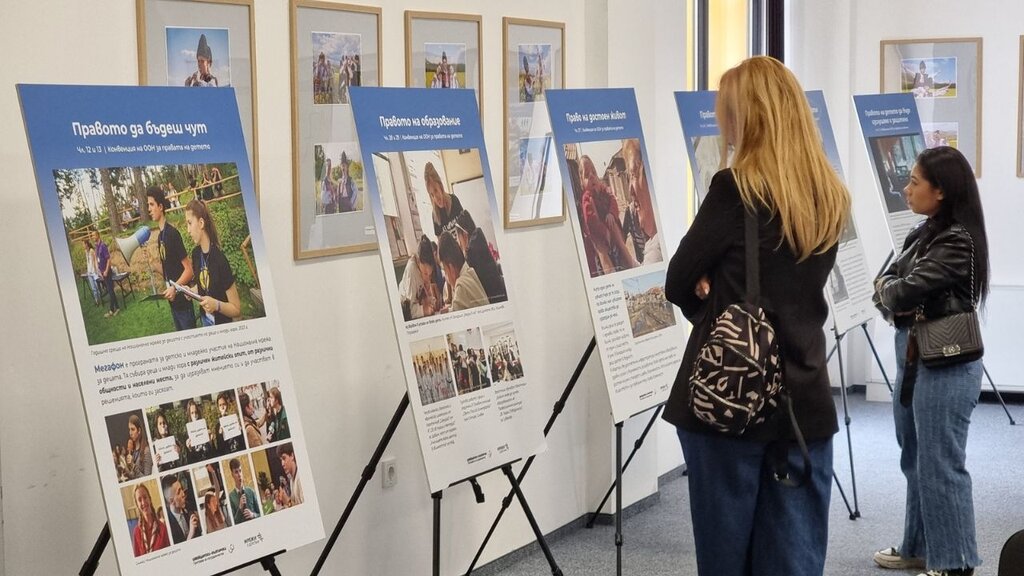
PHOTO BTA
After visiting more than 30 Bulgarian cities, the exhibition has returned to Sofia and is currently on display at the National Assembly. Its 21 panels tell the stories of generations of activists and organisations that have helped transform the lives of children in Bulgaria.
“Even before the Liberation (1878), remarkable things were happening in our country. The first charitable movements were established, and from that period until 1944, people donated their homes, hotels and land to build holiday centres, shelters, children's homes and orphanages. Facilities providing midwifery care and maternity homes were also established. These people gave not only their energy and strength, but also their money, to provide everything children in Bulgaria needed during extremely difficult times: the Russo-Turkish War of Liberation, the Balkan Wars and the First World War. They faced many hardships, yet continued to help refugees and children living in extreme poverty and deprivation,” Georgi Bogdanov recounts in an interview for Irina Nedeva on Bulgarian National Radio's Horizon programme.
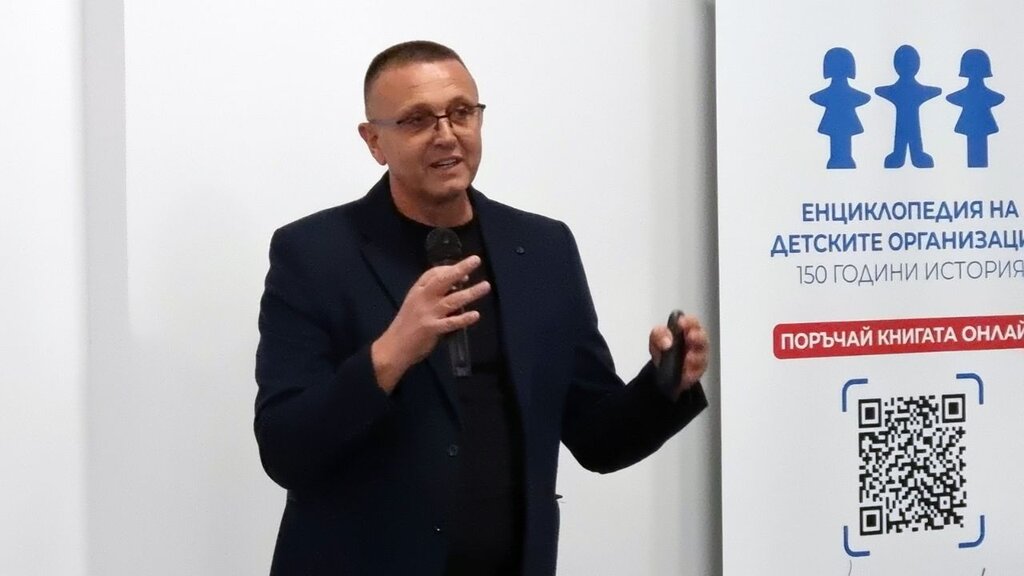
PHOTO BTA
The largest organisation in post-Liberation Bulgaria, operating with state support, was the Union for the Protection of Children in Bulgaria, which brought together some remarkable people.
“Its first chairman was Professor Stefan Vatev, who helped eradicate cholera in our country and was also the founder of Bulgarian paediatrics. Its longest-serving chairwoman was Konstantsa Lyapcheva, wife of Prime Minister Andrey Lyapchev. She was extremely wealthy and bequeathed her entire fortune to the Union. Although she and Mr Lyapchev had no children of their own, she was known as ‘the mother of all children in Bulgaria’,” Georgi Bogdanov recalls.
What changed after 1944, when Bulgaria came under Russia's political influence?
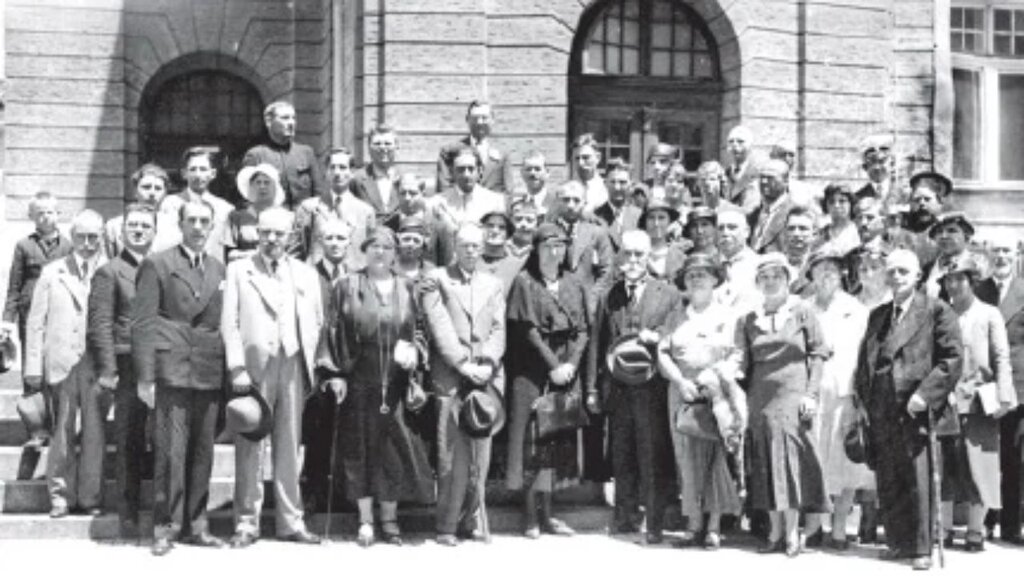
PHOTO daritelite.bg
“The Union for the Protection of Children had more than 1,130 branches throughout the country, 46 day centres, numerous holiday centres and canteens where children were provided with meals. More than 200 charitable societies operated under its umbrella, much as organisations do today under the National Network for Children. There were hundreds of thousands of donor funds. Between 1944 and 1949, when the communist authorities dissolved the Union for the Protection of Children, all its assets were nationalised. It had left behind assets worth more than €120 million in today's money, an enormous sum, in addition to all the houses and properties it owned in towns and cities across Bulgaria.
Of course, after 1944 there was only one organisation left, the Dimitrov Pioneer Organisation, which took responsibility for children under state patronage and control."
The exhibition, which has already been seen by approximately 2,000 people across the country, is accompanied by an encyclopaedia of children's organisations. In it, Georgi Bogdanov traces the development of child-related policies from 1989 to the present day, dividing this period into three main stages.
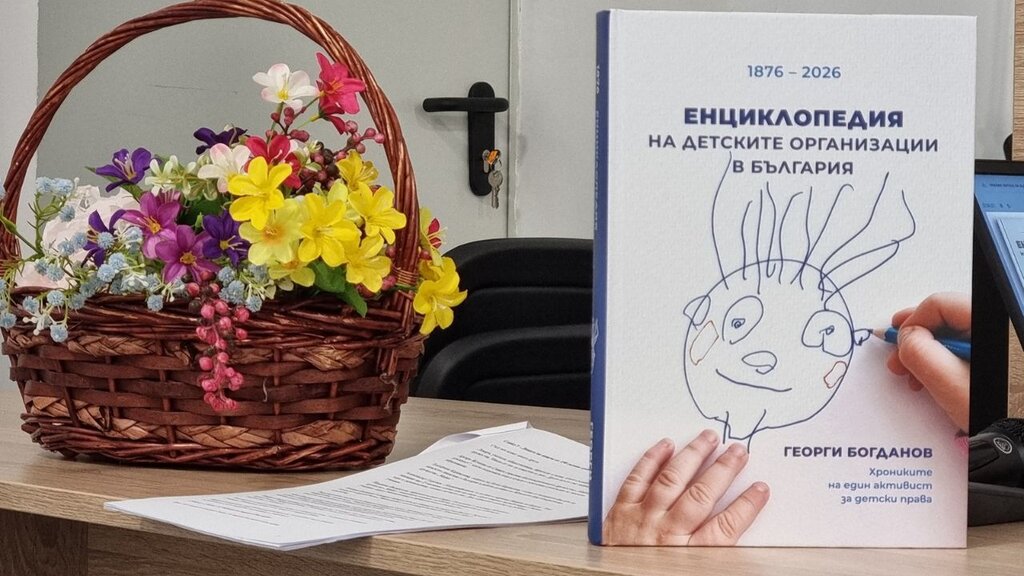
PHOTO BTA
“The first stage was marked by stagnation in policies concerning children. These were difficult years of transition, when independent civil society and children's organisations in Bulgaria were being re-established. There were also numerous economic crises.
The next period, from 2000 to 2020, was one of rapid growth. Many civil society organisations were established, and we became a driving force behind significant changes in child protection. It was during this period that the Child Protection Act was adopted, the State Agency for Child Protection was established, large residential institutions were subsequently closed, and new social services were introduced.
The final stage, which I have unfortunately called ‘Steps Backwards’, runs from 2020 to the present day. It has been a period of growing distrust, disinformation and attacks against civil society organisations and advocates of children's rights. The developments we are witnessing today, including proposals for foreign agents legislation, the fact that we are now entering our seventh consecutive year without a National Strategy for the Child to ensure that institutions pursue a common policy on children's issues, and the fact that, for the first time this year, the word ‘children’ was removed from the names of the parliamentary committees dealing with children's affairs, all point to a huge problem. They show that we are taking steps backwards when it comes to our children. We still have an outdated law dating back more than 70 years, which is no longer fit for purpose.
The most important question we should be asking ourselves today is this: if we honour the donors, volunteers and civil society organisations that did so much for children over the past 150 years, why do we view their successors today with suspicion? These are people who continue to devote enormous energy to ensuring that children can live happy lives, become active members of society and enjoy a happy childhood in Bulgaria.”
Interview: Irina Nedeva, BNR Horizon
Editor: Vida Pironkova
Managing Editor: E. Karkalanova