


Author
Yoan Kolev
News
Bulgaria’s draft 2027 budget has merits, but shies away from major reforms
Thursday 19 November 2026 13:54
Thursday, 19 November 2026, 13:54
PHOTO AI generated
Font size
Late budgets are becoming a chronic problem in Bulgaria. In four of the past five years, parliament has approved the state budget only after the year it covers had begun. This time, however, the country may enter 2027 with a budget in place. The governing Progressive Bulgaria party’s draft is already before parliament and has been discussed by its budget committee.
Prime Minister Rumen Radev says the proposal seeks a difficult balance between competing goals: reining in rapidly rising spending that drives up the deficit, while raising incomes and strengthening social support.
“The budget sets out a vision for the country’s development. It sets goals, priorities and policies. We have one clear aim: for Bulgarians to live better and more securely. To achieve that through the 2027 budget, we must solve complex equations and strike difficult balances. We need to reduce the excessive deficit and cut spending while protecting incomes and social support. We must bring down and pay off huge financial obligations while still investing where we can give the economy the quickest boost. Beyond the figures, the direction matters enormously to us: where we started, where we are now, and where we want to go and how we intend to get there.”
Radev was speaking at the University of National and World Economy, where he presented the draft budget a few days ago.
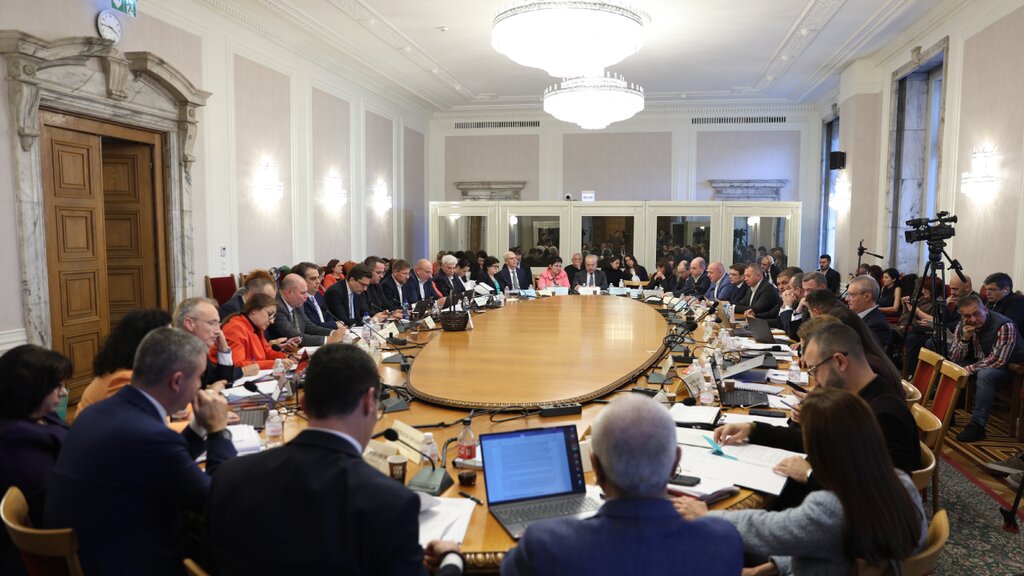
PHOTO BTA
The main figures
The draft forecasts economic growth of 2.5% in 2027 and 2.4% in both 2028 and 2029. Inflation is expected to reach 4% in 2027, before slowing to 2.6% in 2028 and 2.4% in 2029.
Government debt is projected to rise to €44.3 billion, or 31.4% of GDP, in 2027; €50.7 billion, or 33.6%, in 2028; and €56.7 billion, or 35.5%, in 2029.
The government says tax policy over the next two years will support economic growth, improve the business environment and continue efforts to tackle tax abuse. Priorities include improving revenue collection, preventing the evasion and non-payment of taxes and social security contributions, and reducing administrative burdens and costs for businesses and individuals.
The minimum monthly income on which self-employed people pay social security contributions would rise to €660 from 1 January 2027, €680 in 2028 and €710 in 2029.
Simeon Dyankov
PHOTO BTA archive
The budget moves forward, and criticism grow
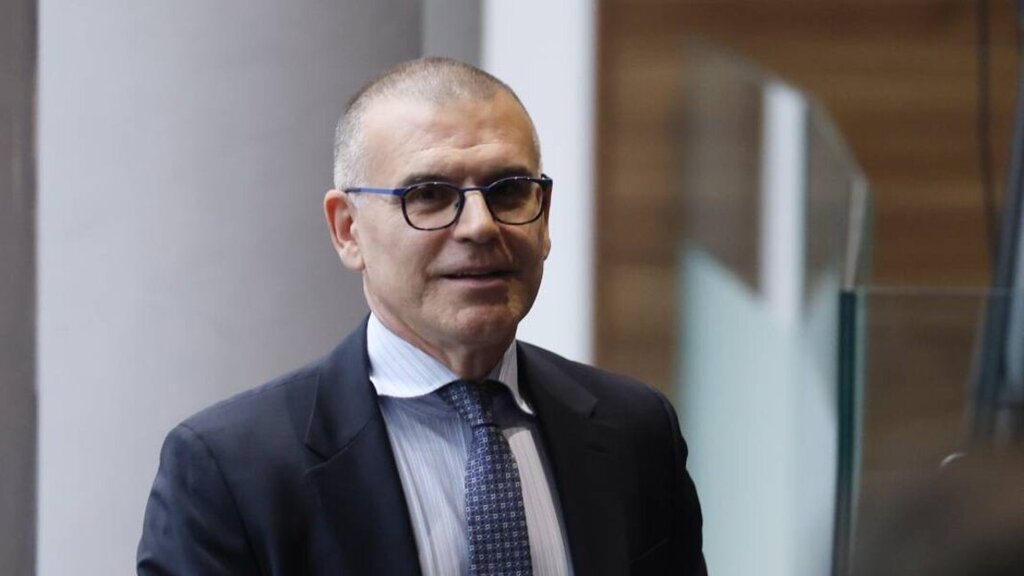
Economist and former finance minister Simeon Dyankov calls the proposal the first honest budget in a long time. Yet he sees a familiar weakness: spending remains unreformed, while the government relies on temporary sources of revenue, such as windfall taxes on banks and retail chains. Without lasting measures, he argues, those taxes will have to be extended. He also calls for cuts to the central administration.
There are steps in the right direction, Dyankov says: efforts to rein in healthcare spending; requiring civil servants outside the Interior Ministry to pay their own social security contributions; and more balanced schemes to help businesses meet high electricity costs, without subsidising profitable giants.
Adopting the budget before the end of 2026 would also allow public bodies to plan their spending for the year ahead with greater certainty.
The draft has met with public opposition, too. Mothers of children with special needs were the first to protest, challenging proposed amendments to the Personal Assistance Act. They feared the changes would curtail their employment and social rights and make funding for personal assistance less secure. The government backed down and withdrew the proposals, saying they needed broad public consultation.
Diana Andreeva
PHOTO BNR
Those working in culture followed with a protest under the slogan “Democracy Is Dialogue”. They objected to the proposed state subsidy for chitalishta, Bulgaria’s community cultural centres, and said the sector’s allocation of just over €307 million was insufficient, despite Culture Minister Evtim Miloshev describing it as the largest budget in his ministry’s history.
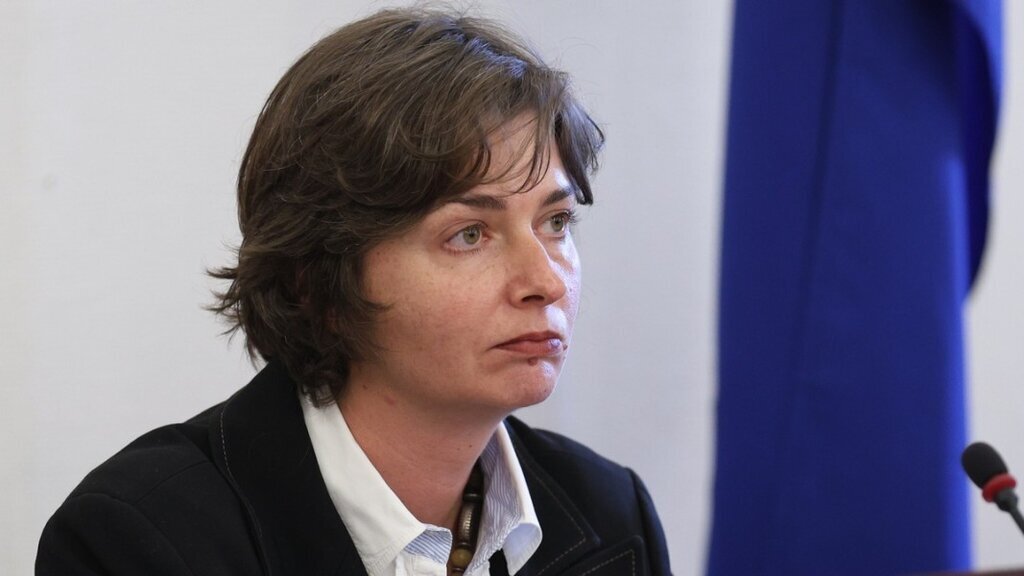
“That is because GDP is growing,” Diana Andreeva of the Observatory of Cultural Economics told BNR. She drew attention to the persistent underfunding of cultural activities run by municipalities.
“Municipalities are not receiving the funding they need, or even an increase in line with the 5% planned for the public sector. We should remember that they are responsible for some of our most important cultural institutions, with the widest reach: community cultural centres, museums, galleries and libraries. These have been chronically underfunded for years. This year is particularly difficult, with funding falling below the levels required to meet staffing standards.”
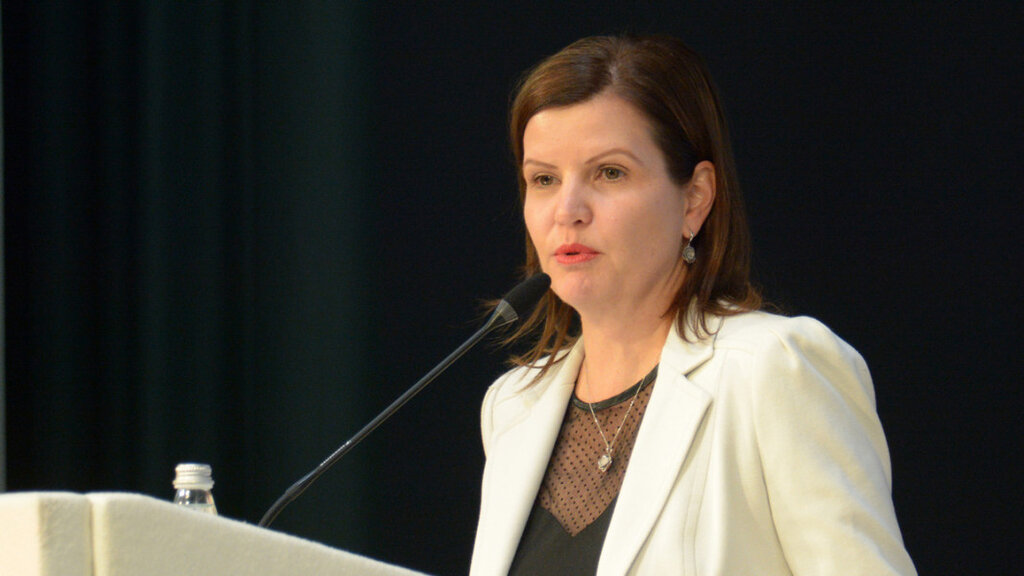
Silvia Georgieva
PHOTO BTA
The cultural community’s concerns go beyond individual budget allocations. Its main demands include raising public spending on culture to 0.66% of GDP, better pay, adequate funding for community cultural centres and municipal cultural institutions, and greater support for independent artists and cultural organisations.
Under the draft budget, some key transfers to municipalities would fall or remain frozen despite rising labour and energy costs:
- The overall equalisation subsidy would remain at its 2026 level, but 100 municipalities would receive less.
- Targeted grants for capital spending would be lower for 117 municipalities than in 2026.
- Winter maintenance funding would remain unchanged. It has not been adjusted since 2020.
Silvia Georgieva, executive director of the National Association of Municipalities, warned that, to maintain the same level of public services next year, municipalities would have to review the fees they charge or halve the staff providing those services.
The government calls it the most socially supportive budget in Bulgaria’s history. The opposition calls it the worst since Zhan Videnov’s government, which left office in 1997 amid a devastating economic crisis.
Political scientist Milen Zhelev told BNR that neither description was accurate.

Milen Zhelev
PHOTO Silvia Velikova
“Progressive Bulgaria is a left-wing party adopting right-wing economic measures, though they are not all that right-wing. On officials’ spreadsheets, some allocations for culture or social programmes may well have gone up, but that does not make this a particularly left-wing budget. There is no change to the tax system. There are no reforms. If the planned cuts to the state administration, particularly within the Interior Ministry, actually happen, that would be a welcome step. I mean more than cutting posts held by employees who have already retired: a modest reduction in the state administration as a whole. That is something Bulgaria’s right-wing opposition has long advocated.”
Bulgarians are tired of elections and are giving the government more leeway. With an outright parliamentary majority, the governing party could use that opportunity to undertake more substantial reforms across a range of sectors.
Presenting the budget, Radev said the country was set to attract major foreign investment that would transform its economy. Former deputy finance minister Georgi Kadiev, however, questioned Bulgaria’s appeal to foreign investors. The country currently relies on low taxes and euro area membership, he said, but those alone are not enough.
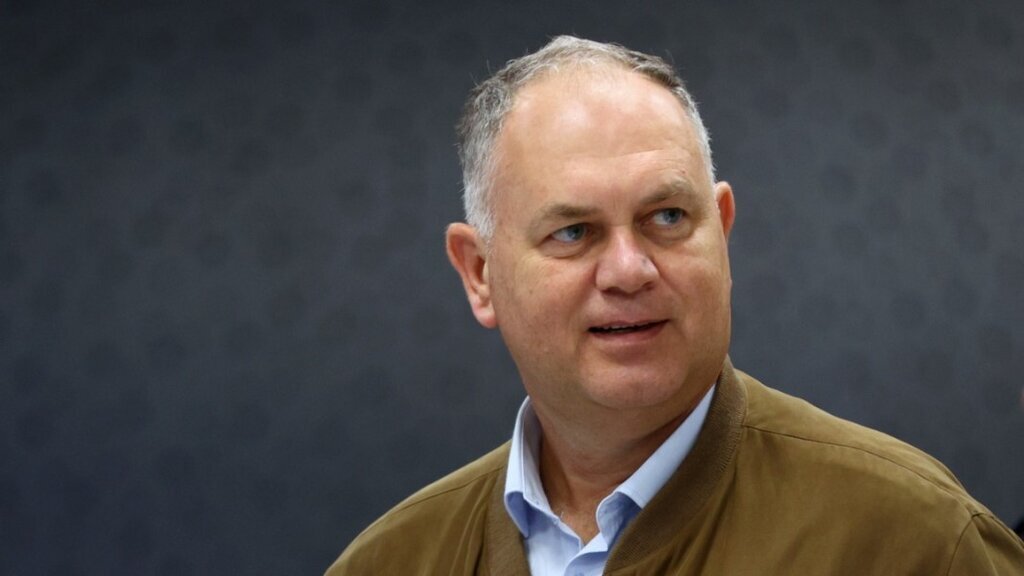
Georgi Kadiev
PHOTO BTA
“It is good that the state has taken on the big retail chains, because some of their practices are unacceptable, including all sorts of pressure on producers,” he told BNR, referring to the heavy fines imposed on one chain by the Commission on Protection of Competition. “But that is not enough. So Kaufland has been fined. Will that bring prices down? No, it will not. We need investors who will revive production. They are the ones who will drive economic growth, rather than the retail chains.”
All opposition parties have criticised the draft. So far, only GERB has set out the amendments it intends to propose between the two parliamentary readings.
The party wants to scrap the windfall tax, arguing that there are no exceptional circumstances to justify it. It also opposes higher property tax valuations and the requirement for individuals selling new property or transferring building rights on a regulated plot to register for VAT. GERB is also calling for the proposed 7% tax on meal vouchers to be dropped.
What other amendments will be proposed, and how much the budget will change before it is adopted, remains to be seen.
Supervising editor: Elena Karkalanova
This publication was created by: Elizabeth Radkova