Author
Tsvetana Toncheva
News
Highlights of Bulgarian musical culture
“Zableyalo mi agantse”: the folk song that melts every heart
Friday 5 December 2025 11:05
Friday, 5 December 2025, 11:05
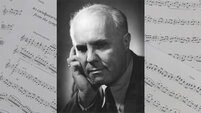
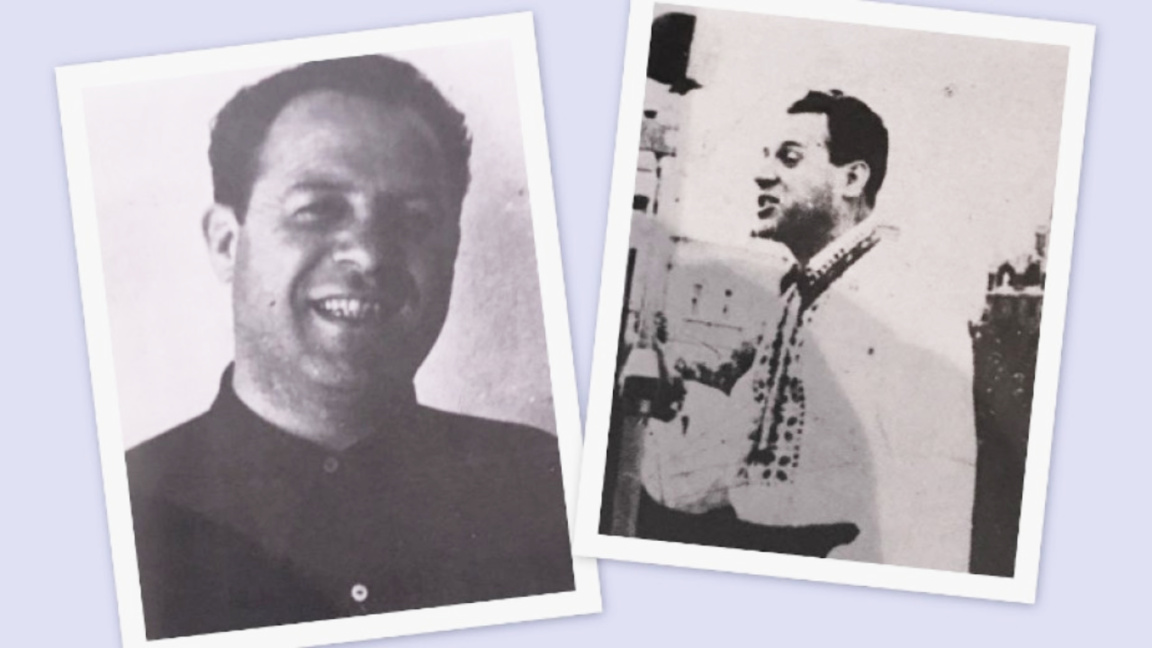
Boris Mashalov
PHOTO BNR Archive
Font size
Boris Mashalov (1914–1962) was one of Bulgaria’s most cherished and widely acclaimed folk singers, a towering figure in the country’s northern folk tradition.
A master of the region’s expansive slow songs — distinguished by their wide melodic range and rich ornamentation — Mashalov left behind a legacy of more than 400 recordings.
His most beloved performances include 'Myatalo Lenche Yabalka', 'Nedo Le Nedke Hubava', 'Vino Piyat Petdeset Yunaka' and 'Kitka Ti Padna Deno'. However, none of these travelled as far or touched as many listeners as his haunting interpretation of 'Zableyalo Mi Agantse' ('A Lamb Began to Bleat').
Mashalov was an exceptional performer and an indefatigable collector of folk treasures. He spent years travelling across Bulgaria in search of new songs. He later recounted that he had learned 'Zableyalo Mi Agantse' by chance during one of his journeys through the north of the country. According to his brother, Serafim, shortly before a concert in a village, Mashalov met a travelling Roma singer accompanied by a performing bear. The singer promised to perform a song so moving that it would bring tears to the eyes of even the mightiest beast. Unprejudiced, Mashalov asked him to repeat it several times. That very evening, when the singer performed the song for the first time, the entire audience was in tears — a reaction that the song has evoked ever since.
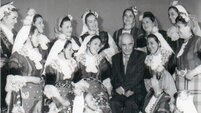
Mashalov’s voice was first heard on Bulgarian National Radio (then Radio Sofia) in 1937. At the time, he was working as a house painter, yet he immediately became a favourite among listeners. From that moment on, he never stopped singing.
In 1954, he toured Russia and China. For a concert at a vast stadium in Beijing, he learnt his greatest hit, 'Zableyalo Mi Agantse', in Chinese for the audience. When he sang the Bulgarian folk song in the audience’s native language to an audience of 50,000, the entire stadium rose to its feet in a rapturous ovation.
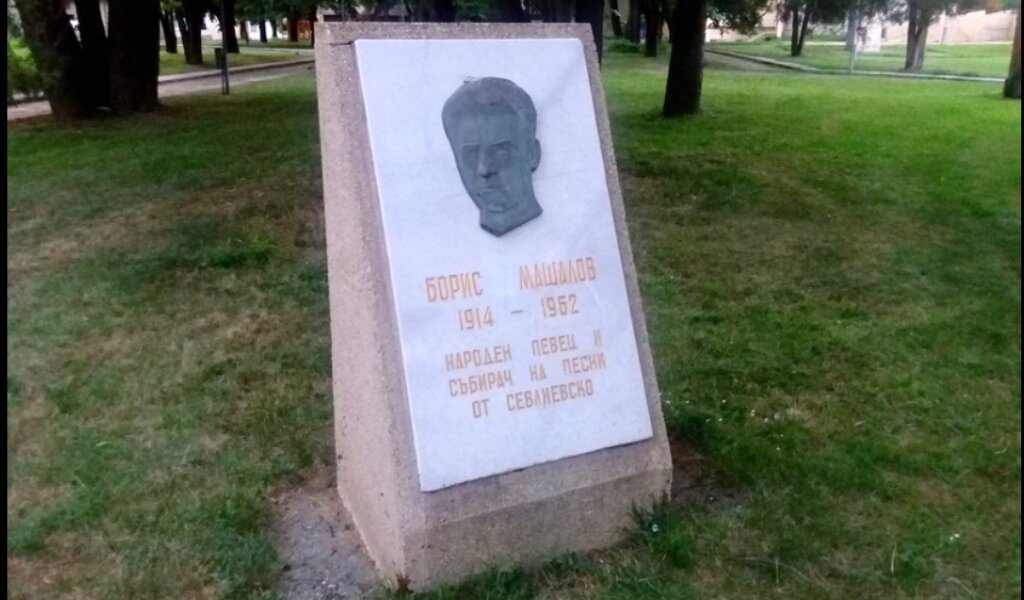
PHOTO opoznai.bg
Devoted and tireless, Mashalov rarely refused a request from his audiences. His voice was so powerful that he never needed a microphone. In his final years, when he was suffering from a chronic illness, he often struggled to reach the stage, yet he continued to tour instead of resting. His final concerts were in Madan and Rudozem. During the final performance of his life, he began his second song and collapsed before he could finish it. Three weeks later, on 14 July 1962, he died at the age of just 48. His outstanding recordings live on, as does the unforgettable Zableyalo Mi Agantse, a song that can melt even the coldest heart.
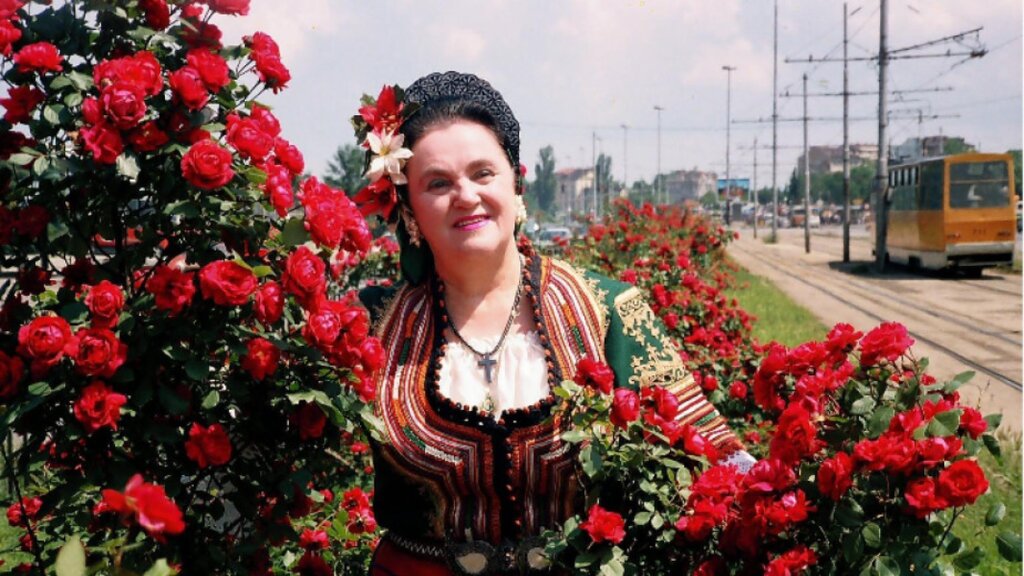
Nadka Karadzhova
PHOTO panagyurishte.org
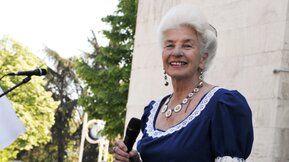
Decades after Mashalov, Zableyalo Mi Agantse brought international recognition to another Bulgarian star: the legendary Nadka Karadzhova. Her version is far shorter than Mashalov's and simplifies the narrative. The protagonist's name is changed from Todor to Stoyan, and the focus is solely on the disappearance of the lamb's mother. The darker tale of the master who sells the faithful ewe Rogusha — and later regrets it — is absent.
In 1979, Karadzhova’s recording was broadcast on a BBC radio programme for three months. Just a few years earlier, in 1975, the world saw the first album in the now iconic series Le Mystère des Voix Bulgares, featuring some of the finest choral arrangements by the distinguished Bulgarian composer Krasimir Kyurkchiyski. Among the masterpieces on that debut release are 'Pilentse Pee', 'Kalimanku, Denku', 'Izpoved', 'Mesetchinko, Lyo' — and a glorious rendition of 'Zableyalo Mi Agantse' sung by Kalinka Valcheva.
Editor: Elena Karkalanova
Posted in English by E. Radkova
This publication was created by: Elizabeth Radkova