Author
Tsvetana Toncheva
News
Conductor Vladimir Boshnakov focuses on young musicians and Bulgarian classics
The new director of the Stara Zagora Opera is a well-intentioned optimist and intelligent realist with ambitious plans
Tuesday 16 December 2025 10:50
Tuesday, 16 December 2025, 10:50
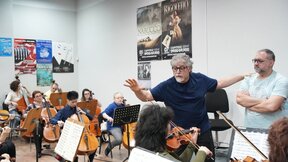
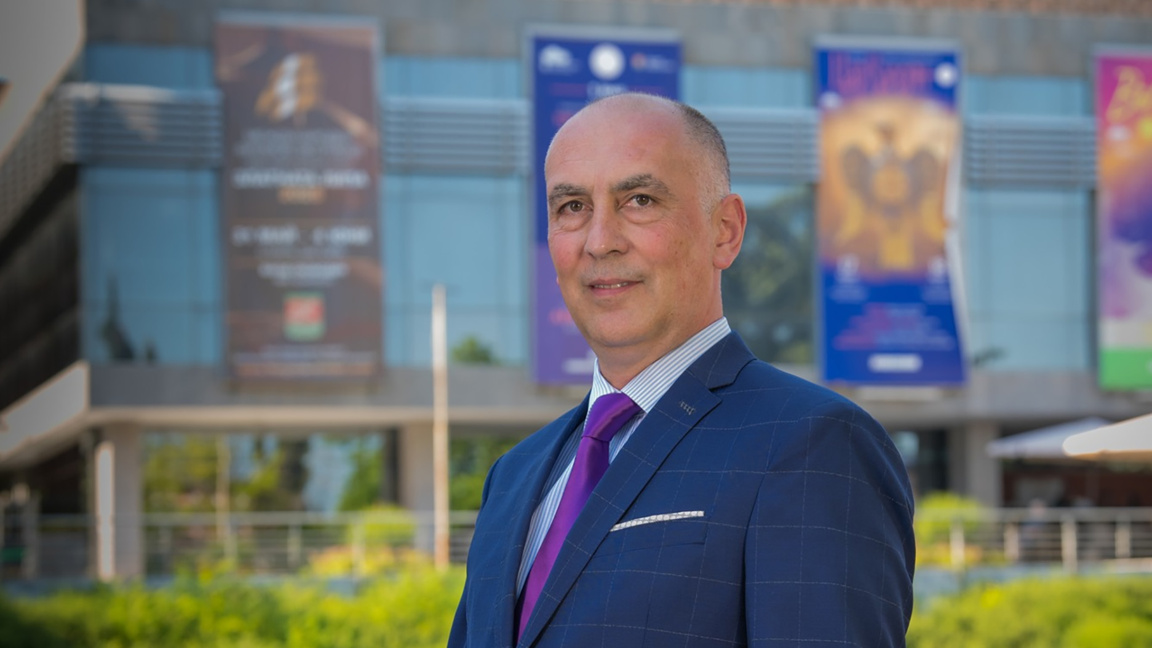
Conductor Vladimir Boshnakov
PHOTO operasz.bg
Font size
As of September 9, 2025, the acting director of Bulgaria’s first opera house outside the capital - the State Opera of Stara Zagora - is conductor Vladimir Boshnakov. Born in Pleven into a family of hereditary musicians, he graduated in 1990 from the Music School in his hometown. Five years later, he earned a master’s degree in choral conducting and clarinet at the National Academy of Music “Prof. Pancho Vladigerov”, and later specialized in orchestral conducting under the renowned Professor Vasil Kazandzhiev.
Boshnakov began his career as a teacher and orchestral musician in Pleven. In 2002 he was invited to teach score reading and conducting at St. Cyril and St. Methodius University of Veliko Tarnovo, and in 2005 he became chief conductor of the Konstantin Kisimov Music and Drama Theatre in Veliko Tarnovo. In Bulgaria’s medieval capital he also led the municipal brass orchestra, known as Big Band Veliko Tarnovo. In 2011 and 2012 he conducted the Pleven Philharmonic; from 2012 he worked at the Ruse State Opera, and since 2017 he has been part of the opera theatre in Stara Zagora.
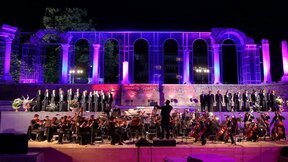
We spoke to the new director of the Stara Zagora Opera a day after the opening of the 55th anniversary edition of the unique Festival of Opera and Ballet Art, which this year began with the triumphant premiere of Umberto Giordano’s opera Andrea Chénier - a production that became a source of pride not only for the theatre’s company but for the entire cultural community of Stara Zagora.
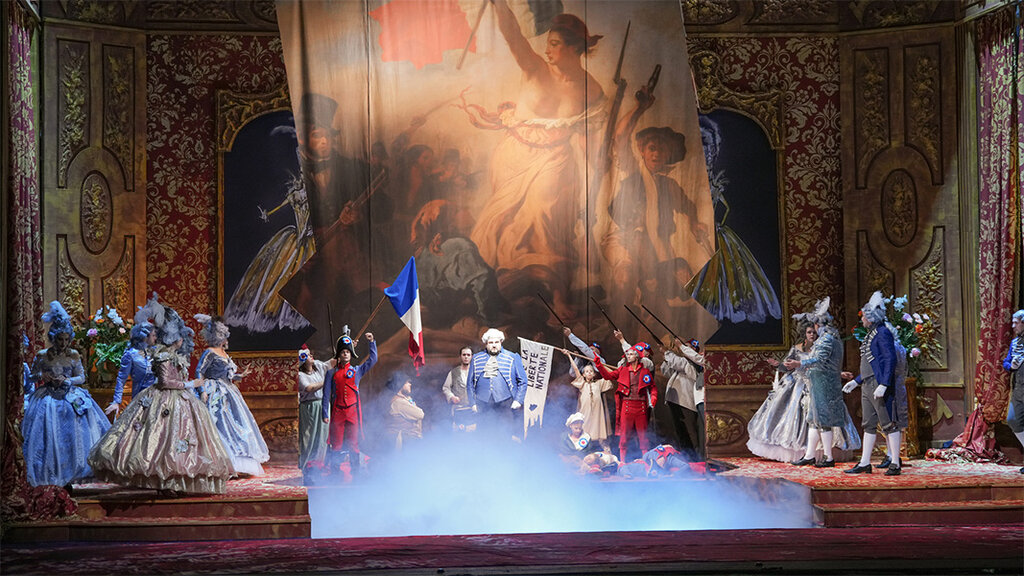
PHOTO Facebook/StateOperaStaraZagora
“I came to Stara Zagora with my whole family seven and a half years ago,” the new opera director says. “For almost the entire term of Ognyan Draganov (the previous director - ed. note), I have been part of the team. I have witnessed the rapid development of the Stara Zagora Opera. Over the years, Draganov managed to implement many changes and to enrich the ensembles. The ballet troupe now has 54 members. The orchestra and the choir are fully staffed. Building on this foundation, he succeeded in producing serious works - perhaps the jewel in the crown being the premiere of Andrea Chénier. As you know, this is a work that Bulgarian opera houses very rarely attempt to stage. I believe the Stara Zagora Opera has now reached a level where it can cope with such a truly complex and subtly nuanced title.”
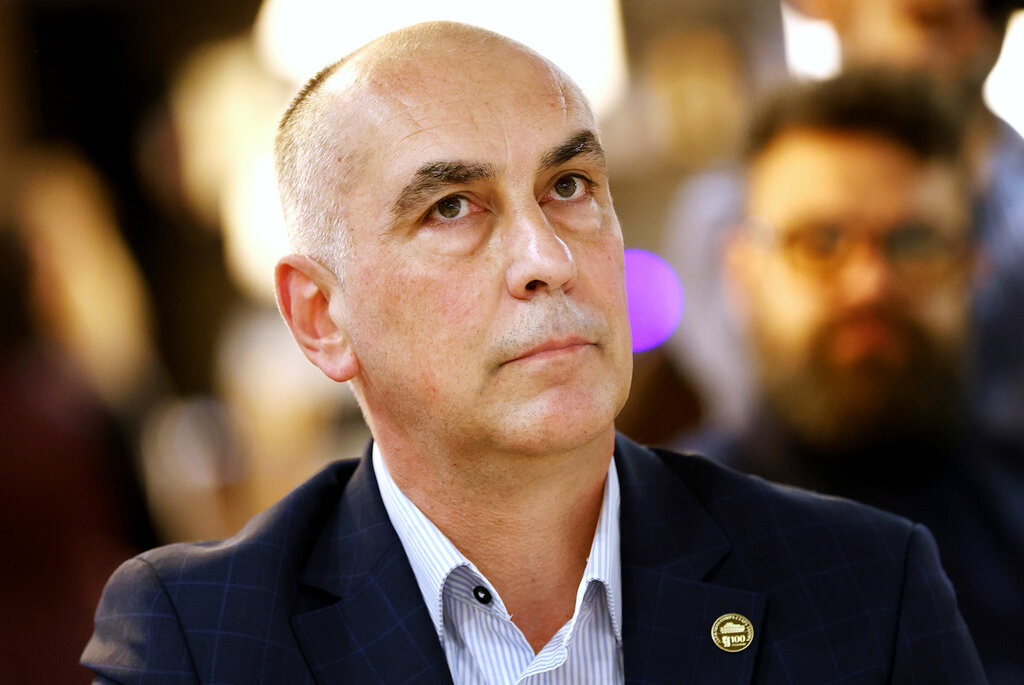
Vladimir Boshnakov
PHOTO BTA
According to the conductor, the Festival of Opera and Ballet Art in Stara Zagora has always been a barometer of the level of Bulgarian opera theatres. Boshnakov himself has been the artistic director of the “Stage of the Ages” festival in Veliko Tarnovo for ten years, giving him extensive experience and insight into the development of cultural institutions.
He intends to preserve the traditions of the Stara Zagora festival - a selection of the newest productions by opera theatres and interesting symphonic concerts - but believes the program can be enriched with performances by youth ensembles as well. In the coming months, the director plans to contact European opera houses to discuss the financial possibilities for guest appearances in Stara Zagora.
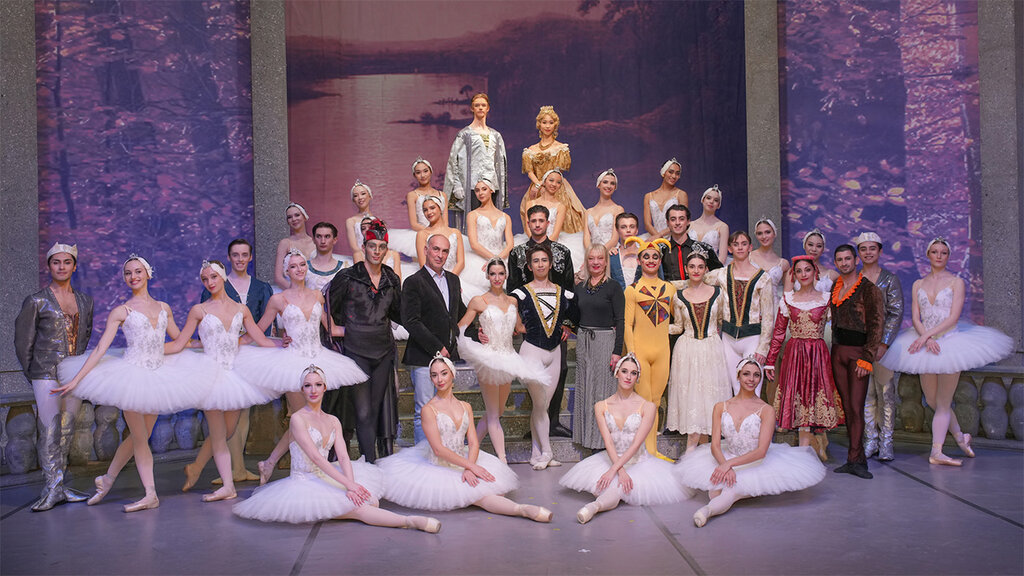
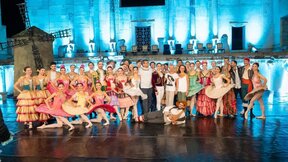
Vladimir Boshnakov with the ballet troupe of the Stara Zagora Opera
PHOTO Facebook/StateOperaStaraZagora
At present, the renowned ballet company of the Stara Zagora Opera is on a 45-day tour in the Netherlands and Germany. Talks are also underway with impresarios regarding a possible guest performance of an opera production from the repertoire on a European stage.
In his work as director, Vladimir Boshnakov relies first and foremost on his team - people with whom “we move forward together, think alike, and look in the same direction.” He also hopes to benefit from the advice and support of Ognian Draganov, both as an experienced manager and as an outstanding opera director. Above all, he is confident in the theatre’s well-established ensembles - the orchestra, choir, ballet group, soloists, and technical staff.
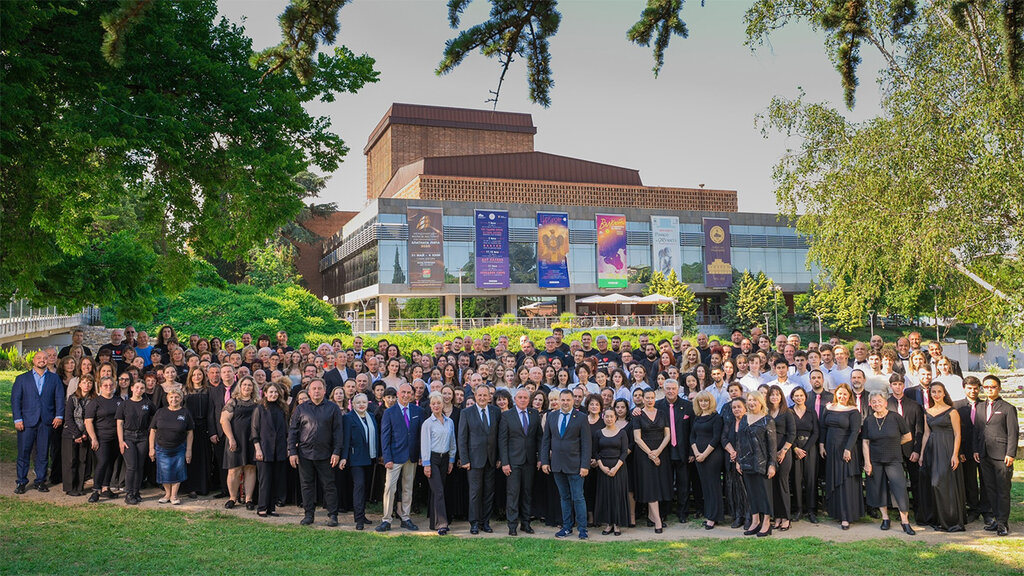
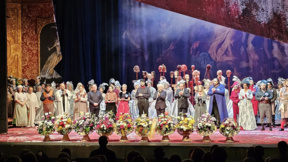
The team of the Stara Zagora State Opera
PHOTO Facebook/StateOperaStaraZagora
In his work as director, Vladimir Boshnakov relies first and foremost on his team - people with whom he “walks together, thinks together, and looks in the same direction.” He also hopes for the advice and support of Ognyan Draganov, both as an experienced director and as an outstanding opera director.
“At the moment, the financial situation does not allow for very large expenditures, so I will limit new premieres and focus on the repertoire that is already available at the State Opera of Stara Zagora.”
Nevertheless, Vladimir Boshnakov is planning a premiere of Adolphe Adam’s ballet Le Corsaire and Parashkev Hadjiev’s opera The Madcap (Lud Gidiya). The latter is a particularly welcome idea, as Bulgarian operas have been appearing on stage very rarely in recent years - indeed, Bulgarian classical music in general is seldom heard in Bulgaria.
“Fortunately, over the years I have had the opportunity to work professionally as a conductor with Parashkev Hadjiev,” Boshnakov shares. “I have conducted his operas Maria-Desislava and The Year 893. Now I am opening the door to The Madcap as well - a title that quickly attracts audiences. You know that since last year the repertoire of the State Opera of Stara Zagora also includes Pancho Vladigerov’s opera Tsar Kaloyan, so we can say that we are opening the door to our own Bulgarian operatic classics.”
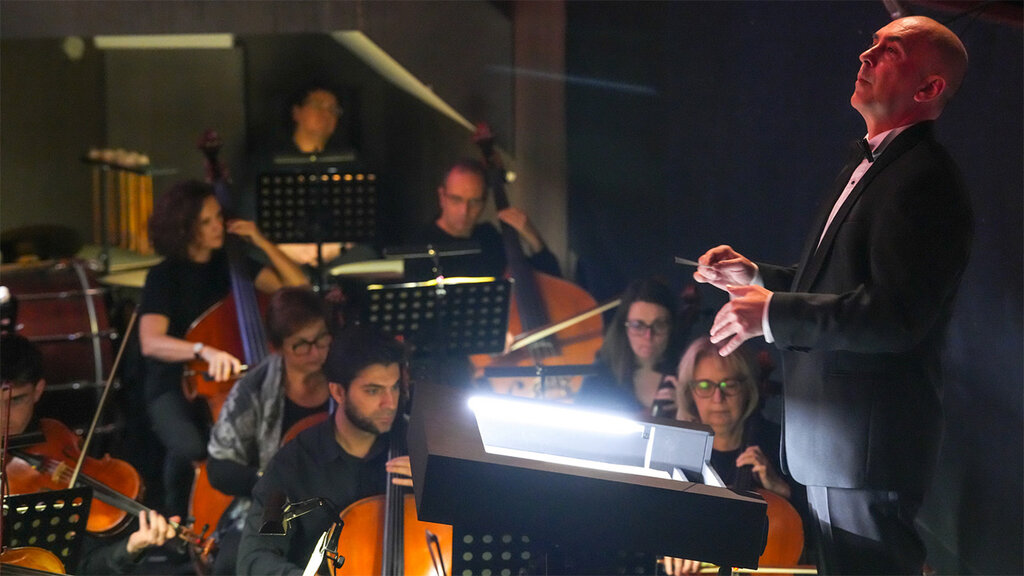
PHOTO Facebook/StateOperaStaraZagora
Still, the theatre’s funds are limited:
“You know that across the country there are attempts to make savings in all areas. Unfortunately, such cuts are being made in culture and perhaps in education as well, and the whole nation suffers from this. In my opinion, the main focus should be on education, and from education everything should flow toward culture and the arts. It is one thing for the body to be ill - it can be healed. But when the soul becomes ill, irreversible processes begin.”
Vladimir Boshnakov also speaks from the perspective of a teacher; he is an assistant professor at the National Academy of Music:
“As a teacher, I observe what is happening at the Music Academy as well. In the past, I have also taught at a music school. The system was changed, and this led to a lack of properly oriented education - one that should lead from music school, through the academy, to our orchestras, choirs, and solo ensembles. We are suffering from this now and are forced to bring in artists from abroad: orchestral musicians, soloists, dancers. This is the case in our ballet, in our orchestra - and not only in Stara Zagora. In a large part of Bulgarian orchestras there are foreign musicians, especially from the Russian, Ukrainian, and Romanian schools - their educational systems are on an entirely different level. Perhaps, in addition to musicians, we should also import know-how: how they achieve this, how they train the musicians who now fill our orchestras.”
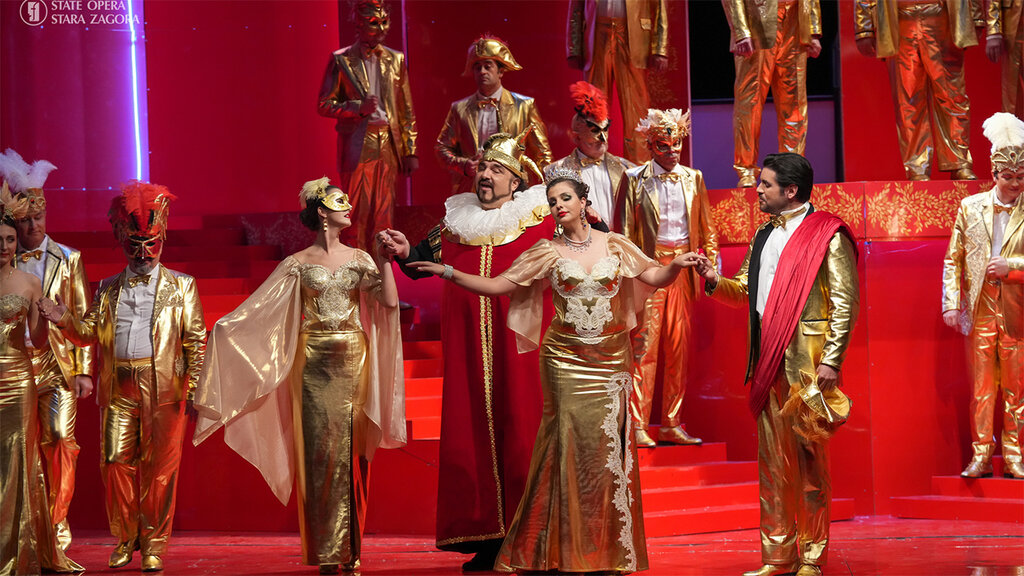
PHOTO Facebook/StateOperaStaraZagora
As collaborators of the Stara Zagora Opera, the director plans to invite conductors from his own generation. First among them he mentions Grigor Palikarov, Pavel Baleff, Rosen Gergov, and Dian Tchobanov, as well as Nayden Todorov. Slavil Dimitrov will be a guest in Stara Zagora very soon with a Christmas concert.
On December 17, in Hall 1 of the National Palace of Culture, the Stara Zagora Opera will present for the first time in Sofia its impressive production of Giuseppe Verdi’s Rigoletto. The performance will officially open the 39th edition of the traditional New Year’s Music Festival, organized and hosted by the National Palace of Culture.
Read also:
- Sylvia Tomova – Leading Stara Zagora State Opera’s multinational ballet company
- Unique opera and ballet festivities in Stara Zagora to start on November 21
- Pavel Baleff – the world-renowned conductor of Bulgarian premieres
Edited by Elena Karkalanova
English version: R. Petkova
This publication was created by: Rositsa Petkova