


Author
Elena Karkalanova
News
Bulgarian citizens in Turkey call for greater political engagement
The expat organisations Bal-Göç and Bultürk are warning that restrictions on the number of polling stations to just 20 will directly affect voters
Wednesday 4 February 2026 08:15
Wednesday, 4 February 2026, 08:15
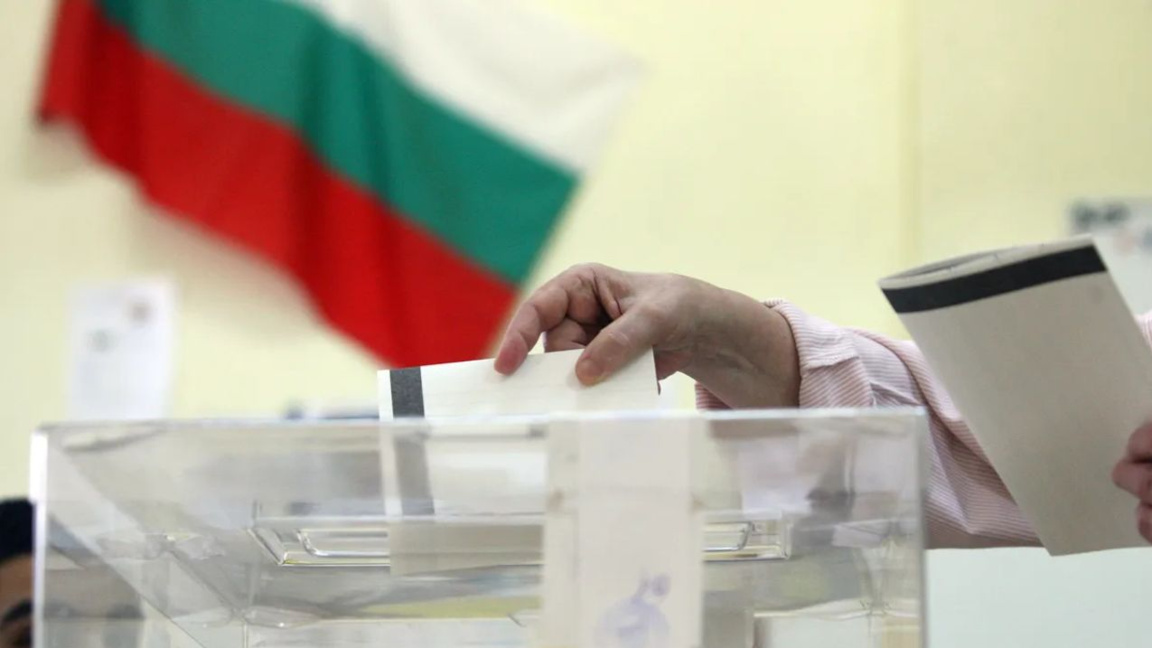
PHOTO BGNES
Font size
The restriction on the number of polling stations in non-EU countries has emerged as the most significant change to the Electoral Code. This will directly impact the ability of hundreds of Bulgarian citizens to exercise their right to vote in the upcoming snap parliamentary elections this spring. The Parliamentary Committee on Legal and Constitutional Affairs approved the amendment, proposed by the 'Vazrazhdane' party, in its second reading.
Consequently, a maximum of 20 polling stations may be set up outside diplomatic and consular missions in counties that are outside the European Union. Voters will be forced to travel vast distances and polling stations will face severe overcrowding, with people potentially having to queue for hours, which could make it impossible for them to vote, explained Bernard Confortov, an election volunteer from the UK, in an interview with Radio Bulgaria. The United Kingdom is among the countries affected by this parliamentary decision, which also impacts other nations with large Bulgarian diasporas, such as the USA, Canada, and Turkey. By way of comparison, at the last parliamentary elections in October 2024, there were 112 polling stations across the UK and Northern Ireland, 168 in Turkey, 53 in the USA, and 15 in Canada.
'The restriction to no more than 20 stations will directly affect voters and reduce their turnout," said representatives of Bal-Göç and Bultürk, two of the most influential organisations for Bulgarian citizens in Turkey. For years, both associations have been calling for greater political engagement, reports Valya Apostolova from BNR Kardzhali.
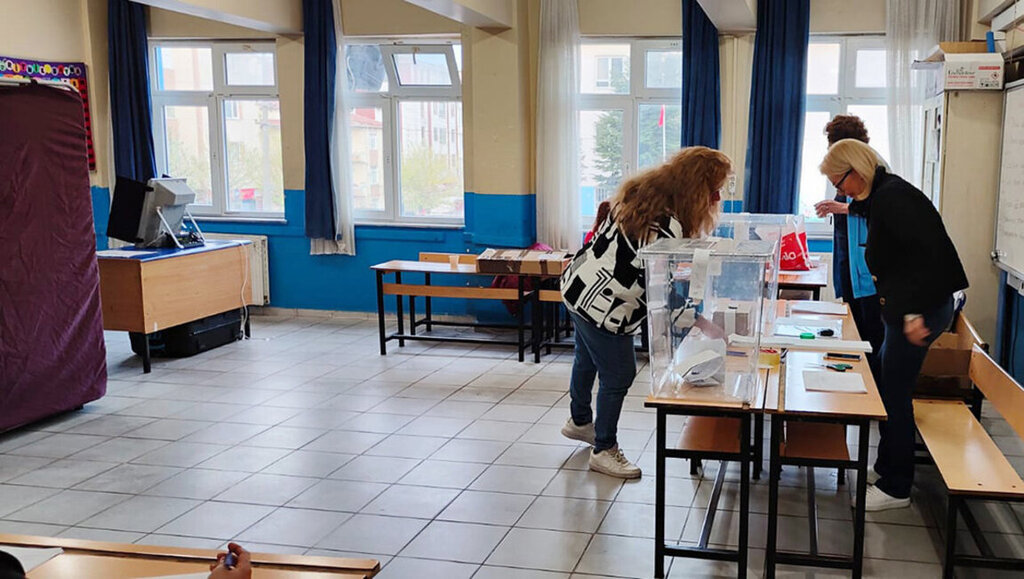
PHOTO Archive
‘In one way or another, the Bulgarian parliament and institutions are attempting to disenfranchise certain Bulgarian citizens, primarily those living in Turkey. This is utterly unacceptable,’ said Kenan Özgür, a Bal-Göç representative in Izmir, in conversation with Nahit Doğu of BNR-Kardzhali. ‘It is fundamentally unfair. People feel insulted and despondent because they see it as yet another discriminatory act by the Bulgarian state against its citizens currently living in Turkey. As you know, after 1984–85, the names of Bulgarians of Turkish origin were forcibly changed and they were subsequently driven out to Turkey. Now, that same mentality, malice and discrimination persists.”

Kenan Özgür
PHOTO Facebook /Kenan Ozgur
Rafet Ulutürk, from the expatriate association Bultürk, takes an even sharper stance. In his view, the decision to reduce the number of polling stations prevents expats from voting and signals that they are ‘second-class’ citizens once again.
'Bulgarian citizens abroad cannot be treated as an inconvenient factor in the electoral process. The proposal is unprincipled, unsubstantiated and devoid of any real technical or organisational logic. It is being introduced on the eve of an election and raises entirely justifiable suspicions of hidden political motives. Instead of facilitating participation in the elections, the state is deliberately introducing obstacles that will lead to chaos, long queues and the practical deprivation of the right to vote. In countries such as the UK, USA and Canada, Bulgarian communities are sizeable and often located hundreds of miles from diplomatic missions.”
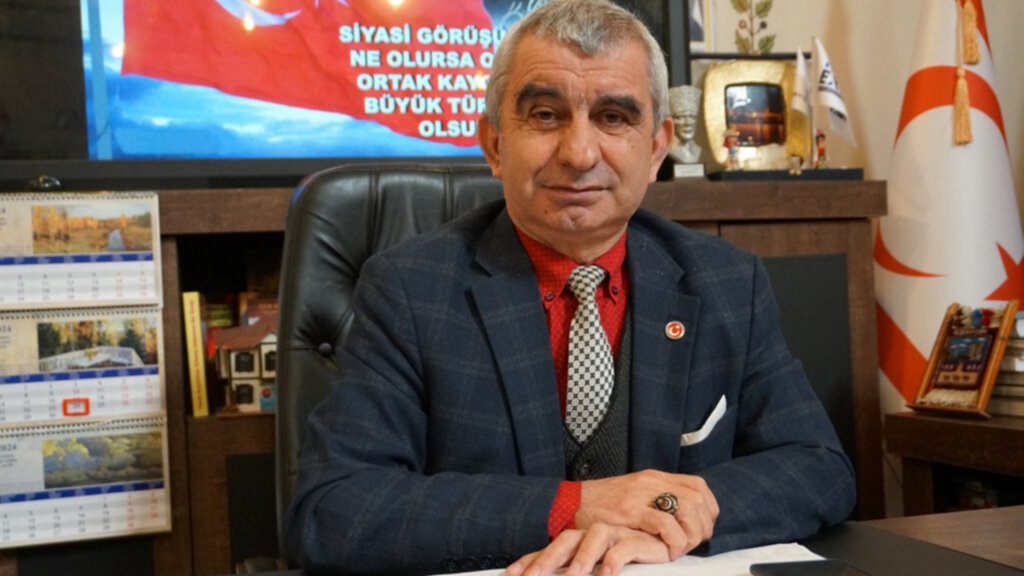
Rafet Ulutürk
PHOTO Maria Petrova
The situation is particularly acute in Turkey, where capping the number of polling stations at just 20 will force thousands of citizens to travel for hours, leaving many unable to cast their ballots at all. Ulutürk added:
'We categorically reject the suggestion that these measures are about oversight or ensuring legality. There is no evidence that the electoral process in non-EU countries is compromised or requires special restrictions. It is obvious to everyone that the actual goal of these changes is to suppress the votes of Bulgarian citizens in Turkey, hidden behind formal, seemingly neutral arguments.”
According to both interviewees, Bulgarian voters in Turkey are still struggling to navigate the convoluted political landscape at home. Processes are unfolding in Bulgaria that confuse the public. Furthermore, the lack of representatives with Turkish names in the executive branch is alienating the electorate, according to expatriate associations. This leads to low voter turnout and a lack of trust in political parties. The split within the Movement for Rights and Freedoms (DPS), the emergence of new political formats and the resignation of President Rumen Radev will all influence voting sentiment in Turkey.
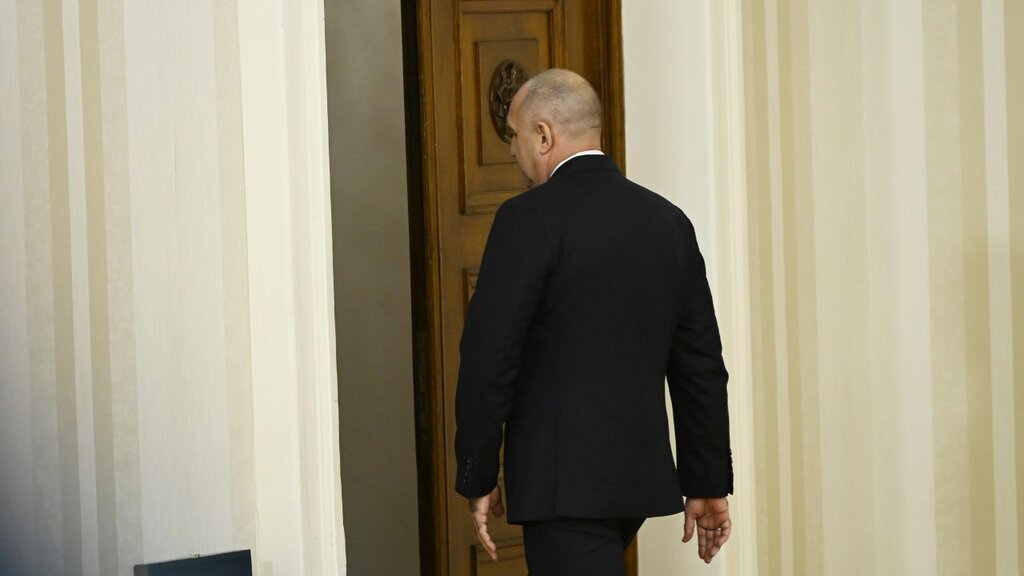
PHOTO BGNES
'Traditionally, we have always voted for the DPS,” says Kenan Özgür, who predicts low voter turnout for the upcoming snap elections this spring. “People are now disheartened; they have lost hope that things will improve. If there are no strong candidates from the expatriate community in Turkey running in the upcoming elections, turnout will be even lower.”
'If Radev, or the new political line he might represent, is truly seeking a lasting solution, their perspective must change radically. The path is clear: Rumen Radev must directly recruit respected Bulgarian Turks who have not been involved in active party politics until now, and they must be given real authority, not just symbolic roles. The most important question following Rumen Radev’s resignation is this: Is Bulgaria simply looking for another election, or will it finally dare to achieve true social reconciliation?” stated Rafet Ulutürk.
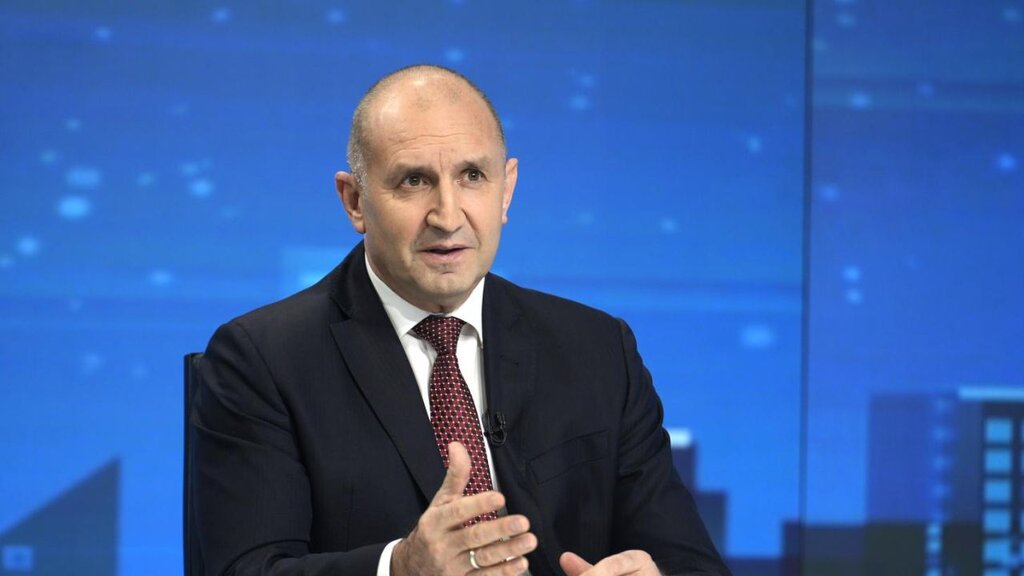
PHOTO BNT
Similarly, Kenan Özgür believes that Rumen Radev could receive support from Bulgarian Turks if he gives individuals from Turkey, Kardzhali, and other major cities a real chance to enter the lists in leading positions:
'Believe me, whoever gives our people a chance will receive our support. Otherwise, I don't think anything will happen,' he said in a report on the topic by Valya Apostolova and Nahit Doğu for BNR Kardzhali.
Posted in English by E. Radkova
This publication was created by: Elizabeth Radkova