


Author
Yoan Kolev
Vassil Levski: The national hero inspiring Bulgarian children around the world
Wednesday 18 February 2026 14:59
Wednesday, 18 February 2026, 14:59
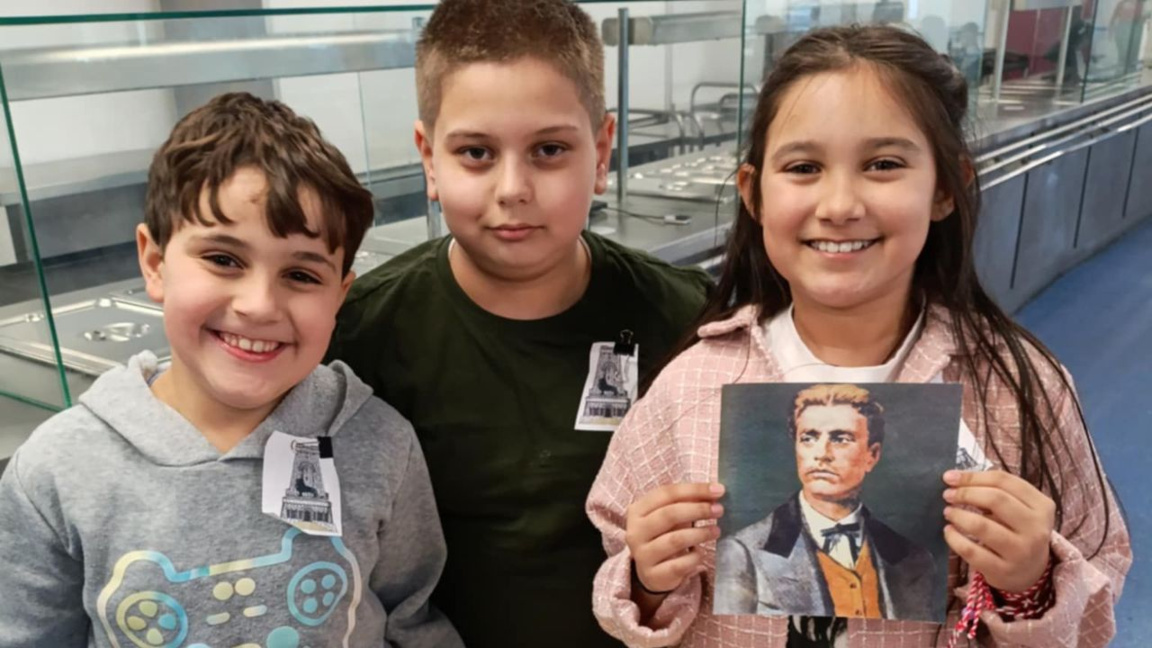
PHOTO Facebook /Svetlana Ivanova
Font size
Every year on 18 and 19 February, Bulgarians pay tribute to Vasil Levski, the 'Apostle of Freedom', who is a symbol of courage, self-sacrifice, and boundless love for his homeland. His vision of a 'pure and sacred republic' continues to resonate far beyond Bulgaria's borders, inspiring generations to protect their language, culture, and identity.
In classrooms from Sofia to Rome, from Leeds to western Ireland, special lessons are devoted to Vassil Ivanov Kunchev (1837–1873), the architect of a nationwide network of revolutionary committees. At a time when Bulgaria was under Ottoman rule, Levski dared to imagine an independent, democratic state built by the will and effort of its own people. He was not just a freedom fighter; he was also a thinker who articulated an early vision of equality, tolerance and civic responsibility.
- Bulgarians to lay flowers at the Vasil Levski memorial in Chicago
- Vasil Levski - unsurpassed in courage, defied an empire
“Today we bow before Levski’s legacy and remind ourselves that freedom demands courage, unity and responsibility. Let us carry his ideals in our hearts and pass them on to future generations”, wrote Mariola Georgieva, head of the AzBuki Bulgarian school in Rome and Colleferro. For Bulgarian communities abroad, Levski is not a distant historical figure, but rather a living presence — the most recognisable and beloved national hero among children growing up outside their ancestral homeland.
Twenty-four Bulgarian schools abroad bear his name. Each February, they mark the anniversary of his death with special themed lessons, performances and historical reenactments. Many have also joined the Radio Bulgaria initiative, 'Thinking of Levski', sharing stories of how they keep his memory alive.
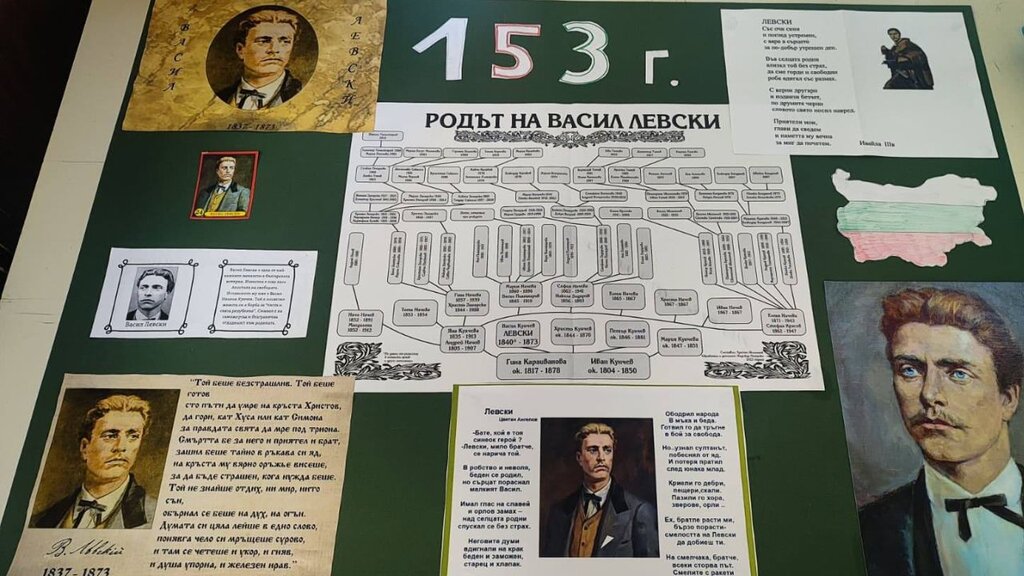
PHOTO Mariola Georgieva, AzBuki Bulgarian Sunday School, Rome and Colleferro, Italy
“Over the past weekend (14–15 February), the children had an extended lesson adapted to their age, during which they became acquainted with Levski as a person, with his ideas and with interesting episodes from his life,” Daniela Georgieva, head of the Vassil Levski Sunday School in the town of Shannon in western Ireland, told Radio Bulgaria.
“The youngest pupils coloured pictures depicting the Deacon. We held a discussion on how he viewed democracy and the future of Bulgaria, and why, after the Liberation in 1878, a monarchy was established in the country instead of following his idea that we should be a republic. We discussed the different viewpoints expressed by Hristo Botev, Lyuben Karavelov, Georgi Rakovski and Georgi Benkovski.
We tried to place Vassil Levski in the context of his time and environment so that the children could understand his uniqueness and the fact that he was the only one among the Bulgarian revolutionary figures to profess an ideology of equality, democracy and tolerance — things we are still striving for today and have not yet fully achieved.”
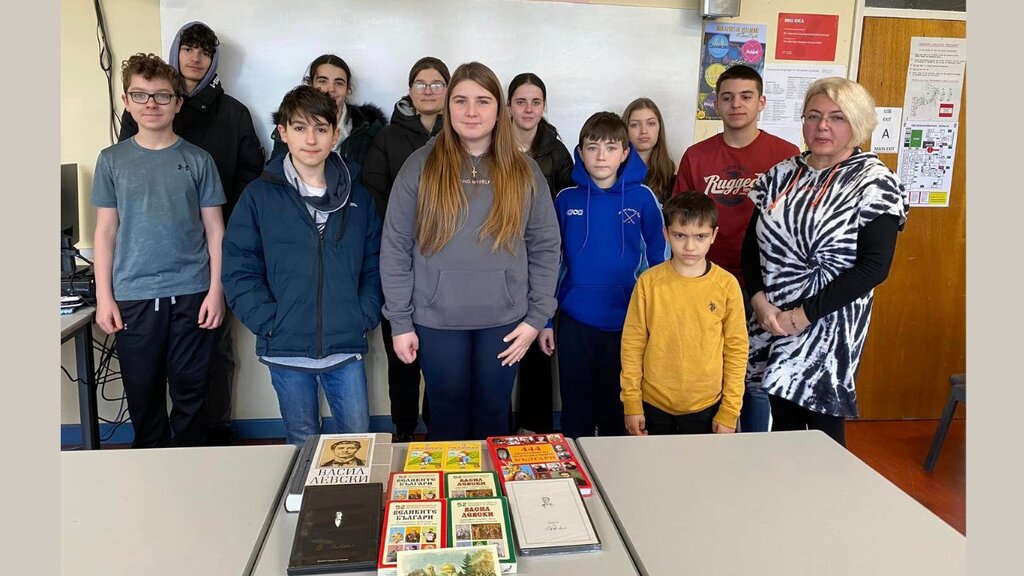
PHOTO Bulgarian School "Vassil Levski", Shannon
According to the school’s headteacher, Daniela Georgieva, students over the age of 12 were particularly engaged, perhaps reflecting Ireland’s own strong public discourse on rights and tolerance. Their discussions will continue in March, when older pupils present essays on the theme: “Are we truly free today?” Drawing on Levski’s understanding of freedom, they explore its national, social and personal dimensions — and the subtle yet crucial distinction between liberty and licence.
In Leeds, another Sunday school founded in 2016 and bearing Levski’s name is preparing competitions in recitation, live drawing and historical role-play. Pupils will embody figures from the Bulgarian National Revival, including Levski himself and Rayna Knyaginya, weaving together remembrance of his execution with celebrations of Bulgaria’s National Day on 3 March.
“We will dedicate this day to two events — the death of Vassil Levski and the upcoming National Day, 3 March. That is why, in the third competition, the children will take on the roles of Revival-era figures such as the Apostle, various haiduti, Rayna Knyaginya and many others,” headteacher Svetlana Ivanova told us.
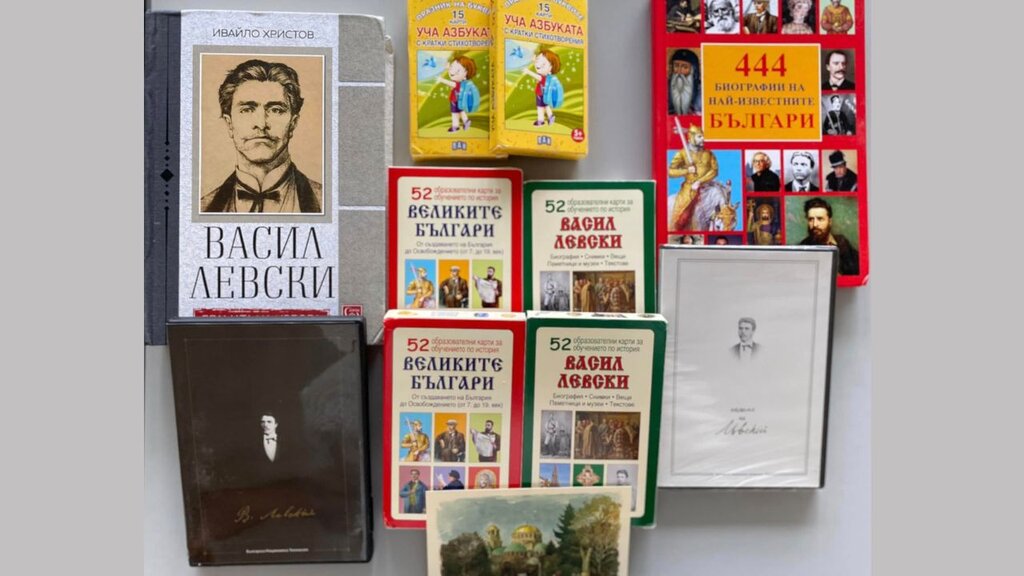
PHOTO Bulgarian School "Vassil Levski", Shannon
Another active Bulgarian on the Island, Milena Vezenkova, heads three Sunday schools located in the London districts of Barking and Tottenham, as well as their branch in the town of Harlow. Events are planned there as well to honour the Apostle. The dates 18 and 19 February carry special symbolism for Milena Vezenkova herself, as she comes from the village of Voynyagovo near Karlovo, where Vasil Levski worked as a teacher for two years.
In the schools in Harlow and Tottenham, students have already held open lessons connected with Levski’s life and have arranged a special exhibition dedicated to the national hero. It is now to be presented in Barking as well.
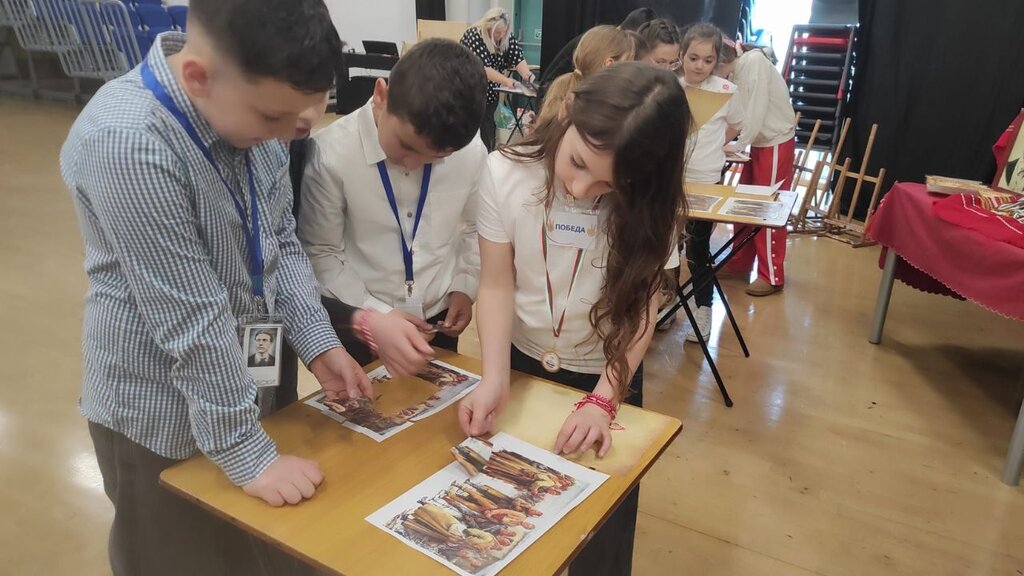
PHOTO Facebook /Svetlana Ivanova
“The official commemoration with which we will honour Vassil Levski will take place on 28 February. The exhibition we will see includes paintings, projects, drawings of his house, his portraits and various scenes from his life. It covers an entire wall displaying the different works created by the children. There will also be a screening of the film we made about the Apostle — Our Levski — created under the Ministry of Education project ‘The Untold Stories of the Bulgarians’,” Milena Vezenkova explained.
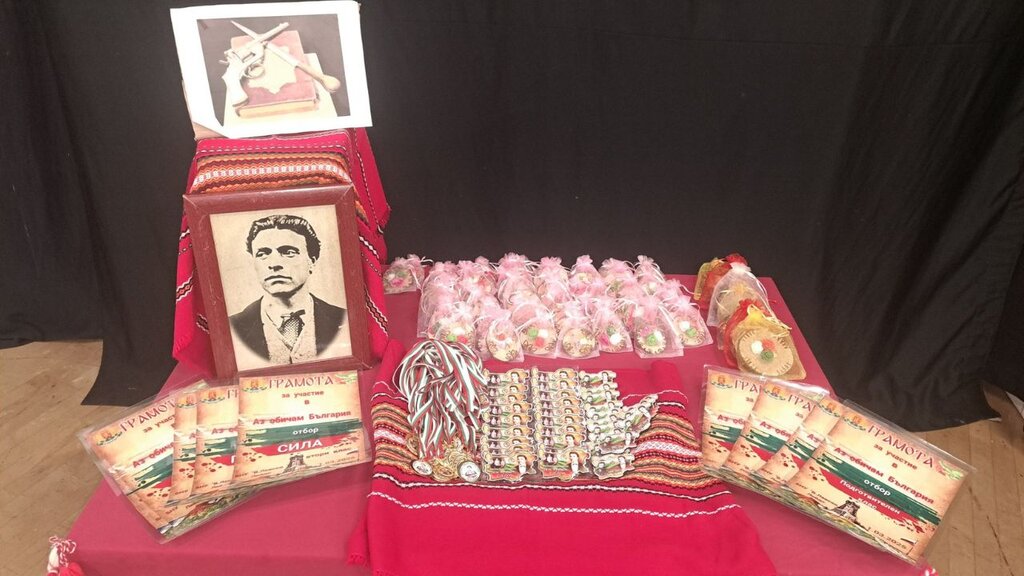
PHOTO Facebook /Svetlana Ivanova
For the making of this film, the children researched monuments to Vassil Levski around the world and drew a parallel between the Deacon’s years as a teacher in Voynyagovo and Bulgarian schools abroad today.
The image of Vassil Levski invariably sparks a light in the eyes, stirs lively discussions and remains an unceasing source of inspiration for every Bulgarian — in the country and across the world. And the date on which the hero was hanged is a time for reverence, humility and the dream that “everything depends on our united efforts” and that “our precious fatherland will need worthy people to guide it along the path of prosperity, so that we may stand equal to the other European nations.” Just as the Apostle believed.
Editor: Elena Karkalanova
This publication was created by: Elizabeth Radkova