Author
Gergana Mancheva
News
Van Beelen’s collection – step towards a museum of handwoven Bulgarian carpets
The Dutch collector has entrusted part of his findings to scholars at the Bulgarian Academy of Sciences for study and identification
Wednesday 18 March 2026 08:05
Wednesday, 18 March 2026, 08:05

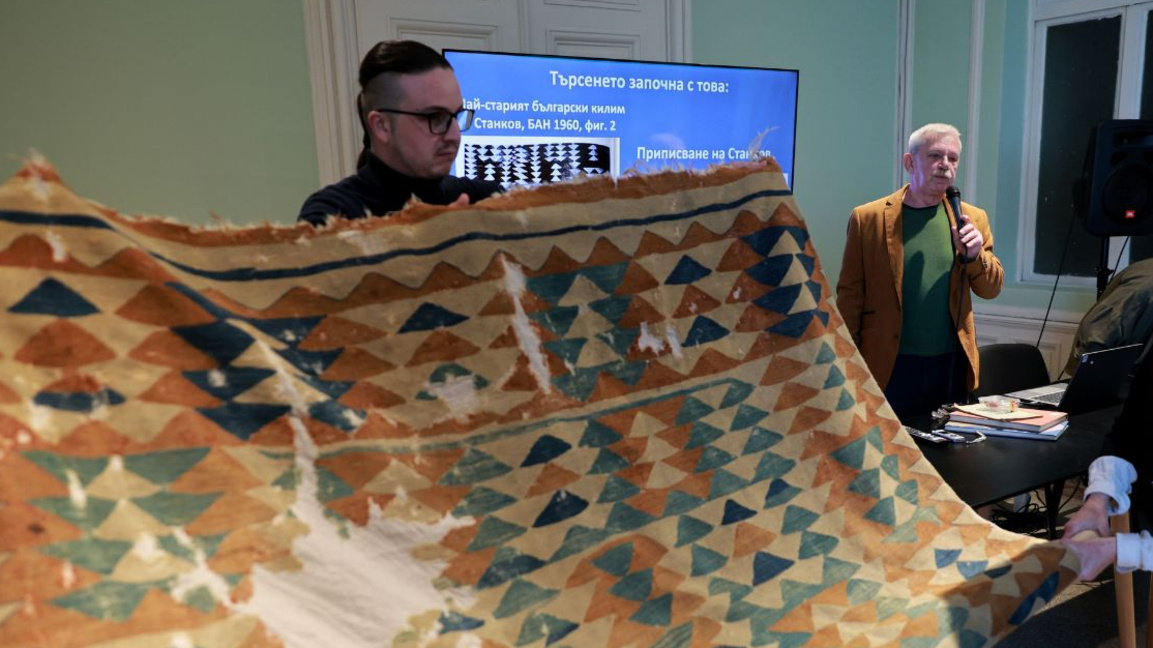
PHOTO BTA
Font size
A 17th-century carpet, woven in Chiprovtsi in a profusion of colours and intricate “Bakam”–“Garibalda” patterns, has been discovered after three years of searching in the village of Arbanasi, near the town of Veliko Tarnovo. Once the property of a local priest Mihaylov, it had been preserved as a cherished family relic by his descendants. It is likely one of the oldest surviving carpets in Bulgaria - and it now forms part of the remarkable collection of the Dutchman Jaap van Beelen.
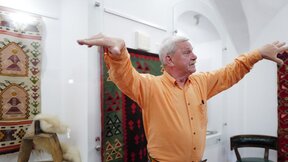
Through the foundation he established, “Bulgarian Carpet,” van Beelen has taken upon himself a mission both cultural and deeply human: to reintroduce Bulgarians - at home and abroad - to the intangible heritage preserved in the colours, ornaments, and textures of their traditional carpets. Some of the most valuable pieces in his collection, including the 17th-century masterpiece, were presented at a special event at the National Ethnographic Museum of the Bulgarian Academy of Sciences.
Jaap van Beelen and his unique collection of old Bulgarian carpets
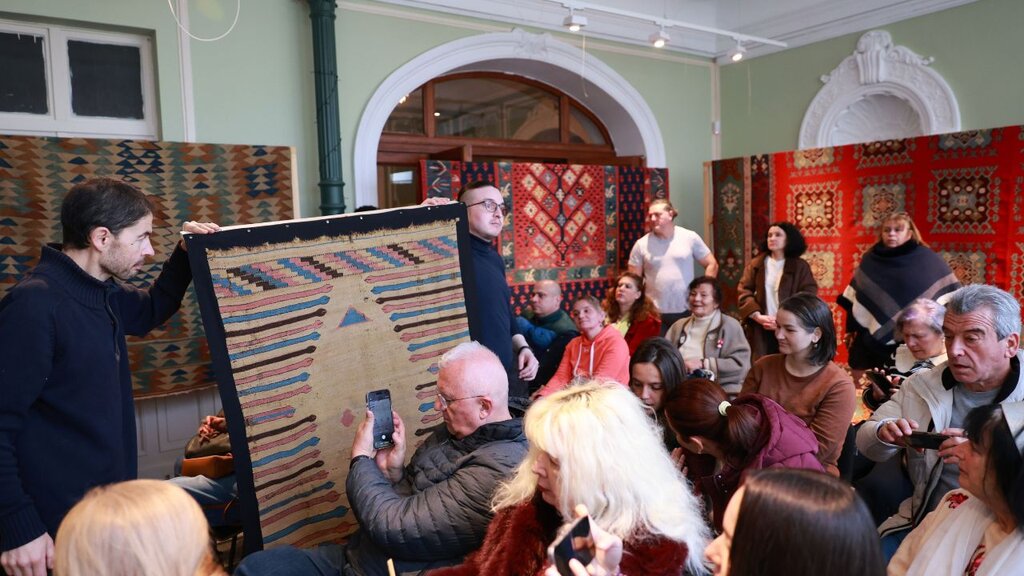
PHOTO BTA
The collection of old Bulgarian carpets of the Dutchman who has been living in Bulgaria for years is staggering - over a thousand carpets gathered from across Bulgaria’s ethnographic regions, including territories that now lie beyond its borders. A selection of 81 carpets has now been formally entrusted to the Institute of Ethnography for analysis, dating, and identification - some for the very first time.
Following thorough study, this representative sample may be officially recognized as a “collection of cultural value,” a crucial step toward the creation of a museum dedicated to the handwoven Bulgarian carpet.
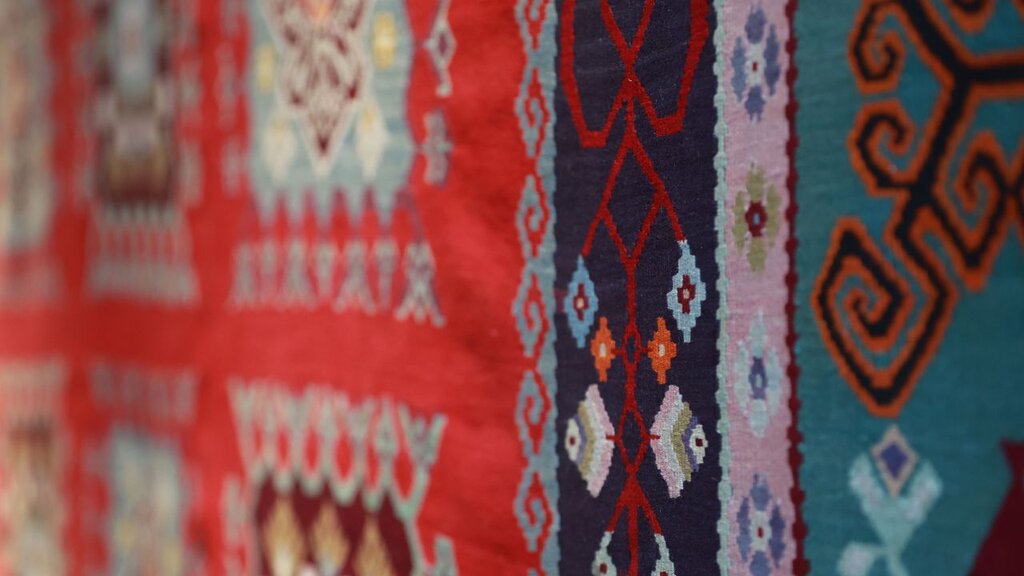
PHOTO BTA
Alongside the rare Chiprovtsi carpet from the 17th century, van Beelen presented four other authentic examples - from Pirot, Kotel, Chiprovtsi and the Deliorman region - dating back to the 18th and 19th centuries. These, too, have journeyed far from home, acquired from collections in Florida, Hong Kong, and Australia, only to be brought back - almost reverently - to the land that gave them life.
Women weave their hearts and souls into the famous Chiprovtsi carpets
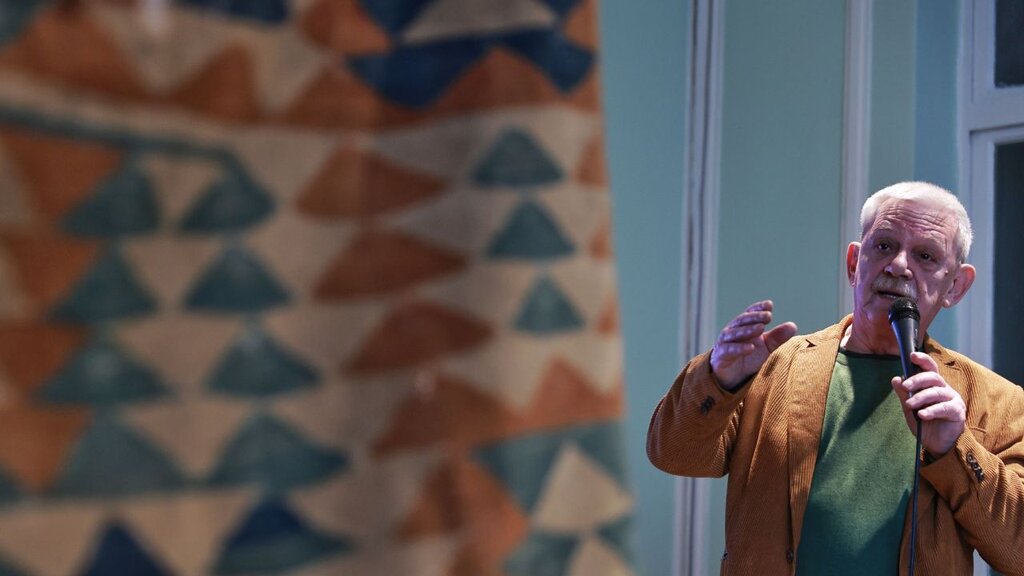
PHOTO BTA
“It is not easy to exhibit so many carpets, but for each exhibition I always make a selection based on the concept and the audience,” van Beelen shares. “I never simply display the carpets - I try to speak through them. And each time, the story is different.”
His first exhibition abroad was held in Paris, at the Bulgarian Cultural Centre, where the response from the Bulgarian diaspora was deeply moving. Plans are now underway to present the collection in the Netherlands and Poland in the Bulgarian Cultural Centre this year, as well as further afield in China and Japan - for the Bulgarian carpet, he believes, can serve as a cultural calling card, much like the voices of Bulgarian singers and choirs that have captivated audiences around the world.
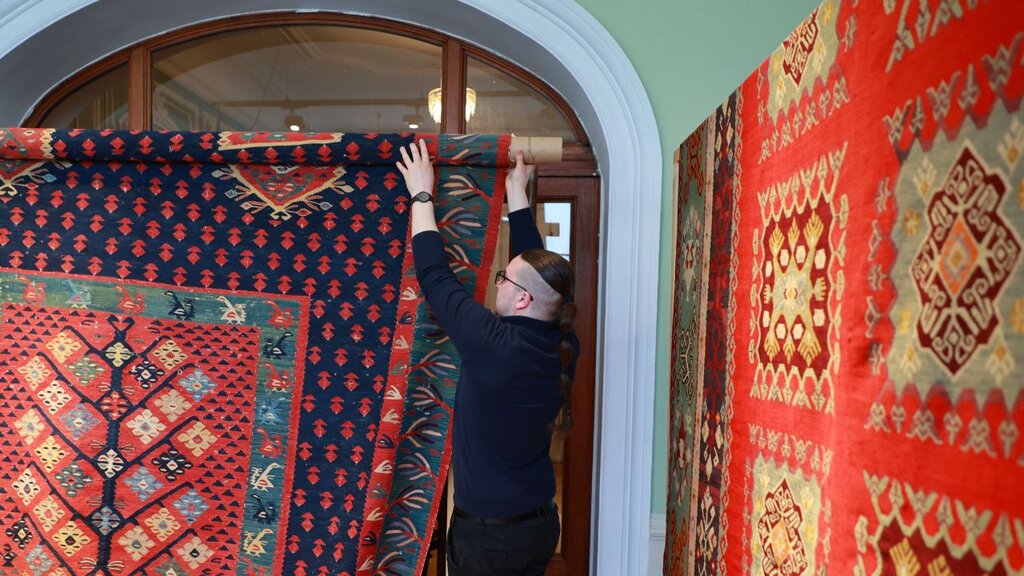
PHOTO BTA
In Veliko Tarnovo, at the historic Hadji Nikoli Inn, a permanent exhibition already offers a glimpse into this woven universe of carpets from van Beelen’s collection. More ambitious exhibitions are planned, including one at the Constituent Assembly Museum, as well as a major showcase in Plovdiv, says Kaloyan Yankov, secretary of the Bulgarian Carpet Foundation:
Dutch collector puts on display over 100 carpets in Veliko Turnovo
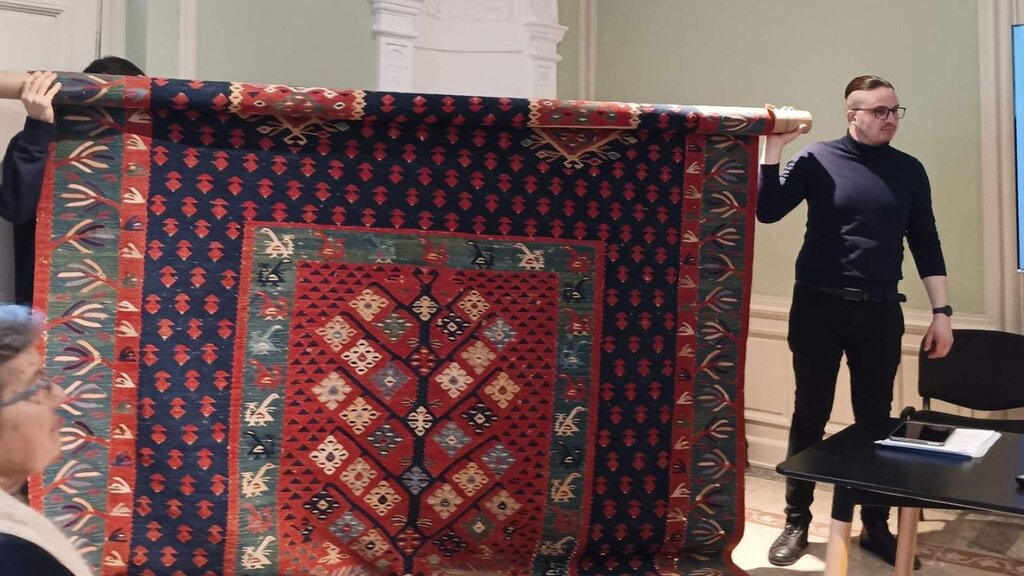
PHOTO Gergana Mancheva
“We organize exhibitions and take part in exhibitions in order to present the carpets, because the idea is not, as collectors, to wrap them up and store them somewhere in warehouses, but rather the opposite - to bring them to the attention of people, to make them accessible. They are extremely beautiful, carrying the extraordinary energy of the masters who wove them. The path toward creating a dedicated museum is very long, so we are moving step by step toward that goal. We are looking for a building, expecting, in some sense, support from the state or the municipality, so that we can display the collection. This kind of collaboration benefits both state institutions and local authorities, as it will attract a large number of tourists, enthusiasts, and carpet lovers, who will visit Veliko Tarnovo or another city where the collection is located.
The collection is currently kept in Veliko Tarnovo, where Jacob lives. One must see this assembly of carpets to understand what kind of talent the Bulgarian people possess. What a sense of aesthetics, beauty, and harmony the people who created this art had. These are truly beautiful pieces, and we should be proud as Bulgarians to have such crafts and cultural treasures.”
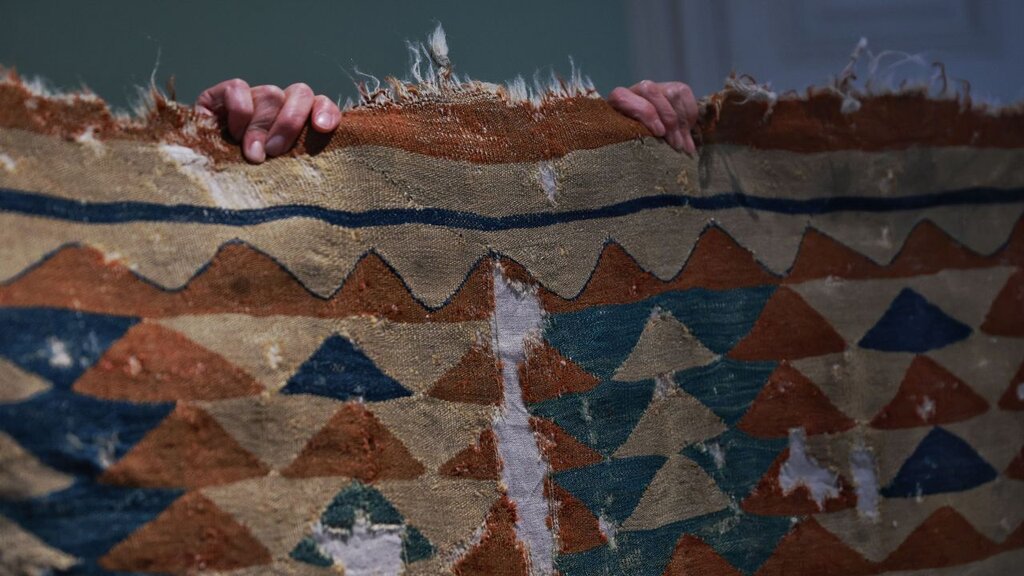
PHOTO BTA
The Director of the Ethnographic Institute with Museum at the Bulgarian Academy of Sciences, Assoc. Prof. Mila Maeva, highlighted the immense work Jacob van Beelen has accomplished in searching for and identifying the items in the collection. “I think that in Bulgaria, people like him, devoted to the cause of finding and preserving Bulgarian cultural heritage, are very important, even though today we still have plenty of researchers in the institutes,” she told Radio Bulgaria.
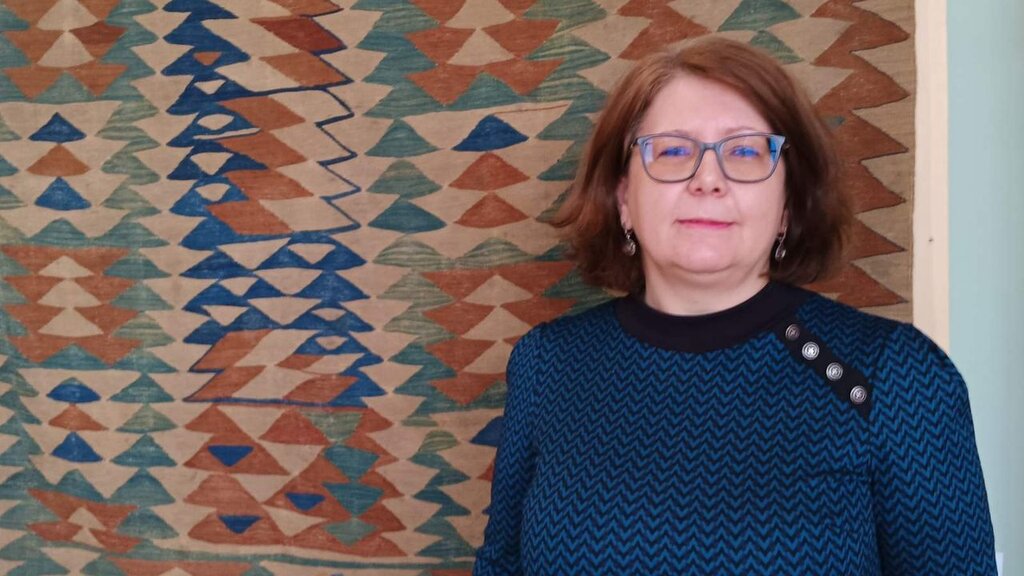
PHOTO Gergana Mancheva
“With open borders, he has the opportunity to travel, meet various collectors, and truly return forgotten pieces to the country - items about which we as researchers knew very little. The very idea of establishing a museum of Bulgarian carpets is excellent. Bulgaria has a similar museum in Sliven, but it focuses more on industrial production, whereas traditional Bulgarian carpet weaving, the carpets known in Bulgarian lands since the 17th –18th century, have never been showcased properly. As an Institute, we can assist in identifying the cultural value of these carpets. The colleagues will also have the opportunity to promote this collection in academic circles. For me, the Chiprovtsi carpets are particularly valuable because of the very technique used in weaving. They are more colourful and vibrant in the red tones. There is certain lightness in their creation; their appearance brings joy to the soul and radiates the light that carpets from this region emanate. Often, people from Chiprovtsi associate their identity with carpet production. During my fieldwork in England, I worked with Bulgarians there, and one woman from Chiprovtsi gave me a small Chiprovtsi carpet as a symbol of her connection to her homeland. So Bulgarians, wherever they are in the world, carry their local identity, in this case, through carpets.”
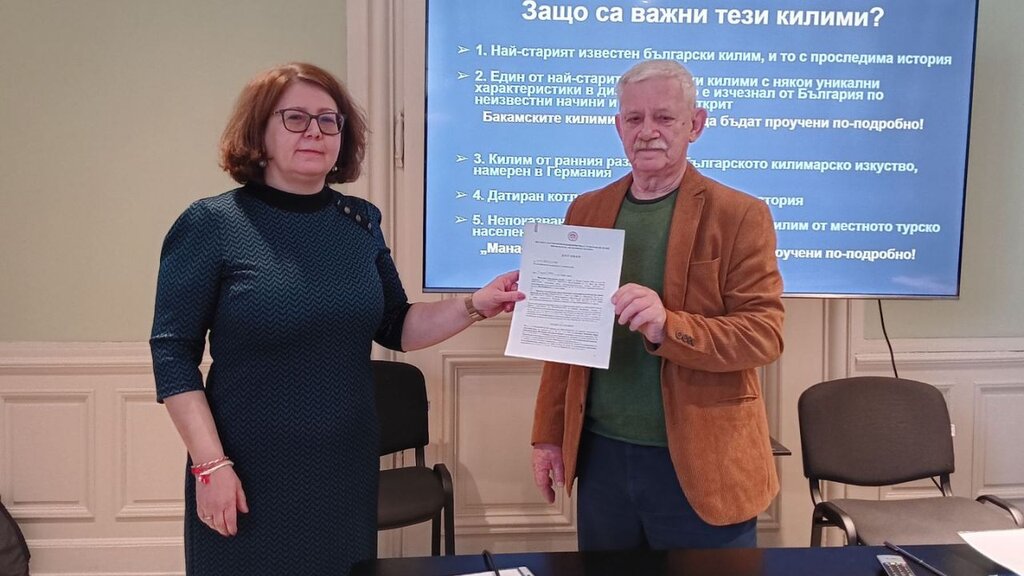
PHOTO BTA
Today, no more than 50 female carpet masters remain in Bulgaria, continuing the tradition mainly in Kotel, Chiprovtsi, Sliven, and Sofia. This craft is in decline, and precisely for this reason it must be thoroughly researched, documented, and preserved, so that the secrets of the old Bulgarian masters - the dyeing of fibres and interweaving of threads - are not lost forever. This is one of the tasks undertaken by the Dutch expatriate. With his help, Bulgarians learn much about the carpet weaving tradition and the fact that it was one of the most widely practiced Bulgarian crafts even before the Liberation in 1878. The beautiful Bulgarian carpets are also described in the writings of the renowned traveller Felix Kanitz, who journeyed along the Danube in the 1860s.
The hope that interest in old Bulgarian carpets will never fade is reinforced by the fact that major collectors from Europe and Asia know and seek these specific Bulgarian designs and colours, and the price of a unique, handwoven antique carpet can exceed $10,000.
Photos: BTA, Gergana Mancheva
English version: R. Petkova
This publication was created by: Rositsa Petkova
- #Jaap van Beelen
- #Veliko Tarnovo
- #Chiprovtsi carpets
- #Jacob van Beelen
- #Bugarian handwoven carpets
- #Bulgarian carpets
- #museum of Bulgarian carpets
- #traditional Bugarian carpets
- #Dutch collector of Bulgarian carpets
- #Enthographic Institute
- #Assoc. Prof. Mila Maeva
- #Bulgarian traditional crafts
- #carpet weaving Bulgaria