


News
Bulgaria faces early elections – we hear from citizens in South Bulgaria
Wednesday 18 March 2026 15:02
Wednesday, 18 March 2026, 15:02
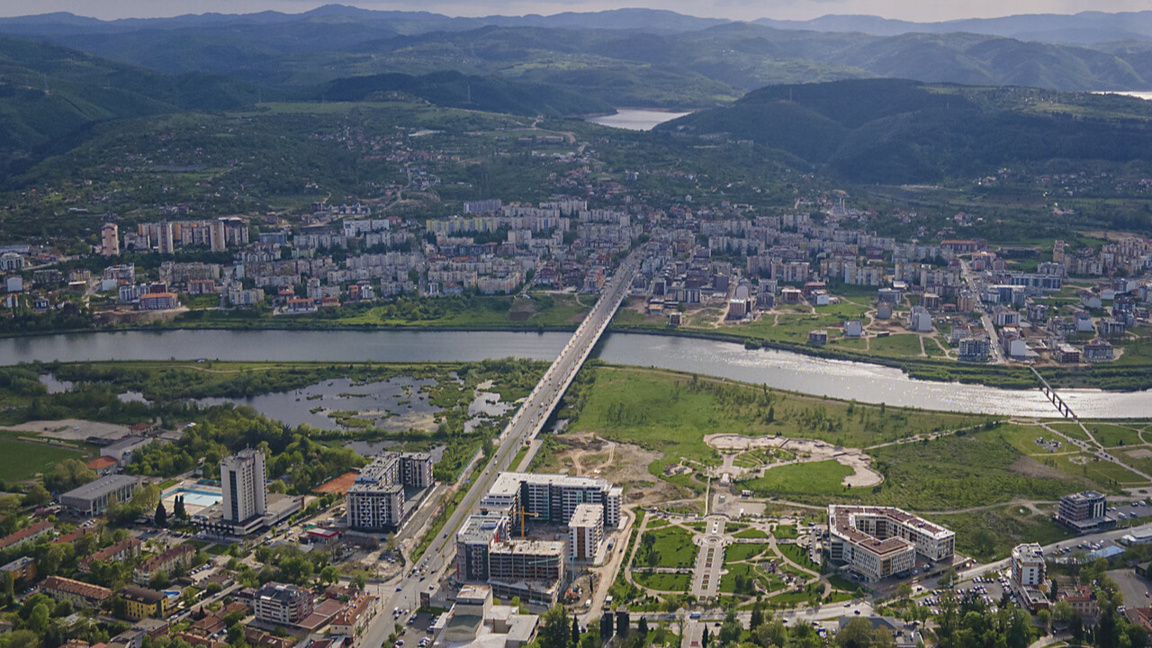
PHOTO BNR, Radio Kardzhali
Font size
The deadline for parties and coalitions participating in the elections to register their parliamentary candidate lists expired on 17 March. A diverse array of individuals have registered, many of whom are well known. Some familiar political figures are making a comeback, while individuals with no prior political experience, such as political scientists and athletes, have also been recruited.
Elections in Bulgaria are held under a proportional representation system, with the country divided into 31 multi-member electoral districts. A total of 240 Members of Parliament are elected from these districts. The number of seats each district receives is determined by its number of registered voters.
Analysts and the public will be focusing their attention on the 25th multi-member constituency in Sofia during the vote, where a real leadership battle is shaping up. Another such focal point is the Kardzhali district in southern Bulgaria, where there is a concentration of Bulgarian citizens of Turkish ethnicity and a long-standing monopoly by a single political force: the Movement for Rights and Freedoms (DPS).
Many citizens registered in the region live in neighbouring Turkey, where they also vote in large numbers. However, this year up to 20 polling stations may open in Turkey outside diplomatic and consular missions, which could lead to 'voting trips' to Bulgaria on election day.
Kardzhali district is set for another hard-fought contest for its five parliamentary seats. For most voters, the outcome of the upcoming election seems predetermined.
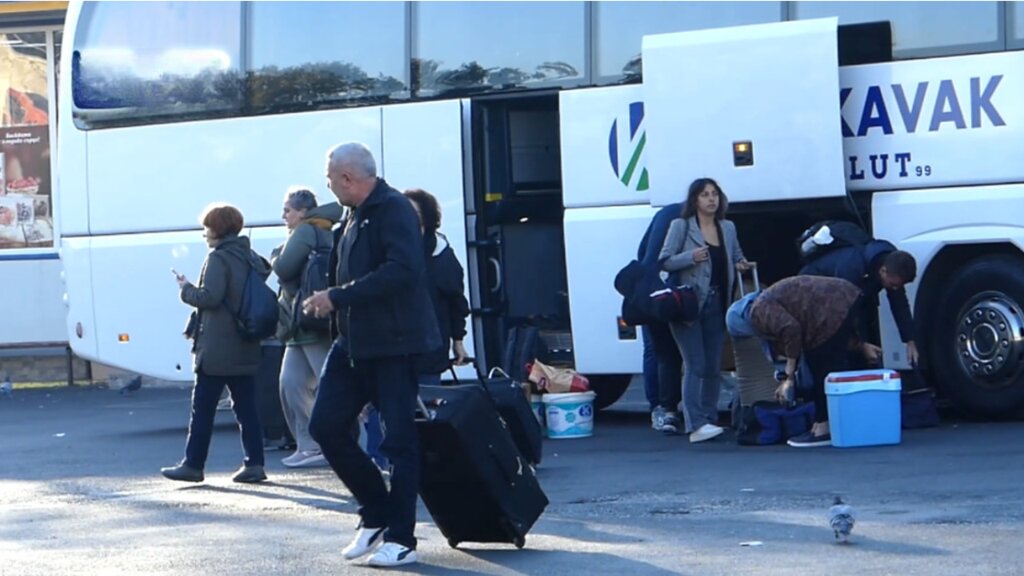
PHOTO Petko Vangelov
‘The political situation is such that, apart from the DPS, which holds a monopoly over the Kardzhali region, other local candidates have no chance of winning a seat in the National Assembly. This discourages voters,’ says BNR correspondent Valya Apostolova in a report for the public radio series Bulgaria Faces New Elections.
A survey of citizens shows that people want change and a way out of their difficult lives, but also reveals a lack of faith that this can happen, even after this parliamentary vote.
'Nothing will change. Things will stay just the way they are,' says one of the respondents. Those living in luxury will continue to do so, while those struggling will still have to make ends meet."
The area around the region’s other major city, Ardino, is a stronghold of DPS–New Beginning, the party that emerged from within the ranks of the old DPS but which, in the last elections in autumn 2024, managed to significantly outpace it. It became the fourth-largest parliamentary force, with 29 deputies in the 51st National Assembly. The mayor, the majority of municipal councillors, and the village mayors all belong to this party.
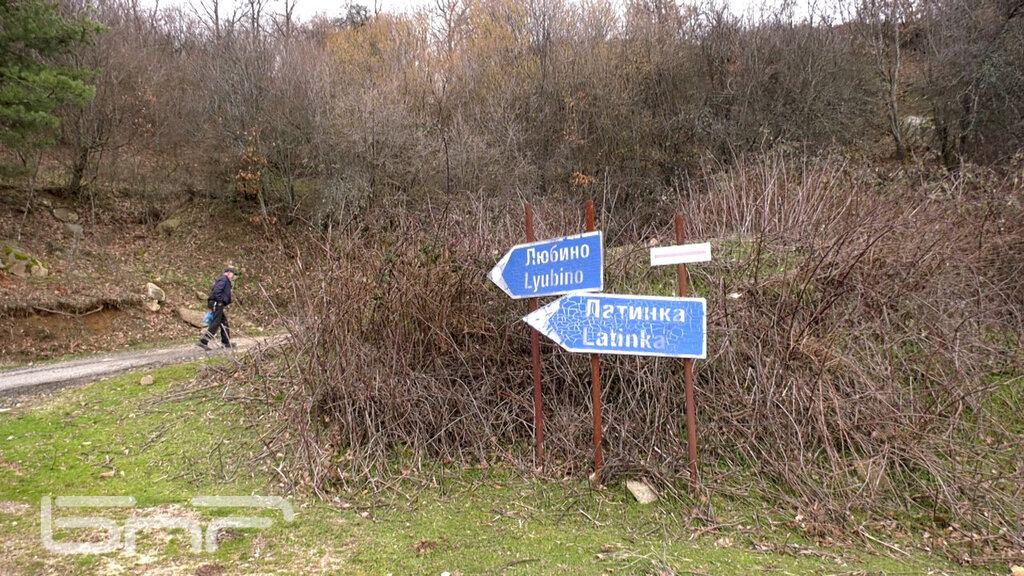
PHOTO BNR, Radio Kardzhali
In many places, people know exactly who they are voting for. It has always been this way: the mayor tells them which ballot to choose. However, this time, voters in several villages have issued an ultimatum to politicians: they will vote for whichever party promises to build them a new bridge. Rusalsko is one of the villages that is periodically cut off from the world due to flooding of its only road link.
‘Now, with the elections coming up, they’ll probably make more promises. I’ve been hearing nothing but promises for 30 years, and in the end, nothing gets done!’ says a local resident. ‘They say there’s no money... How can there be no money? There's no money in the whole country to build a single bridge here! They say, ‘Vote for us' when election time comes. OK, we’ll vote, but they must actually do something for us. Whoever builds that bridge will have our support for as long as they live. We’ll see what promises they make this time, but as our neighbours said, the bridge is what matters most to us!”
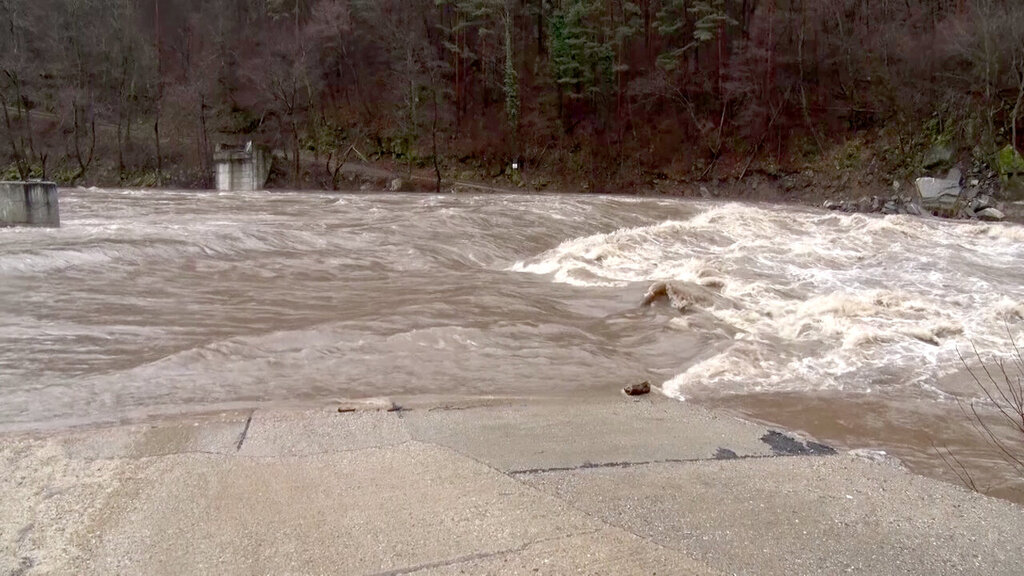
PHOTO BNR, Radio Kardzhali
People are wondering what is stopping the authorities from building the three-kilometre road. They’re threatening not to vote at all in the next election if their voices aren’t heard this time.
The people of Rusalsko have never seen their representative. They say that politicians only seek them out during elections.
‘I’ve seen a member of parliament on TV, but I’ve never spoken to one in person. I don’t even have faith in myself anymore, so how can I have faith that they’ll come here?” a villager asks.
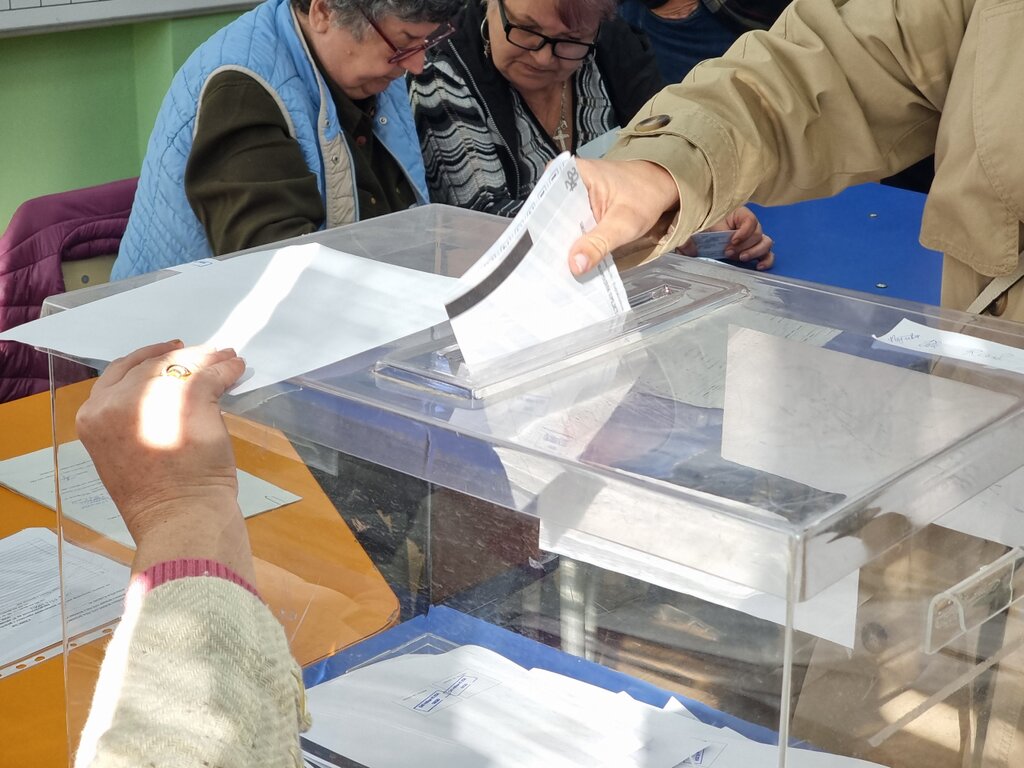
PHOTO BTA Archive
The politicians have also received an invitation:
‘Other politicians don’t come here – that’s the problem! They should just come and see for themselves. Whoever comes will campaign and persuade people to vote. But other political parties don’t set foot here to make promises about what they’ll do if they get into parliament – they won’t, because they don’t come!”
And so, a month before the vote, voters are wondering who to vote for, not because elections are held so frequently, but because their needs have been ignored thus far. They hope that the situation in Bulgaria will change and, with it, life in this remote part of the country.
Report by Valya Apostolova, BNR correspondent in Kardzhali
Editor: E. Karkalanova
English: E. Radkova
This publication was created by: Elizabeth Radkova