Author
Diana Tsankova
News
Bessarabian poet Niko Stoyanov will be honoured with memorial volume
The “Rodolubets” Association has invited colleagues and friends of the Ukrainian Bulgarian author to dedicate works in his memory
Thursday 19 March 2026 11:21
Thursday, 19 March 2026, 11:21
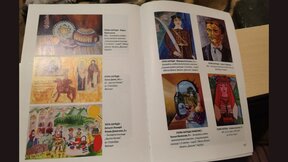
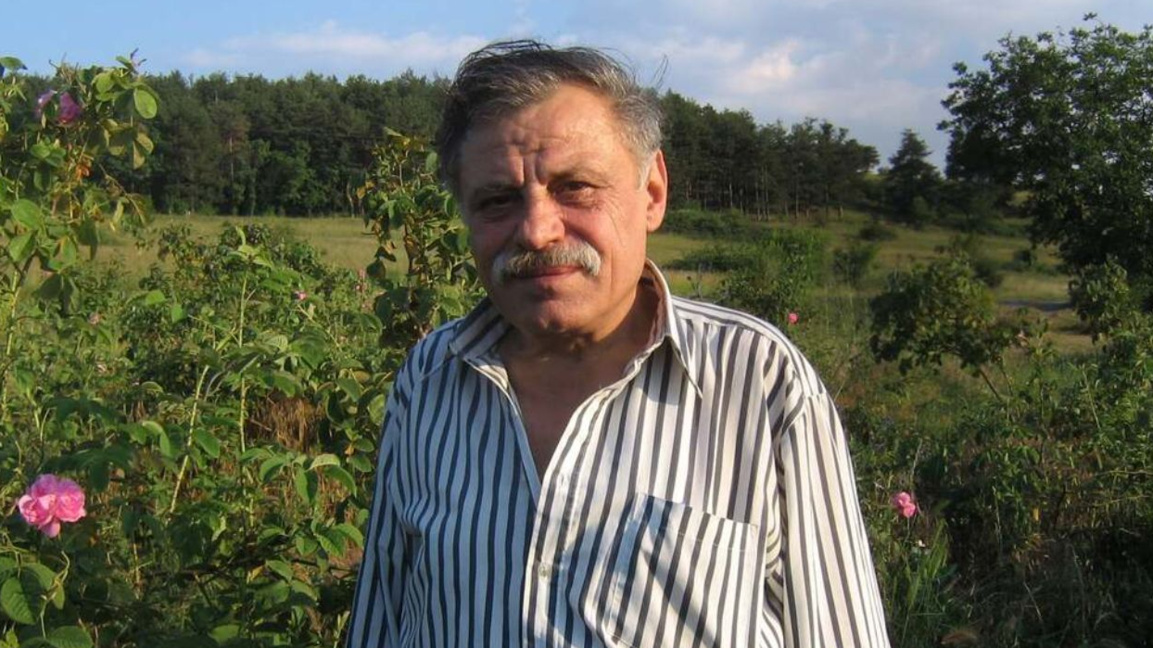
PHOTO Rodolubets Association
Font size
The Bessarabian poet Niko Stoyanov - who gave voice to the fate of his compatriots in deeply moving verse and inspired in them a love for their ancestral homeland, even from afar - will be honoured with a memorial book. On the occasion of what would have been his 80th birthday, the Association for Relations with the Bessarabian and Tavrian Bulgarians “Rodolubets” is calling upon men and women of letters, as well as his companions and friends, to contribute literary works or personal recollections in tribute.
Born on January 9, 1947, in the village of Nova Ivanovka in Ukraine, Niko Stoyanov - poet, publicist, and writer - came early to the realization that expressing himself in the Bulgarian literary language would be an inseparable part of his path. Through dedication and discipline, he mastered the clarity, precision, and refinement that would come to define his work. He graduated in Ukrainian and Russian literature from Kharkiv State University, and in 1973 published his first book in Ukrainian translation.
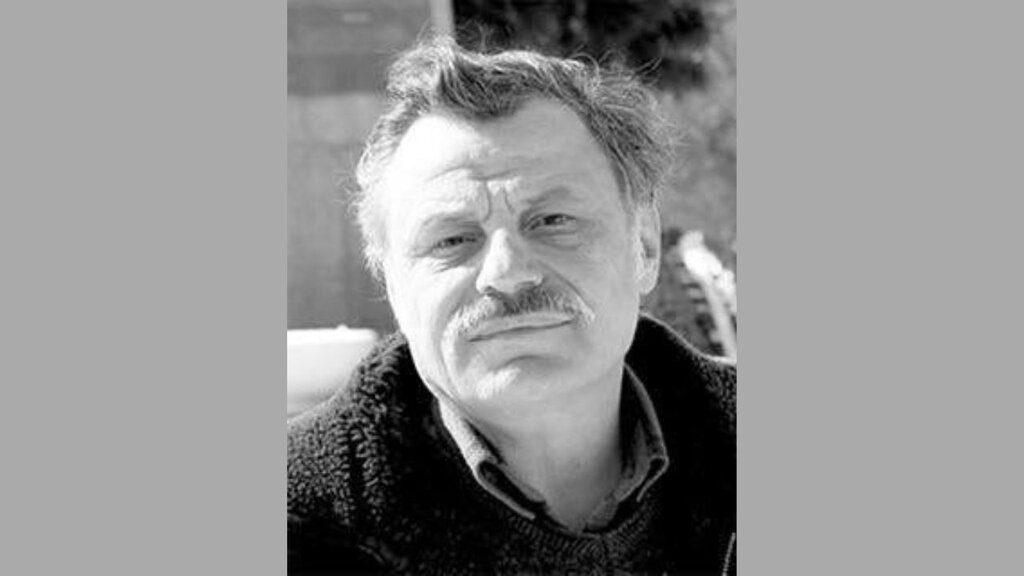
PHOTO Rodolubets Association
Niko Stoyanov was the founder of the first Bulgarian-language newspaper in Bessarabia, launched in 1988 in Chișinău and sustained for nearly two decades. Within its pages, he preserved and illuminated the cultural and spiritual legacy of the local Bulgarian community.
“He decided to publish Rodno Slovo in 1988 - during the years of perestroika, when Bulgarians in the Soviet Union were unable to develop freely in cultural terms,” recalls Kirilka Demireva of the “Rodolubets” Association. “Until then, the language had largely served everyday needs. His mission was to awaken national consciousness of Bulgarians and encourage the creation of culture in the mother tongue. The newspaper reflected the life of Bulgarians in both Moldovan and Ukrainian Bessarabia. People awaited each issue with great anticipation - to read about themselves, their lives, and Bulgaria.”
In 2015, already settled in Bulgaria, Niko Stoyanov gathered many of these materials in the book In the Beginning Was the Word, invoking the biblical phrase to capture the spirit of that formative period of publishing the newspaper.
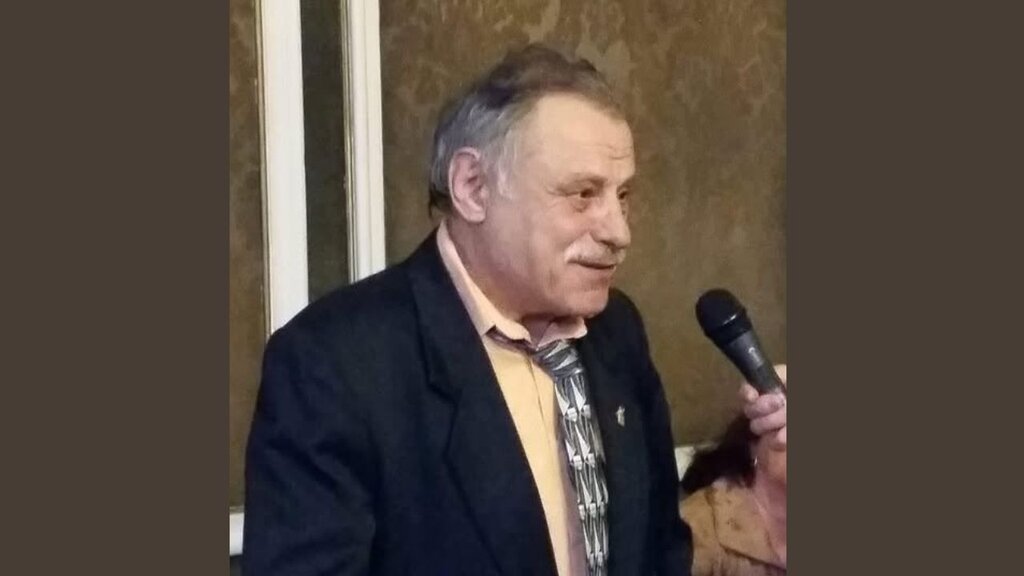
PHOTO Rodolubets Association
Alongside his publicistic work, Niko Stoyanov cultivated a rich literary career: author of 18 poetry collections, screenwriter of 20 documentary films, and translator from Ukrainian, Russian, and Romanian. He also wrote for children, including poetic renditions of the Bulgarian alphabet - later incorporated into the first Bulgarian-language primer in Bessarabia.
“Niko Stoyanov was a gifted poet who felt the power of the Bulgarian word from an early age,” Demireva notes. “His work is thematically rich, bound above all to the two places he cherished most - his homeland and his ancestral land. In his poetry, the region Budjak (also spelt Budhak) comes alive: its landscapes and its people. He spoke of the Bessarabian Bulgarians with profound love and respect. It is no coincidence that in the last two decades of his life he divided his time between Chișinău and Sofia, creating his enduring works within this spiritual space.”
Kirilka Demireva draws particular attention to his poem My Lineage (Моят род), which has come to be regarded as a kind of anthem among Bulgarians in the region. On October 29, the Day of the Bessarabian Bulgarians, Niko Stoyanov would often recite it during commemorative concerts organized by “Rodolubets” Association.
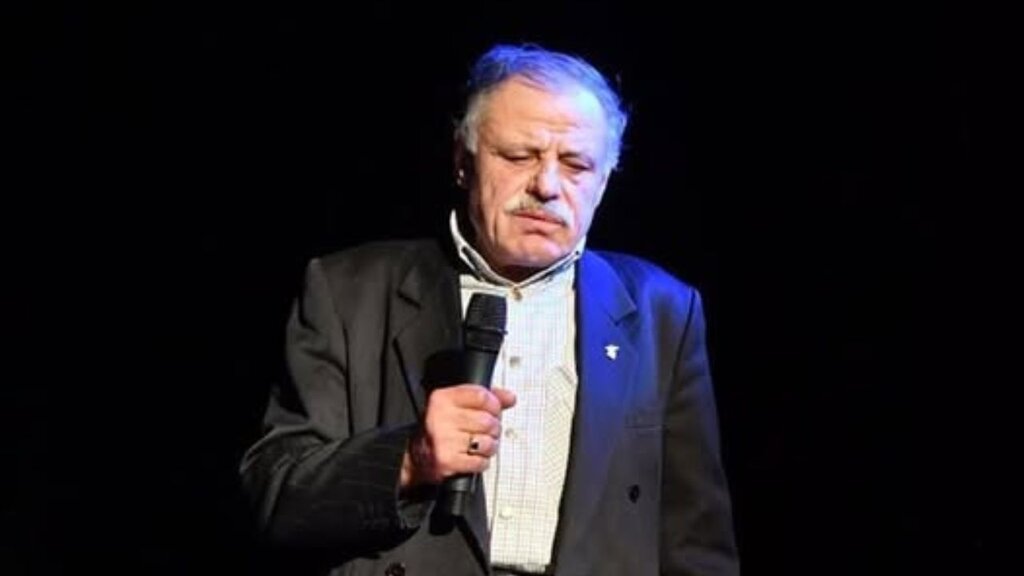
PHOTO Rodoubets Association
“At first glance, the poem declares love for his fellow Bessarabians,” Demireva reflects, “but at its heart it expresses the deep drama of descendants. The two centuries when Bulgarians moved to Bessarabia seem to live within him, and he questions why he is there when he is Bulgarian, why his forefathers left the beautiful Bulgarian lands. It culminates with a poignant sigh - yet also with resolve:
Having left the dear Balkans behind,
not in search of an easier life,
but to remain a Bulgarian
and to preserve his lineage.
This powerful poetic and patriotic sentiment continues to resonate - not only among his compatriots, but among all Bulgarians.”
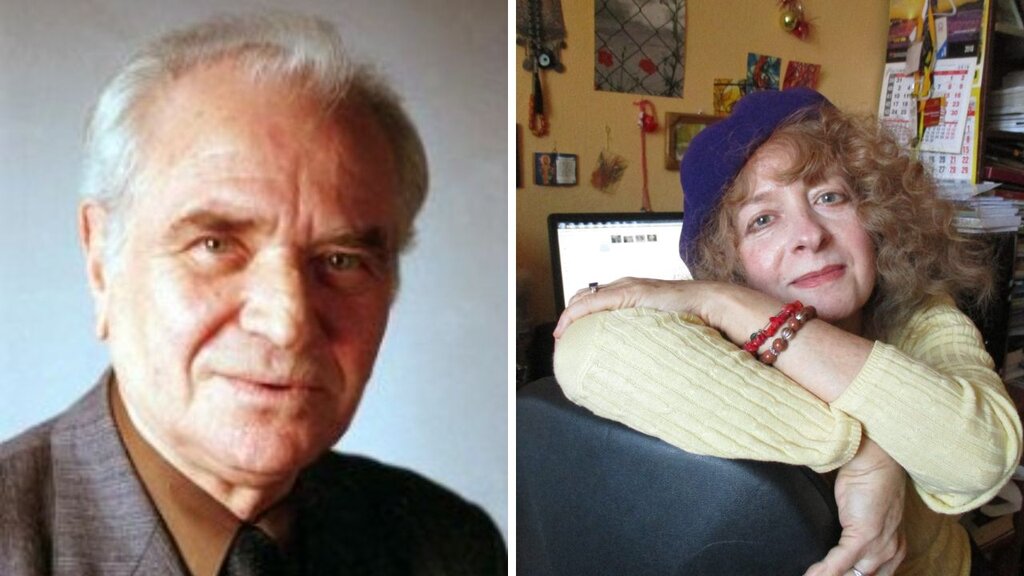
Matey Shopkin and Aleksandra Ivoylova
PHOTO literaturensviat.com, eliascanetti.org
Although the call for contributions was issued only days ago, the Association has already received its first submissions. Poets Matey Shopkin and Aleksandra Ivoylova have sent in poignant works, as has fellow poet and friend Georgi Drambozov.
A teacher from Stoyanov’s native village has expressed her wish to interview a childhood friend and classmate who once lived on the same street.
Kirilka Demireva herself holds a cherished memory of her encounters with the poet:
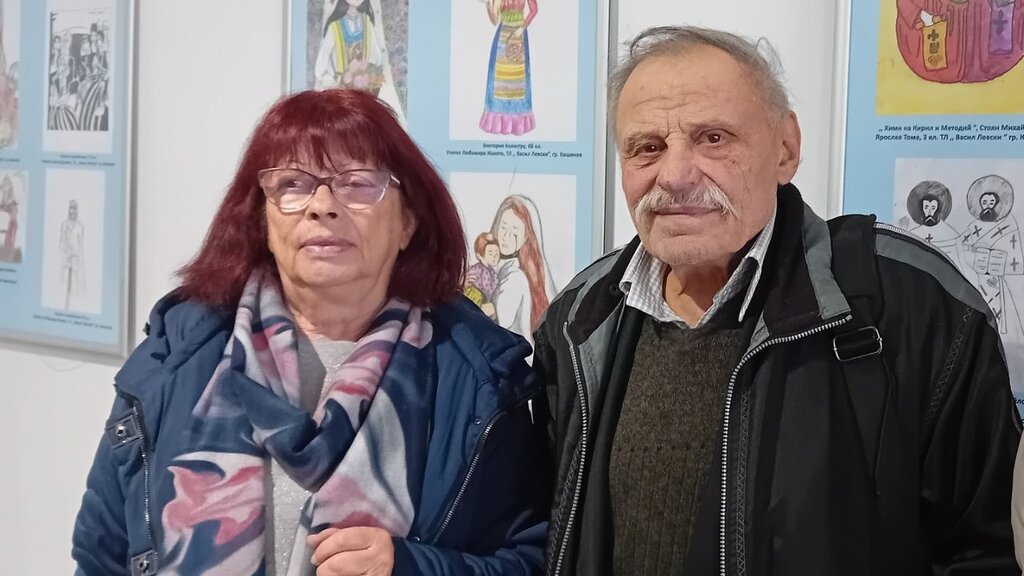
Kirilka Demireva and Niko Stoyanov
PHOTO Facebook/ Kirilka Demireva
“My acquaintance with Niko Stoyanov dates back nearly thirty years, when I arrived in Chișinău as a visiting teacher at the Bulgarian lyceum,” she recalls. “I will never forget the moment he presented me - quietly, yet with dignity and pride - a modest booklet marking his 50th anniversary. Within it I saw the names of many distinguished friends and like-minded figures from Russia, Moldova, and Bulgaria. I realized I stood before a man of true poetic stature. In time, we began to collaborate, as we were preparing Bulgarian language and literature textbooks for Bessarabian children. He contributed actively, especially with translations. Today, his works are included in these textbooks, studied and appreciated by students. In this way, his memory endures.”
What message does “Rodolubets” Association hope to convey to present and future generations through this tribute?
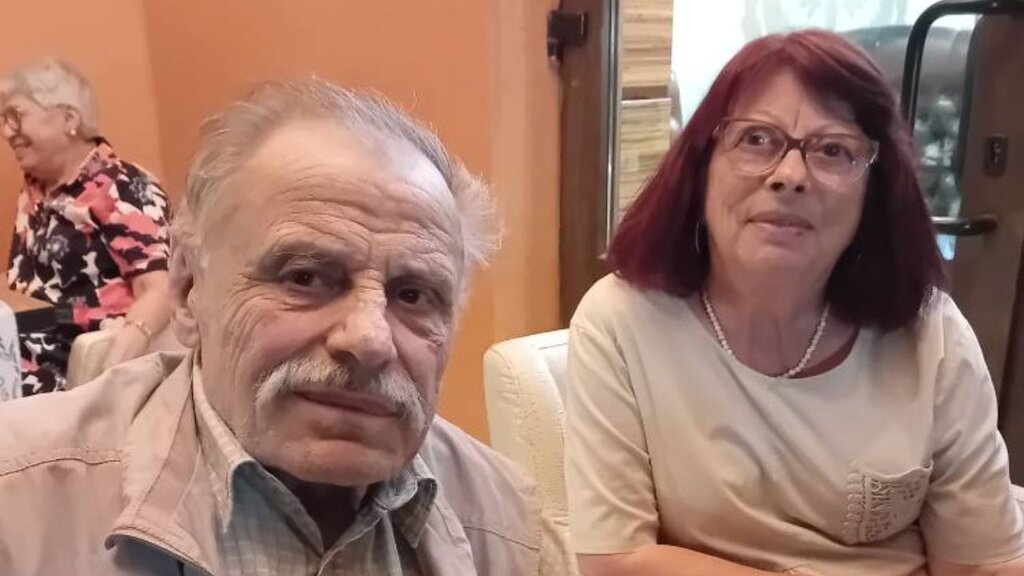
Kirilka Demireva and Niko Stoyanov
PHOTO Facebook / Kirilka Demireva
“If the book proves worthy in both substance and spirit of Niko Stoyanov’s legacy,” Demireva concludes, “it will inspire others to seek out more about his life and work. We hope to show that there lived a poet and publicist who safeguarded the Bulgarian name with devotion, and who created works of the highest order - imbued with deep love for both his ancestral homeland Bulgaria and his native Bessarabia.”
Edited by Elena Karkalanova
English: R. Petkova
This publication was created by: Rositsa Petkova