Author
Vesela Krasteva
News
“Bulgarian Days in Málaga” will be held for the 12th time
“Bulgaria’s popularity is growing - we, the Bulgarian schools, contribute greatly to this,” says Petranka Kostadinova from the “Málaga-Bulgaria 2010” Association
Friday 20 March 2026 12:16
Friday, 20 March 2026, 12:16
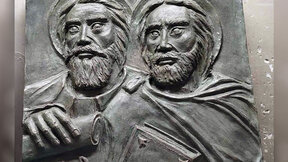
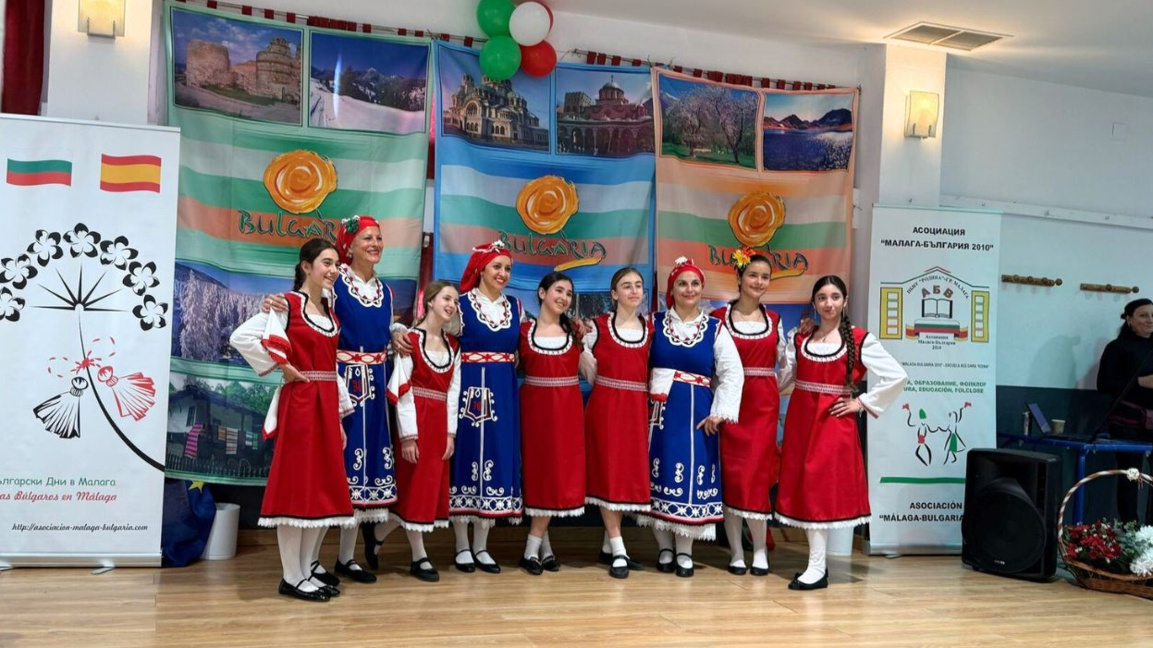
PHOTO Facebook /Asociación "Malaga-Bulgaria 2010" (2025)
Font size
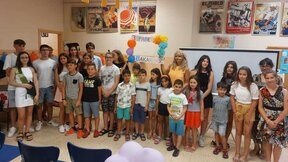
The now traditional cultural festival “Bulgarian Days in Málaga” is taking place this year on March 20 and 21. This is the 12th consecutive edition of the event, organized by the “Málaga-Bulgaria 2010” Association in partnership with the Bulgarian Embassy in the Kingdom of Spain, Bulgaria’s Ministry of Education and Science, the Executive Agency for Bulgarians Abroad, Trakia University, the Association of Bulgarian Schools Abroad, Málaga City Hall, and the Spanish association “Carranque” (Asociación de Vecinos Carranque).
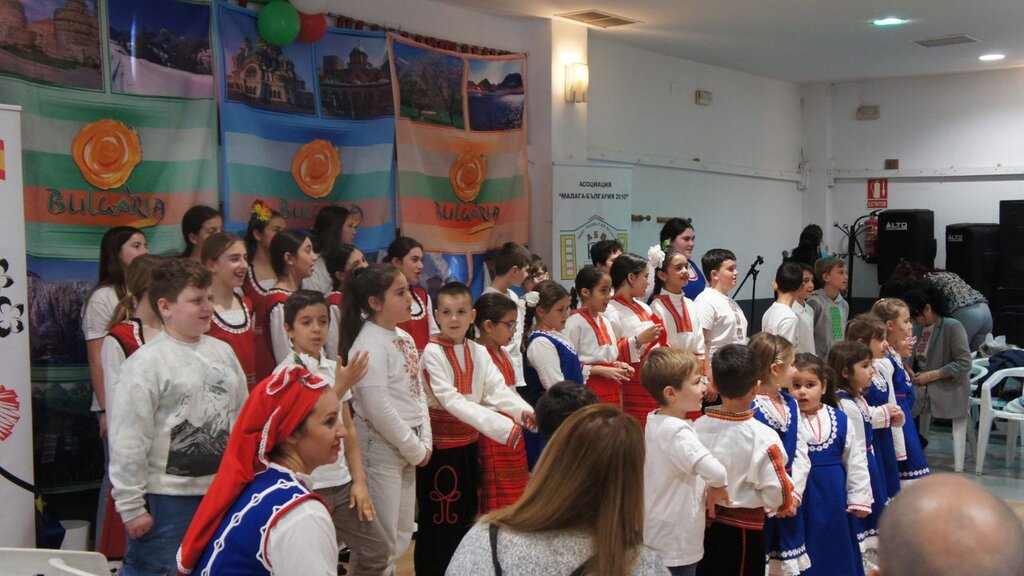
PHOTO Facebook /Asociación "Malaga-Bulgaria 2010"
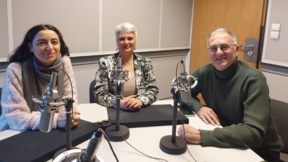
“To briefly tell you about the initiative we started 12 years ago, I have to go back to 2009-2010, when three Bulgarian women decided to create and register an association to unite our compatriots in the city of Málaga,” Petranka Kostadinova, chair of the association and founder of the First Bulgarian Sunday School “Rodina” in the Spanish city, told Radio Bulgaria. “Over the years, we’ve seen that when we are together, we can achieve a lot and reach great success. Our initial goals were charity - which we continue to carry out for children in need in Bulgaria - as well as establishing a Bulgarian school as a center for our language, culture, and traditions.”
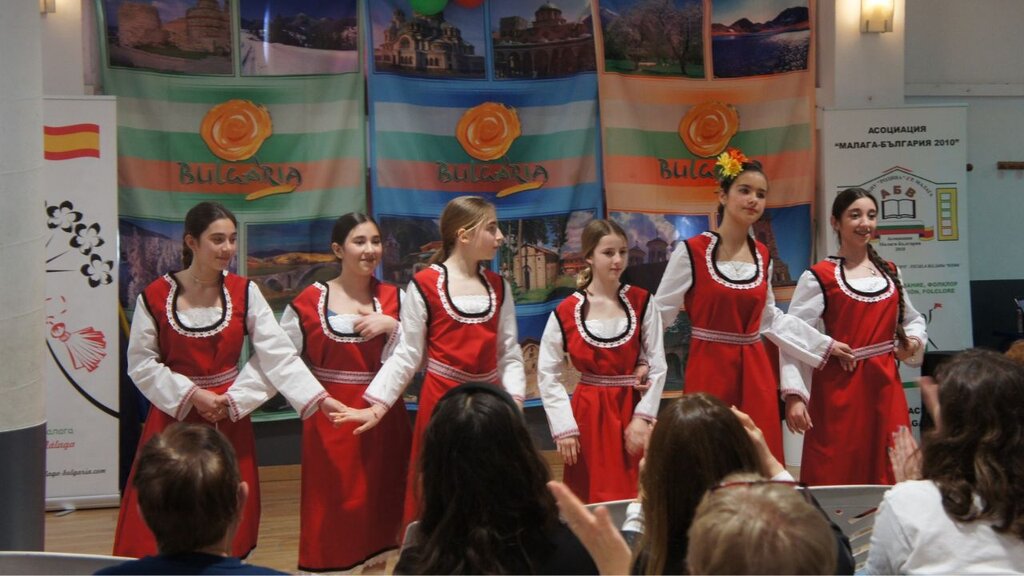
PHOTO Facebook /Asociación "Malaga-Bulgaria 2010"
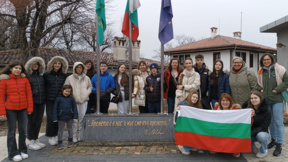
Thus, on October 7, 2011, the First Bulgarian Sunday School “Rodina” in Málaga opened its doors, welcoming nearly 70 Bulgarian children each year. “Our team is deeply dedicated and has been investing a great deal of energy and time for 16 years to teach our children, who are born here, the Bulgarian language and traditions,” Kostadinova adds.
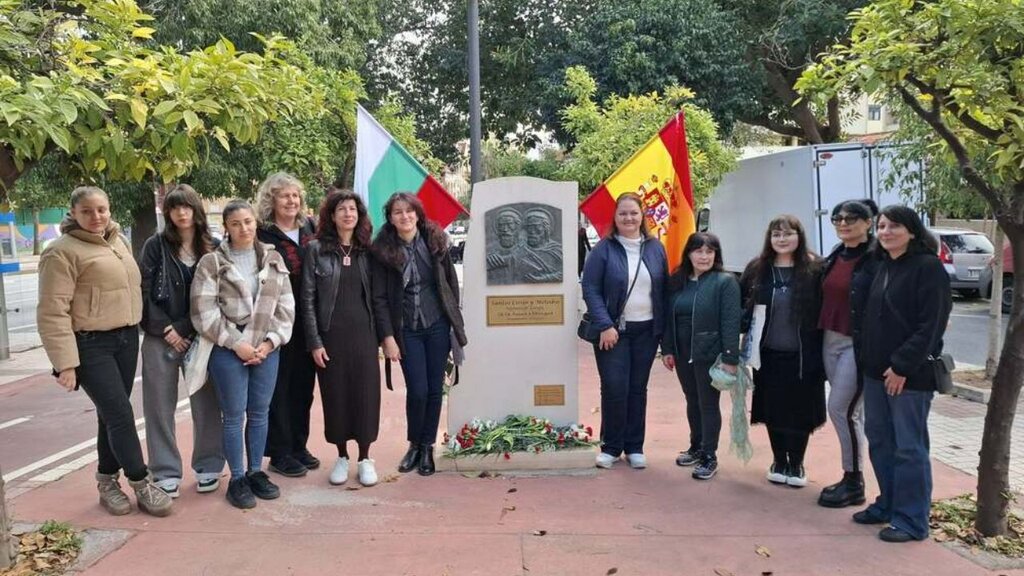
The team of the “Rodina” School in Málaga in front of the monument to the Holy Brothers Cyril and Methodius
PHOTO The First Bulgarian Sunday School “Rodina” in Málaga
In 2014, she and the association’s team decided to implement another idea - an event that would create friendships between similar international organizations following the same path, thinking and working in similar ways, and able to share valuable experience. This is how the “Bulgarian Days in Málaga” festival was born.
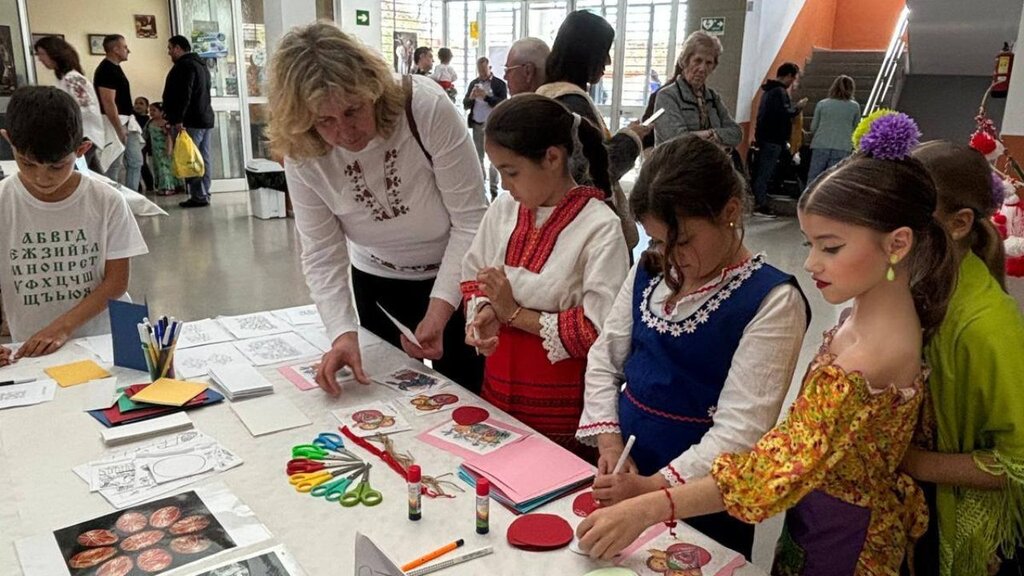
PHOTO Facebook /Asociación "Malaga-Bulgaria 2010"
“This year, the festival will open with a side event - a forum titled ‘I learn, I have fun, I create’ - focused on innovative approaches to engaging with the Bulgarian language in a foreign-language environment. It is a project under Module 3 - exchange of best practices - within the Ministry of Education’s ‘Native Language and Culture Abroad’ program. We will have presentations by representatives of Trakia University in Stara Zagora and the Southwestern University ‘Neofit Rilski’ in Blagoevgrad. The program will then continue with the participation of our special guests - students and their teachers from Bulgarian Sunday schools in Spain, Cyprus, Italy, Romania, and Bulgaria. On Saturday, the festival’s music program will feature many children, who will perform folk dances and songs. Bulgarian folklore has always been an integral part of our celebrations, as we safeguard our traditions and way of life. This is why we are very well received, and we also have Spanish groups participating with their own music and dances.”
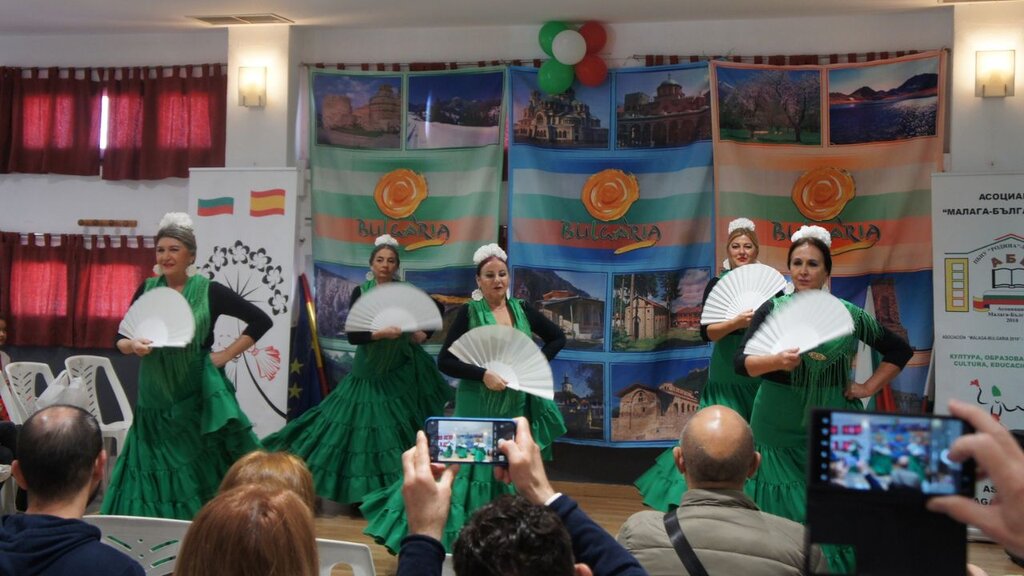
PHOTO Facebook /Asociación "Malaga-Bulgaria 2010"
Málaga is one of the oldest cities in Europe and among the most dynamic and rapidly developing areas in southern Spain, part of the Andalusia region. The birthplace of Pablo Picasso is now an attractive destination not only for lovers of beautiful beaches and sunny weather, but also for a growing number of digital nomads from around the world. The city is often described as a “lifestyle city”—a place where people not only work but also live well, achieving a good balance between the two. English is widely spoken, and one in six residents is a foreigner in this city of nearly 600,000 people. The population of Málaga province is close to 1.8 million, with over 20% being foreign nationals. All of this makes Málaga a welcoming place for every new and different culture - including the Bulgarian one, which has found a beautiful and comfortable “home” under the Andalusian sun.
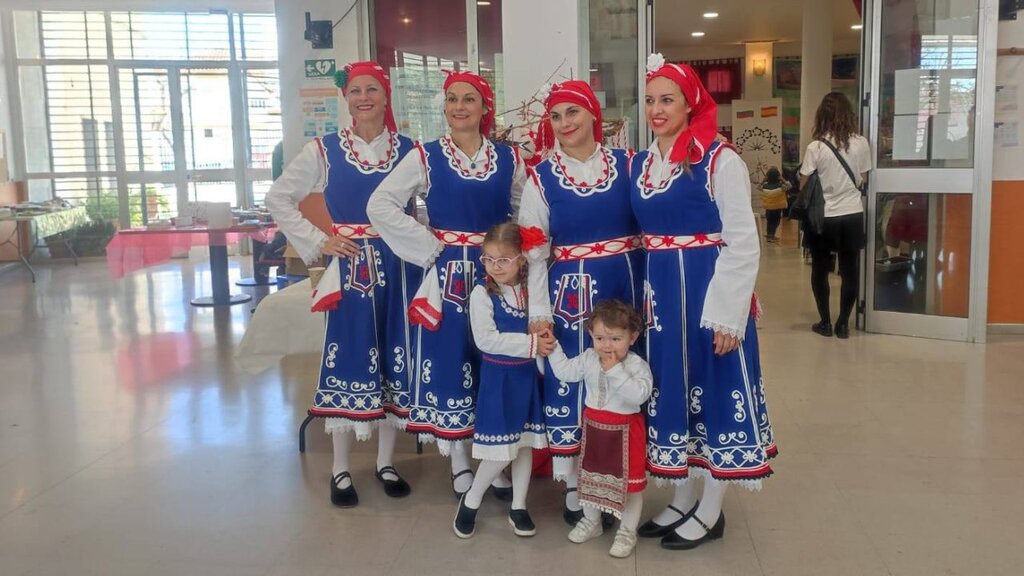
PHOTO Facebook /Asociación "Malaga-Bulgaria 2010"
“Bulgaria’s popularity is growing. Bulgarian schools contribute greatly to this because we preserve our way of life, culture, and traditions. In recent years, we have realized that to promote our language and our school, it is best to hold the festival in our own building. It is large and spacious, and the municipality makes great efforts to maintain it, even setting up an outdoor stage for us. We have excellent conditions, and in recent years we have been holding ‘Bulgarian Days in Málaga’ at the Bulgarian school. The building is provided by the municipality at a minimal rent, and we use it for our needs, just like many other local associations - we work in harmony with everyone. The Spanish people are kind and welcoming, and we admire that; we all dream that people in Bulgaria could live together just as harmoniously,” says Petranka Kostadinova.
Photos: Facebook /Asociación "Malaga-Bulgaria 2010", The First Bulgarian Sunday School “Rodina” in Málaga
English version: R. Petkova
This publication was created by: Rositsa Petkova