


Author
Diana Tsankova
News
Cybercriminals don't just hack phones, they hack the psyche of teenagers
Tuesday 31 March 2026 19:23
Tuesday, 31 March 2026, 19:23
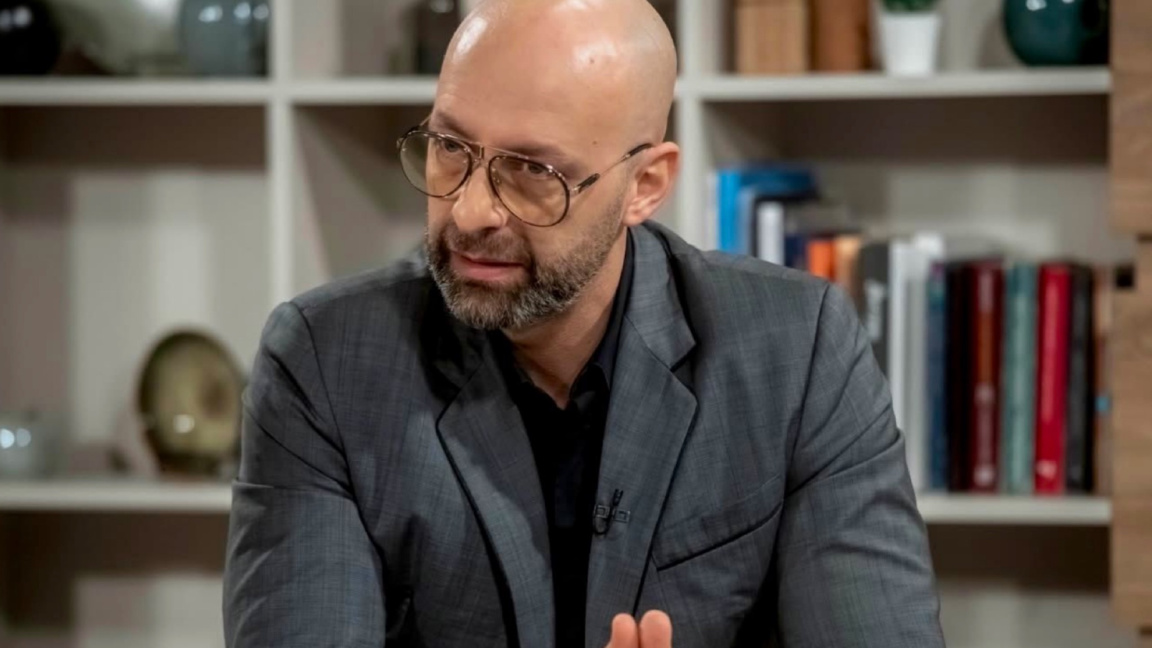
Prof. Dr. Ilin Savov
PHOTO personal archive
Font size
In the apparent security of home, boys and girls spend hours in a
virtual world. In the parallel reality, they most often do not
realize that the person on the other side could be a cybercriminal
who uses artificial intelligence, fake profiles and psychological
techniques as weapons.
The biggest dangers
that teenagers are exposed to in the Internet are three -
manipulation, which digital predators take advantage of, financial
fraud from games in various applications and the leakage of personal
data used for extortion and blackmail, says Prof. Dr. Ilin Savov, an
international expert in cybersecurity and cyber prevention with over
25 years of professional experience in the Ministry of Interior.
According to him, the main risk today is not technology, but trust,
which is in crisis. "Children think they are communicating with
peers on gaming platforms, but often these are criminals," he
says.
"Cybercriminals
operate in a multi-layered manner – they don't just hack the system
or the phone, they hack the psyche itself,“ the cyber specialist
continues. „They approach it by building trust and this is done by
creating fake profiles, building common interests and emotional
connections or using some kind of services. They initially ask for
photos, then personal information, addresses and subsequently involve
children in a game that gradually turns into blackmail. All this is
reinforced with artificial intelligence – voices, photos, even
entire personalities can now be simulated. In other words, 2026 will
also be the year of intelligent copying of reality."

PHOTO Cybercrime GDBOP
But
how can parents find
out
in time that something is happening to their children?
The
first signal is a change in behaviour – the child begins to hide
their
phone, shows aggression or anxiety in the home environment.
Unfortunately, many parents underestimate the real digital risk and
neglect it, but it is real and
working with them is as important as working with children.
"Children
don't say, they show through their behaviour and their silence is the
most dangerous signal. The parent must be digitally literate, not
just concerned and worried."
The
reaction of the institutions is essential in controlling the
phenomenon that is becoming a social epidemic.
PHOTO freepik.com
"These
crimes are new in the modern era, but the worrying thing is that we
are not well prepared to detect
and investigate them,“ Prof. Ilin Savov says. „They are some of
the most complex ones - they continue over time and are transmitted to all
family members. They are included in the Criminal Code, but the
reality is that they are developing faster than the countermeasure
systems. Their detection is a challenge because criminals operate
across
the
border,
while
the evidence, which is digital, is easily manipulated. We must also
add to this the fact that Bulgarian police officers are largely
unprepared to uncover them. The fight is no longer just legal, it is
technological and psychological, because the law exists but
criminals evolve faster."
The
expert
says
that the Criminal Code must be updated, the Criminal Procedure Code -
improved and adapted to the most modern methods and tools for
collecting evidence, while
the police - "armed" with exceptional tools to operate in
the digital world.
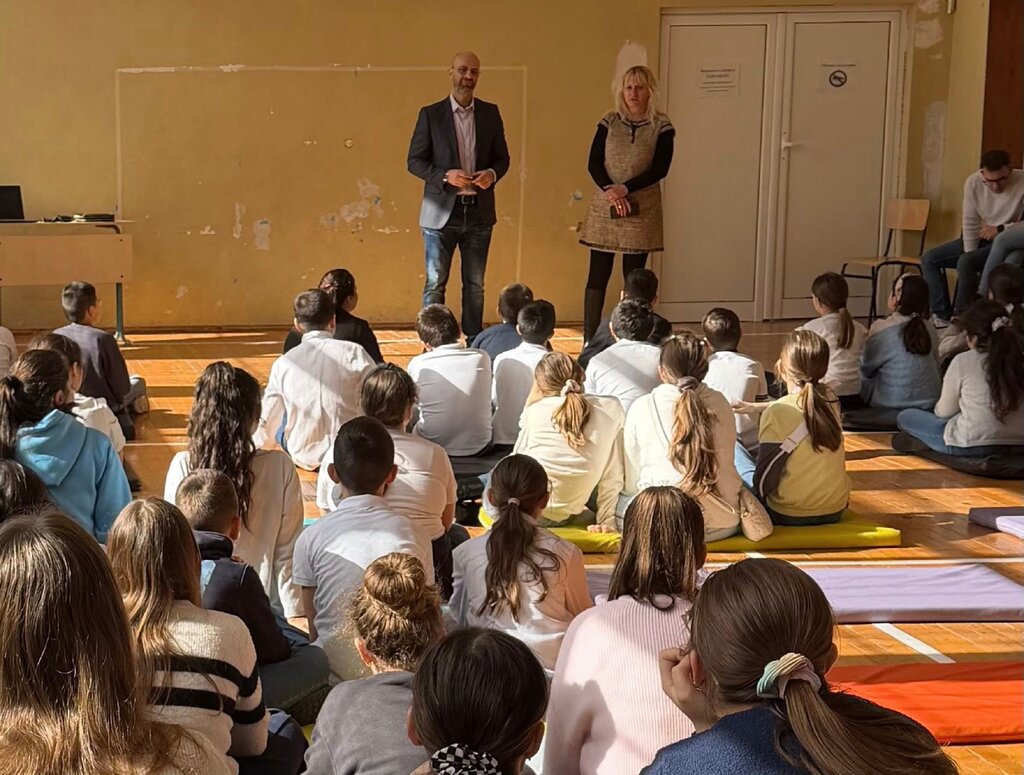
PHOTO Facebook/ Ilin Savov
"Over the past few years, the state has begun to wake up, albeit slowly, but not everywhere and not systematically enough," says Prof. Ilin Savov. "When I enter a school, I see that students want to understand and teachers want to help, but they often don't have the tools. That's why cyber learning must become part of education."
PHOTO dig.watch
Recently,
there have been discussions
on
limiting the use of social networks to a certain age as a means of
reducing cybercrime.
According
to Prof. Ilin Savov, the ban is not a solution as it creates
a hidden risk. He says
that the modern digital generation will find another way, especially
since it is not possible to shut down the world, but we need to
prepare children for it.

PHOTO freepik.com
Prof.
Ilin Savov will be one of the speakers at the national festival "The Found Generation: The Return", which will be held on April 18
and 19 in
the National Palace of Culture in Sofia. He will focus on risks
"without embellishment, imitation and fear, but with examples
and solutions."
"My
mission for years has been building
a society and
a state that does not react after the attack, but prevents it and is
prepared. This is our future,"
the
professor says.
This publication was created by: Alexander Markov