


Author
Ioan Kolev
News
Bulgarian film director develops virtual tour of Antarctic research base
Thursday 9 April 2026 11:22
Thursday, 9 April 2026, 11:22
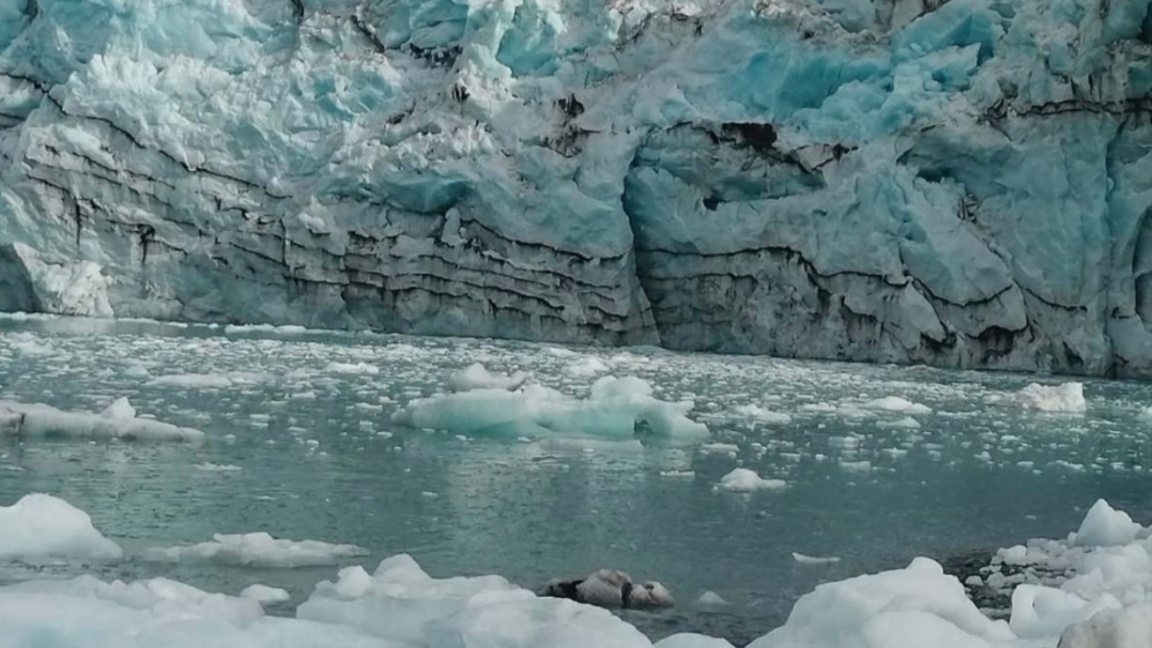
PHOTO Personal Archive
Font size
The Bulgarian research vessel St. St. Cyril and Methodius, along with part of the members of the 34th Bulgarian Antarctic Expedition, is returning to Bulgaria today. Its journey towards the Bulgarian coast began on February 17 and passed through the western Mediterranean, the Strait of Messina, the Ionian Sea, south of the Peloponnese Peninsula, the Aegean Sea, the Dardanelles, the Sea of Marmara, the Bosphorus and the Black Sea. During brief stops, the crew enjoyed emotional reunions with Bulgarian communities in Brazil and Argentina.
Among those returning to Bulgaria is film director Yordan Mihaylovski, whose work on the icy continent aims to promote the Bulgarian base and its scientific achievements. His idea is to create a digital replica of the base, for which he has filmed its buildings as well as the surrounding natural landscapes of this remote region.
Attending a seminar in China dedicated to new technologies in cultural production prompted Mihaylovski to reflect on the future of cinema and its evolving role and message over the next decade. He concluded that interaction with the surrounding environment will become an increasingly important part of the experience.
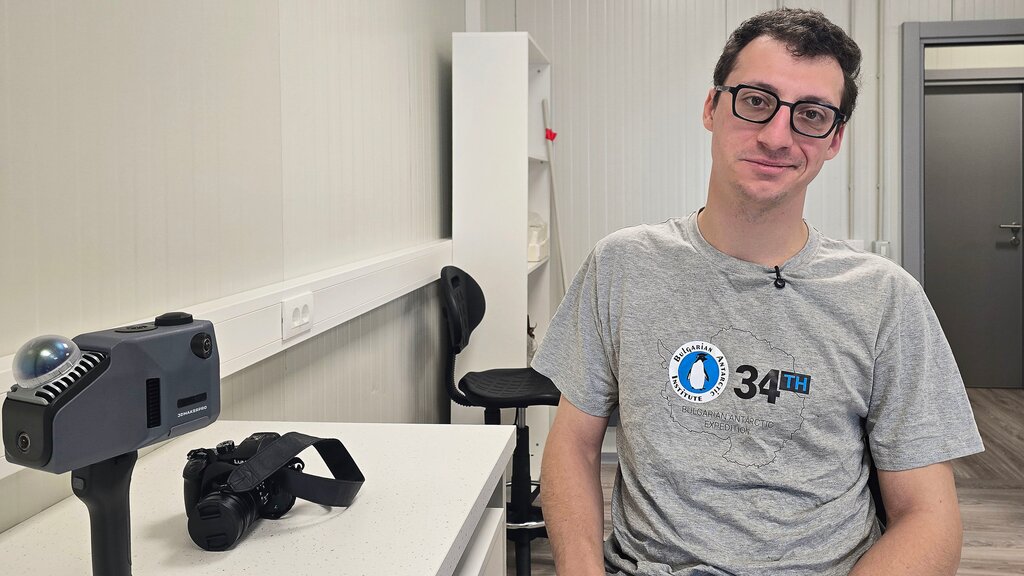
Yordan Mihaylovski
PHOTO BTA
“I wanted to create something that would make people interact with the space around them. I decided that my next project would be connected to virtual reality in some way. We’re very proud of the Bulgarian base in Antarctica, so I decided to create something dedicated to it,” he recalls.
Mihaylovski is the third member of his family to set foot on Antarctica, after his uncle, who worked as a doctor at the base years ago, and his father, who helped operate boats for collecting water and soil samples in 2018. Although he knows the organisers of the expedition well — Professor Hristo Pimpirev and physicist Dragomir Mateev — he prepared a special presentation to demonstrate the value of his idea.
“My idea is to create a digital twin of the base that engages and informs in three ways. Firstly, we present the past through old photographs and footage so you can experience how this place was established — those times were more chaotic than today; it felt like a mixture of play, smiles, charm, and struggle. It’s really cool for this archive to be more accessible, for example through VR.
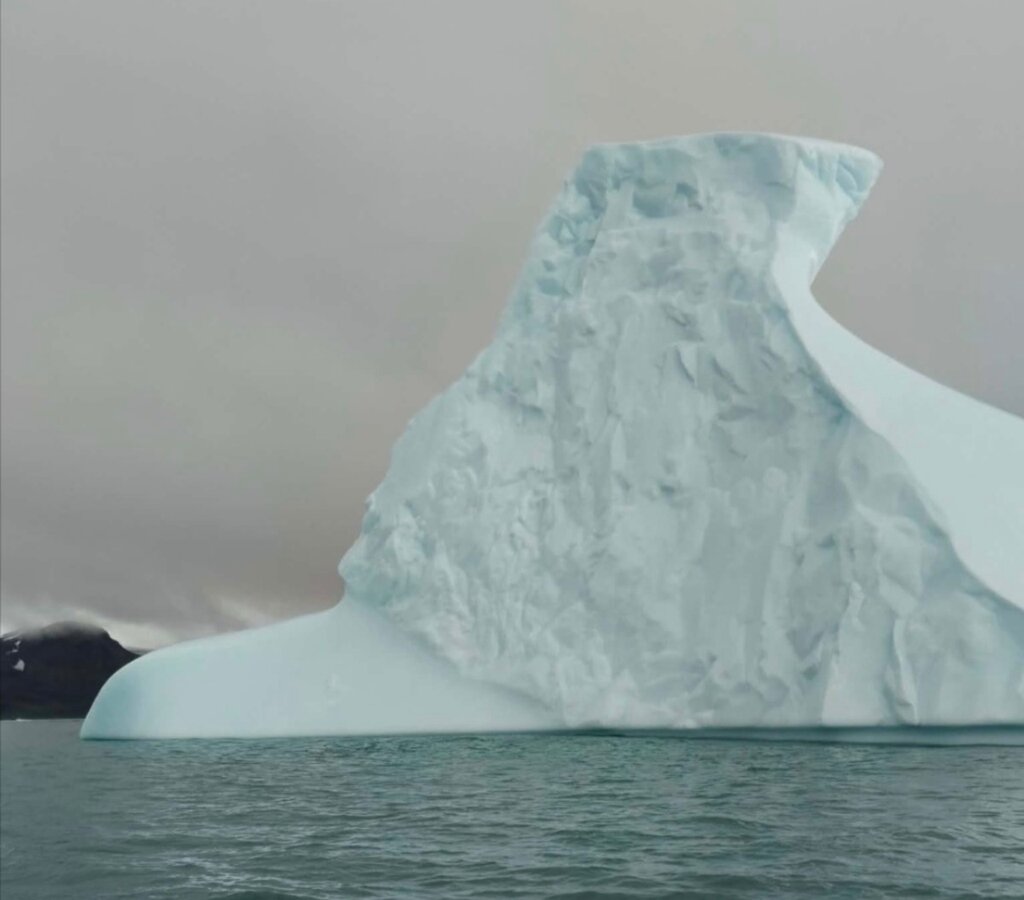
PHOTO Personal Archive
The second line is everyday life in Antarctica: how people live and what they eat. A lot depends on how productive they are, but there’s also a specific kind of humour that’s worth conveying — that human element. When you have characters and a real sense of human presence, it keeps you engaged with the story.
The third direction is the scientific achievements, which naturally need to be highlighted. If we say the project includes the past, present and future, then this is my vision of the future: a kind of laboratory where viewers can understand what lies ahead and the scientific advances we’ve achieved thanks to this base.”
Mihaylovski’s idea is to enable viewers to take a virtual walk through five of the seven buildings at the Bulgarian research station on the icy continent. This will give them an insight into the daily life, humour and hardships experienced by the Bulgarian teams, as well as their scientific work.
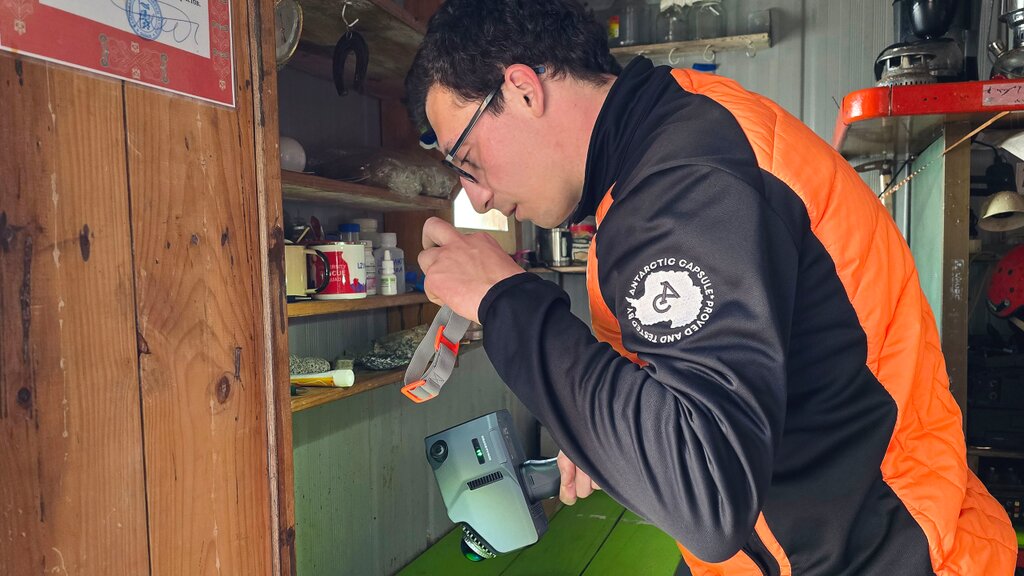
PHOTO BTA
“These buildings are located along a single path. Across from them, there is a bay which leads to the nearest glacier or a peak that separates the Bulgarian and Spanish bases. My idea is that, using virtual reality and a controller in hand, people can move along this path, enter the individual buildings, walk up to that peak or get into a boat in the bay and experience the beautiful scenery. The tour begins at the main building of the Bulgarian base, where daily briefings take place. It then moves on to the large sleeping quarters, the medical unit, and the workshop.”
Mihaylovski spent only three days on land in Antarctica, one of which was on a boat assisting with the collection of soil samples near the shore, and therefore was unable to film all of the buildings at the base. An important part of his project that has yet to be filmed is the oldest building on the island, known as 'The Lame Dog'. According to expedition leader Professor Hristo Pimpirev, it preserves the spirit of the Bulgarians who laid the foundations of the country’s work in Antarctica.
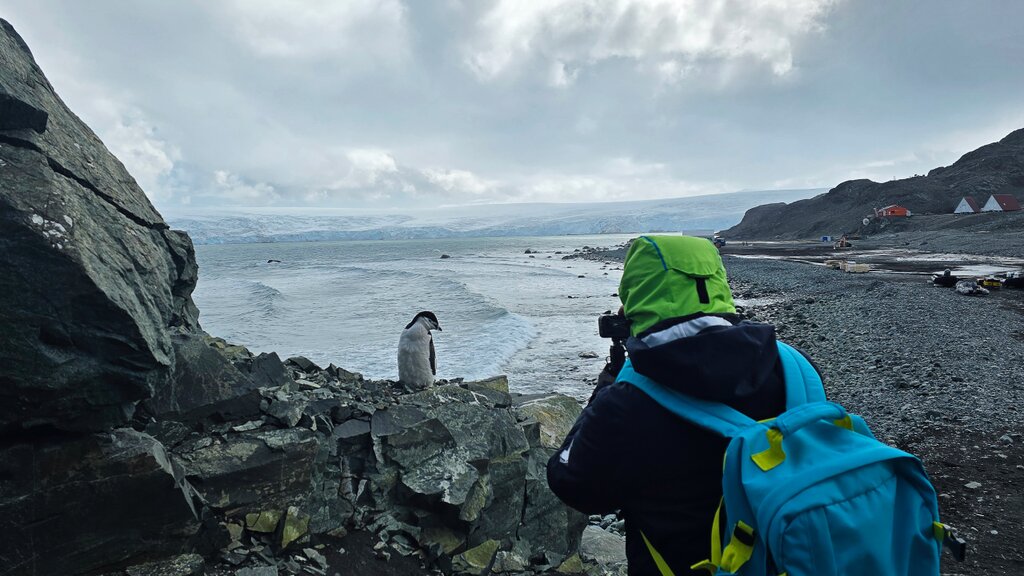
PHOTO BTA
“It is now a museum where you can explore and understand the history of our presence in Antarctica. My idea is for each of the objects preserved there to ‘tell’ a story through video, photographs, or additional information.”
Another building yet to be filmed is the chapel of St Ivan Rilski, which holds a special place in the hearts of Bulgarians so far from home.
The aim is to have the 3D tour fully completed by 2028, when the National Palace of Culture in Sofia will host the World Conference of Polar Researchers. This event is held every two years and brings together polar scientists from 22 countries, including the United States, China, Chile, Argentina, Germany and Russia.
Editor: Elena Karkalanova
This publication was created by: Elizabeth Radkova