Author
Darina Grigorova
On Good Friday, we share in the suffering of our Savior and learn to forgive
Friday 10 April 2026 06:05
Friday, 10 April 2026, 06:05
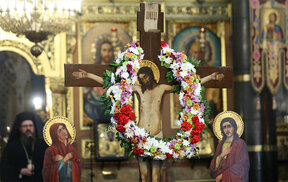
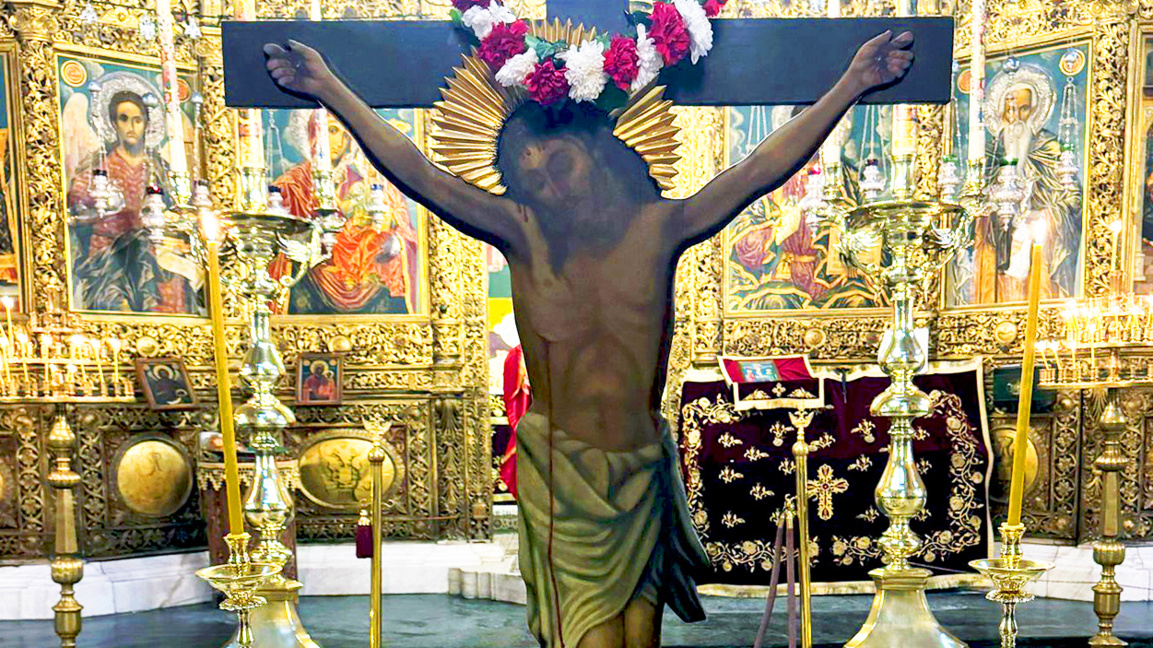
PHOTO BTA
Font size
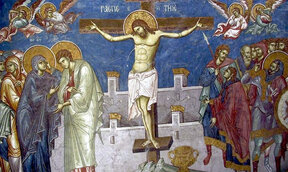
“We mourn the One who gave His life for us on the Cross, and at the same time we praise Him and give thanks for accomplishing this redemption,” notes Prof. Ivan Zhelev in a special interview for Radio Bulgaria. That is why on Good Friday, everyone who carries even a particle of God within themselves bows before the self-sacrifice of the Savior.
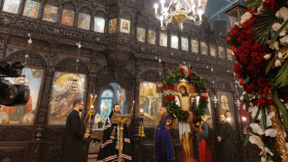
In Bulgaria, as well as in other Balkan countries, the shroud is placed in a flower-decorated bier (kouvouklion), symbolizing the Holy Sepulchre. The Gospel and the Cross are also placed upon it. The faithful bow and kiss, in sequence, the shroud, the Gospel, and the Cross, after which they pass beneath the bier, symbolically descending into the tomb. There, they leave behind pride and egoism, in order to rise again with the Savior into a new life - one of brotherly love, humility, and care for others.
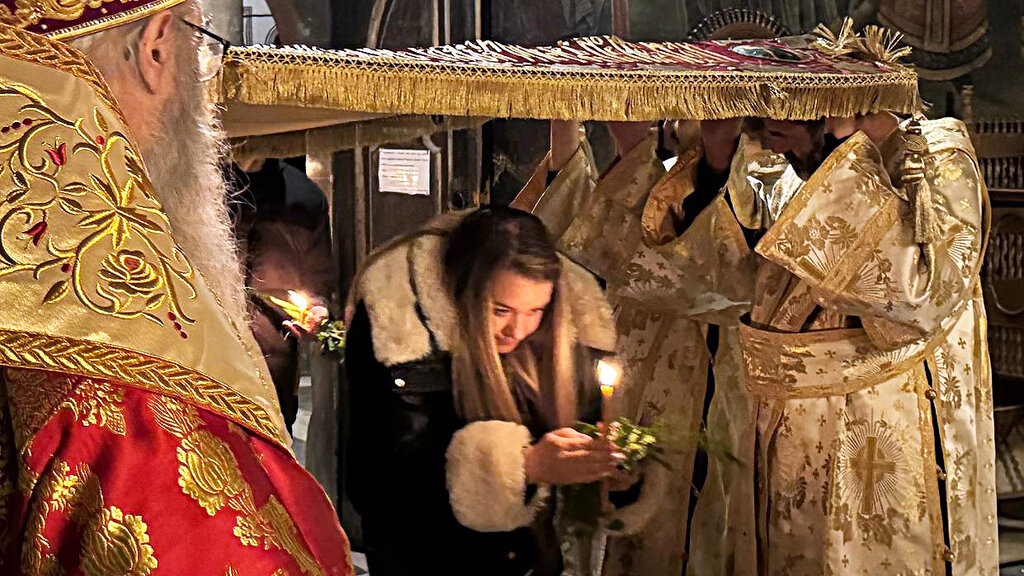
PHOTO BTA
According to Prof. Zhelev, what matters is not so much whether we manage to pass under the shroud, but whether we are able to humble ourselves spiritually and repent:
“Bowing down and kissing the Savior who was crucified for our sins is the least we can offer. Passing ‘under the table’ is not some magical act. It does not automatically bring a spiritual reward. We go to church - even those who are not particularly strong believers or regular practitioners of their faith feel the need to go and say, for example, ‘God, forgive me!’ Even saying these simple words - but not just uttering them, rather changing ourselves. Repentance, in Greek, is a word that means a change of mind. That is, we must change our way of thinking, not merely perform some act - buying candles, lighting them, praying briefly, or passing ‘under the table’ and expecting something magical to happen. The change must first occur within us, in our souls.”
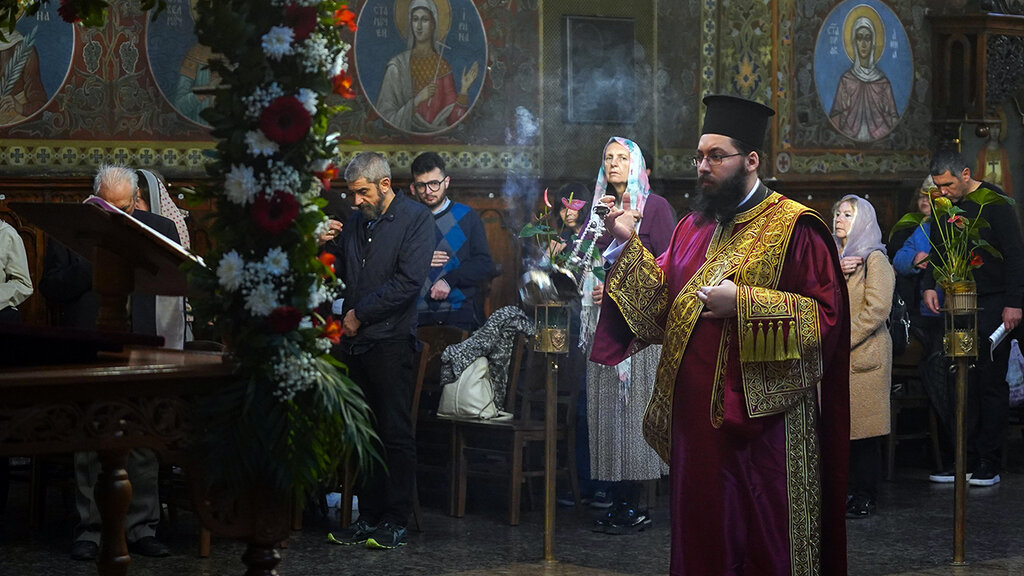
PHOTO BGNES
For this reason, priests call on the faithful who truly wish to prepare themselves and experience the grace of the Bright Resurrection of Christ to be genuinely present - to feel both immeasurable sorrow and immeasurable gratitude. To sense with their souls the Savior, suffocating in pain, who forgives those who torment Him. Forgiveness itself is the measure of love. It is the example of how to forgive when we are unjustly hurt. In that moment, we are called to forgive - not because the one who hurt us deserves it, but because Christ forgave us when we did not deserve it.
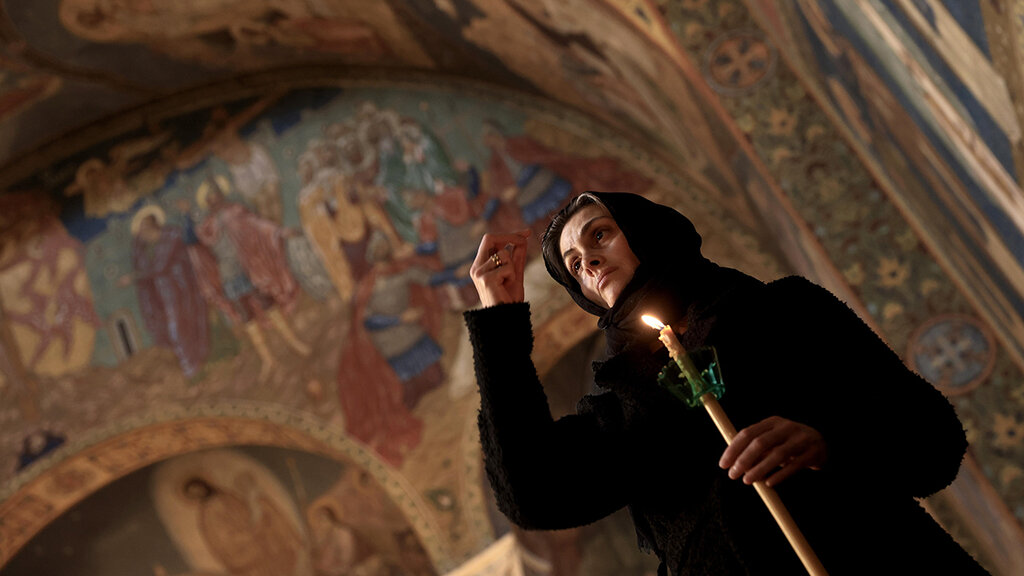
PHOTO BGNES
“This is the paradox - that the Savior of the world was counted among criminals and crucified,” Prof. Zhelev notes, adding:
“All of this is described in the liturgical texts during these days - it is read, it is sung. Unfortunately, not everything in these hymns is understood, yet it is so beautifully expressed, because the texts were created by the finest poets of the early Middle Ages. They developed what we call religious hymnography. These hymns are still performed to this day, translated in a remarkable - one might say perfect - way by the holy brothers Cyril and Methodius and their disciples. Later, over the centuries, up to the time of Saint Patriarch Euthymius, that is, until the 14th century, everything had already been translated into Old Bulgarian, and we still have these texts today.”
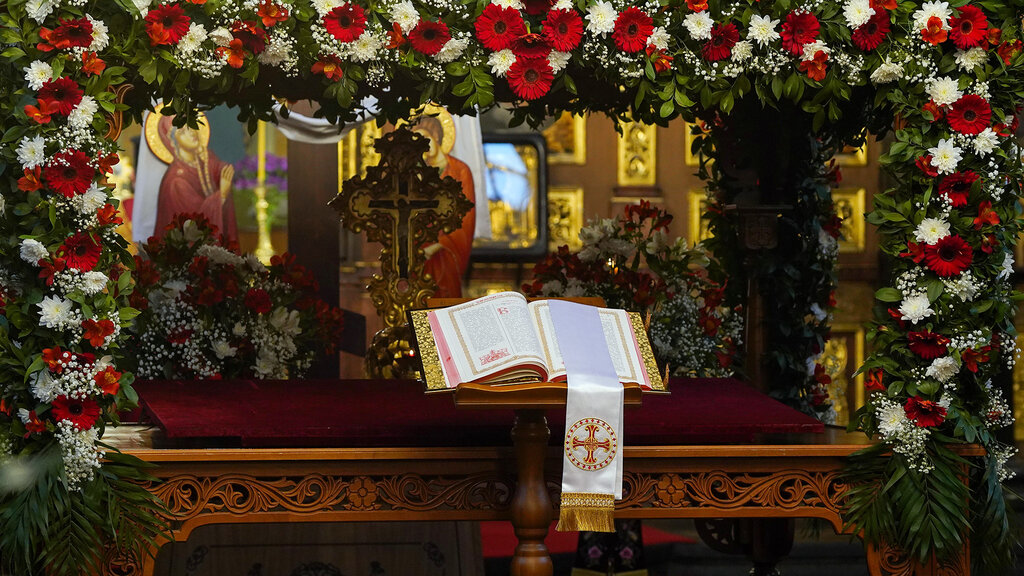
PHOTO BGNES
Therefore, anyone who wishes to relive the events of the Holy Week can find them in the New Testament, as described by Christ’s disciples - the evangelists Luke, Matthew, John, and Mark. They are also available in the new application of the Bulgarian Orthodox Church, in the Bible section.
English: R. Petkova
This publication was created by: Rositsa Petkova