


Author
Gergana Hrischeva
News
Prostate cancer is the most common oncological disease among men in Bulgaria
Bulgaria ranks second in the Balkan region in robotic urological surgeries
When prostate cancer is detected early, surgical treatment can lead to a permanent cure, says National Consultant in Urology Prof. Marin Georgiev
Wednesday 15 April 2026 13:55
Wednesday, 15 April 2026, 13:55


PHOTO Pixabay
Font size
Prostate cancer is the most common oncological disease among men in Bulgaria, and the number of newly diagnosed cases continues to rise. At least 3,500 new cases are detected annually, with advanced-stage diagnoses being 50% more frequent than in the rest of Europe. These data were presented in the specialized healthcare podcast of BulgarianNational Radio “In the Center of the System” by Prof. Marin Georgiev - Head of the Urology Clinic at Alexandrovska University Hospital, Chairman of the Bulgarian Urological Society, National Consultant in Urology, Head of the Prostate Center at Doverie Hospital, and member of the European Association of Urology.
According to him, the key to successful treatment is early diagnosis, and the good news is that more patients in Bulgaria are now being diagnosed at an earlier stage.
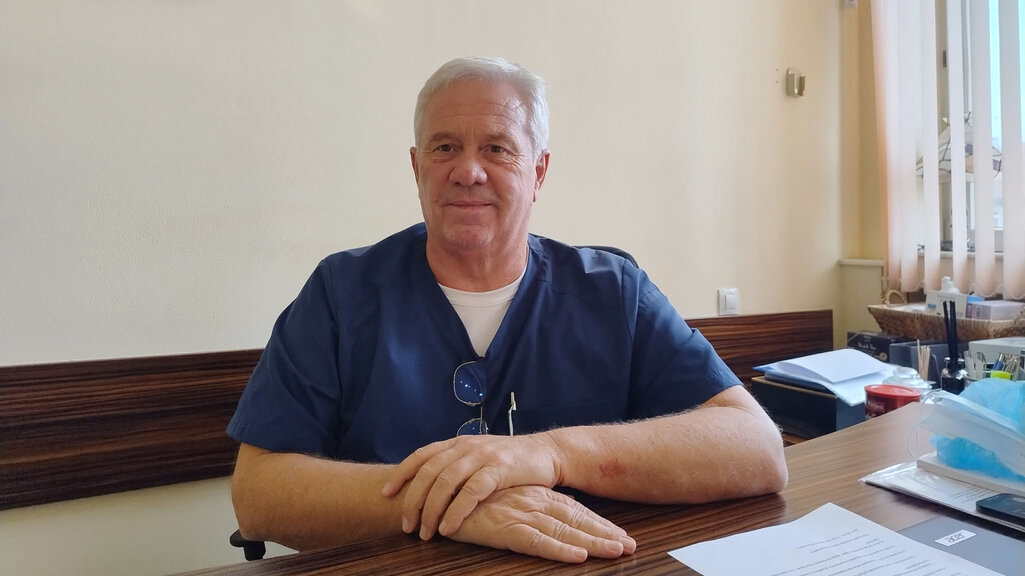
Prof. Marin Georgiev
PHOTO Gergana Hrischeva
“This is the solution because when prostate cancer is detected early, surgical treatment can lead to a permanent cure. There is increasing public awareness, and the prostate-specific antigen test - which costs about €10 - can save lives. Early detection is already recognized by the European Association of Urology and is included in the European Parliament’s health committee funding plans. The problem is identified and confirmed scientifically - early diagnosis is vital. Medicine now offers not only modern robotic surgery but also radiotherapy, immunotherapy, and hormone therapy. However, the definitive ‘gold standard’ treatment remains surgery,” Prof. Georgiev said.
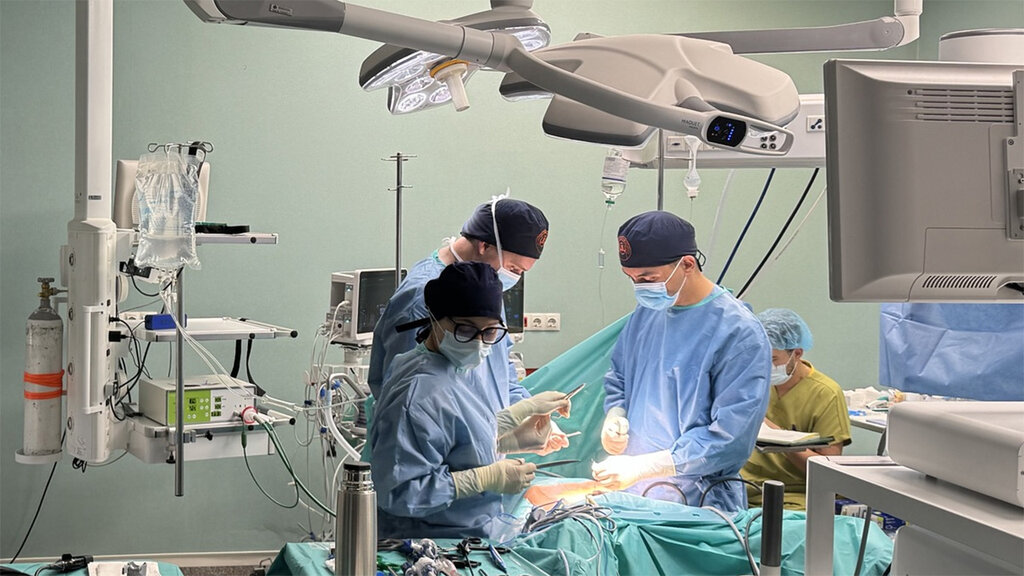
PHOTO facebook.com/Alexandrovskahospital
There is also a trend toward younger patients developing prostate cancer. Sons of men with this diagnosis are four times more likely to develop the disease, he noted, adding:
“Prostate cancer may have no symptoms related to urination. Even in advanced stages, the first signs may be linked to metastases - such as bone or lower back pain. That’s why every man over the age of 50, even without symptoms, should undergo annual screening - ultrasound and PSA testing (the tumor marker of the prostate). Even with normal PSA levels, cancer can still be present in 5-10% of cases. If markers are slightly elevated, patients are monitored every six months, and if needed, MRI is used for precise diagnosis’, says prof. Georgiev.
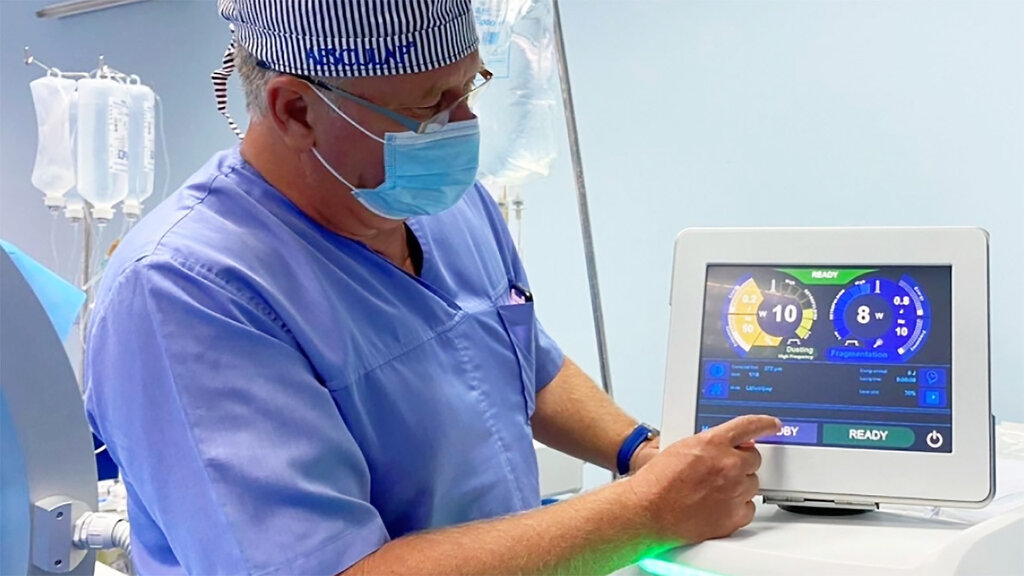
PHOTO alexandrovska.com
Significant advances in robotic surgery allow for less invasive treatment and faster recovery:
“Recovery is quick - 4 to 5 days in hospital and up to two weeks at home, after which the patient can resume normal activities.”
Long-term survival in early-stage cases can reach up to 20 years, and even in cases of recurrence, additional therapies can ensure high survival rates, the specialist explained.
Data show significant differences in surgical treatment rates for prostate cancer across the Balkan region. In Bulgaria, around 1,600-1,700 such operations are performed annually, placing the country second after Greece, where about 3,000 procedures are carried out each year. In Cyprus there are about 220 operations, in Romania - 800, in Hungary - 500, and in Croatia - 200, says Bulgaria's National Consultant in Urology.
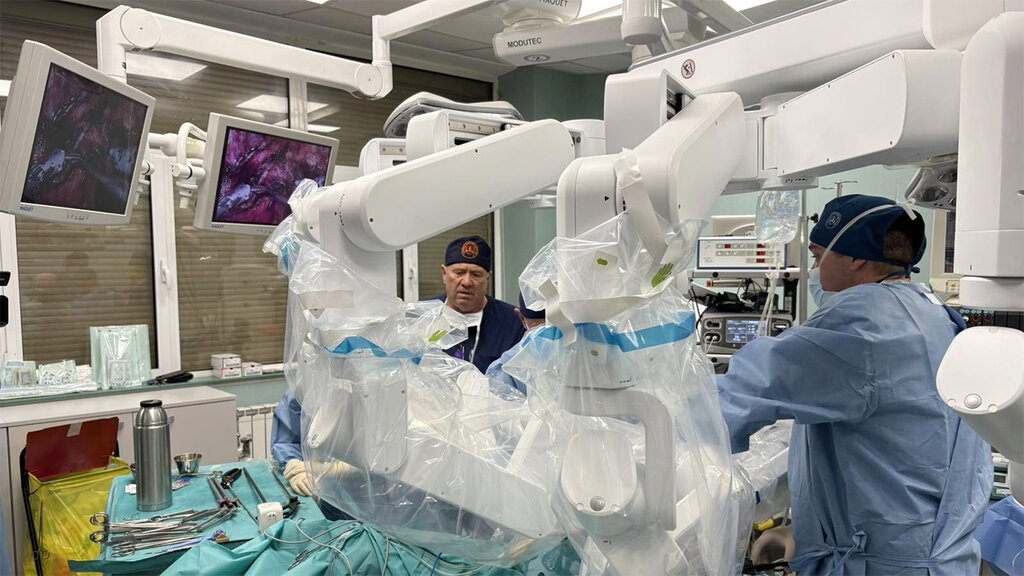
PHOTO facebook.com/Alexandrovskahospital
Robotic treatment has been used in Bulgaria since 2010. While top global programs perform around 300 surgeries annually, the Prostate Center led by Prof. Georgiev performed 360 such operations in 2025 alone. In addition to the center in Sofia, there are 11 active robotic surgery programs in the country, with another 7–8 systems available. “Bulgarian patients do not need to seek treatment abroad,” Prof. Georgiev emphasizes.
The growing number of surgeries is an indirect indicator of improved diagnosis and detection, he added, concluding that Bulgarian urology is now at a world-class level.
Photos: Gergana Hrischeva, facebook.com/Alexandrovskahospital, alexandrovska.com, Pixabay
Interview: Gergana Hrischeva
Editor: Elena Karkalanova