


News
April 30 is International Jazz Day
On sincerity and emotion in music - meeting jazz pianist Dimitar Gorchakov
Thursday 30 April 2026 14:40
Thursday, 30 April 2026, 14:40
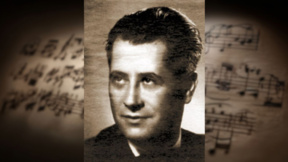
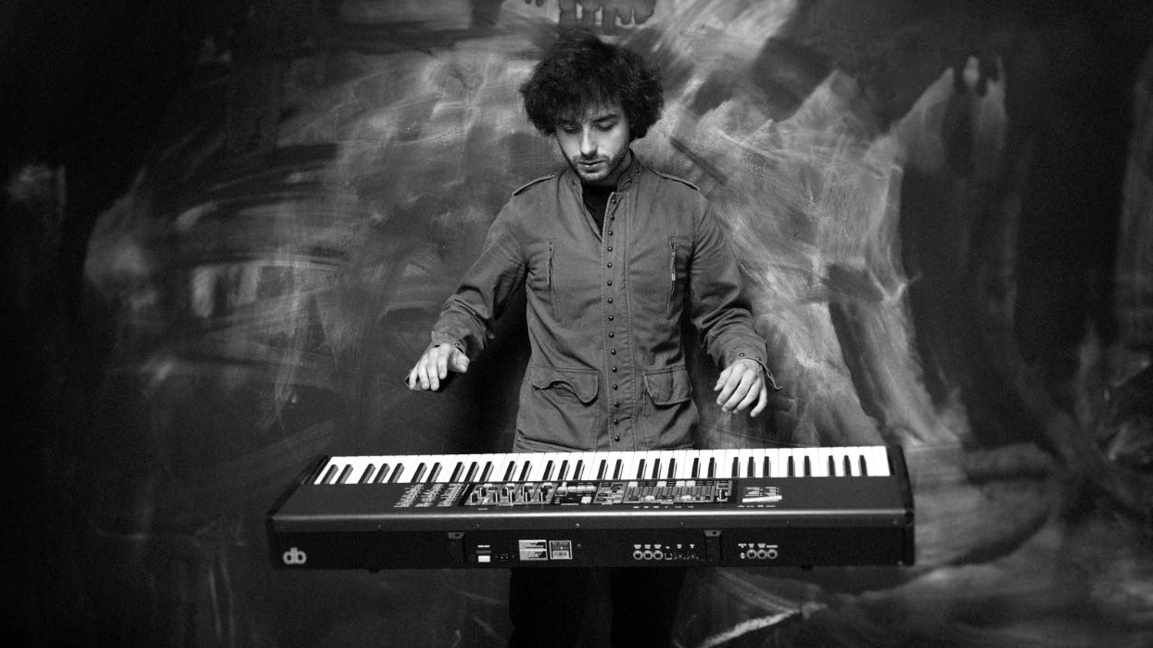
PHOTO Facebook / Dimitar Gorchakov
Font size
In 2011, at the initiative of world-renowned American pianist and composer Herbie Hancock (Herbert Jeffrey Hancock), UNESCO proclaimed April 30 as International Jazz Day. The decision was later endorsed by the United Nations General Assembly at the end of 2012. Its aim is to highlight the role of this music in the contemporary world and to unite musicians and audiences around one of the most freedom-loving and improvisational forms of musical expression.
Each year, the initiative designates a global host city, selected by UNESCO and the Herbie Hancock Institute of Jazz. In 2026, this is Chicago -Hancock’s hometown. International Jazz Day is marked across the globe through a wide range of events, all guided by the idea of fostering intercultural dialogue and mutual understanding, promoting freedom of expression, and strengthening the role of young people in social processes.
Emerging in the early 20th century in the United States, jazz blends African and European musical traditions. Although born across the Atlantic, the genre quickly spread throughout Europe, reaching Bulgaria as well, where it first gained popularity thanks to composer and conductor Asen Ovcharov, who also founded the country’s first jazz club.
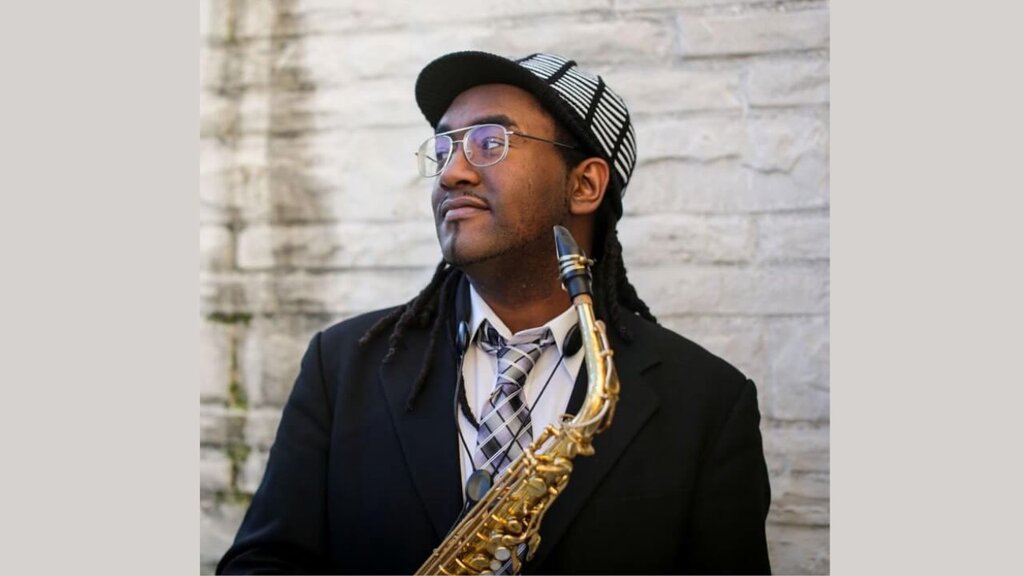
Patrick Bartley
PHOTO fest-bg.com
Among the notable events in Sofia marking International Jazz Day is the visit of one of the finest alto saxophonists of the new generation - Patrick Bartley. He is in Bulgaria to present his quartet and a new original programme at Hall 3 of the National Palace of Culture, and will also lead a masterclass at the National Academy of Music Prof Pancho Vladigerov.
Meanwhile, the Vlaykova Cinema will host a concert from the Just Jazz Jam series, featuring pianist Vasil Spasov, guitarist Vilizar Gichev, bassist Veselin Veselinov Eko and drummer Teodor Toshkov.
In the spirit of the motto of the jazz capital New Orleans - “Let the good times roll” - comes the message of one of the young yet already established figures on Bulgaria’s contemporary jazz scene, pianist Dimitar Gorchakov:
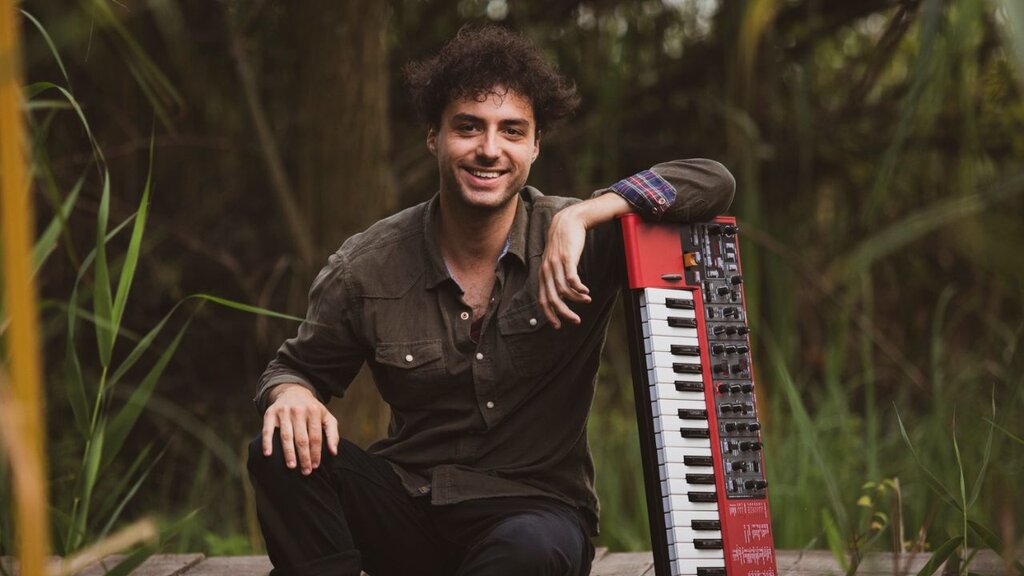
Dimitar Gorchakov
PHOTO Sofia Art Institute
“My wish to all colleagues is to make music with love. Find what you truly enjoy and pursue it with complete dedication. Jazz is often described as 100% freedom - of course, it also involves a great deal of work - but the idea is to express yourself freely and sincerely, to play things in a way no one has ever done before, as you feel them in that very moment. Approach life in a jazz way - let us not forget that impulse to rejoice in life,” says Dimitar Gorchakov.
“If you approach performing different styles as a task, as something imposed rationally, it is very likely it will not come naturally or easily,” the young pianist believes. He emphasizes that the blending of genres and improvisation must stem from a deep inner necessity - just as jazz itself does.
“Of course, a certain mindset is required, but I believe my classical education has given me the ability to shift between different states. To perform a piece, you must enter a specific frame of mind. There is a vast difference between playing Johann Sebastian Bach, Dmitri Shostakovich, or another 20th-century composer. You have to be drawn to the idea that you can perform different works and thus step into different roles. In short, you must first understand what you truly like in order for the music-making to happen. You are always learning, but if you approach it only analytically, it doesn’t work. There must always be a measure of heart - that is what helps me do it much more easily.”
Dimitar expresses deep gratitude to his teachers at the National Music School Lyubomir Pipkov and the National Academy of Music Prof Pancho Vladigerov - Bogomila Nyagolova and Yulia Tsenova. Through them, he encountered the music of composers such as Ludwig van Beethoven, Wolfgang Amadeus Mozart, Frédéric Chopin, Sergei Rachmaninoff and Alexander Scriabin, as well as leading figures of the Bulgarian musical tradition such as Lyubomir Pipkov and Pancho Vladigerov, who incorporated elements of Bulgarian folklore into their works.
“It is important to be guided both musically and technically, whether one becomes a professional or remains an amateur,” Dimitar believes:
“At first, a young person does not always understand what they are listening to. It affects them mainly on an emotional level, but with time and experience you begin to realise the means these composers used to influence both the performer and the audience. That is why I am very grateful to have had the opportunity to encounter their works.”
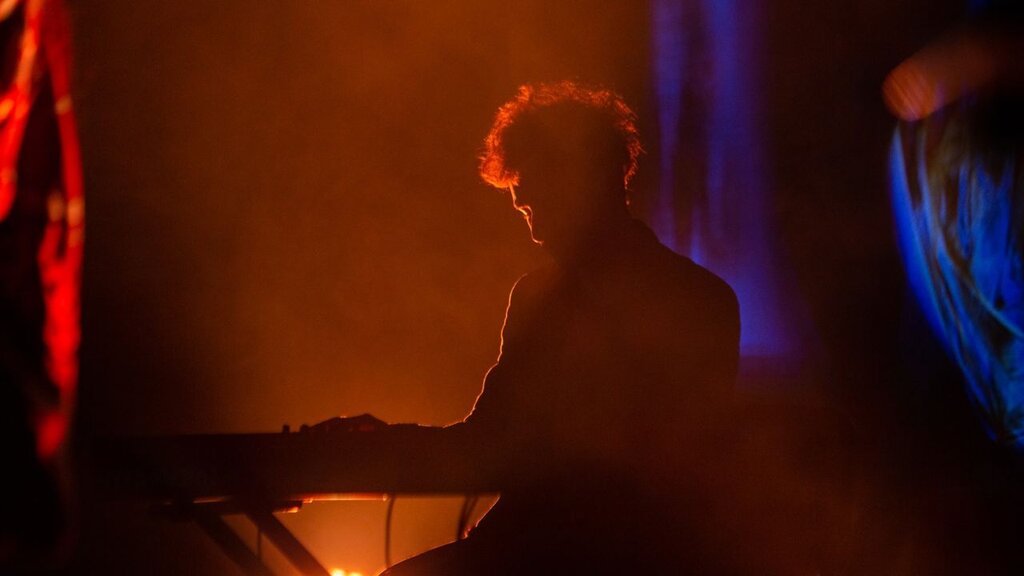
PHOTO Facebook / Dimitar Gorchakov
Speaking about his encounter with the piano, he shares:
“I was not the one who chose the piano - rather, my parents decided to enroll me in lessons to see whether it would work. It seems it did, because I began to enjoy it from an early age. There were difficult moments, even a desire to give up, but those passed. Perhaps I was fortunate to preserve a sense of sincerity in everything I do - and I will most likely remain that way.”
Among his contemporary inspirations on the Bulgarian scene, Dimitar highlights pianist and Big Band conductor at the Bulgarian National Radio Antoni Donchev, kaval virtuoso Theodosii Spassov, gadulka player Hristina Beleva, guitarists Petar Milanov and Angel Demirev, folk singer Yanka Rupkina and The Mystery of the Bulgarian Voices choir. In electronic music, he points to Ivan Shopov and Strahil Velchev as key influences.
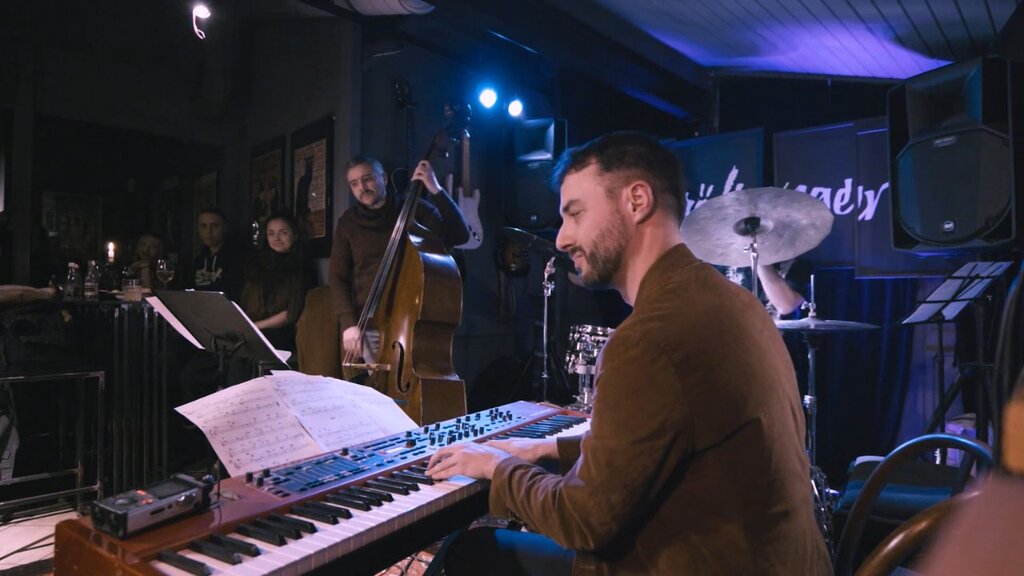
PHOTO YouTube /Dimitar Gorchakov
In 2021, Dimitar Gorchakov presented a solo photography exhibition combined with a musical performance titled Dark Light. That same year saw the release of his debut album of original works for solo piano, Tomorrow’s Past, which he presented with special concerts in Sofia and Cyprus. The album earned him a nomination for the Crystal Lyre Award of the Union of Bulgarian Musicians and Dancers in the Jazz category.
Despite this recognition, the young artist does not yet define himself as a composer:
“To be a composer is a very specific vocation and requires total dedication. For now, I am simply someone who translates ideas from my heart and mind into music. What led me to composition is the desire for freedom and for expression in my own way. I have loved improvisation since childhood. I do not set myself the ultimate goal of creating a ‘serious’ composition; rather, I see it as a form of play - after all, in most languages, to play the piano literally means ‘to play’. The compositional process, in my view, should not be overly solemn; it should contain an element of surprise and enjoyment. The ideas that accumulate within me take shape in a compositional form, allowing me to say that I have created a piece - one that I always strive to imbue with an improvisational spirit.”
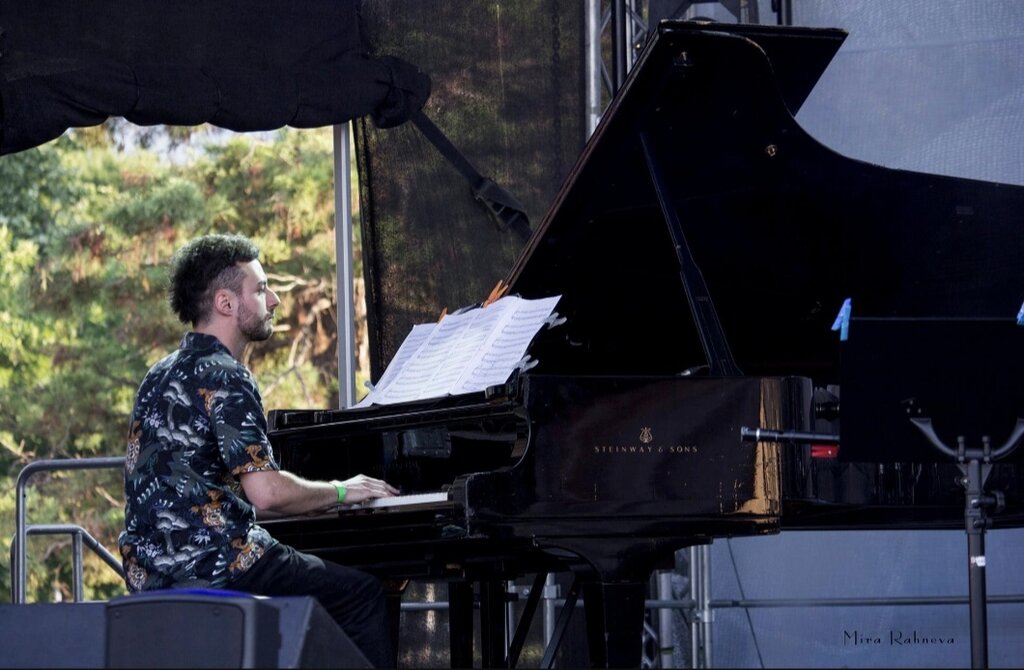
PHOTO Dimitar Gorchakov
Edited by Elena Karkalanova
English: R. Petkova