


Author
Gergana Mancheva
News
Podkrepa Union: For May 1 we want “security, jobs and wages now!”
Bulgaria still has no law on trade unions, which complicates the protection of journalists’ rights, says Snezhana Todorova, chair of the Union of Bulgarian Journalists (UBJ)
Friday 1 May 2026 07:05
Friday, 1 May 2026, 07:05
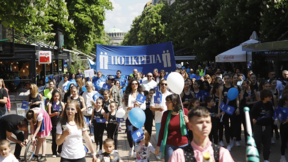
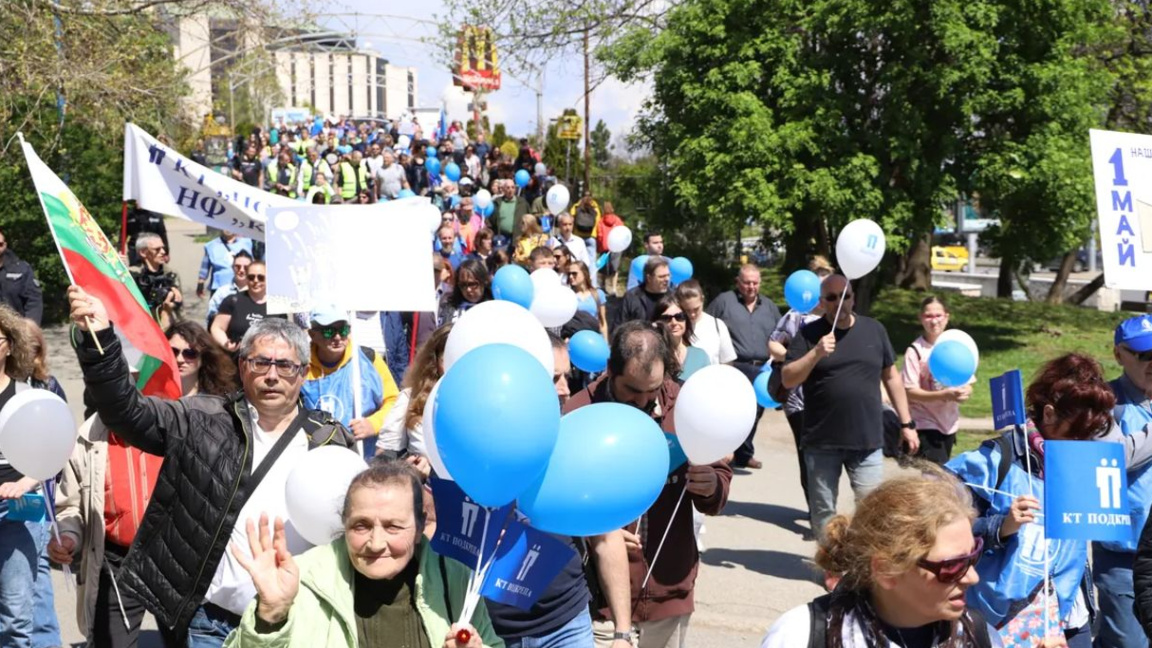
PHOTO BGNES
Font size
May 1 is the International Workers’ Day and the Day of Workers’ Solidarity, an official holiday and non-working day in Bulgaria, as well as in many countries around the world. The holiday has been officially recognized since 1939 and is traditionally marked with marches and rallies organized by trade unions. This year is no exception.
Exactly 140 years ago in Chicago, 300,000 workers, united in their trade unions, raised their voices in demand for the regulation of an eight-hour working day. Bulgaria is not far removed from this historic date, and May 1 began to be observed in the country in 1890, only four years after the events in Chicago.
“Bulgarian workers are highly conscious laborers who, no less than their brothers across the Ocean, understood the need for regulation of the rules related to their labor,” says Eng. Ioannis Parteniotis, Vice President of “Podkrepa” trade union. He also recalls the achievements of trade unions over the decades:
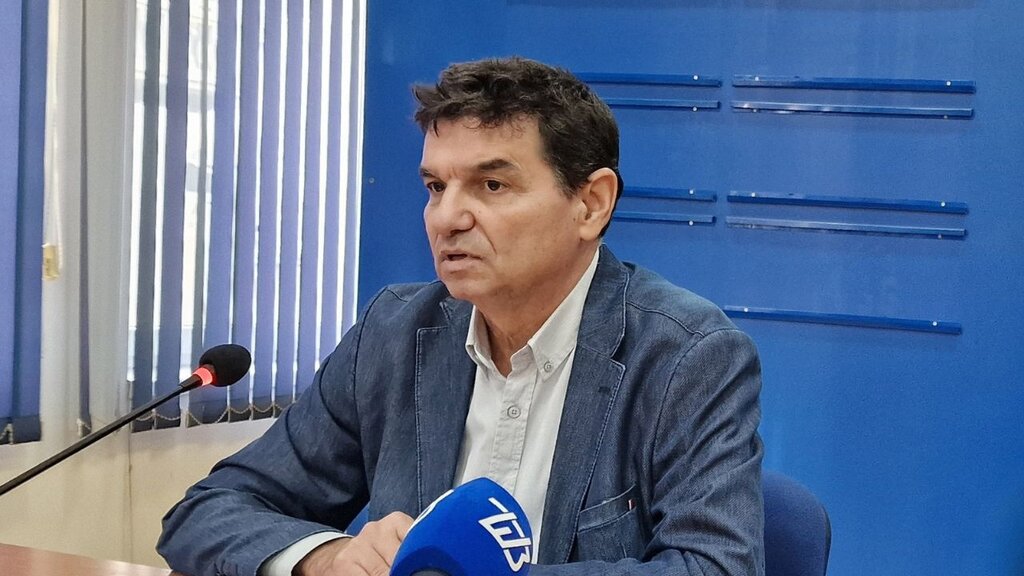
Ioannis Parteniotis, Vice President of “Podkrepa” trade union
PHOTO BTA
“All these ‘givens’ today, such as the 8-hour working day, the 5-day working week - we remember when our parents still worked on Saturdays as well, meaning the working week was six days - as well as maternity benefits, unemployment benefits, temporary disability compensation, work clothing, working conditions, paid leave, and so on - were all won step by step by our predecessors and partly by our own generation. These are not givens; they must be defended and further developed. Life is dynamic, conditions of work change, and this brings us to the issue of education, qualification, and additional training of workers. This, in turn, creates conditions for job losses and the replacement of roles with new technologies. We must take this into account when conducting dialogue with employers and state institutions.
The world, and Bulgaria as part of it, lives under completely different conditions today - current challenges are both internal and external. For example, ongoing military conflicts that not only fail to subside but add new problems related to the supply of oil, raw materials, and logistics. Not least are the requirements imposed by the EU itself through the so-called Green Deal and related carbon emissions, which increase electricity prices and undermine the competitiveness of European, and in particular Bulgarian, industry compared to the rest of the world. All this affects the well-being of our society, part of which are the working people.”
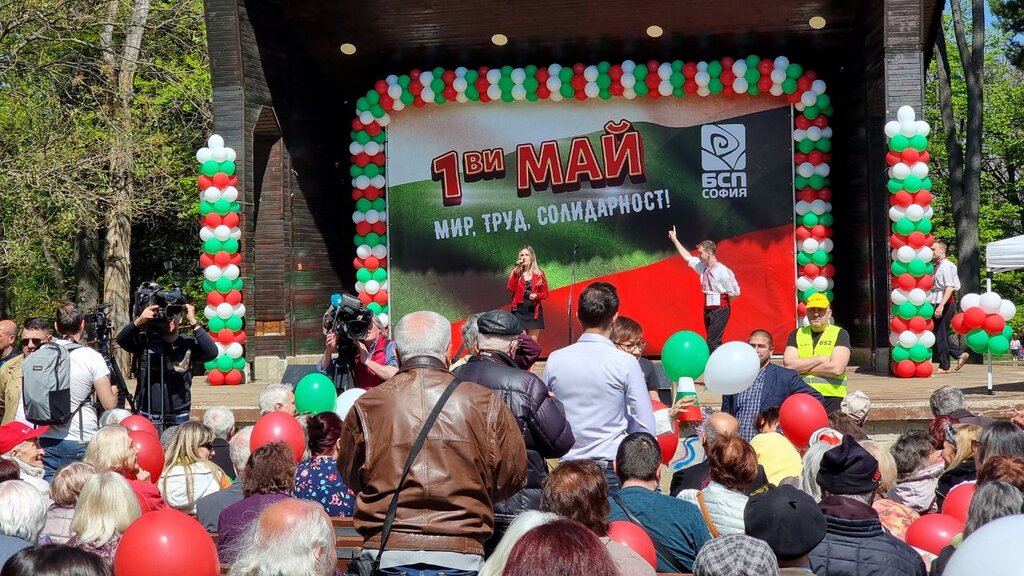
PHOTO BTA
For five years now, the country has been in a political crisis, leading to instability, uncertainty, and a decline in investor confidence, says Eng. Parteniotis:
“I sincerely hope that after the latest elections (on April 19), there will be a sense of sobriety among the political elite, and that they will begin to act more responsibly and maturely.
For already five months the state has been on autopilot - without an adopted budget, with limited capacities, and in very different social, economic, and financial conditions. We are seeing a slowdown in economic growth, and in some sectors stagnation. This leads to reduced revenues, fewer investment opportunities, including in improving working conditions for Bulgarian workers. This threatens jobs, increases the risk of unemployment, reduces incomes, and ultimately risks pushing people into poverty.
The adoption of the euro has further created uncertainty and a sense of declining purchasing power among Bulgarian citizens. In this context, we from ‘Podkrepa’ trade union are raising this year’s motto: ‘Security, jobs and wages now!’ We have delayed a serious debate for too long - what kind of Bulgaria we want and how it should develop.
Yes, we have made progress, Bulgaria is not what it was 36 years ago, but it can achieve much more. Bulgarians have already proven this immediately after the Liberation, when the country quickly became a leading economic power in the Balkans. And this can be achieved again - but only together,” the trade unionist adds.
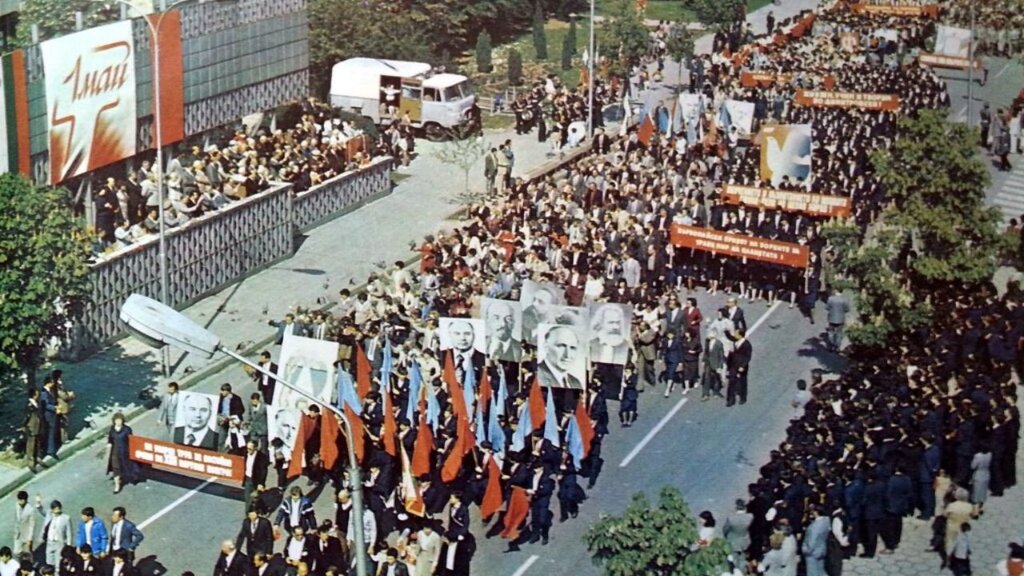
May 1 parade, Sliven, 1985
PHOTO socbg.com
May 1 in Bulgaria is also the Day of the Left Press
Supporters of left-wing ideas take to the streets on May 1 to support the struggle for equality, solidarity, and justice today. The left-wing press, in Bulgaria represented by the newspaper Duma, has historically played a key role in these demonstrations. On the initiative of the publication, founded by publicist Stefan Prodev, a march has traditionally been held every May 1, ending in Borisova Garden with speeches by leaders and a concert.
“From what I remember, there have always been speeches by journalists on the stage for the holiday, calling for solidarity, unity, and togetherness in the struggle for a more progressive and just world,” says Snezhana Todorova, chair of the Union of Bulgarian Journalists - the oldest and most representative organization of journalists in Bulgaria.
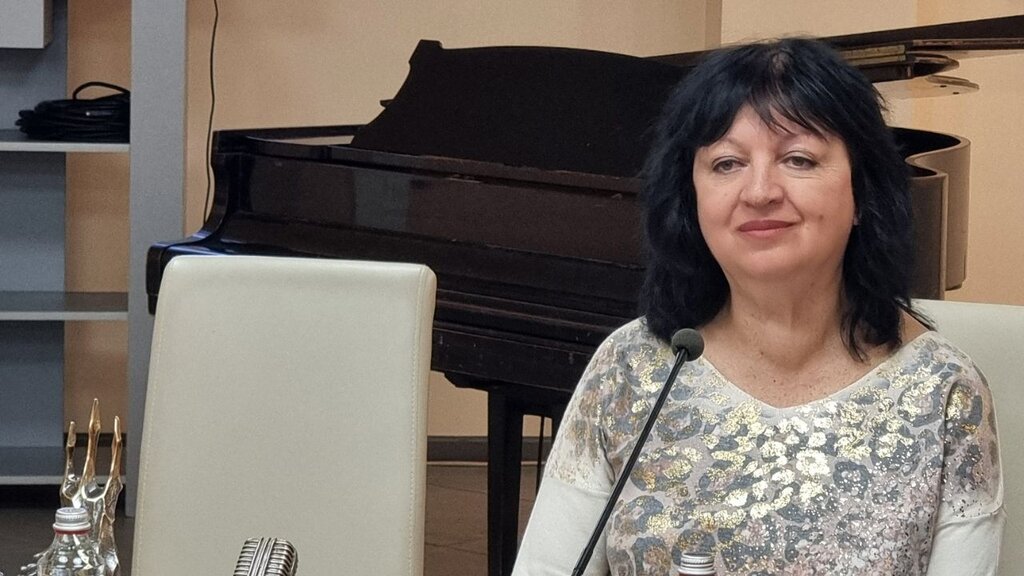
Snezhana Todorova
PHOTO BTA
“We continue to defend colleagues when they turn to us. You know how many dismissals there are, how much pressure is exerted on journalists, mostly political. In a recent study by the Association of European Journalists, over 70% of surveyed journalists said they are under pressure, mainly political pressure. Our problems are reflected in this. We are a creative union with trade union functions.
In Bulgaria, unfortunately, there is still no law on trade unions, so our functions are based on traditions inherited since our establishment in June 1955, when we defended journalists’ rights. We continue to do so, but without the will of the legislator and without proper legal powers, it is very difficult. And without understanding from those who make the laws that journalists should be supported in their work, not pressured, not driven away, not punished for telling the truth.”
Edited by E. Karkalanova