


Author
Yoan Kolev
News
“Bangaranga” made Bulgarians around the world feel connected and proud
DARA’s Eurovision triumph added to the atmosphere at the 11th edition of the “Na Megdana na Drugata Bulgaria” gathering in Munich
Monday 18 May 2026 12:58
Monday, 18 May 2026, 12:58

PHOTO AP/BTA
Font size
DARA’s victory at Eurovision 2026 was more than a musical triumph. For thousands of Bulgarians living abroad, it became an emotional moment of connection and shared pride. For months, Bulgarian communities across Europe followed every step of the singer’s journey, organising watch parties, flash mobs and social media campaigns in support of Bulgaria’s bid for a historic victory.
From Vienna to Berlin, from London to Amsterdam, “Bangaranga” has come to sound like an anthem for a community living far from home, yet still deeply attached to Bulgaria. It was among Bulgarian communities across Europe that DARA found some of her strongest support ahead of the final. In the weeks leading up to the contest, she met Bulgarians in several European cities, with videos from those encounters widely shared by Bulgarian organisations and cultural centres on social media.
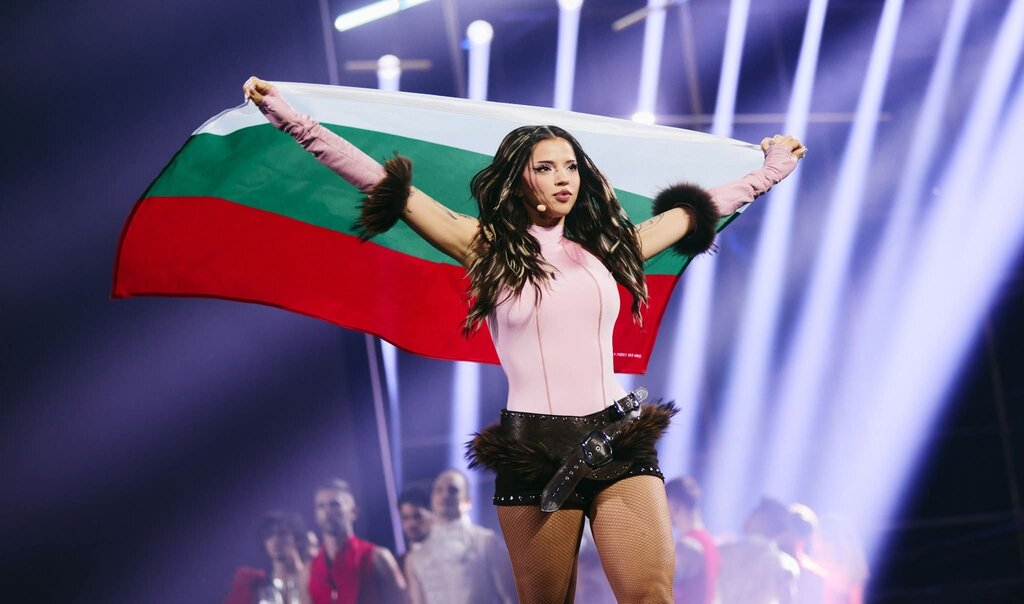
PHOTO Eurovision Song Contest
Following the victory, social media filled with videos, Bulgarian flags and emotional messages. Berlin’s Art Theater wrote:
“Welcome, DARA! This video is for all Bulgarians abroad who supported DARA wholeheartedly! BANGARANGA!”
A special message for the Eurovision 2026 winner also came from the largest Bulgarian community in the United States — in Chicago. During the Bulgarian Parade on May 17, members of the community sang “Bangaranga” and wrote:
“A special greeting to Dara from the Bulgarians in Chicago — when one ‘Bangaranga’ brings hearts together!”
Reactions gathered by Radio Bulgaria during the “Na Megdana na Drugata Bulgaria” festival showed how personally many Bulgarians abroad experienced the victory.
Speaking to Radio Bulgaria, Tsvyatko Krastev described the success as long-awaited recognition:
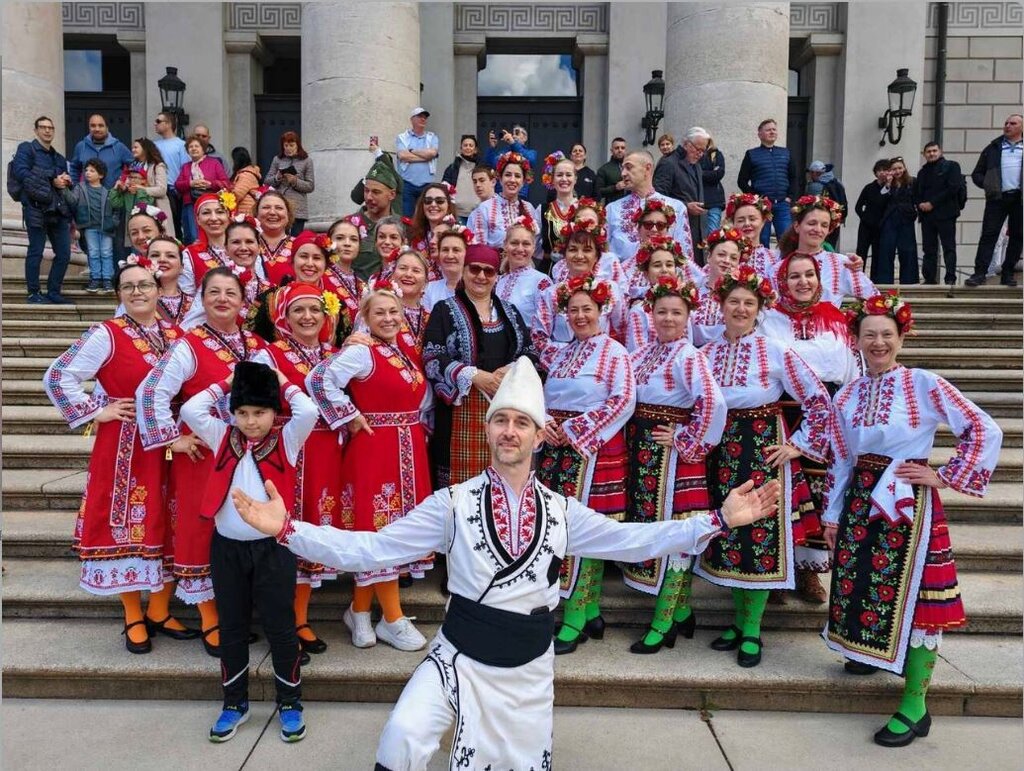
Tsvyatko Krastev and the “Ralitsa” Ensemble from Freiburg.
PHOTO Yoan Kolev
“A deserved victory. Bulgaria above all — not as nationalism, but as a statement of fact. At last, we received what we deserved.” In his view, Bulgaria hosting Eurovision 2027 carries significance far beyond any economic effect: “It is extremely important for Bulgaria to regain its strength and significance on the continent and in the world.”
“Pride! Bulgaria managed to win,” said Stanislava Todorova, reflecting on the country’s Eurovision triumph. She believes DARA’s success could inspire younger generations: “Perhaps it is motivation for young people to follow their dreams.”
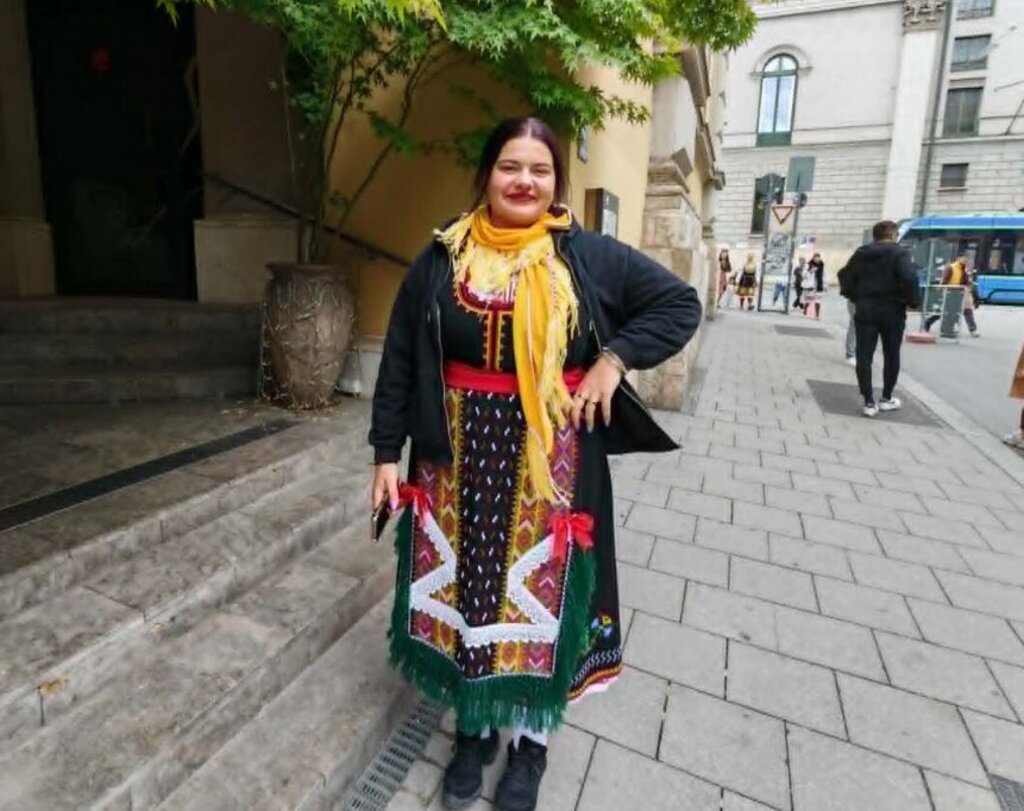
Stanislava Todorova
PHOTO Yoan Kolev
Ivan Banchev’s reaction was particularly emotional, linking “Bangaranga” to a sense of freedom and self-confidence: “To believe in ourselves, to feel more confident and to be bolder, wilder and more joyful.” He also pointed to the kukeri symbolism in the song and DARA’s stage concept: “As in our traditions, we drive away evil spirits and bad things, that was exactly the message of the song.”

Ivan Banchev
PHOTO Yoan Kolev
According to Banchev, Bulgaria hosting Eurovision will help show the country’s true image to the world:
“They will see our culture — how beautiful it is, and what wonderful people we are.”
Folk singer Denislav Kehayov also spoke about the song’s strong impact on Bulgarians abroad, particularly among participants in the travelling “Na Megdana na Drugata Bulgaria” gathering in Munich:
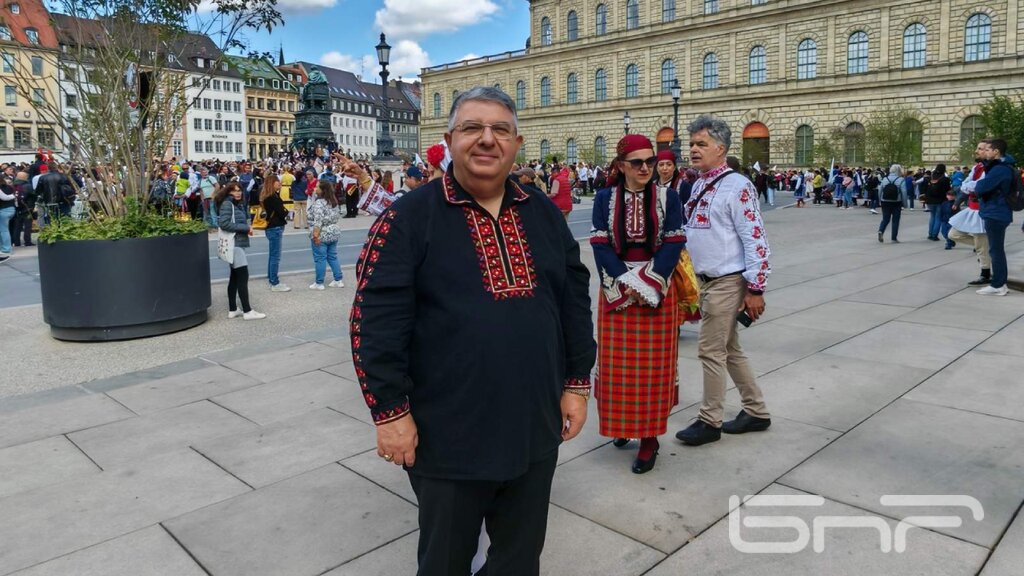
Denislav Kehayov
PHOTO Yoan Kolev
“The Bulgarian name will once again reach the world. Everywhere you go, people are singing it and enjoying themselves.”
Perhaps the clearest illustration of the scale of support came from Delina, another participant in the gathering, who described watching the Eurovision 2026 final alongside fellow attendees — Bulgarians from 21 countries:
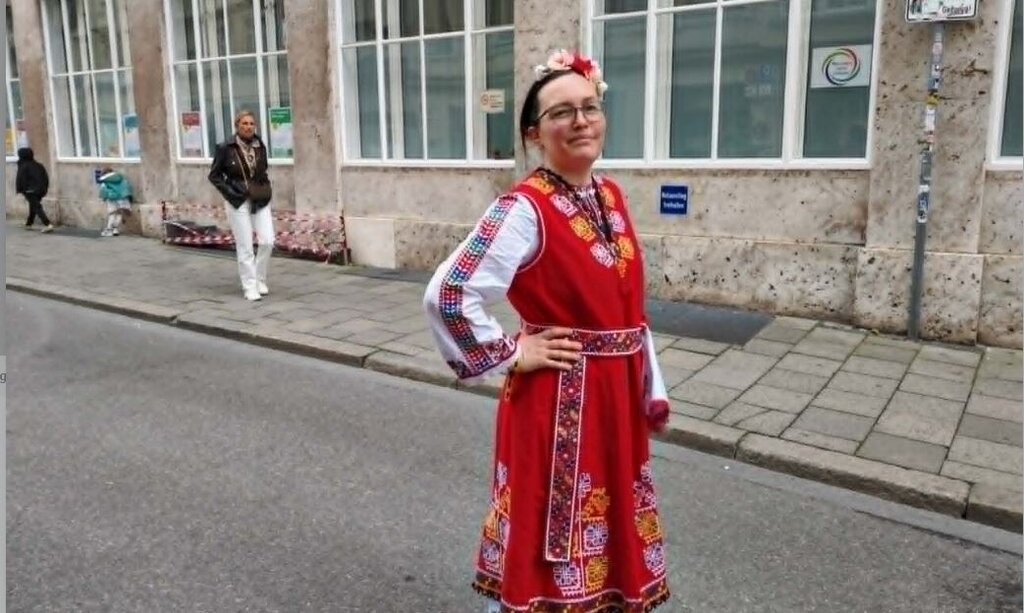
Delina
PHOTO Булфото
“The entire hall at the festival picked up their phones and voted so we could win. It’s a huge victory in terms of prestige — that people are hearing about us because of something positive,” Delina told Radio Bulgaria reporter Yoan Kolev.
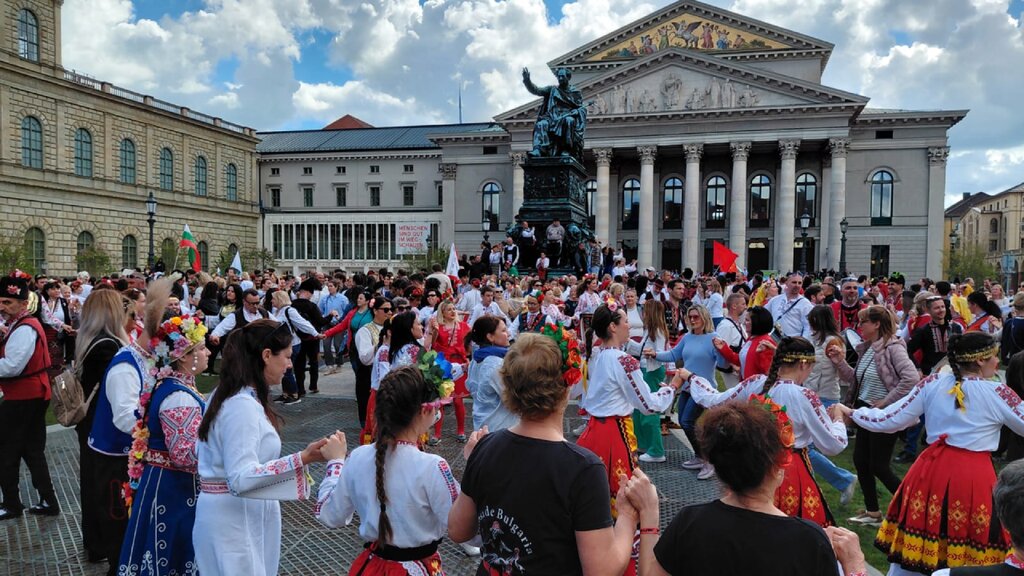
PHOTO General consulate of Bulgaria in Munch
That feeling may ultimately become the most lasting effect of DARA’s triumph — not simply a victory in a music competition, but a rare moment in which Bulgarians around the world felt connected and proud. “Bangaranga” proved to be more than a song: it became a symbol of belonging, energy and hope that Bulgaria can be recognised through talent, culture and success.
Further reading:
- Bulgaria's DARA wins a sensational victory at Eurovision Song Contest 2026
- DARA after the victory: “I don’t know what I’m doing, but it’s wonderful!”
- Everybody Loves DARA after Bulgaria’s Eurovision triumph
- Historic homecoming for DARA as Bulgaria welcomes Eurovision queen
Editor: Elena Karkalanova
This publication was created by: Elizabeth Radkova