


News
Local farmers to survive because of competition from imported products
Bulgarian farmers are calling for state support
For now, however, they are left to cope with the damage caused by nature on their own
Friday 12 June 2026 08:35
Friday, 12 June 2026, 08:35
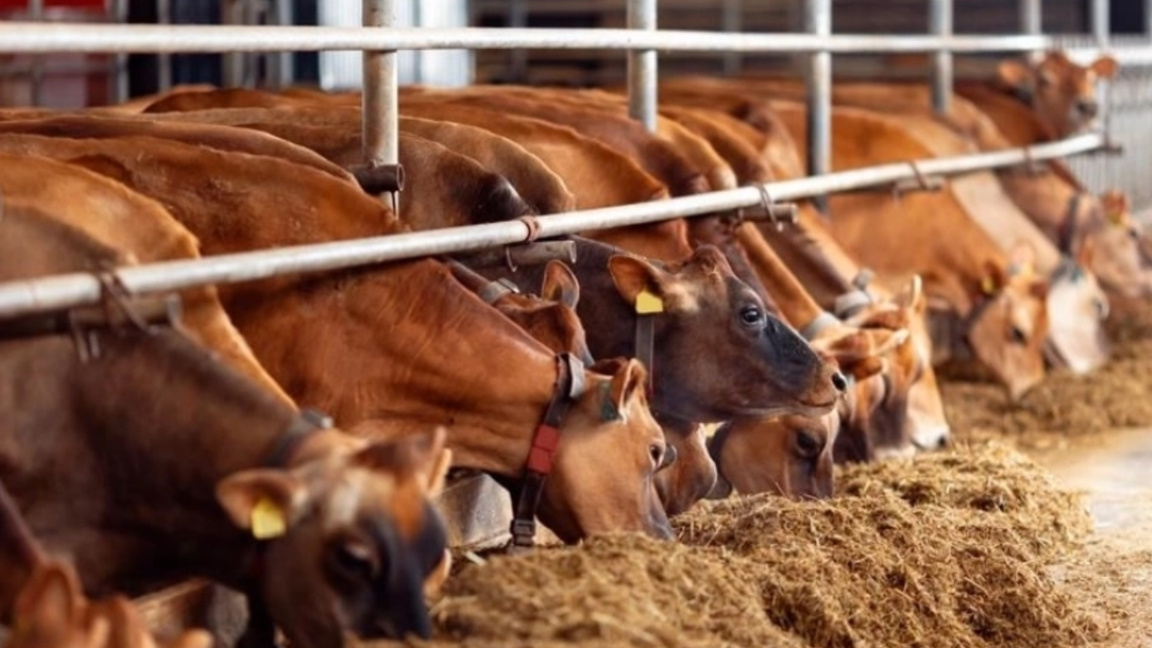
PHOTO agro.bg
Font size
Every shipment of raw milk arriving from the European Union and third countries will now be subject to strict inspection by the Bulgarian Food Safety Agency (BFSA). By order of the agency's Executive Director, enhanced monitoring is being introduced at the country's entry points, including laboratory testing of raw milk as well as analyses of every shipment of powdered milk and butter.
Bulgarian Food Agency starts stricter border control on milk and dairy imports
The measure comes in response to irregularities found in nearly a quarter of the import samples tested in May and aims to guarantee the quality and safety of the raw materials used in Bulgarian production.
Imported raw materials used in dairy products labeled "Made in Bulgaria" have long been a source of dissatisfaction among Bulgarian livestock farmers. They struggle to survive because of competition from imported products, which drive down prices and are often of lower quality.
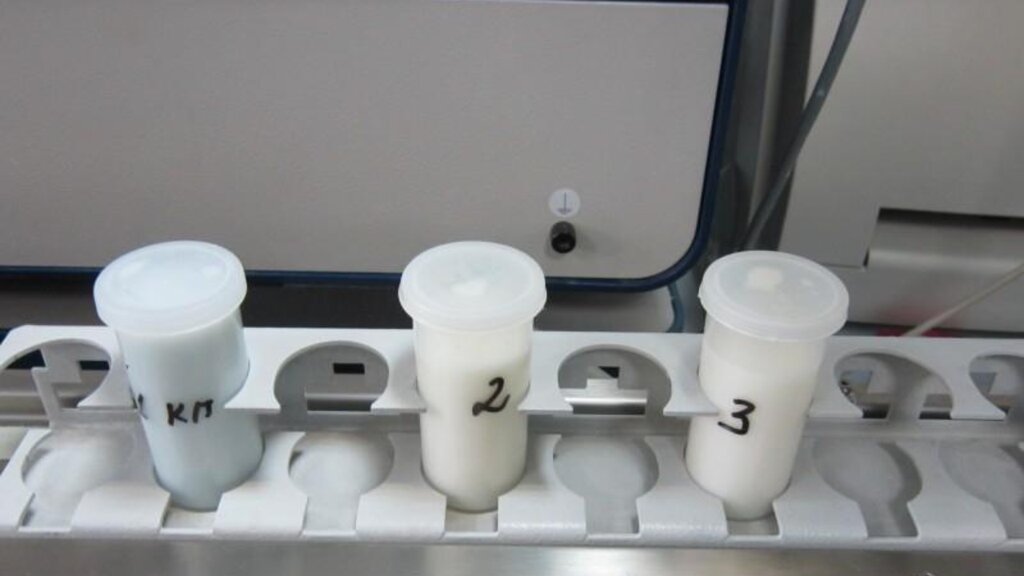
PHOTO agrozona.bg
Farmer Rumen Stoyanov from Kalofer is looking with great hope to the measures that will be undertaken by the team of the new Minister of Agriculture, Plamen Abrovski. For the past 17 years, he has been engaged in livestock farming and raises dozens of cows and calves in the Balkan Mountains. He is well acquainted with the conditions under which the sector operates and has repeatedly taken part in consultative meetings with experts from the Ministry of Agriculture.
According to him, small-scale milk producers in Bulgaria have almost disappeared over the past decade, depriving consumers of access to genuine Bulgarian products. The reason is that products carrying the label "Made in Bulgaria" are often produced from imported raw materials whose origin remains unclear to the end consumer. That is why Rumen Stoyanov insists that the state should intervene and protect Bulgarian producers.
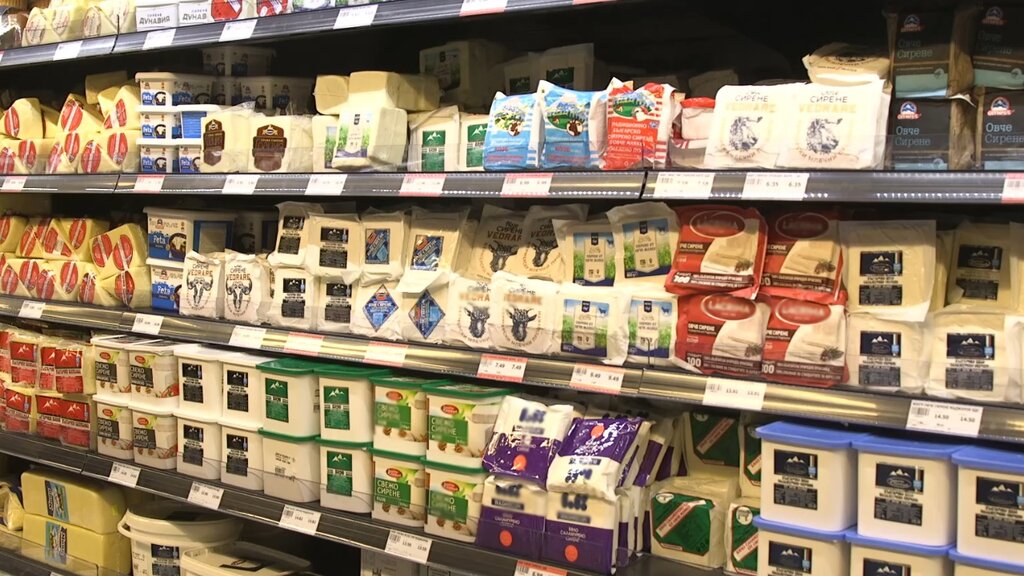
PHOTO agri.bg
"I have been actively involved in this field for almost 17 years, and for all that time I have been repeating the same thing: the Bulgarian label 'Made in Bulgaria' is currently misleading. Dairy products are made from raw materials that give us no way of knowing whether the product is truly Bulgarian. If you go to the store and buy Bulgarian brined white cheese, you are indeed buying that type of cheese, but the milk used in it is not always Bulgarian.
Raw materials of unclear origin are also used in lukanka, sudzhuk and other products manufactured in Bulgaria. If we go as far as rose oil, everything that is Bulgarian at the moment is not sufficiently protected. We recently spoke with the new minister and, for the first time, someone paid attention to what I have been raising before every leadership team at the Ministry of Agriculture for years.
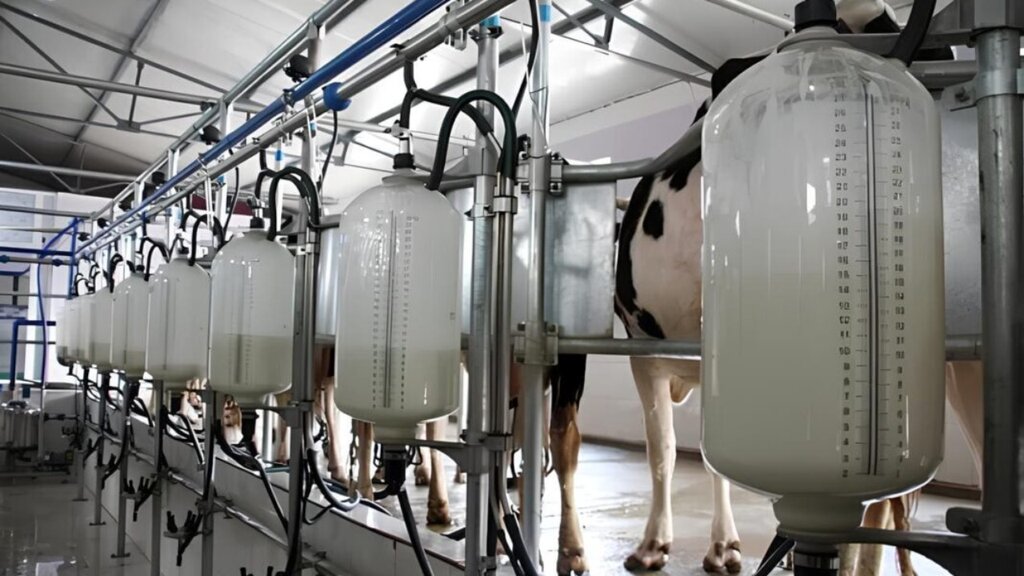
PHOTO govedovad.com
I sincerely hope this issue will be linked to the quality of Bulgarian products and that things will change in our favour. In a free market economy, we cannot ban the import of raw materials, as everyone is looking for their market. But everything must be clearly labeled. If the milk comes from Romania, this should be stated. Then consumers will be able to distinguish between cheese made from Bulgarian milk and cheese produced from imported raw materials. Only then will we understand where consumer preferences truly lie.
Otherwise, if the current situation continues, we as producers will keep moving backwards and eventually even those who are still trying to maintain farms and agricultural holdings will disappear. This is my view, but it is also the view of many colleagues. Unfortunately, throughout all these years, no one has done what was necessary to solve the problem of substitute imported products."
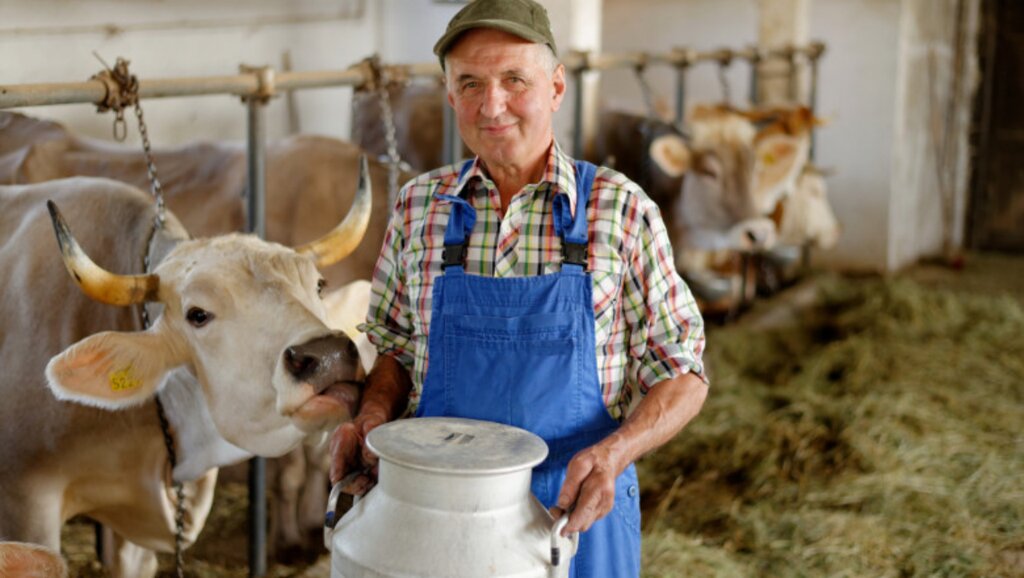
PHOTO agri.bg
While the struggle against market challenges may be addressed through adequate policies, there are situations in which Bulgarian farmers face an unequal battle with nature.
A few days ago, a lightning strike near Kalofer killed nearly 30 cows while they were grazing in the Balkan Mountains. Local residents cannot recall a similar incident involving so many animals dying at once. The tragedy has dealt a severe blow to livestock farmers in the region, who say they cannot sleep when they hear the cries of the surviving and orphaned animals in the mountains.
The material losses are estimated at around €30,000. The lightning strike also killed the only breeding bull in the herd, which had been grazing in the mountains at the time. "We will help our young colleague recover and get back on his feet because we know how much dedication and responsibility he puts into raising his animals," says Rumen Stoyanov.
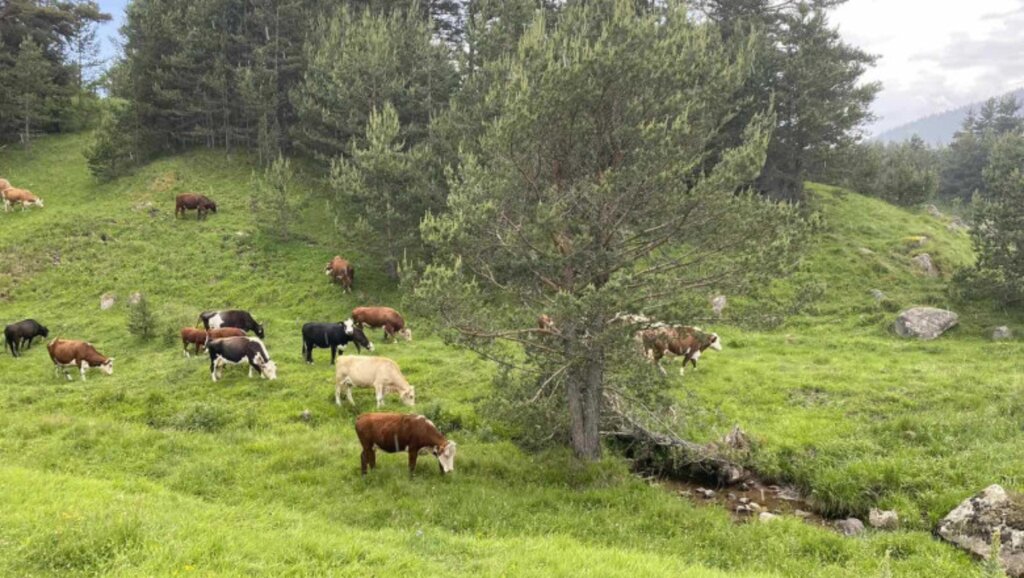
PHOTO agri.bg
"The young man keeps around 100 animals, and one-third of them are now dead. This is an enormous tragedy for the family. These were fine, selectively bred animals. The entire herd consists of Grey Iskar cattle, a Bulgarian breed. No other breeds can really thrive here. Nature has given us these conditions, and these animals are adapted to our Balkan Mountains.
But this is not the only danger. The herds are also threatened by bears and wolves. That is why these animals are considered high-risk, and insurance companies refuse to insure them because they are raised freely in nature. Yet this is actually the most humane way to raise livestock, allowing them to graze freely for as many days of the year as possible. For this reason, insuring such animals is practically impossible. It is absurd, but now the owner has to deal with the losses entirely on his own.
That is why, through your media outlet, I appeal to people, and especially to fellow farmers, to help the man who has so painfully lost his animals."
Read also:
About 3,000 decares of agricultural land have been affected by the floods
Edited by E. Karkalanova
English: R. Petkova