From Radio Bulgaria's Best Collection
The gold treasure of Marcianopolis tells enchanting stories of the past
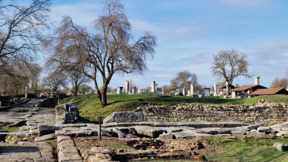
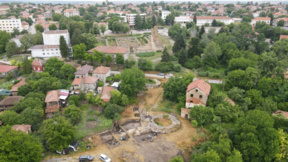
The present-day Bulgarian town of Devnya now stands on the ruins of the ancient Roman city of Marcianopolis
Sunday 26 July 2026 10:15
Sunday, 26 July 2026, 10:15
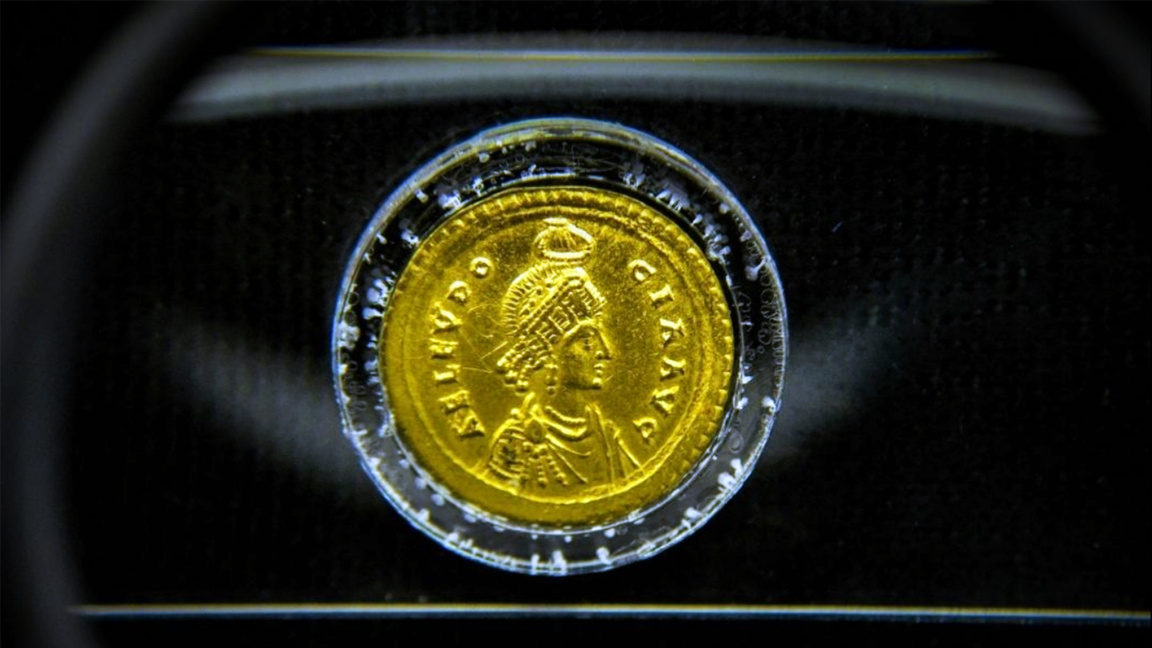
A coin minted to commemorate the coronation of the Byzantine Empress Aelia Eudocia
PHOTO Veneta Nikolova
Font size
On the way to Bulgaria's Northern Black Sea coast, few travelers think of leaving the motorway to explore the remains of one of the largest cities founded during the Roman era in this part of the Balkans. This is the ancient city of Marcianopolis, the capital of the Roman province of Moesia Secunda. The present-day Bulgarian town of Devnya now stands on its ruins.
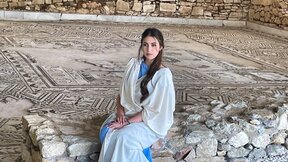
Once, magnificent public buildings, a library, baths and a triumphal arch dominated the cityscape, while the floors of its homes were adorned with exquisite mosaics. Some of these remarkable works are displayed today at Bulgaria's only Museum of Mosaics.
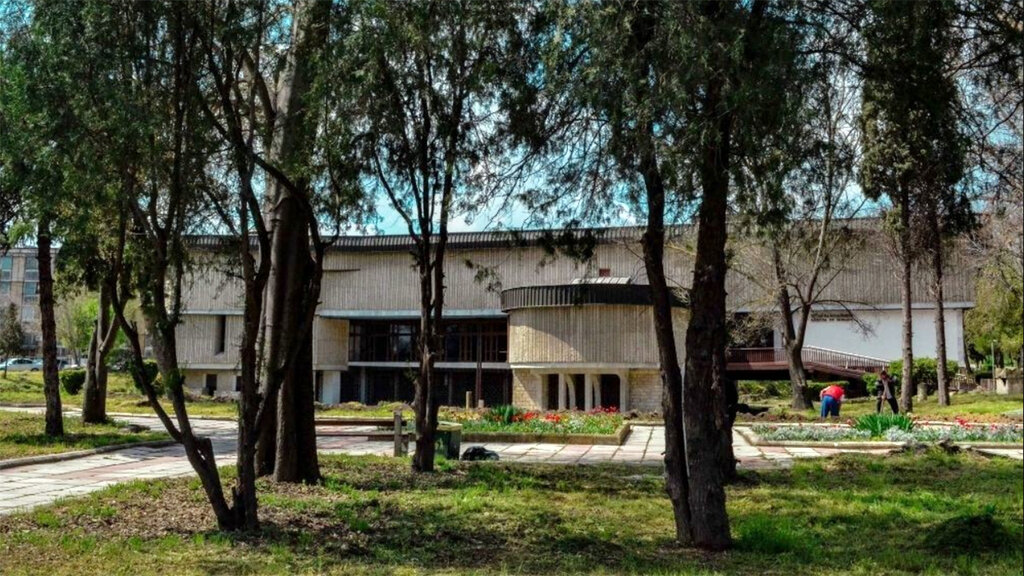
Museum of mosaics in Devnya
PHOTO Veneta Nikolova
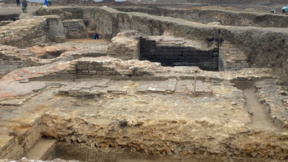
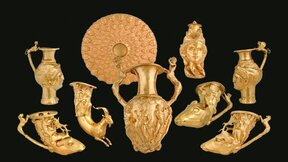
In late 2019, shortly before the outbreak of the Covid-19 pandemic, archaeologists made a remarkable discovery. While excavating the remains of a 1,600-year-old Roman building destroyed by fire in the 5th century, they uncovered a treasure of 19 high-purity Roman gold coins.
"The gold treasure provides precise evidence and dating for the great Hun invasion of AD 447, when, according to historical sources, Marcianopolis was captured and burned by the Huns," says Ivan Sutev, Director of the Museum of Mosaics.
"Most treasures are discovered because of some major natural disaster or human catastrophe. In this case, it was the destruction and burning of Marcianopolis. We found the 19 solidi, the gold coins of the Late Roman Empire, literally scattered across the floor of a room. Most likely, they were dropped during the hurried evacuation of the inhabitants, as they fled or during a violent clash. When the house caught fire, an adobe wall collapsed over them, preserving them in exceptional condition. They had clearly not circulated for long. When you see them, they look as if they had been minted yesterday."
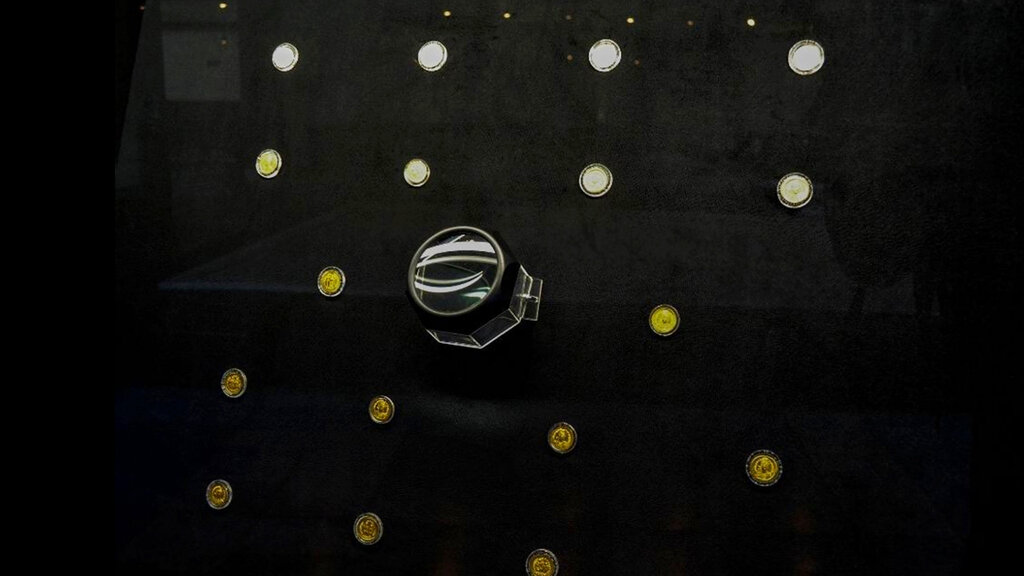
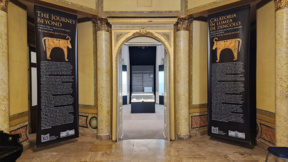
The Marcianopolis gold treasure contains 19 solidi
PHOTO Veneta Nikolov
The area has yielded spectacular discoveries before. In 1929, archaeologists accidentally uncovered here one of the largest coin hoards ever found in Bulgaria: 120,000 Roman silver coins weighing 290 kilograms, with the earliest specimens dating back to the time of Mark Antony. The latest discovery, dating from the reigns of Emperors Theodosius II and Valentinian III, reveals fascinating stories about life in the city sixteen centuries ago.
"These coins are valuable not only as museum exhibits but also as historical sources because they depict a variety of scenes," Ivan Sutev explains.
"On one side we see the portrait of the emperor or, quite often, a member of the imperial family, usually his wife. The reverse features remarkable scenes that shed light on important events at the imperial court in the 5th century. One of the coins, for example, was struck to commemorate the coronation of Aelia Eudocia, the wife of Emperor Theodosius II. The Byzantine empress is shown wearing richly decorated garments and magnificent jewellery, while the Hand of God descends from above to place the crown upon her head. Another particularly interesting coin depicts the coronation of Valentinian III, Emperor of the Western Roman Empire and cousin of Theodosius II, marking his elevation to the title of Augustus."
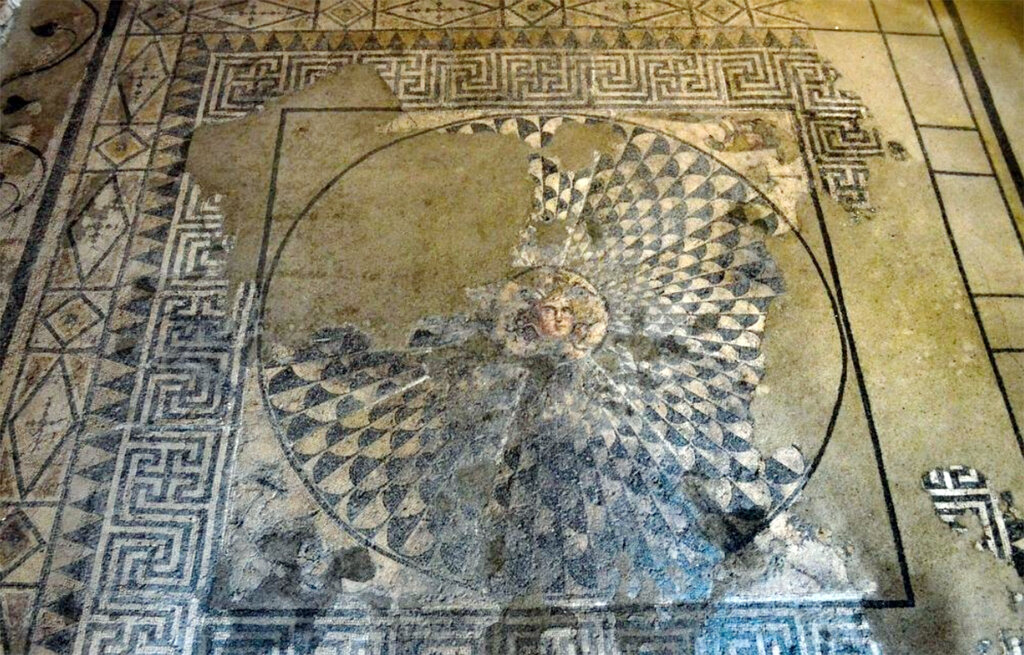
A floor mosaic depicting Medusa Gorgon, on display at the museum.
PHOTO Veneta Nikolova
Ivan Sutev and his team hope to secure funding from Bulgaria's Ministry of Culture to continue excavations of the building where the gold hoard was found. Archaeologists also uncovered unique floor mosaics there. Judging by their early Christian symbolism, they were most likely created in connection with the nearby Early Christian basilica, the director of the Museum of Mosaics in Devnya believes.
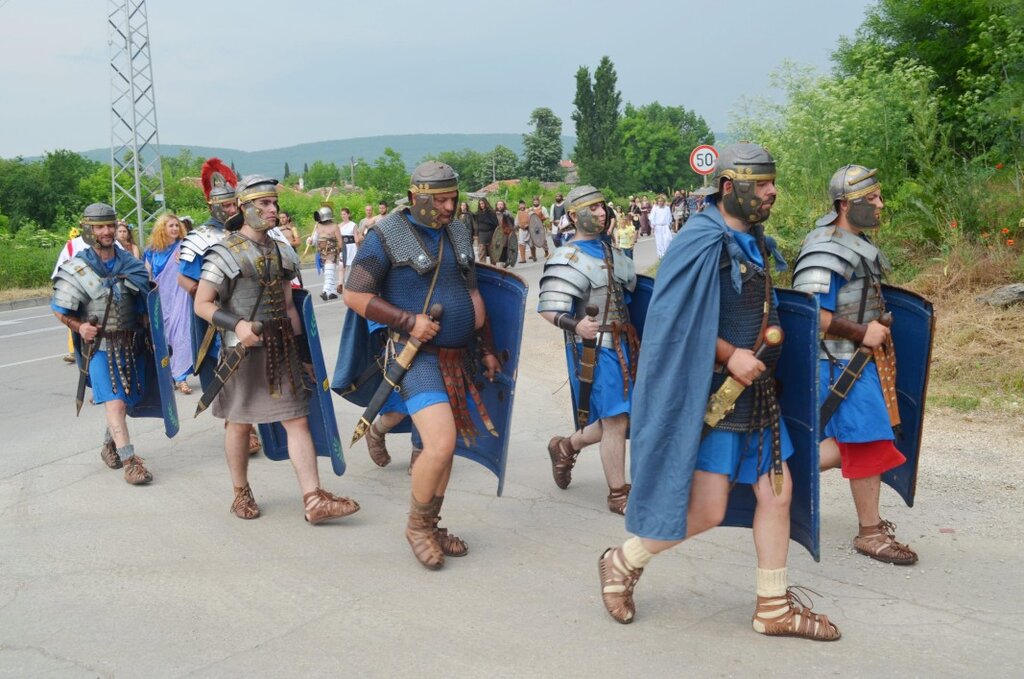
Ancient festival "Marcianopol - life in the ancient Roman city"
PHOTO devnya.bg
This publication was created by: Rositsa Petkova
- #Marcianopolis
- #gold treasure of Marcianopolis
- #ancient Roman city Bulgaria
- #ancient Roman city Marcianopolis
- #Devnya Marcianopolis
- #capital of the Roman province of Moesia Secunda
- #Roman gold treasure Bulgaria
- #high-purity Roman gold coins
- #gold treasure Bulgaria
- #gold coins Late Roman Empire
- #Museum of Mosaics Devnya
- #coronation of Aelia Eudocia
- #archaeological discovery Bulgaria