


Tuesday 11 August 2026 13:34
Tuesday, 11 August 2026, 13:34
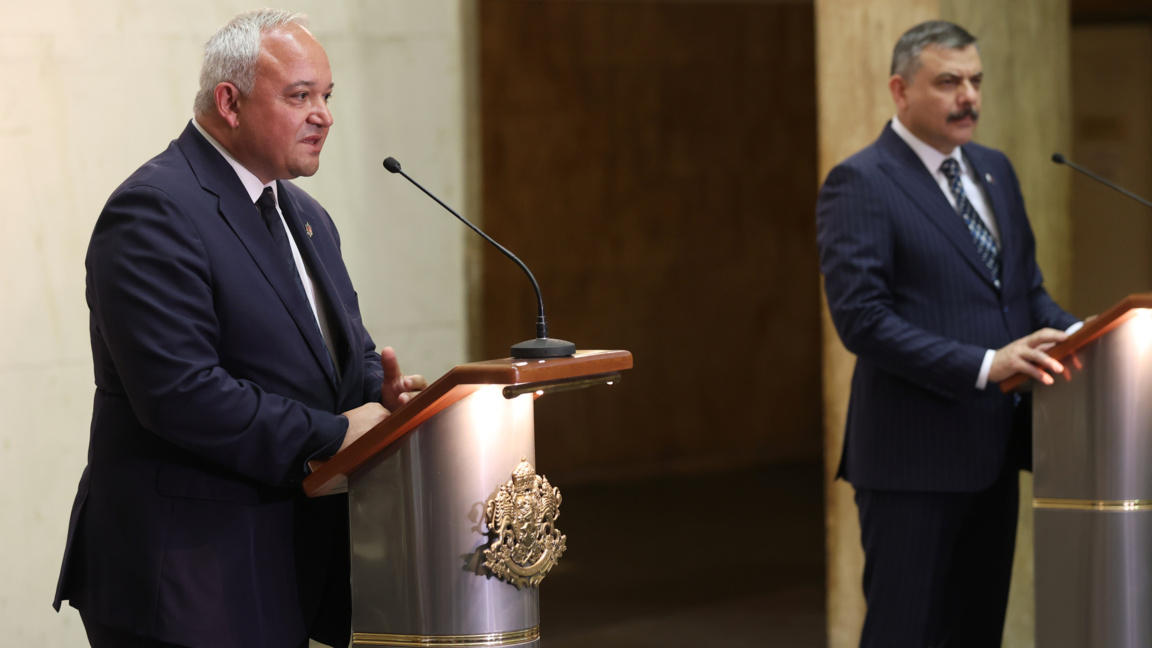
PHOTO BTA
Font size
Bulgaria and Türkiye will expand their joint efforts to combat cross-border organized crime, drug trafficking and illegal migration, Turkish Interior Minister Mustafa Çiftçi said following a meeting in Sofia with his Bulgarian counterpart, Ivan Demerdzhiev, BGNES reported.
Mustafa Çiftçi described Bulgaria as a neighboring, friendly country and a NATO ally. The talks focused primarily on cross-border crime and the fight against “new-generation” criminal organizations. Türkiye’s Minister of Interior warned that some of these groups are already taking on the characteristics of terrorist organizations.
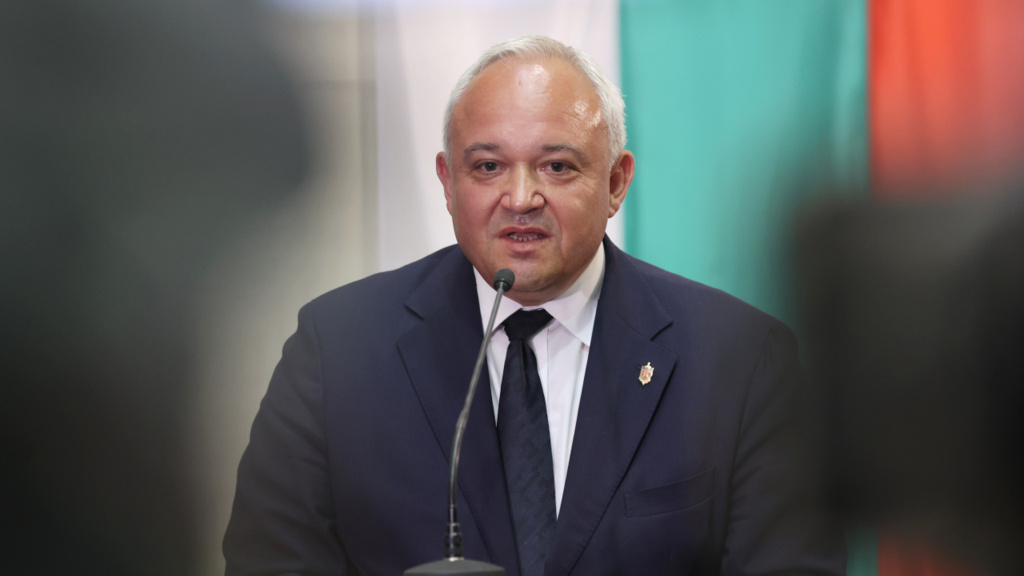
Ivan Demerdzhiev
PHOTO BTA
The Bulgarian side raised the issue of substantial assets generated through corruption-related crimes and transferred from Bulgaria to Türkiye and other countries. “I received assurances that the Turkish side will support our efforts to combat these practices. They will also assist us in identifying these assets and returning them to Bulgaria”, Bulgaria’s Minister of Interior Ivan Demerdzhiev said after the meeting. Minister Demerdzhiev stressed that that common priorities for the two countries remain combating cross-border crime, illegal migration and human trafficking, as well as tackling drug trafficking. Measures were also outlined to improve border management. Ivan Demerdzhiev noted that this is the EU’s longest land border. “It must be secure, but it should also serve as a bridge, rather than a barrier, between the two peoples”, Ivan Demerdzhiev said, according to the Interior Ministry’s press service.
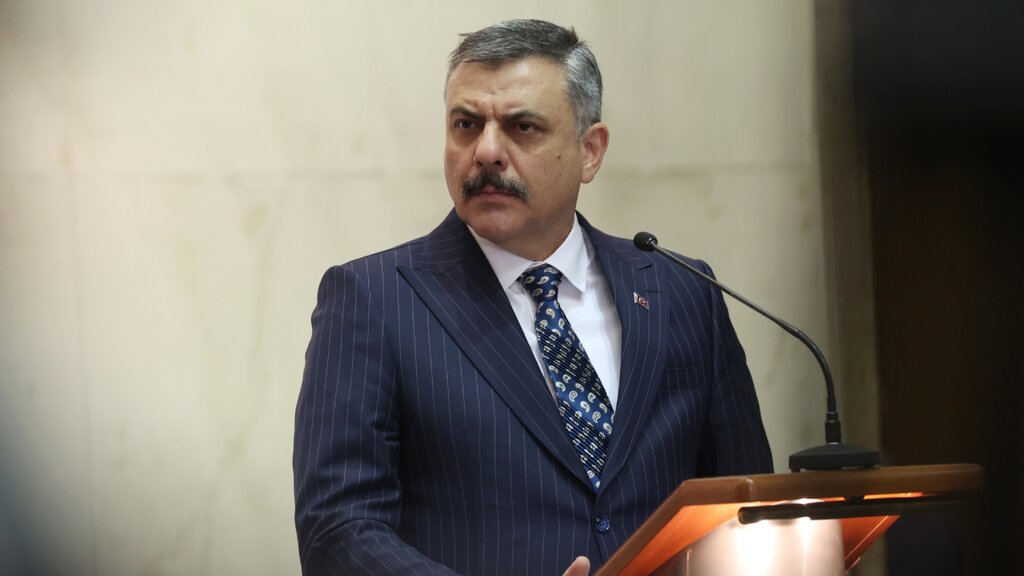
Mustafa Çiftçi
PHOTO BTA
Türkiye’s Minister
of Interior also described cooperation under the trilateral mechanism
between Türkiye, Bulgaria and Greece as successful. According to Mustafa Çiftçi,
joint measures have led to a 97% decline in illegal migration in the region,
while the migrant route has been diverted.
Edited by Ivo Ivanov
Translated by Kostadin Atanasov
This publication was created by: Kostadin Atanasov