


Author
Diana Tsankova
News
Real-world problem-solving is at the heart of the education of the future
"Life is not divided into separate subjects. It is essential to integrate multidisciplinary learning into the educational environment," says Georgi Ivanov, co-founder of the Educational Factory
Monday 14 September 2026 12:25
Monday, 14 September 2026, 12:25
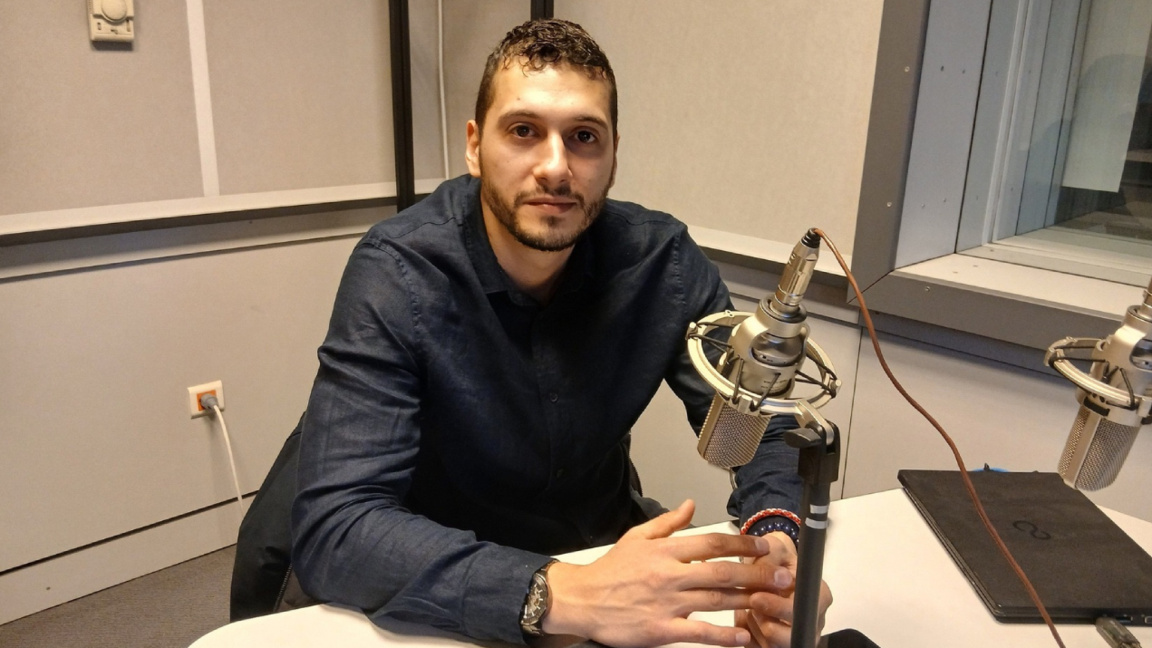
Georgi Ivanov
PHOTO Diana Tsankova
Font size
Memorising facts without understanding them or gaining practical experience is a legacy of the past that distances young people from fulfilling their potential in an increasingly dynamic and demanding world. As the new school year approaches, Georgi Ivanov, co-founder of the Educational Factory organisation, raises the question of what education of the future should look like, linking the acquisition of knowledge to the purpose of the learning process and its application in real life.
According to the expert, one of the main challenges facing children and young people is seeing meaning in what they are taught in the classroom.
"The key problem is not a lack of knowledge," says Georgi Ivanov. "In the world of new technologies, we already have access to every kind of information and can easily retrieve it at any time. The problem is rather a lack of context, and if education fails to address this issue, we will lose students' attention. Meaning emerges when knowledge is applied within a system of cause-and-effect relationships and consequences. That is why it needs to be connected to a real-life scenario, whether in business, science or everyday life, while also demonstrating its practical application, results and impact in the real world."
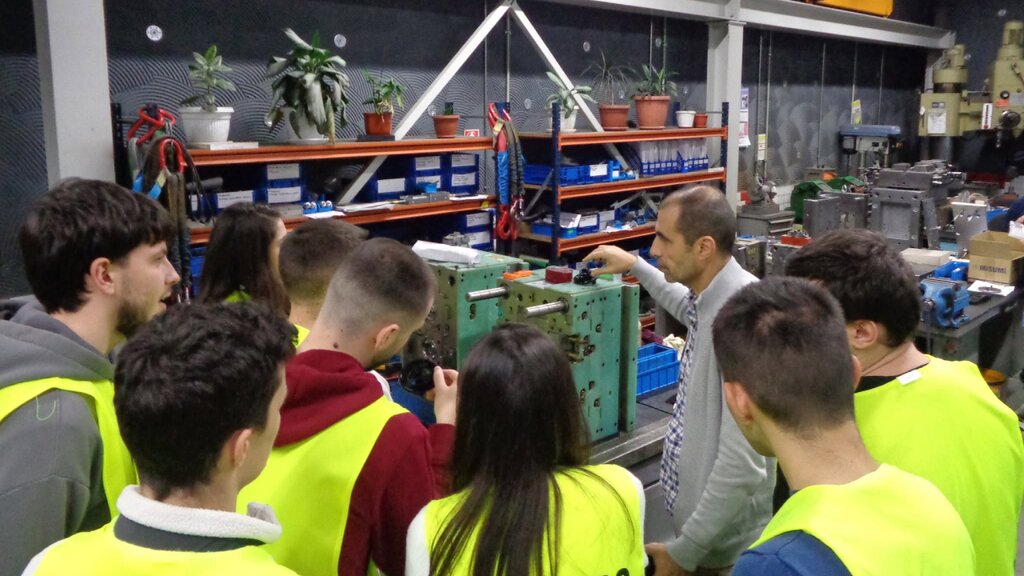
PHOTO Technical University, Sofia
Leading educational models around the world are based on learning through solving existing problems, thereby creating a connection with the world around us. One example in Bulgaria, Georgi Ivanov notes, is the Technical University. According to him, the institution places a strong emphasis on practice, giving young people the opportunity to create value and present what they have achieved.
But how can the connection between education and the reality around us be established?
"Here we are perhaps talking about the greatest systemic deficit: education is isolated from life," Georgi Ivanov replies. Although national curricula provide a certain framework, the key role remains with teachers, he stresses, adding that he is increasingly encountering highly motivated and proactive educators. Despite the obstacles they face, they find ways to connect what is taught at school with its practical application.
"This leads to very good results among students who have such teachers and inspiring mentors in front of them," the expert concludes.
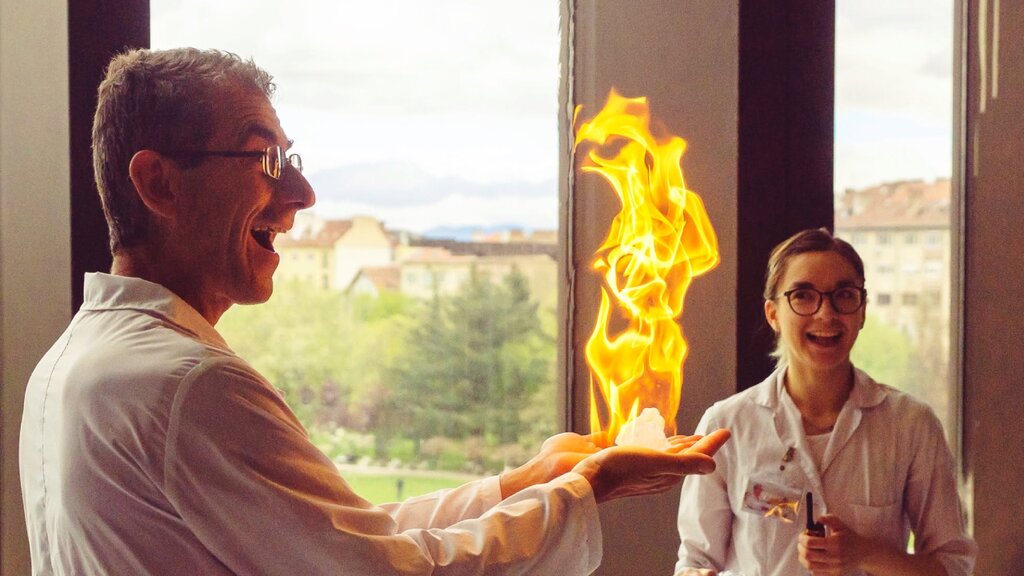
PHOTO Facebook/ Educational Factory
"There are three key supporting mechanisms, and the first is working on real-world projects," he continues. "When students solve problems that exist outside the school environment, they gain a much clearer idea of what they can apply in the future. There is a great deal of discussion today about professions that may disappear because of artificial intelligence and new technologies. That is why developing soft skills is becoming increasingly important."
Soft skills, he explains, are the abilities that enable people to interact with one another and manage their behaviour. Thanks to these skills, people can adapt and learn quickly, allowing them to succeed and develop in a positive direction.
"The second condition is contact with professionals, because no matter how much you read and how interested you are, if you do not have a mentor to inspire you, give you the right guidance and provide feedback, it will be much more difficult to navigate this world. And the third key mechanism is interdisciplinarity, because life is not divided into subjects and every project involves different elements, such as mathematics, communication, technology, critical thinking and teamwork. That is why it is important to integrate interdisciplinarity into our educational environment."
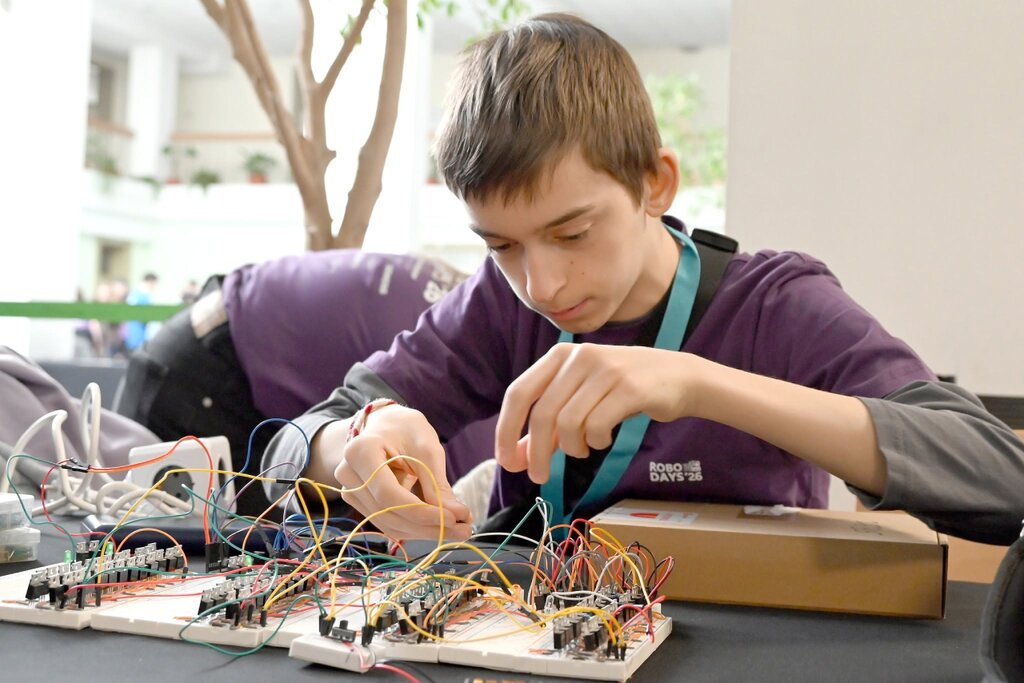
PHOTO Technical University - Sofia
Georgi Ivanov points out that although new technologies are increasingly entering education as tools, the key remains the human context.
"We need to adapt new technologies to the human context. The real world is not created by simply adding practice to theory. It is created by turning learning itself into practice. This is precisely why we place such emphasis on the practical side of things."
An argument in support of this approach is that experience is more powerful than theory because it simultaneously activates emotion, action and memory, turning them into one of the strongest mechanisms for learning.
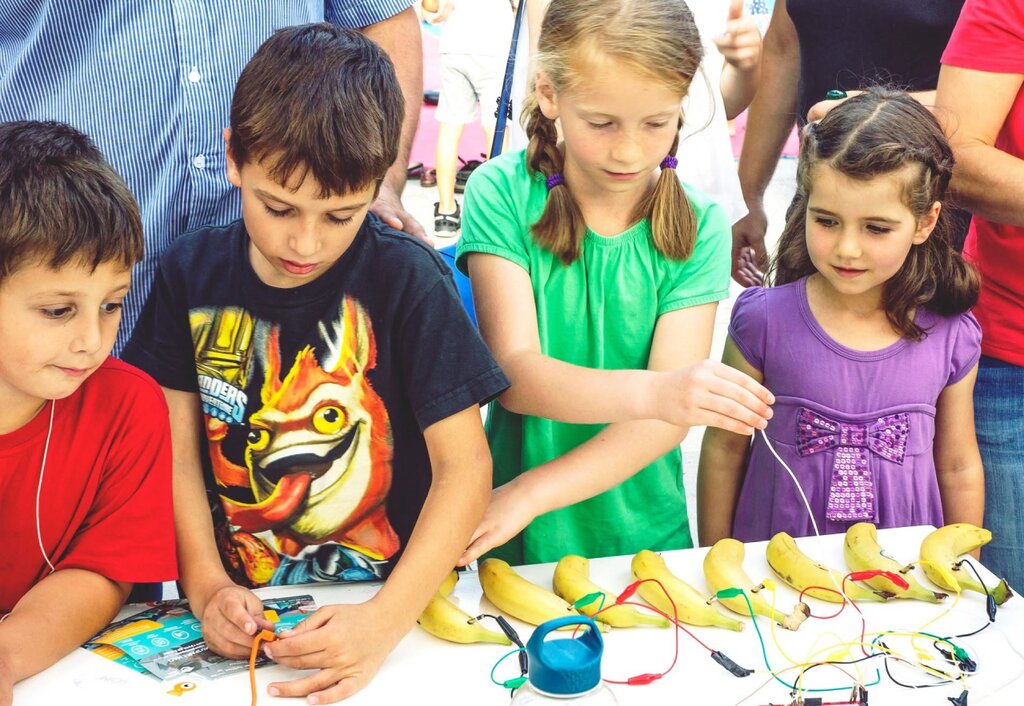
PHOTO Facebook/ "Educational Factory"
"Theory is the foundation on which we need to build, but experience is linked to transformation, and that is the most important thing," Georgi Ivanov says. "When a person learns by doing, processes take place in the brain that are different from those involved in passively receiving information. Instead of activating a limited number of cognitive areas, as happens when we listen or read, a broader neural network is engaged, bringing together thought, emotions and action and leading to the creation of more deeply integrated knowledge.
This, in fact, 'anchors' information more firmly, because it is no longer abstract. It carries meaning and context and becomes something we personally own."
In conclusion, Georgi Ivanov admits that his favourite way of learning is precisely through experience, because the things that we experience ourselves are the ones we remember longest. Through memory, the context, the time, the place and the people resurface, and it is as if everything comes alive once again.
Read also:
Science, education, and business sector join forces at a national festival in Sofia
English: R. Petkova