


Author
Yoan Kolev
News
September 17 – Day of Sofia
The city is a living being that tells stories, if we can hear them
Thursday 17 September 2026 14:14
Thursday, 17 September 2026, 14:14
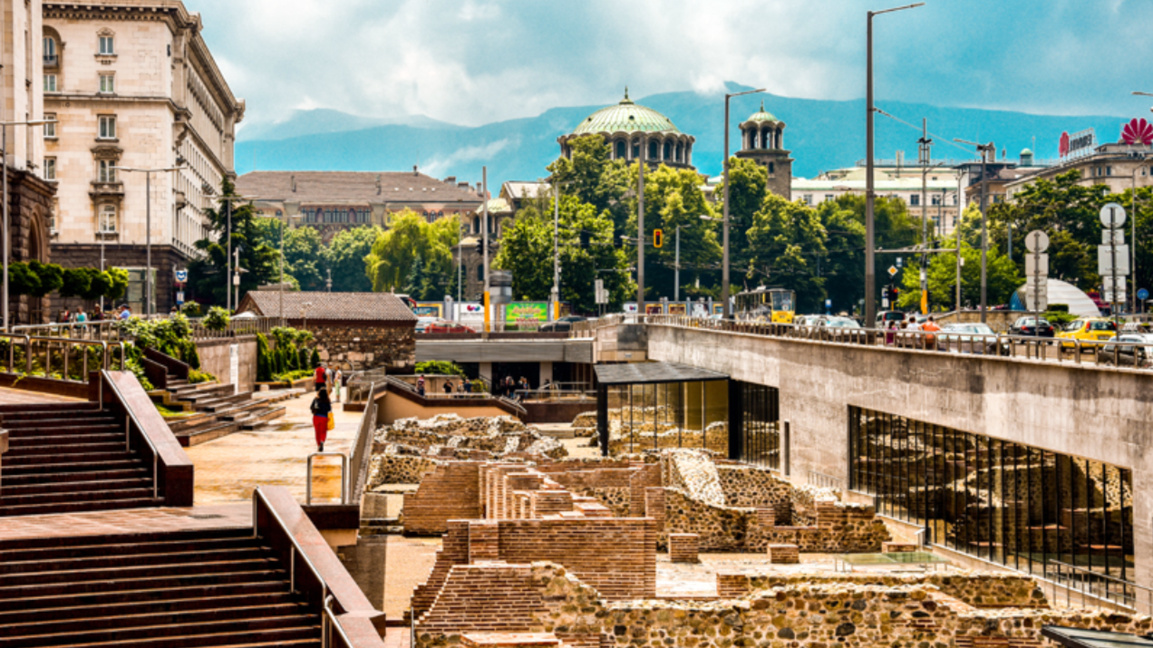
PHOTO visitsofia.bg
Font size
In
recent years, the capital city
of
Sofia has attracted an increasing number of tourists from across
Europe and the world, while
many
foreigners have even chosen it as their new home, finding career
opportunities or love here. Others are weekend travellers seeking
destinations that offer both affordable prices and relatively short
flight times.
Sofia breaks tourism records – what attracts foreigners to the Bulgarian capital?
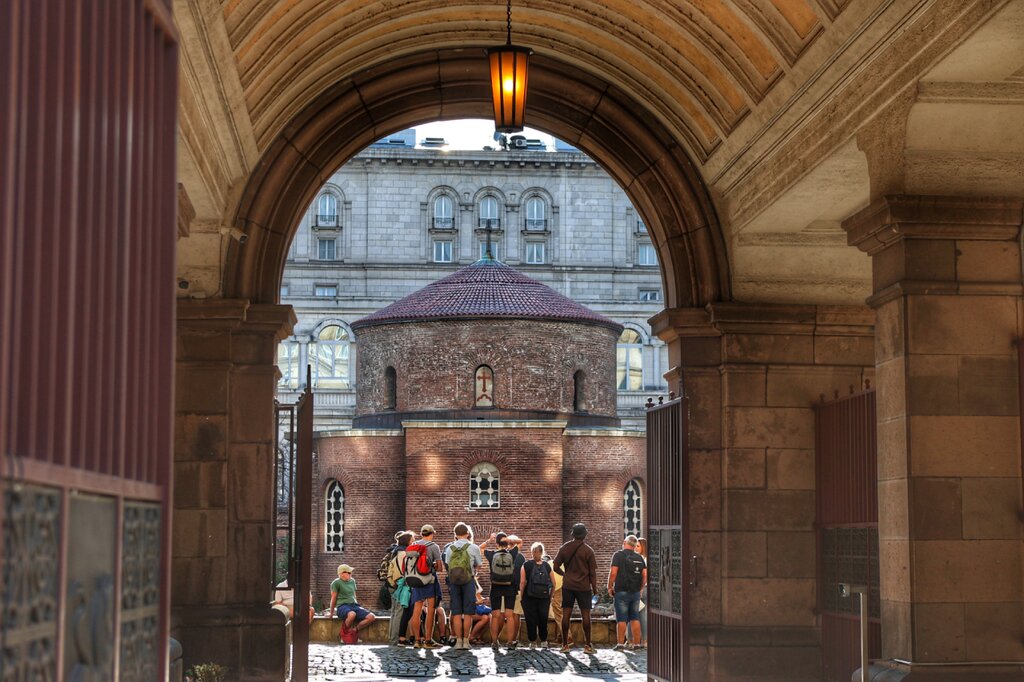
PHOTO BTA
Growing
interest in the capital has led to an ever-wider variety of tourist
routes across the city. It is no surprise to see the emergence of
more themed walking tours dedicated to history, culture, or iconic
figures whose lives were intertwined with Sofia -
writers,
painters, and artists. The tour we are highlighting here, however,
focuses primarily on ancient Serdica - the name of
the
Bulgarian capital when it was a Roman settlement favoured by emperors
for its natural setting, climate, and abundance of mineral water springs.
Our guide through the secrets of the ancient city is philosopher and
professional storyteller Evgeni Mitev. For him, the city can be
perceived as a living being with stories to tell, provided we know
how to listen.
"Our
tour
differs from others in that it is more philosophical in nature. This
means we look for the connection between the symbols we pass by,
the buildings, the architecture, and our own personal experience,"
he
says.
"After all, even without consciously realizing it, a person
interacts in some way with the buildings, the streets, and the
surrounding environment. We simply create an opportunity for people
to experience a certain feeling by combining interesting information
with a personal experience."
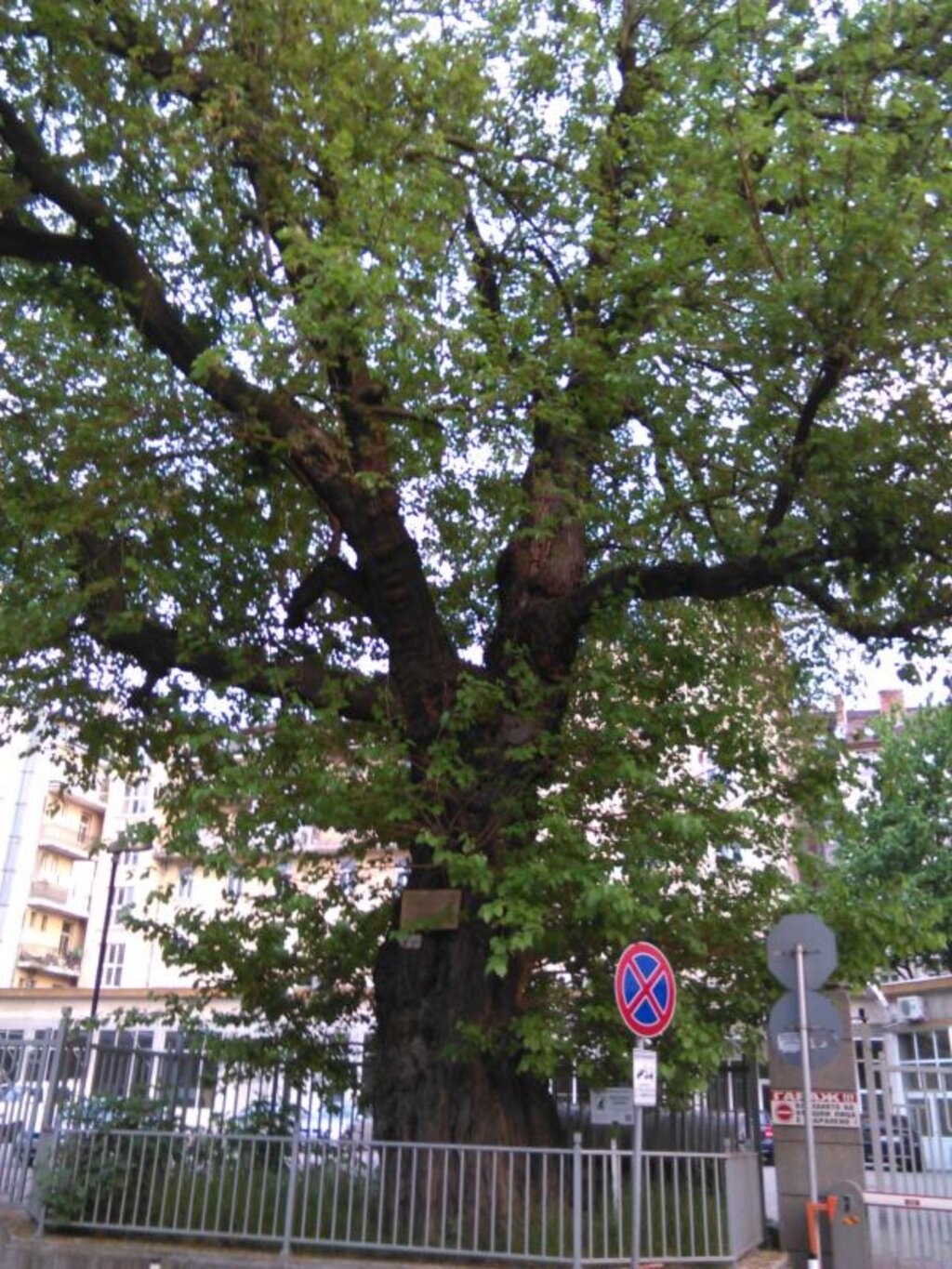
PHOTO guide-bulgaria.com
Nearly all group sightseeing tours start at one of the iconic buildings in
the city center. This one, however, is an exception, as is
immediately evident from the unconventional landmark it introduces
first - the oldest living tree in Sofia.
"This
is the white mulberry tree at 5 Iskar Street. We do not have much
information about it, but given that it is nearly 700 years old, the
tree must have grown before the onset of Ottoman rule. This makes it
a silent witness to numerous historical events. I believe there is a
spring near
its roots, as the entire area around the Central Bath is rich in
springs, most of which are thermal."
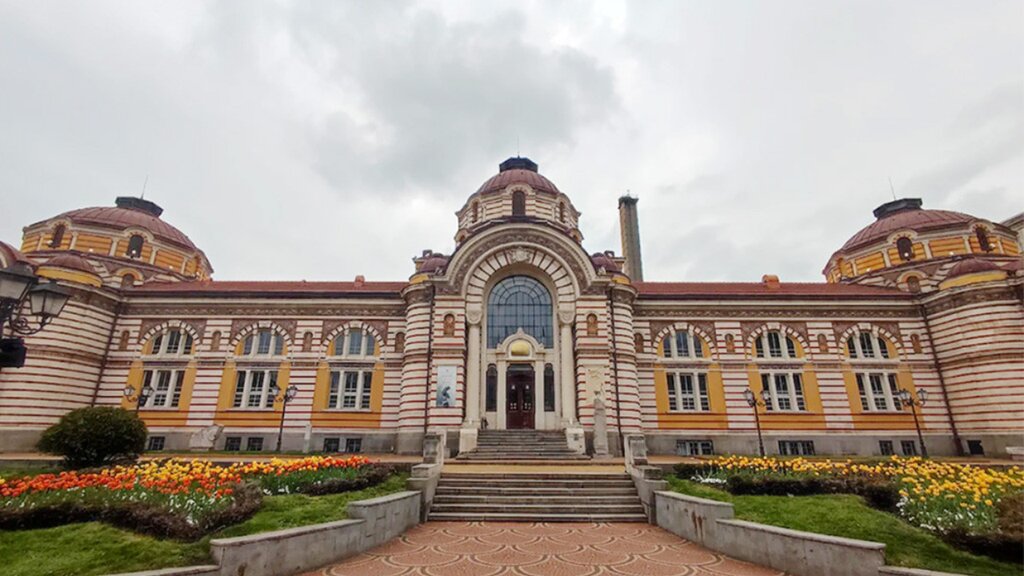
PHOTO library
Another stop on this tour is in front of the Central Bath building, where one of the Sofia History Museum's outdoor exhibits is part of a temple to the ancient Greek god Zeus, dating back to around 2nd century BC. The remains of this temple were discovered during excavations under today's Garibaldi Square and were brought from there in front of today’s museum building.
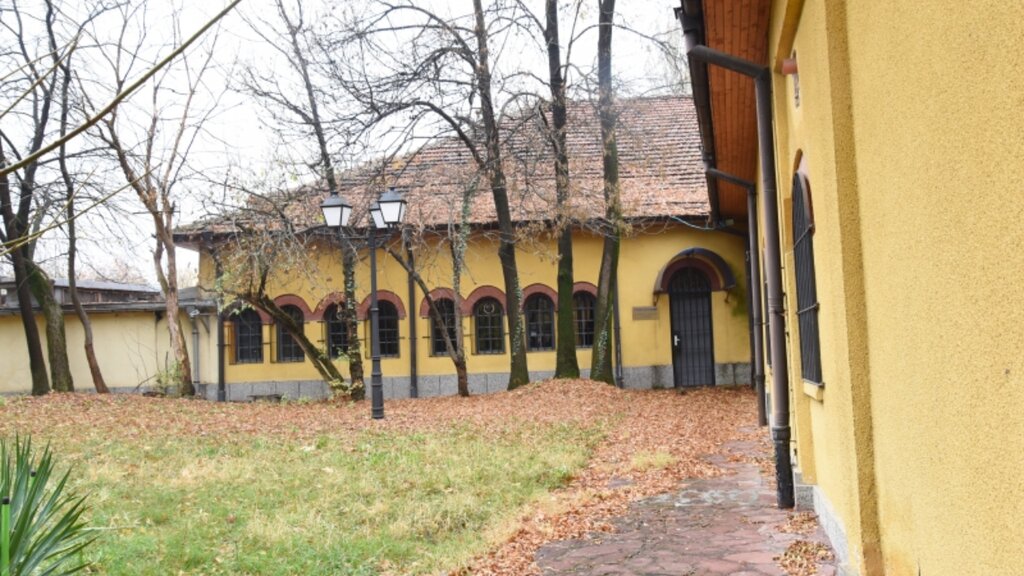
Garrison Shooting Range
PHOTO sofiahistorymuseum.bg
The
ancient Serdica area is by no means the only place in Sofia worth
visiting. Through conversations with friends, Evgeni realized that
many of them were unaware of the locations, or the history preceding
the construction of significant Sofia landmarks, such as the Garrison
Shooting Range or even the site of the National Palace of Culture.
For this reason, he welcomes the enthusiasm of others who offer
similar historical and thematic walking tours.
He
also announced that he was working on a book offering a metaphorical
and symbolic perspective on Sofia and its hidden secrets. It is
expected to be ready next year. In
the meantime, be sure to discover the hidden treasures our capital
holds, whether on your own or by joining one of the tours.
This publication was created by: Alexander Markov