


Author
Yoan Kolev
News
Presidential Election 2026
Where is the disconnect between Bulgarians and Presidential elections?
Parvan Simeonov: Low voter turnout is a signal to keep fighting for Bulgaria’s democratic process
Tuesday 27 October 2026 13:14
Tuesday, 27 October 2026, 13:14
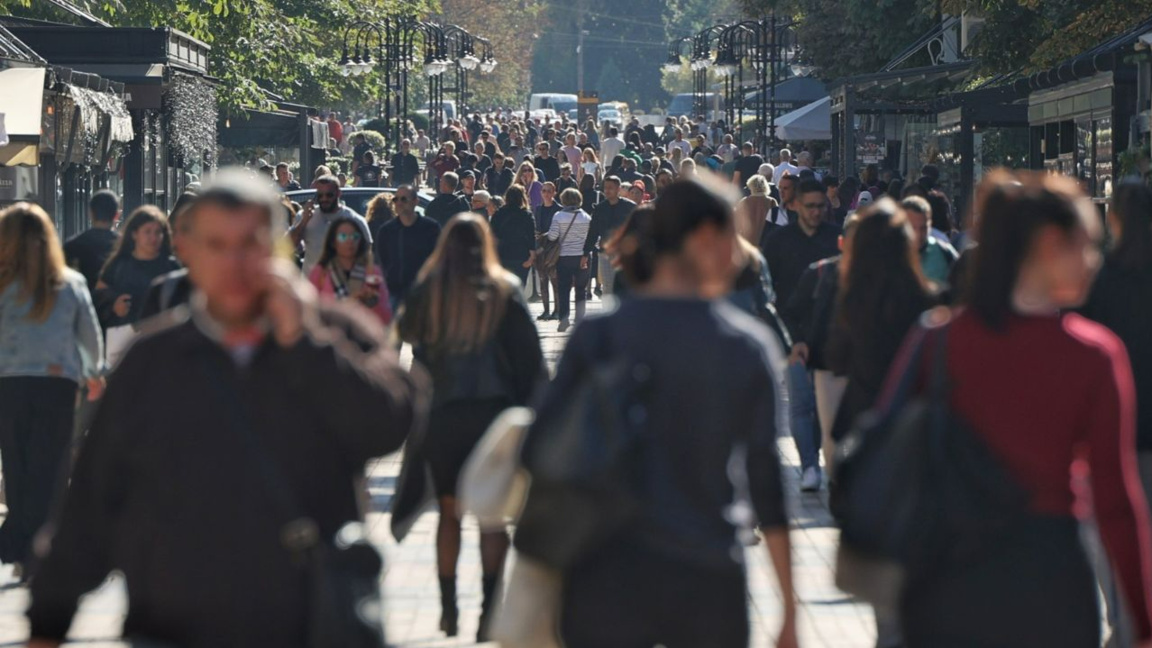
PHOTO BTA
Font size
The first round of the presidential election is over, but record-low voter turnout raises serious questions: Why is electoral momentum declining? Is Bulgaria’s democratic process at risk? And why is the figure of the president failing to motivate people to vote?

Parvan Simeonov
PHOTO BTA
“If the presidential election managed to draw just 1.5 million voters to the polls, despite an electoral surge in April this year, we need to give serious thought to how the institution of the presidency and the person of the president are viewed in Bulgaria'', sociologist Parvan Simeonov of Myara polling agency, BNR’s partner in covering the election, told Radio Bulgaria.
''Certainly, the incident involving journalist Sonya Koltuklieva, the murders (of two high-profile businessmen in Sofia and Plovdiv-editor’s note), and the drones in the Black Sea shaped a campaign that did not favour the Bulgarian government. Some of these events occurred after polling agencies published their latest figures, so we were unable to measure their impact. However, they appear to have demobilised supporters of Iliana Iotova while mobilizing those backing Andrey Gyurov and Kostadin Kostadinov, who finished third in the race.”
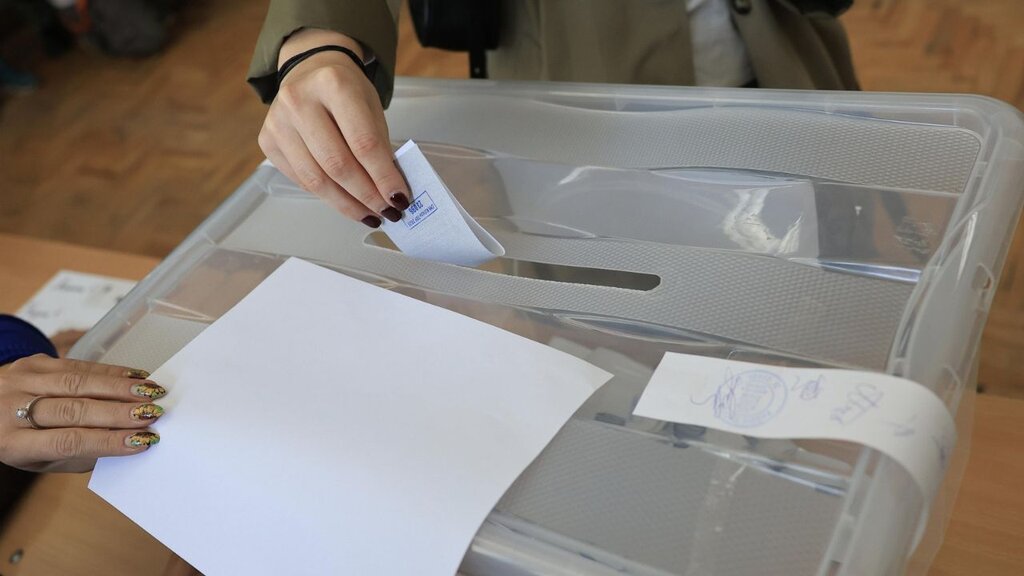
PHOTO BGNES
“Unprecedentedly low voter turnout of around 22% in the first round should serve as a warning sign that we need to start worrying about the state of the democratic process in the country”, Parvan Simeonov stressed. Despite the uncertainty surrounding the outcome of the second round on November 1, the presidential election has a positive agenda, the analyst believes.
“When we voted in the parliamentary elections in April this year, part of the agenda was negative, meaning it was about opposing the status quo. The presidential election, by contrast, is largely about choosing who should become president. This makes it somewhat more difficult to vote against something or cast a protest vote. Of course, researchers still need to determine what has caused the ‘disappearance’ of two million voters. Around 3.45 million people voted in April, compared with approximately 1.45 million in the presidential election. Those two million voters were part of an electoral surge that is now absent. This makes the outcome of the runoff difficult to predict.”
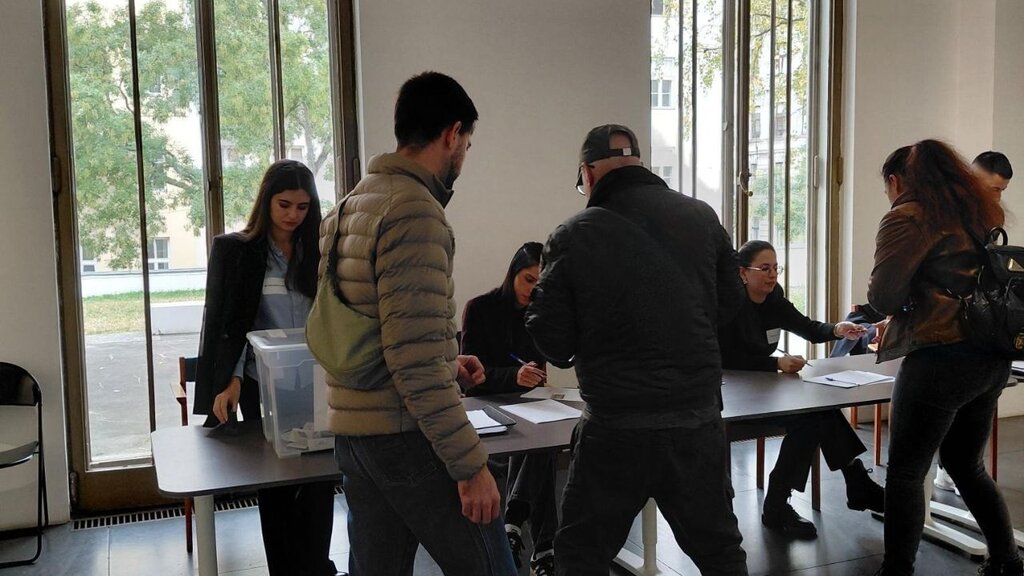
PHOTO BTA
The sociologist also commented on the exceptionally low voter turnout among our compatriots in Türkiye, where only around 7,000 ballots were cast.
“These are not parliamentary elections, which traditionally generate greater interest because people can see what is at stake for them locally. Candidates run their own campaigns and gather preference votes. Presidential elections, however, are a more abstract choice. So what incentive is there for individuals and political organisations to get involved, especially those motivated by pragmatic considerations? That is why I believe this is a very interesting symptom of Bulgaria’s democratic process. It seems that something is breaking down in the connection between voters and the presidential election”, Parvan Simeonov said, noting that the 2021 presidential election was held alongside snap parliamentary elections, while the 2016 vote coincided with a referendum.
‘We haven’t had a presidential election held on its own for quite some time. What we have seen this time raises many questions.”
Andrey Gyurov
PHOTO BGNES
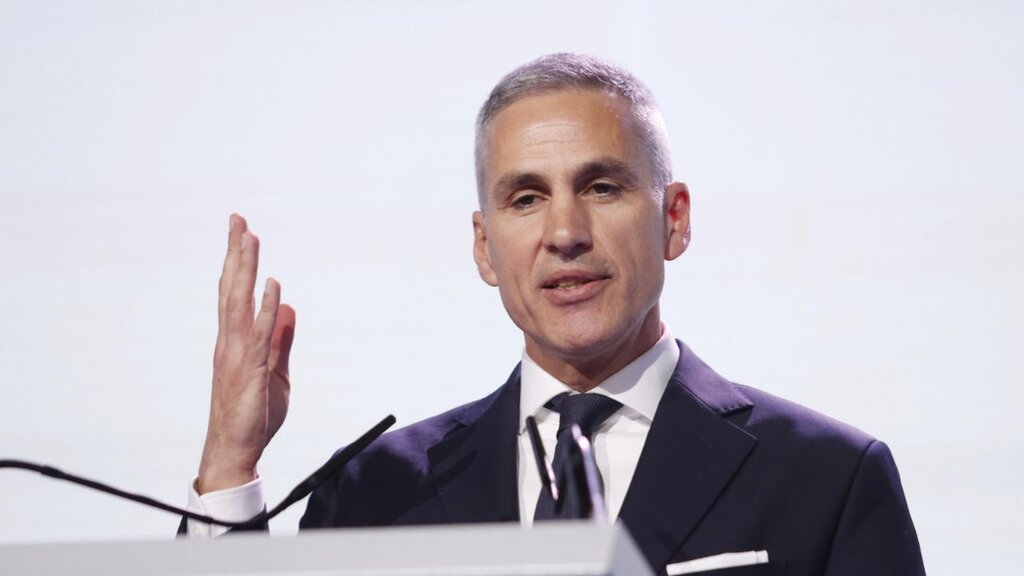
The sociologist said he was not surprised by Andrey Gyurov’s decisive victory among Bulgarians voting abroad.
''Voters abroad generally support either a new political formation or the pro-Western liberals with the exception of Türkiye, where the situation is different. With no new political formation in the current race, the pro-Western liberals have received stronger support. That is how I explain the fact that Andrey Gyurov is leading among voters abroad, while Iliana Iotova is ahead in Bulgaria. Of course, we will have to wait and see what happens in the runoff, where two competing narratives about the country will go head-to-head''.
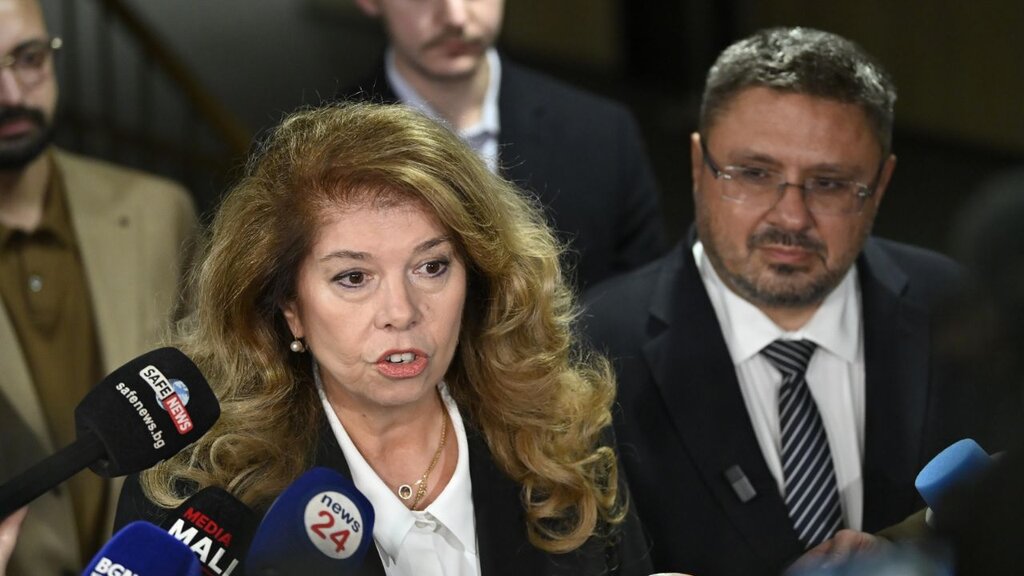
Iliana Iotova
PHOTO BGNES
This is why the upcoming debate between the two candidates is so eagerly anticipated, although Simeonov expects it to see two predictable narratives clash. He does not believe the debate will attract many new supporters for either candidate. Rather, it will serve to rally their existing supporters. The current government, represented by Progressive Bulgaria, will play a significant role through its presence and support. The party will need to demonstrate its support for Iliana Iotova, pointing to an increasingly heated contest in what has been dubbed the political tiebreaker.
Read more:
Translated by Kostadin Atanasov
This publication was created by: Kostadin Atanasov