


Author
Miglena Ivanova
Article
New book reveals little-known stories of Bulgarians in South America
"Bulgarian Talents on South American Soil" is authored by Aksinia Ivanova and Ivan Tsankov who have been living in Argentina for years
Thursday 29 October 2026 12:30
Thursday, 29 October 2026, 12:30
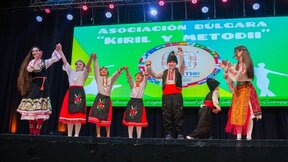
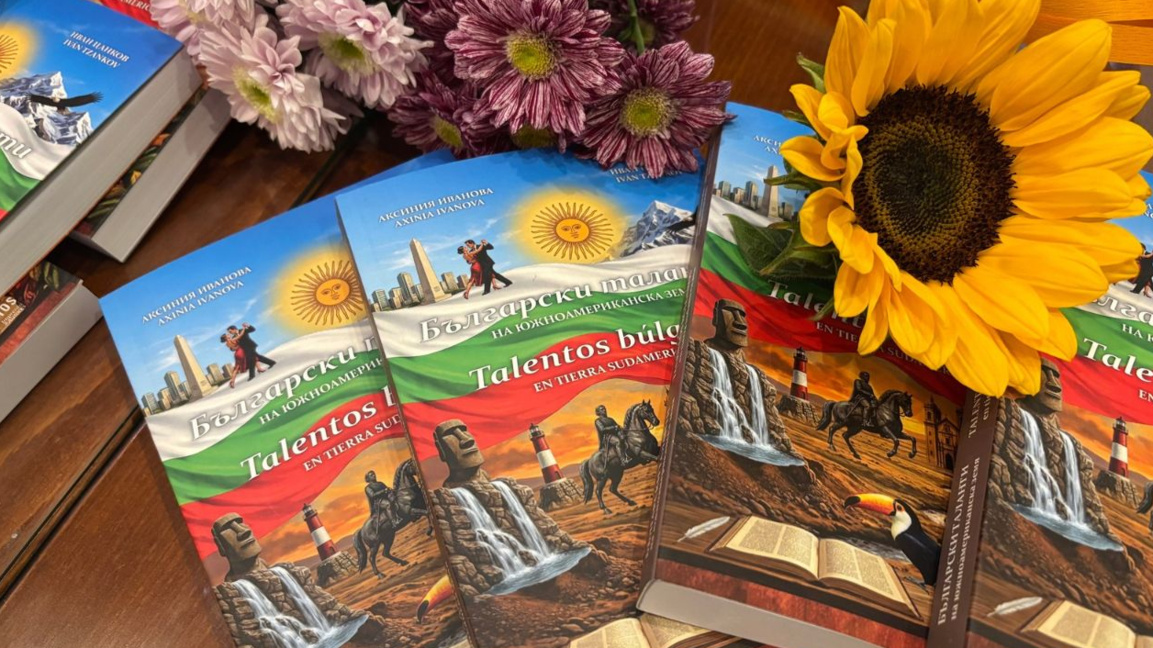
PHOTO BTA
Font size
Bulgarians and their descendants have left a lasting mark on the culture, social and political life, and even the architecture of South America. Little is known about many of them in Bulgaria, yet their stories deserve to be told. Twenty-three such life stories have been brought together by Aksinia Ivanova and Ivan Tsankov in their new book, Bulgarian Talents on South American Soil.
The authors have lived in Argentina since the beginning of the century, while maintaining close ties with Bulgaria. They founded the civic association Bulgarians in Argentina and launched the first Spanish-language media outlets on Bulgaria on the continent, including the losbulgaros.com.ar news portal and the online radio station My Bulgaria, among others. They have also embarked on making films and writing books about “the other Bulgaria”, the one that generations of emigrants and their children have built through their hard work and talent on the other side of the Atlantic.
Aksinia Ivanova and Ivan Tsankov are currently spending a month in Europe. Their programme included the 21st World Meeting of Bulgarian Media in Budapest and the presentation of Bulgarian Talents on South American Soil in Sofia.
Ivan Tsankov spoke about the book in the Radio Bulgaria studio, explaining how the idea came about and how the authors discovered the people whose stories it tells.
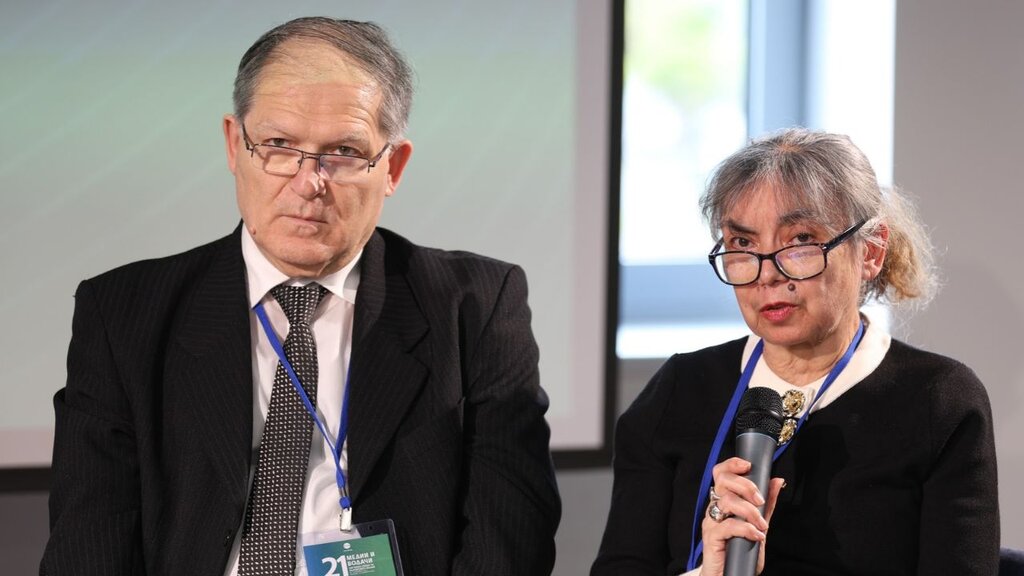
Ivan Tsankov and Aksinia Ivanova
PHOTO BTA
It all began with a meeting with a writer of Bulgarian descent from Uruguay who had moved to Argentina and contacted them to ask for information. Through their conversations with her, Aksinia and Ivan learned about her work, her renown in Uruguay and the books she had once presented to the country’s president, José Mujica. They began to wonder how many other compatriots across the ocean might have stories waiting for someone to hear them.
Seeking answers, they launched the “Discover Bulgarian Talent” campaign on their online radio station, My Bulgaria. They tracked down compatriots and people of Bulgarian origin, interviewed them and collected their biographies. Gradually, they gathered enough material for a book that brings together contemporary figures and personalities from the past.
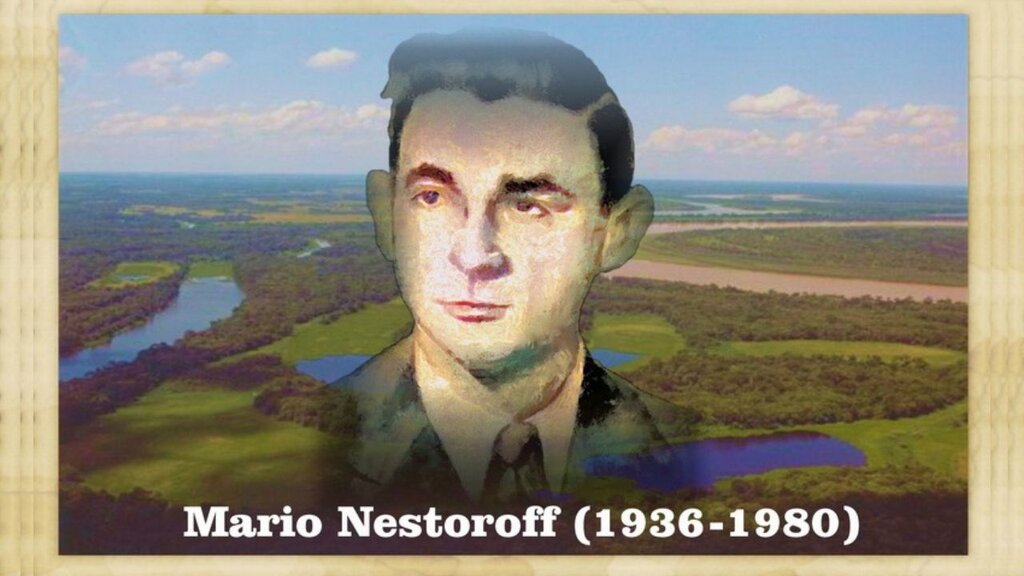
Mario Nestoroff
PHOTO Digital edition of Bulgarian talents on South-American soil
The story of the poet Mario Nestoroff, the son of Bulgarian emigrants, made a particularly strong impression on them. Tsankov describes him as the most outstanding talent to emerge from the Bulgarian community in Argentina.
Mario Nestoroff won a national literary competition with his poem Song of Chaco. Among the members of the jury was Jorge Luis Borges. Although Nestoroff never published a book during his lifetime, his poems were turned into songs and are studied in Argentine schools. Aksinia and Ivan dedicated their documentary film A Heart Like a Bird to him. The film was screened in Sofia at the presentation of their book, marking the 90th anniversary of the poet’s birth.
In which fields have Bulgarians in South America made their most notable contributions? And what do the lives featured in Bulgarian Talents on South American Soil have in common? Ivan Tsankov explains:
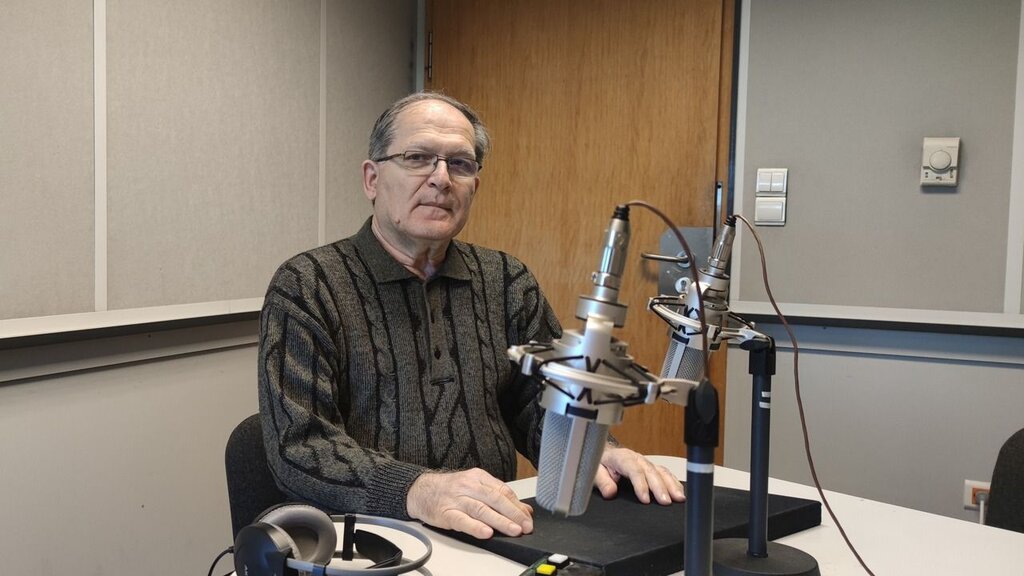
Ivan Tsankov in Radio Bulgaria's studio
PHOTO Miglena Ivanova
“Most of them are writers. Literature has been strongly represented ever since the first waves of Bulgarian emigration to South America. The writer Samuil Strezov, who belonged to that very first wave, enjoyed considerable fame in his day. His first published book (Anga: Memoirs of an Emigrant (editor’s note), was even presented to literary circles in France. It aroused great interest there.
As for what these people have in common, which is what you are asking me about, yes, there is something, and we always emphasise it. These are typically Bulgarian traits which, I believe, are evident not only in literature but also in other fields that allow Bulgarian talent to flourish even on foreign soil. Despite all the difficulties of starting a new life in the New World, where, as you know, one has to fight for survival, for one’s place in society and for many other things, this talent is so distinctive that wherever Bulgarians go, it finds a way to blossom. They demonstrate what they are capable of and make a name for themselves, not only in their chosen field but also in their new community.”
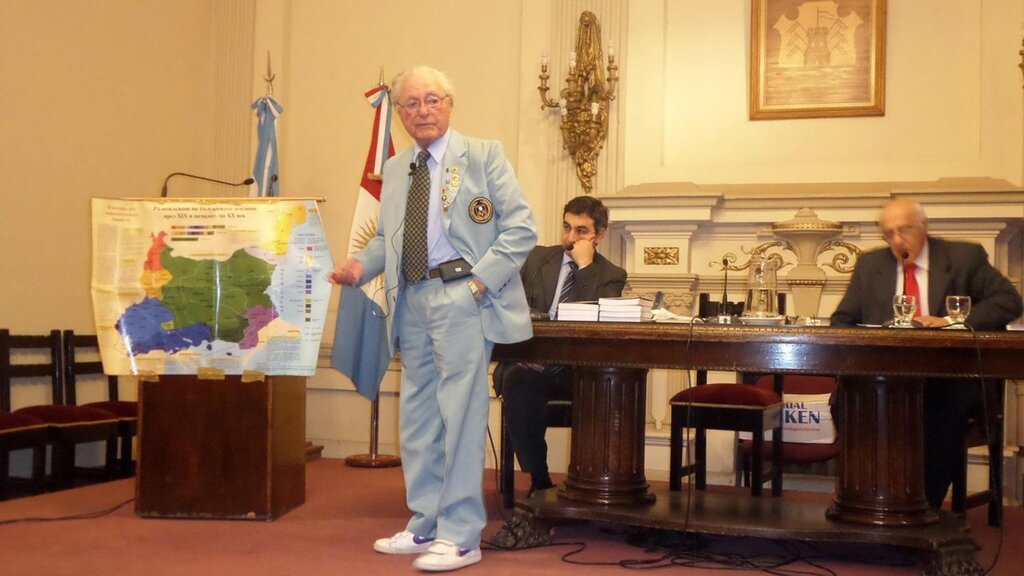
Vatyo Koralsky
PHOTO Digital edition of Bulgarian talents on South-American soil
Among the stories collected by Aksinia and Ivan is that of civil engineer Vatyo Koralski, who arrived in Argentina in 1948 with a degree and only a few coins in his pocket. In Tucumán, he founded his own company, became a pioneer of high-rise residential construction in the city and was awarded the title of Distinguished Citizen.
Each emigrant finds their own path, shaped by their talents, opportunities and the hand life deals them. But how does an emigrant community earn the trust of the wider society, and how are Bulgarians in Argentina regarded more generally.
“In areas where the Bulgarian community is large, particularly the province of Chaco, which is home to the largest and oldest Bulgarian community, it enjoys a very high standing,” Ivan Tsankov explains. “Let me clarify why Bulgarians went there: it was the centre of the cotton industry. At a time when synthetic fabrics did not exist, cotton was a highly sought-after commodity, and there was a constant need for labour. That is why they settled there.
This was the first community to establish a school for its children. Its members are also known for the traditional industriousness that we know so well here in Bulgaria, as well as for their honesty. All these qualities have earned Bulgarians a high standing in the wider community.
Another factor is the talent of Bulgarians, who have made their mark not only in their professional fields, whether literature, music or painting, but also in public life. Many individuals have made significant contributions and are highly respected in their respective provinces. One example is our compatriot Omar Tsenov, who, sadly, has passed away. He was a well-known writer, religious figure, statesman and much more. A school in his hometown was named after him during his lifetime by government decree. That alone speaks volumes.”
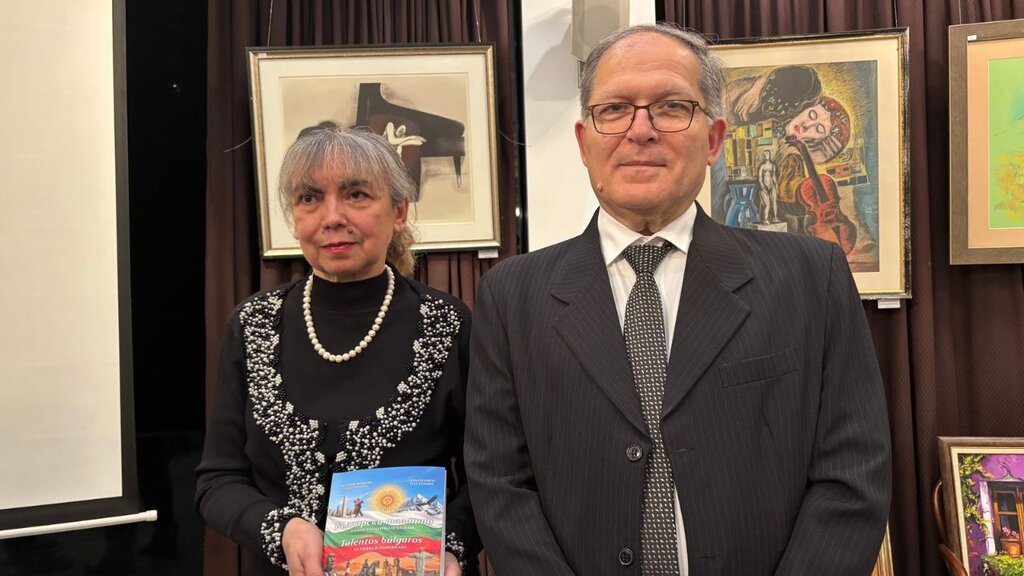
PHOTO BTA
Readers can do more than simply read the book: they can also see and hear the people whose stories it tells. A QR code provides access to photographs, audio and video materials, including interviews recorded by Aksinia and Ivan. In this way, the names and biographies come to life through faces, voices and personal recollections.
The book is published in both Bulgarian and Spanish. The inclusion of Spanish reflects the particular nature of the Bulgarian community in Argentina, as the Radio Bulgaria guest explains:
“There is one particular aspect that I would like to clarify, something that is not widely known in Bulgaria about the Bulgarian community in Argentina. The vast majority of its members are descendants of Bulgarian immigrants. The only thing that gives away their connection to Bulgaria is their surname, ending in ‘-off’. They do not speak Bulgarian.
That is why we broadcast and write in Spanish, so that we can reach them. Otherwise, no one would pay attention to what we create if we did it in Bulgarian, even though that would be easier for us. We have even been criticised for being a Bulgarian media outlet that publishes in a foreign language. But that is the reason.”
Even when the language of their ancestors is no longer spoken at home, family stories continue to be passed down. They inspire younger generations to discover the country their families once left behind. In recent years, social media have created the impression that growing numbers of people of Bulgarian descent are reconnecting with their roots. Is this interest genuinely increasing, or is it simply becoming more visible?
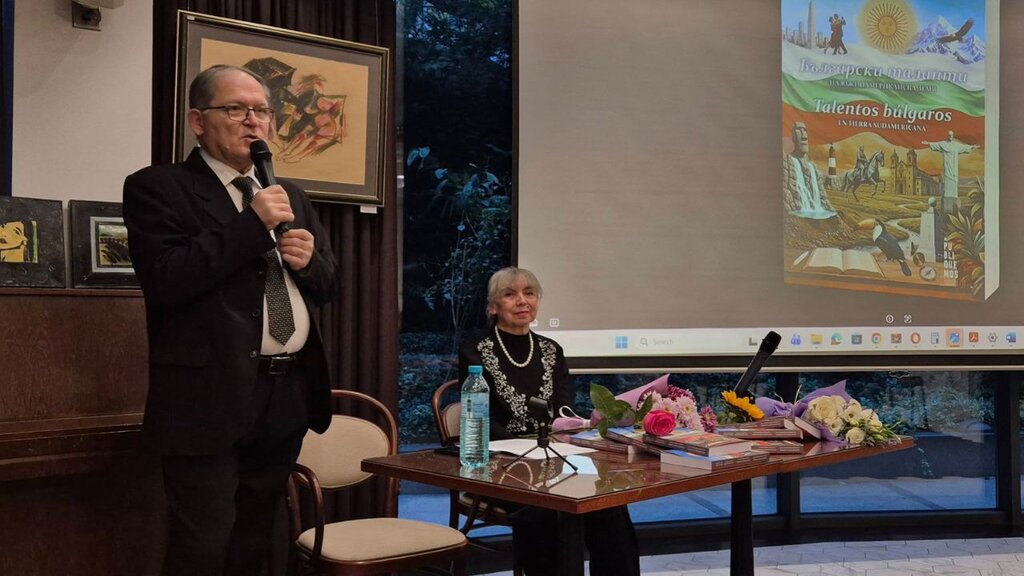
PHOTO sbj-bg.eu
“I want to make it clear that interest in their roots and in Bulgaria has always existed. It has been constant,” Ivan Tsankov insists. “The people we are in contact with, who make up this community, now include descendants of immigrants in their fourth generation. Their earliest impressions came from their ancestors, their grandfathers and grandmothers, who told them about Bulgaria. They know very well what banitsa is, for example. They adore traditional Bulgarian costumes.
For them, Bulgaria is something sacred. Unfortunately, only a small proportion of them have visited Bulgaria and know the country first-hand.”
And so, as the descendants of emigrants seek to reconnect with Bulgaria, Aksinia Ivanova and Ivan Tsankov’s book gives us an opportunity to draw closer to them. It allows us to discover the people behind the names and see how their achievements have become part of life on a distant continent.
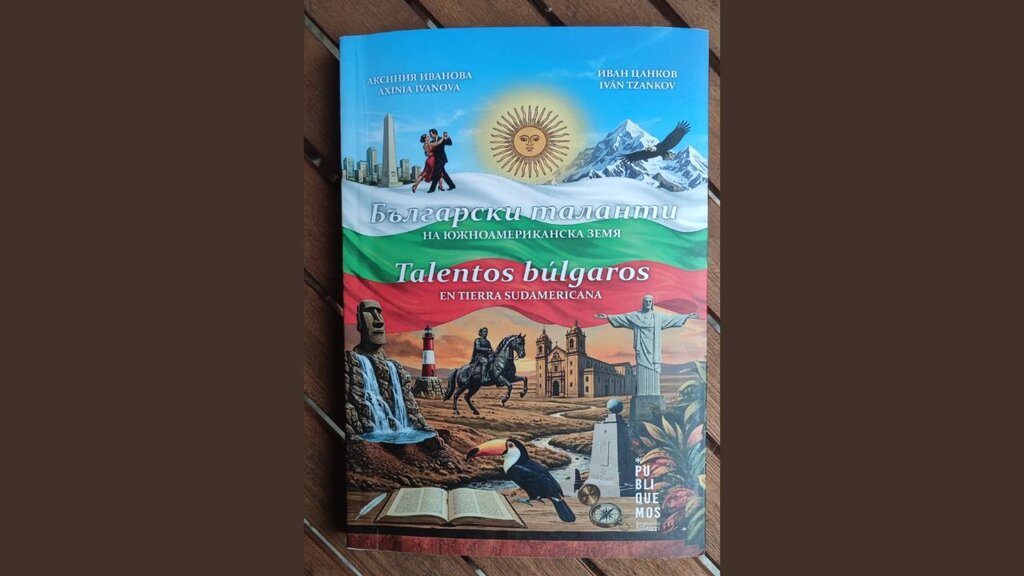
PHOTO Miglena Ivanova
Read also:
Chile is home to around 100 Bulgarians who cherish their homeland
Jazma Todoroff takes dreams come true and pebbles… as souvenirs from Bulgaria
Tsenka Genova honoured for her contribution to Bulgarian community in Argentina
Erica Perales from Argentina has Bulgarian blood flowing in her veins
Polya Stancheva unveils the history of Bulgarian immigrants in Argentina with a film
Photos: BTA, Miglena Ivanova, private archive, sbj-bg.eu
English version: R. Petkova
