


Author
Lyubomir Kolarov
News
Malko Tarnovo and Petrova Niva - the history and spirit of Strandzha
Saturday 7 November 2026 12:15
Saturday, 7 November 2026, 12:15
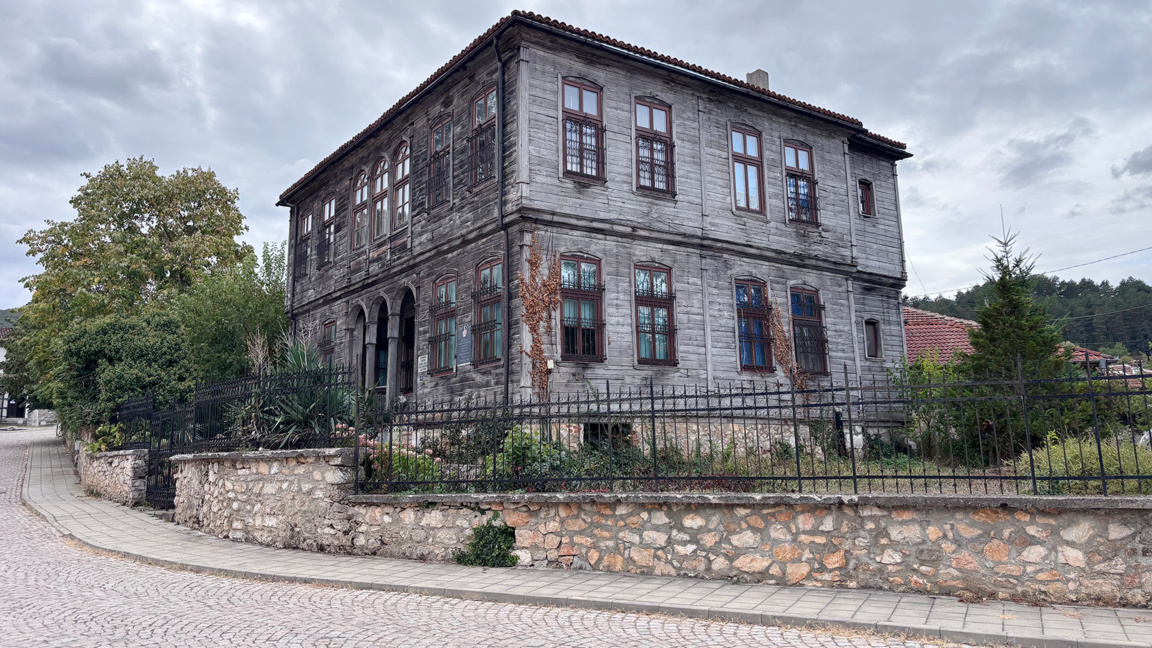
The History Museum in Malko Tarnovo
PHOTO Lyubomir Kolarov
Font size
In the heart of Strandzha, just a few kilometres from the Turkish border, lies Malko Tarnovo — the only town in the Bulgarian part of the mountain range. Surrounded by forests, springs and hills, this southeastern Bulgarian town brings together Strandzha’s scenic beauty and a history that began long before the modern Bulgarian state came into being. Here, traces of antiquity, architecture from the Bulgarian National Revival and memories of the struggles for national liberation come together.
The area’s history reaches back to Thracian times. Dolmens and burial mound cemeteries have been discovered near the present-day town. According to the Czech brothers Karel and Hermann Škorpil, pioneers of archaeology in Bulgaria, this was the site of the Roman roadside station of Utsurgas.
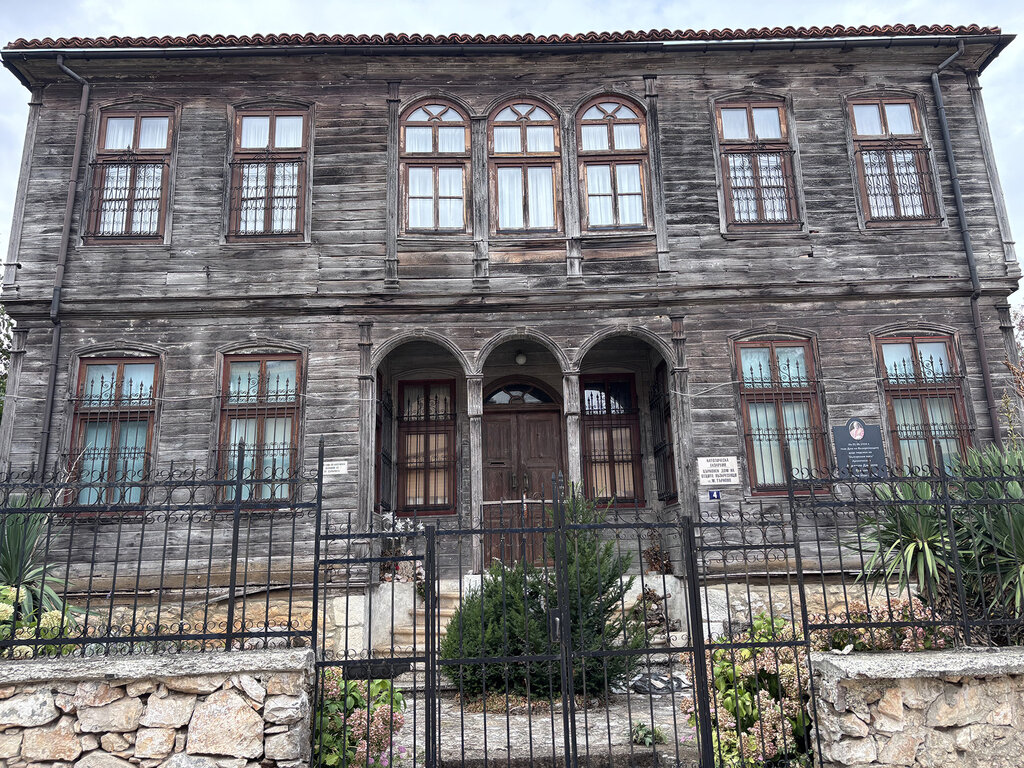
PHOTO Lyubomir Kolarov
Malko Tarnovo itself probably took shape in the late 16th or early 17th century, when people from nearby hamlets and small villages settled around the spring known as Golemia Vris.
Walking through the town centre, visitors can also trace its more recent history. Among the surviving buildings are fine examples of Strandzha’s traditional architecture from the Bulgarian National Revival. These houses, listed as cultural monuments, now accommodate the exhibitions of the "Prof. Alexander Fol History Museum". Established in 1983 as the Strandzha Museum Complex, it became a municipal history museum in 2002.
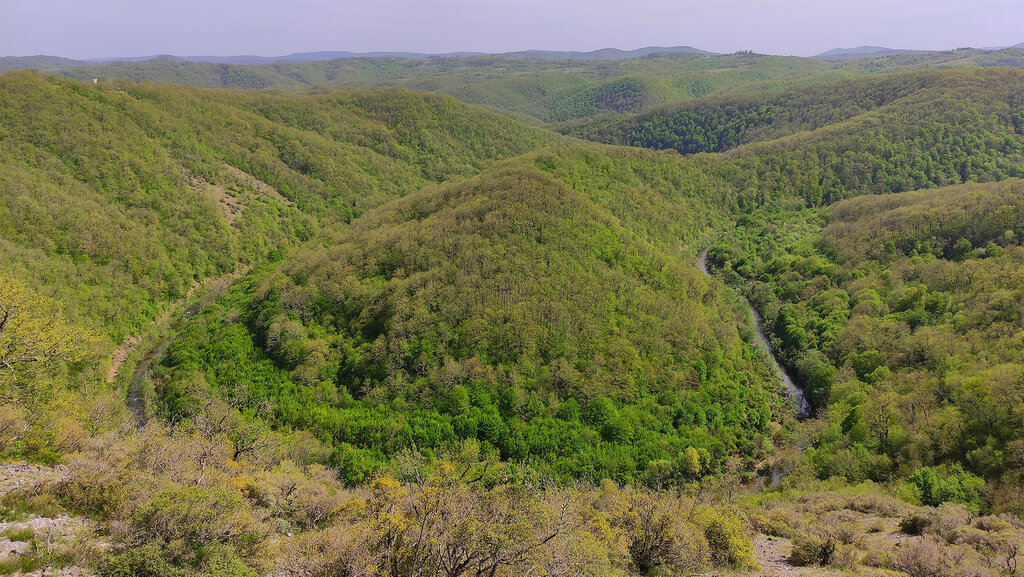
PHOTO geograf.bg
Inside, the exhibitions take visitors through the different layers of the region’s past. The archaeological exhibition presents finds from sites in and around Malko Tarnovo. Other displays feature icons painted by local artists, everyday objects and traditional clothing from the Eastern Rup ethnographic region, alongside material relating to the struggle for national liberation. The natural history collection explores Strandzha’s distinctive natural world.
Malko Tarnovo’s history is inseparably bound up with the struggle for national liberation. After Bulgaria gained its freedom from Ottoman rule in 1878, the Treaty of Berlin left Strandzha outside the borders of the new Bulgarian state. Revolutionary committees associated with the Internal Macedonian-Adrianople Revolutionary Organisation (IMARO) continued to operate in the region. In 1903, it was here in Strandzha that preparations were made for one of the most significant uprisings in Bulgarian history - the Preobrazhenie (Transfiguration) Uprising.
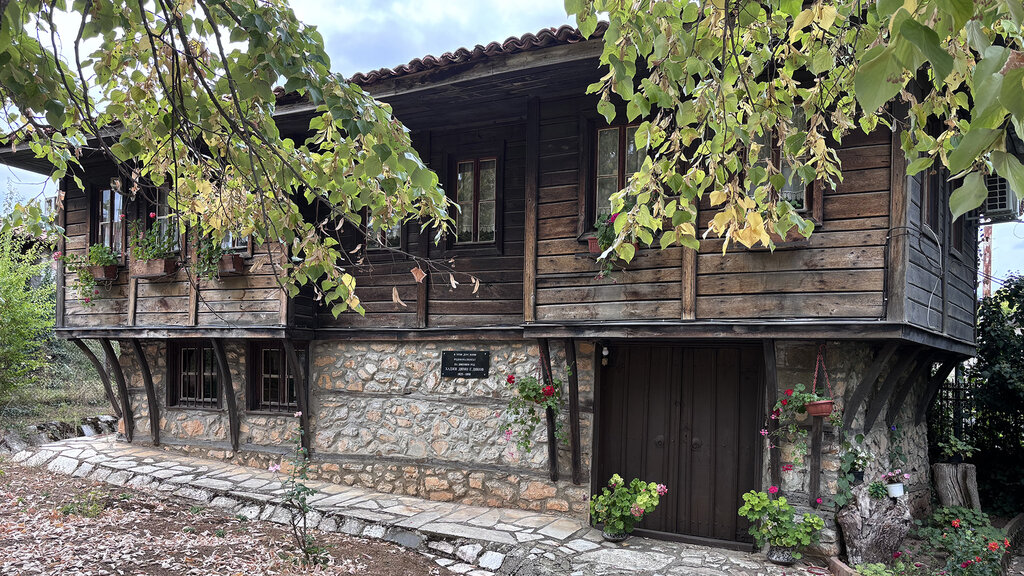
PHOTO Lyubomir Kolarov
To reach one of the most memorable sites in this history, the road continues through the forests of Strandzha to Petrova Niva. The historic site lies near the village of Stoilovo, around 32 kilometres from Malko Tarnovo, according to Strandzha Nature Park. Today, it is a site of national importance and one of the places where visitors can explore Strandzha’s history amid its mountain scenery.
On 29 June 1903, IMARO decided at Petrova Niva to launch the Preobrazhenie Uprising in support of the Ilinden Uprising in Macedonia. More than 300 delegates, revolutionary leaders and fighters attended the congress. Mihail Gerdzhikov, Captain Stamat Ikonomov and Lazar Madzharov were appointed to lead the uprising, while Georgi Kondolov was elected commander of the armed forces. The uprising in Strandzha broke out on 6 August, the Feast of the Transfiguration.
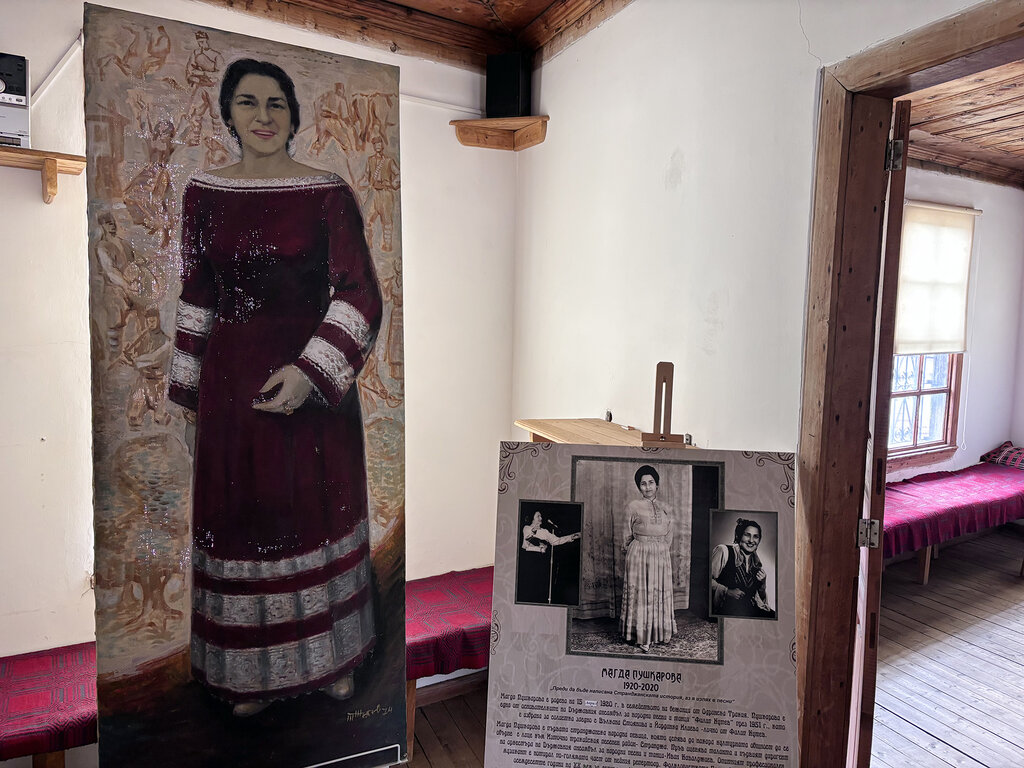
Magda Pushkarova, a renowned Bulgarian folk singer from the Strandzha region.
PHOTO Lyubomir Kolarov
Today, visitors to Petrova Niva can take in the silence of the forest and the broad views across Strandzha. At the centre of the memorial complex stands a monument to the participants and victims of the Ilinden–Preobrazhenie Uprising. The complex also includes a museum exhibition and the St Petka ossuary chapel, built and consecrated to mark the uprising’s centenary. Together with the History Museum in Malko Tarnovo, the memorial complex is included in Bulgaria’s list of 100 National Tourist Sites.
But Petrova Niva is more than a place of remembrance. Just beside the memorial, a viewpoint offers views across Strandzha and the winding Veleka River. Strandzha Nature Park is known for its forests, centuries-old trees, springs and numerous chapels. A journey to Petrova Niva thus becomes a chance to discover the mountain’s natural surroundings as well as its history.
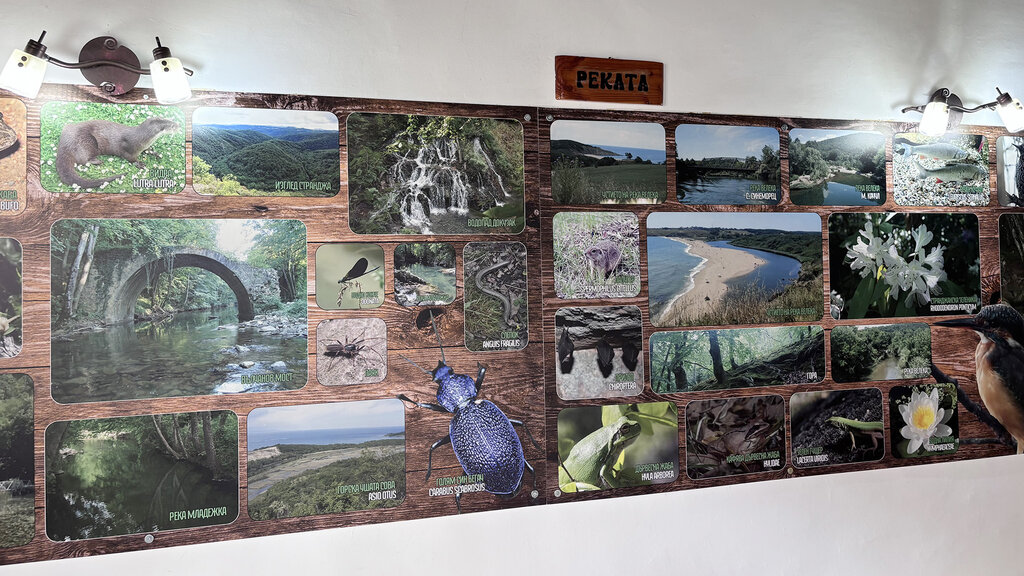
The first floor of the History Museum has been turned into an “encyclopaedia” of local flora and fauna.
PHOTO Lyubomir Kolarov
Malko Tarnovo and Petrova Niva can be explored as two parts of the same journey. In the town are the museum, houses dating from the Bulgarian National Revival and traces of the region’s centuries-long past.
Between them lies Strandzha — quiet, green and different from the familiar image of Bulgaria as a destination for seaside or mountain holidays. Here, history and nature are never far apart, and a visit to Malko Tarnovo can mark the start of a longer journey through one of the country’s least urbanised mountain regions and one of its richest in cultural heritage.
Editor Elena Karkalanova
This publication was created by: Elizabeth Radkova