Author
Svetlana Dimitrova
Article
The Presentation of Virgin Mary: Family as the first school of faith
21 November is the feast of the Virgin Mary, who gave birth to the incarnate Son of God, Jesus Christ
Saturday 21 November 2026 06:05
Saturday, 21 November 2026, 06:05
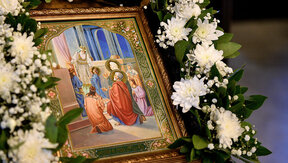
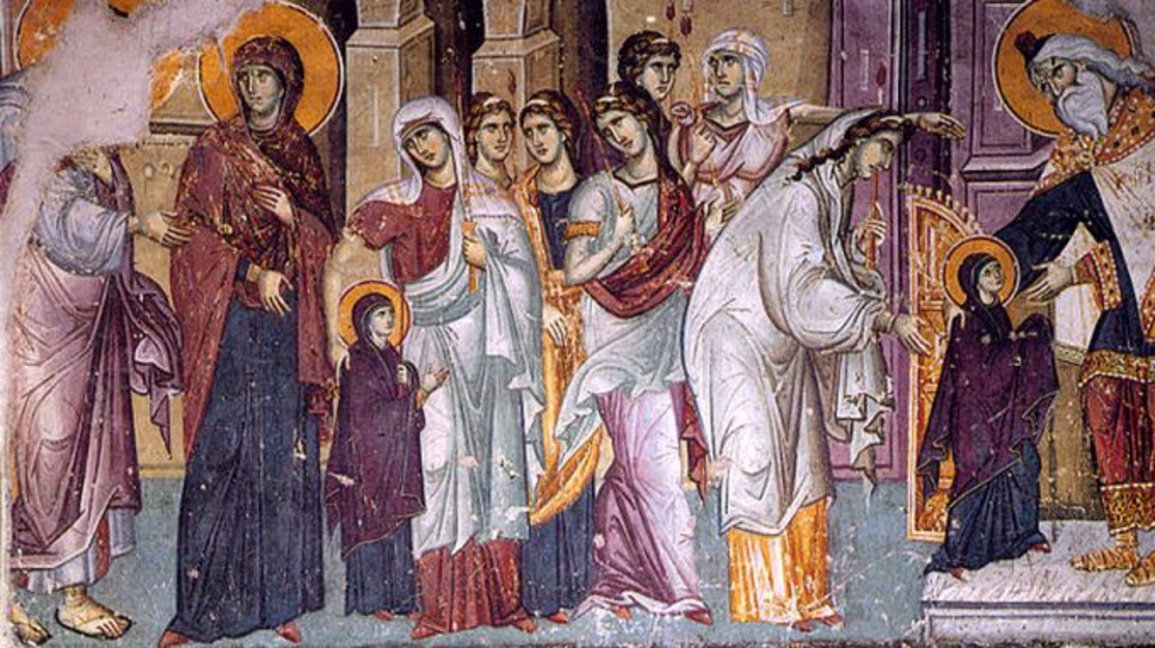
PHOTO Archve
Font size
On 21 November, the Bulgarian Orthodox Church celebrates the Entrance of the Holy Virgin Mary into the Temple in Jerusalem. She would later become the Mother of God, having given birth to the incarnate Son of God. Ancient written sources testify that, at the age of just three, she entered the Temple to be instructed and nurtured in faith and moral purity, and thus prepared for her great mission.
The Church has also designated the Feast of the Presentation of the Most Holy Theotokos in the Temple as the Day of the Christian Family and Christian Youth.
“On this day, more than 2,000 years ago, the entire family of the Holy Virgin Mary experienced immense joy: her parents, at the prospect of dedicating their child to God, and Mary herself, at the prospect of undertaking the greatest and purest of services, so that she might become ‘the vessel of the One who cannot be contained’, as we praise her in our liturgy,” explains theologian Professor Ivan Zhelev.
The Presentation of the Holy Mother – the feast of Virgin Mary

Prof. Ivan Zhelev
PHOTO Stanislava Pircheva
The feast was established with a particular focus on children. However, after 1944, when the Church was deprived of the right to work with young people and help shape their upbringing, it came to be observed solely as the Day of the Christian Family. Today, we once again dedicate it to both the family and young people, because the family is of paramount importance to the strength and stability of society, while children and young people are among the foremost values of both the family and society.
The Christian family nurtures love and understanding in our homes
Parents are the ones who should guide their children towards the house of God, so that they may grow in virtue and with good thoughts. It is regrettable when they fail to recognise this duty of theirs, Professor Zhelev observes:
“When we, as parents, show our children love and care, demonstrate trust and understanding of their problems, and set them a personal example of virtuous conduct, we fulfil our responsibility. The contribution of teachers, educators and clergy does not absolve parents of their duty. Nevertheless, being present in church is of no benefit unless a person learns to lead a holy life.”
This is achieved through the sacraments of the Church, which bring the faithful into the life of the Church:
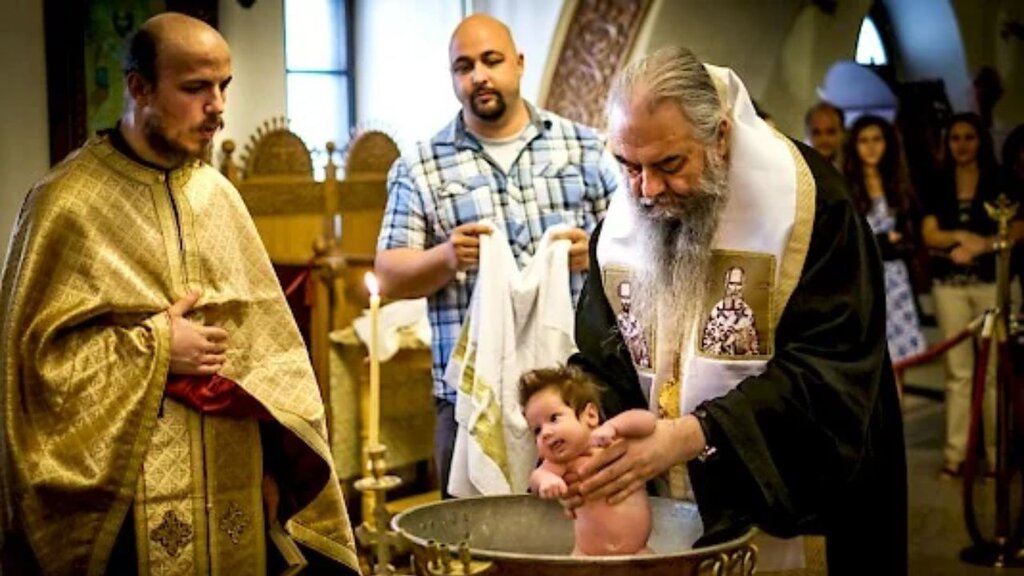
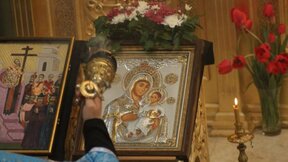
PHOTO rilskimanastir.org
“We call Baptism the ‘gateway sacrament’: through it, one enters the Church. It is not a magical act, although it is a sacrament because of its profound religious nature. It gives us the opportunity to become Christians, but does not automatically make us so. It is regrettable that many remain ‘baptised non-Christians’, because they have not consciously chosen to embrace the Christian faith and follow Christian morality, thereby preparing their souls for salvation in eternal life.
Church marriage is a solemn vow before God to love and remain faithful, to love selflessly, ‘just as Christ loved the Church and gave Himself up for her’, as St Paul writes. Through the sacrament of marriage, we assume an enormous responsibility. These sacraments involve demanding rational, emotional and volitional processes. If we do not come to understand that we must fulfil these commitments in accordance with the Church’s teachings, it would be better not to place such a burden upon our shoulders. All those who approach Baptism and the sacrament of marriage with a sense of responsibility are happy people here on earth, and God will reward them in His own time.”
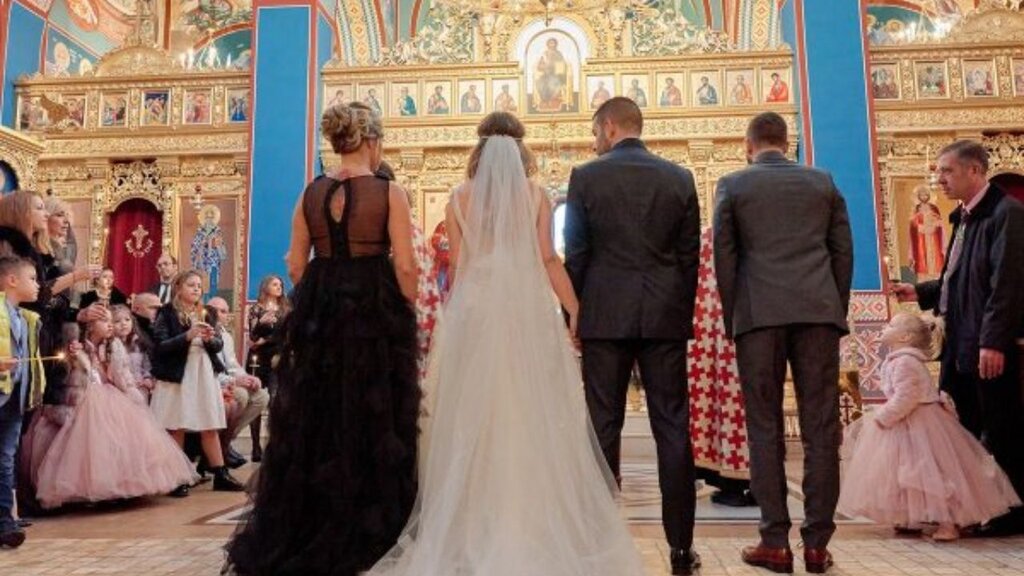
PHOTO vazdvijenie.bg
According to Professor Zhelev, Sunday schools and talks organised in some churches not only arouse interest but are also beneficial. Unfortunately, however, such activities are not available in every church. In recent years, there has also been a revival of the tradition of attending liturgies, having church weddings and baptising children:
“This trend emerged after the political changes in our country, when the fear of the atheist authorities disappeared,” Professor Zhelev explains. “At one point, it became fashionable. But this fashion is not merely unhelpful; it is harmful. What matters most is that our relationship with the Church and its saving sacraments should be conscious, sincere and regular. There are no ‘holidays’ or ‘leave periods’ when it comes to these things. The human soul always needs spiritual nourishment, and we must never leave it hungry or thirsty. If we lead a virtuous Christian life within the community of the faithful, this will be evident, and it will be immensely beneficial to us ourselves.”
Read also:
Asen and Rivka - an Orthodox family in the Netherlands
An Orthodox family in Switzerland - between finance, pharmaceuticals and eternity
Edited by E. Karkalanova
English editor: R. Petkova
This publication was created by: Rositsa Petkova