Author
Tsvetana Toncheva
News
The poet among Bulgarian composers: Todor Popov and his Winter Reflections
The song cycle is set to texts by distinguished Bulgarian poet Vladimir Golev
Friday 23 January 2026 20:05
Friday, 23 January 2026, 20:05
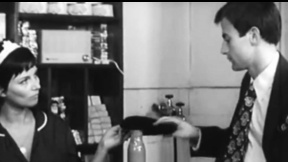
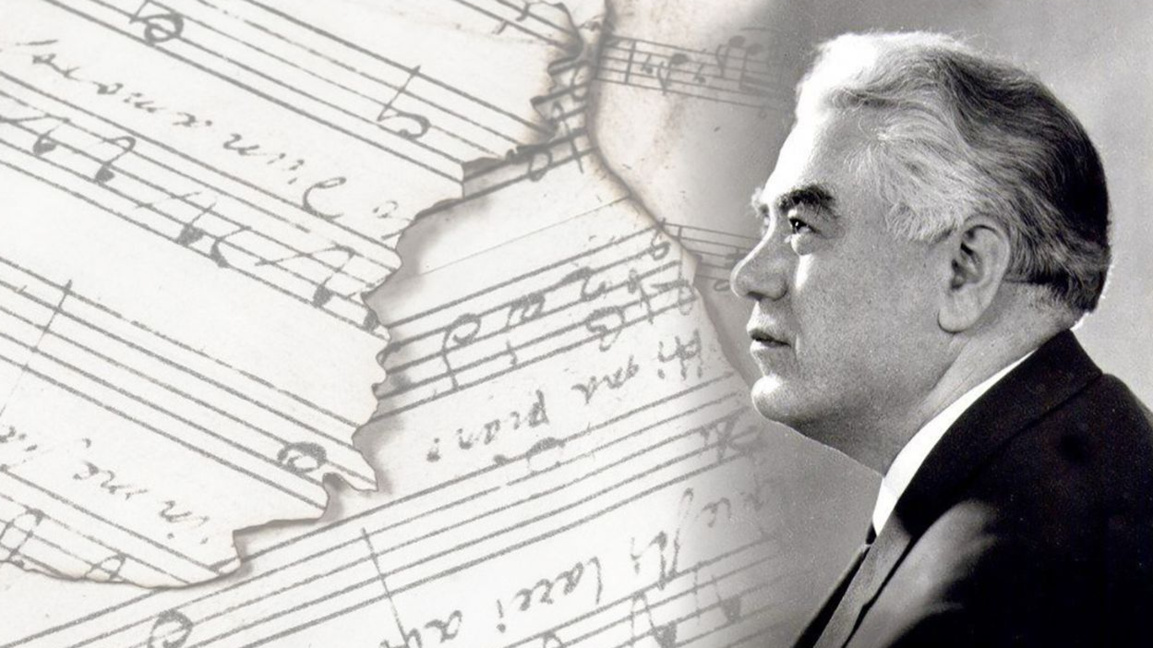
PHOTO todor-popov.info
Font size
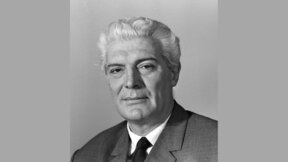
The exquisite master of melody Todor Popov (23 January 1921 – 2 February 2000) is described by respected Bulgarian musicologists as “a distinctive classic of the Bulgarian song in the second half of the 20th century,” even though he created hundreds of works in various genres: musical theatre, oratorio, symphony, cello concerto, works for symphonic and string orchestra, quartets, vocal and instrumental chamber miniatures, folk arrangements, and film music. In the history of Bulgarian culture, however, he remains above all associated with his choral works.
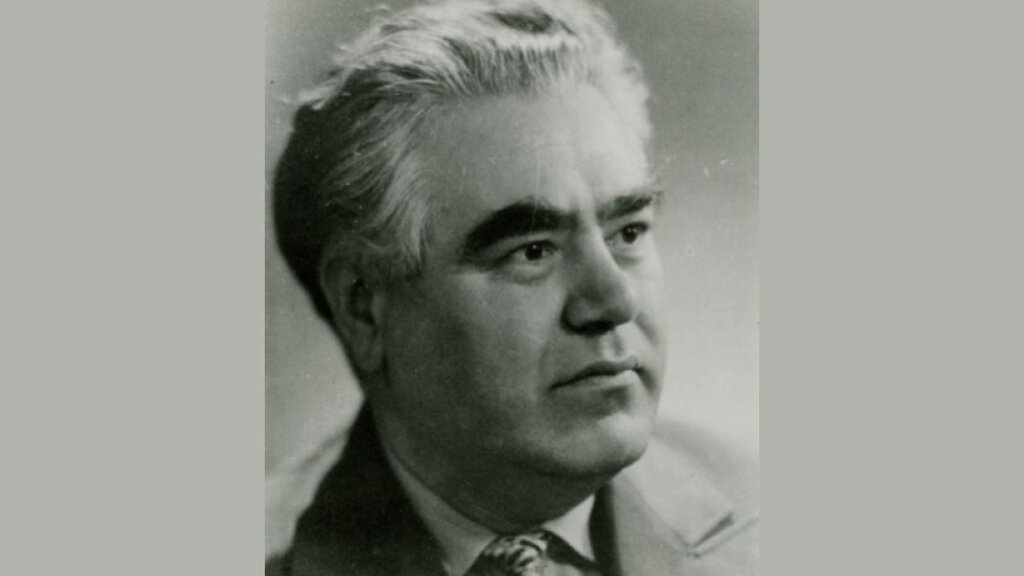
PHOTO todor-popov.info
Todor Popov was born in Dryanovo - a small yet dignified town at the foot of the Balkan Mountains, at the crossroads between Northern and Southern Bulgaria, which preserves historical memory of settlements and peoples from the Paleolithic era to the present day. At the local secondary school he sang in the school choir and played guitar and violin. He continued his education in Tarnovo, where he played in the high school orchestra.
At the age of 17, he was admitted to the Music School in Sofia, studying violin in the class of Hristo Obreshkov. His first attempts at composition date from that period. After graduating, he completed his military service in Tarnovo, where he composed several marches that quickly became popular in the town.
In 1944, he enrolled in the Theory Department of the Music Academy in Sofia. He studied composition with renowned professors: Veselin Stoyanov, Pancho Vladigerov, Marin Goleminov, and Parashkev Hadzhiev. He wrote songs, played in the Academic Symphony Orchestra, and participated in the establishment of the Theatre of the People’s Army.
He completed his higher education in 1949, and from 1952 to 1957 was a postgraduate student at the Moscow Conservatory. After returning to Bulgaria, he worked as a music editor at Bulgarian National Radio and as a teacher. He also compiled and edited music textbooks and song collections.
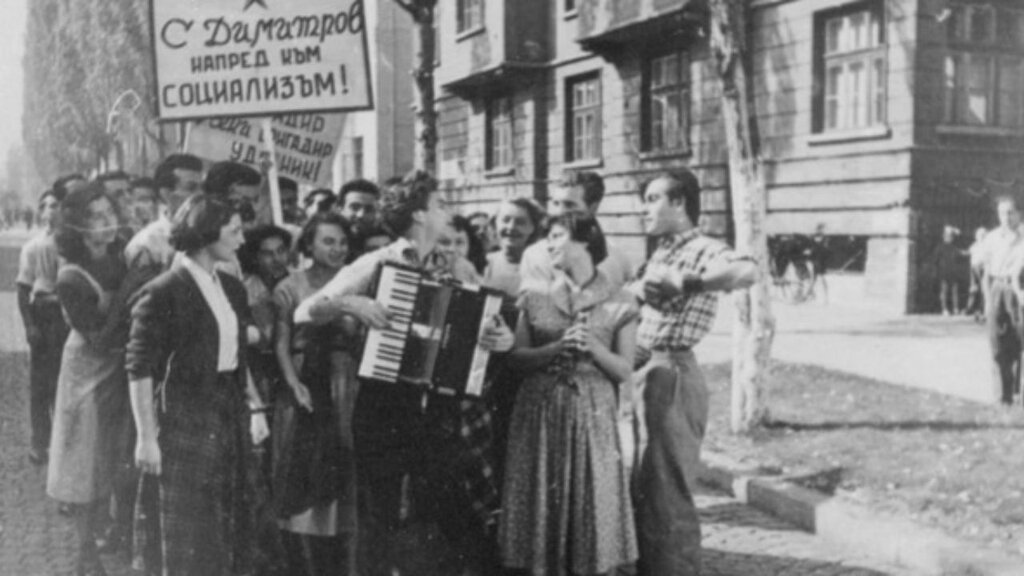
Scene from the 1950s film "Morning over the homeland"
PHOTO programata.bg
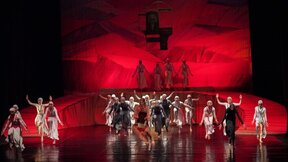
In the early 1950s, the film “Morning over the Homeland” appeared on cinema screens—a work about the aspirations of the young generation harnessed to the construction of the “most progressive system,” socialism, which soon proved to be a utopia. The film is enriched with the melodious songs of Todor Popov, one of which - “Sviri, Harmoniko" (Play, Harmonica”) - became a true hit.
From the same decade dates another popular work by the composer: his choral arrangement for mixed choir of the National Revival Period song "Otkoga se e, mila moya maino lyo, zora zazorila" (“Since When, My Dear Mother, Has the Dawn Been Breaking”).
The works created in the following years - "Stara si maika ni lozhe” (based on a Rhodope folklore text), “Choral,” “Three Watercolors,” “Good Night,” “Autumn Song,” and many other choral and solo songs - are part of Bulgaria’s timeless classical music heritage.
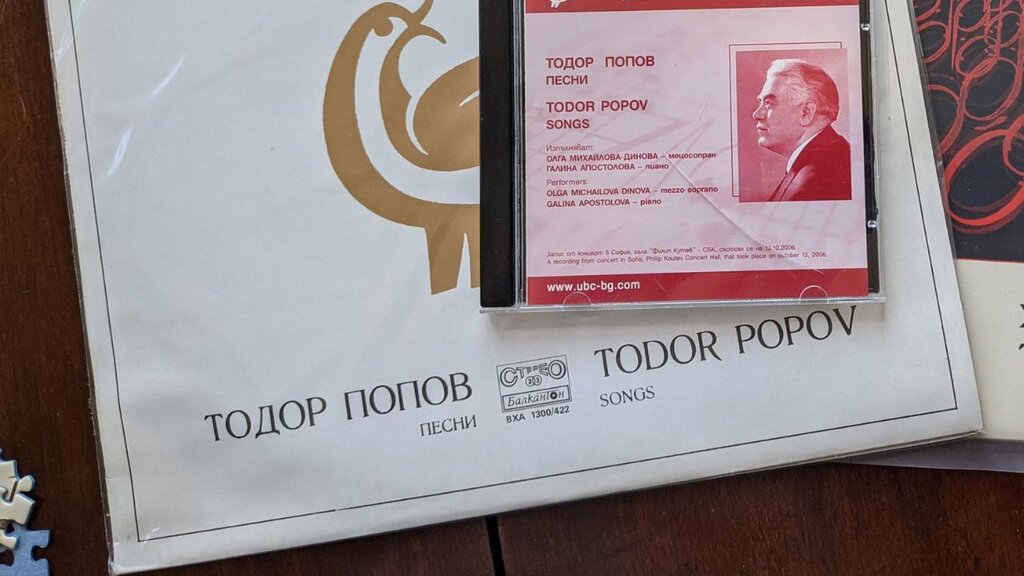
PHOTO todor-popov.info
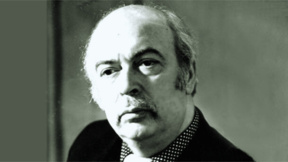
Often called “the poet among Bulgarian composers,” Todor Popov is among the most prominent bearers of the national spirit in Bulgarian music, strongly influenced by Bulgarian folklore and Bulgarian poetry. His innate sense for melody developed over the years into an exceptional talent and a constant striving for melodic perfection. The human voice is the most important instrument in his creative work.
He was among the principal composers who worked with the renowned ensemble „Bodra Smyana“ - the first Bulgarian children’s choir to achieve worldwide recognition. In fact, his contribution to shaping the character and repertoire of almost all major choirs in Bulgaria is indisputable. There is hardly a Bulgarian vocal ensemble that does not perform works by Todor Popov, because the way he transforms poetic text into music comes close to perfection.
His flexibility and rich palette in interpreting verse are remarkable. It is no coincidence that for many years he was among the composers who enjoyed the particularly attentive care of one of Bulgaria’s greatest choral conductors - the unforgettable Vasil Arnaudov. In December 1990 (only about three months before the conductor’s unexpected death, which shocked the entire Bulgarian musical community), Todor Popov had the good fortune to hear, at his own author’s concert, his song cycle Winter Reflections set to texts by his distinguished contemporary, the poet Vladimir Golev. They were performed by conductor Vasil Arnaudov with the renewed, fresh, and vividly sounding ensemble of the Sofia Chamber Choir.
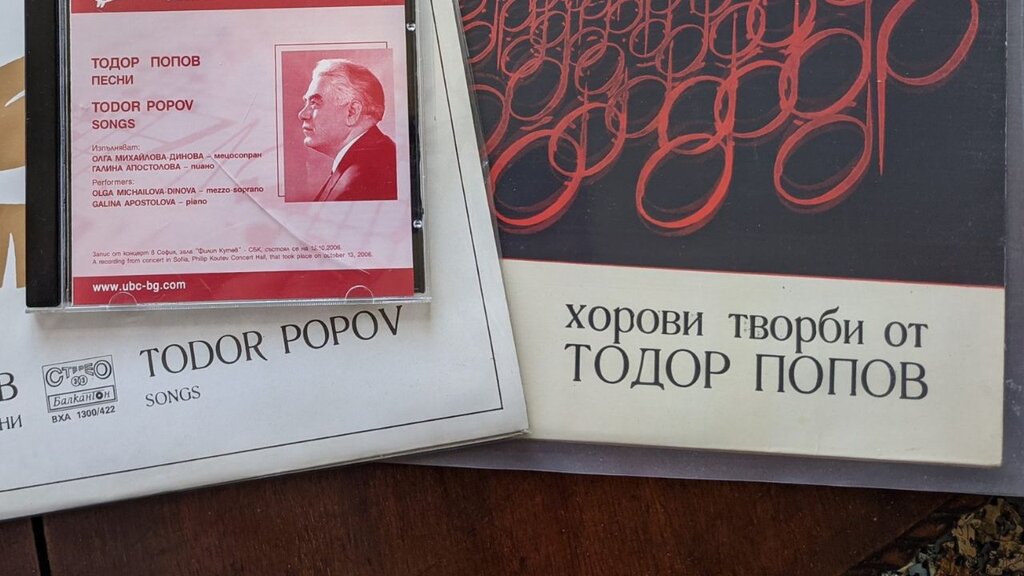
PHOTO todor-popov.info
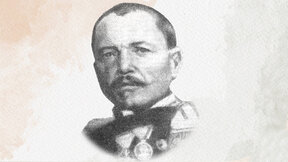
The author of the verses of the extraordinarily beautiful Winter Reflections, Vladimir Golev (1922–2011), published dozens of books of poetry, prose fiction, memoirs, plays, and journalism. People close to the poet say that toward the end of his life he increasingly turned his gaze toward the stars - the vast and inexplicable Cosmos ruled his sleepless nights. Alongside many memories, he sometimes wrote down seemingly naïve yet deeply intimate thoughts about infinity…
The text of the final, fourth song in the song cycle by Vladimir Golev and Todor Popov - Like Snow, Just Like Snow - is striking. In it, snow is a metaphor for human life. Just like snow, a person arrives on Earth, drifts through the race of life, until after a brief journey they melt away and sink into the ground. But they return again – in another winter, in other spaces, though not the same snow…
Read also:
“Belated encounters” by Petar Stupel – the delicate author of evergreens
Atanas Boyadzhiev’s ''I Dreamed a Dream'' - a pop hit with a national identity
Photos: todor-popov.info, programata.bg
English version: R. Petkova
This publication was created by: Rositsa Petkova