


News
Daniel Djenev from Chicago: New voting restrictions make no sense
Bulgarians abroad don’t succumb to influence, vote for all parties, says election volunteer Daniel Djenev
Friday 6 February 2026 14:56
Friday, 6 February 2026, 14:56
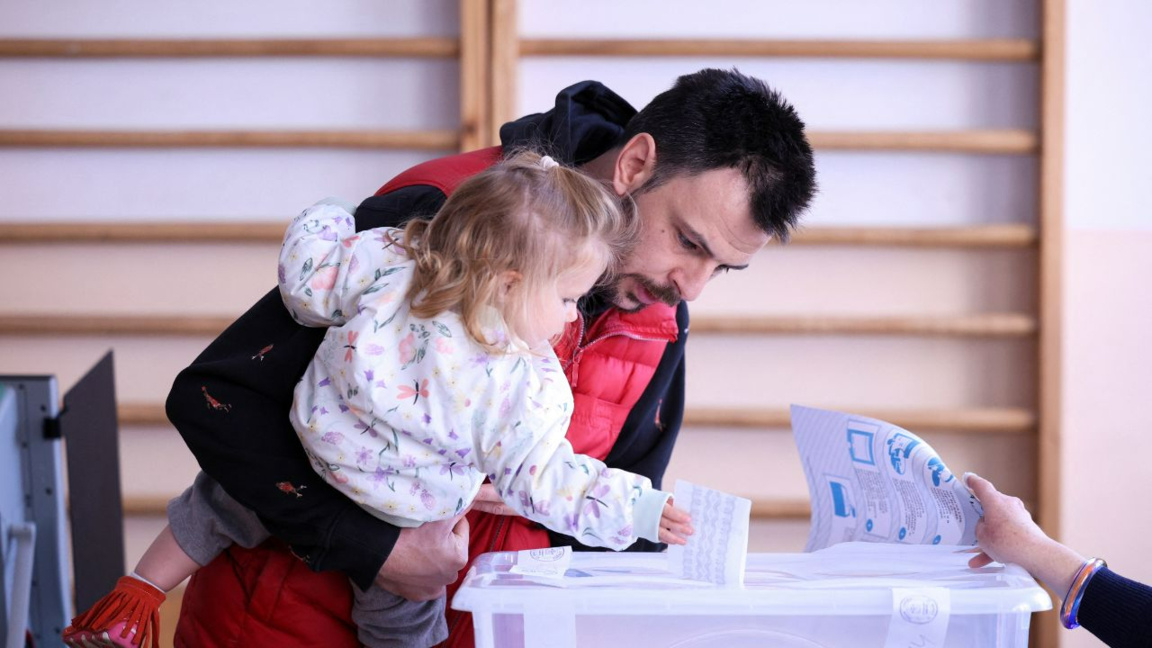
PHOTO Reuters (archive)
Font size
After many hours of debate, the National Assembly approved at second reading amendments to the Electoral Code limiting the number of polling stations outside Bulgaria’s diplomatic missions in non-EU countries to 20. The proposal, submitted by the parliamentary group of “Vazrazhdane”, was supported by 117 MPs. 82 MPs voted against it, and 10 abstained. We Continue the Change-Democratic Bulgaria (PP-DB), DPS–New Beginning, MECH, Velichie, and the Alliance for Rights and Freedoms (APS) opposed the proposal.
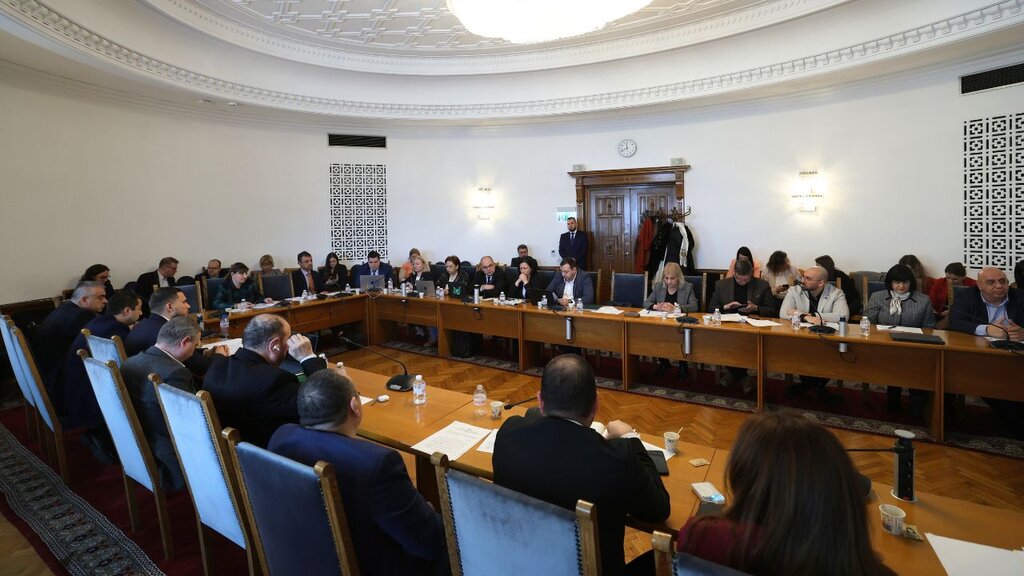
PHOTO BTA
It is now clear that in countries such as the United Kingdom, Türkiye and the United States, having only 20 polling stations will have a negative impact. Voter turnout among Bulgarian citizens in these countries has traditionally been high, and the reduced number of stations will lead to overcrowding. Some voters may even abstain from casting their ballots due to the long distances they would need to travel to reach polling stations.
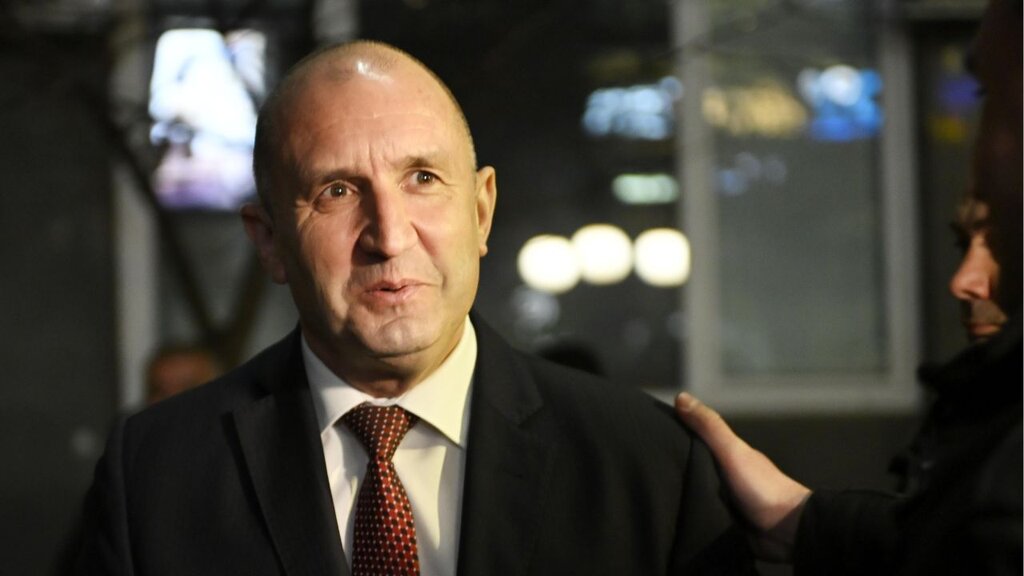
Rumen Radev
PHOTO BGNES
One of the first reactions came from former President Rumen Radev, who is now among the politicians who will take part in the early parliamentary elections. In a Facebook post, he commented that the National Assembly’s decision is ''yet another step in the attempts of the political status quo to preserve its power by restricting the democratic rights of Bulgarians living abroad''.
The United States is one of the countries affected by the newly adopted restriction, and compared to the vote in October 2024, the number of polling stations will be reduced by nearly 50%. What difficulties will this cause?
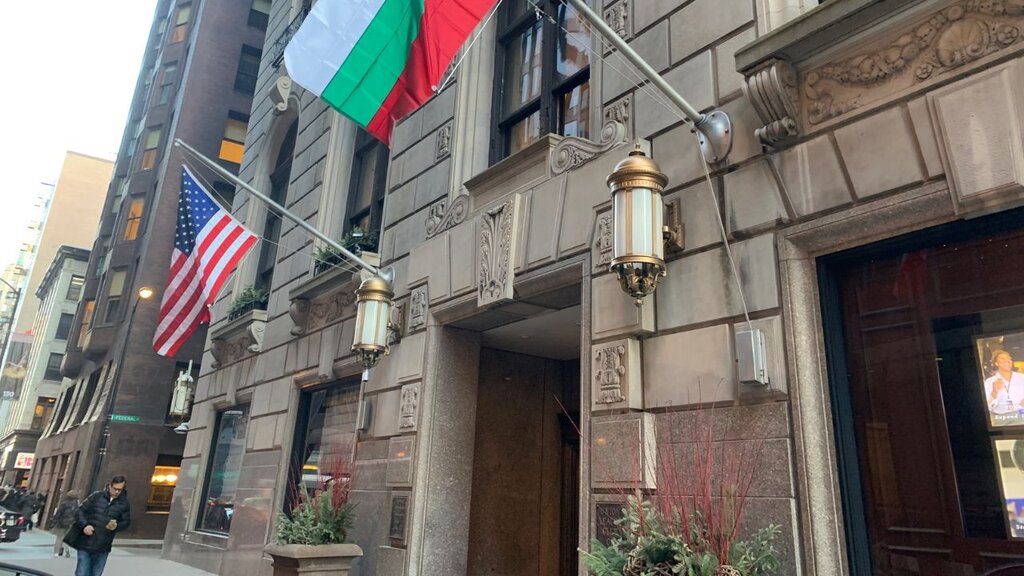
Consulate General of Bulgaria in Chicago
PHOTO mfa.bg
''We are divided into four consulates – Washington, New York, Los Angeles and Chicago – each covering roughly 10–12-15 states. In the last few elections, there were 55 polling stations across the entire United States, which averages about 10–15 polling stations per consulate. In Chicago, where we are, there were 8 polling stations for the city and the suburbs, and 6 in the six surrounding states. So, if we look at it fairly – 4 regions with 4 consulates serving 15 states – there should be just five polling stations outside the consulates. This means that most likely there will be 2, 3, or 4 polling stations in Chicago, and all the others in the surrounding states will be closed. People are faced with this choice – either to come to vote in Chicago and lose the entire day, or not vote at all'', explained Daniel Djenev, an election volunteer from Chicago, to Radio Bulgaria.
Daniel Djenev has lived in Chicago since 2005 and works as an accountant at a bank in the city center. He says that over the past few weeks he has followed all debates related to the proposed reduction of polling stations, since he has been part of election commissions for many years.

Daniel Djenev
PHOTO personal archive
“Here, there is no such thing as unfair elections. We have held elections entirely on paper, entirely on machines where the tally sheet was printed directly at the end of election day and no one had to calculate anything. We have also conducted elections using machines with paper and machines functioning as printers. The people who volunteer in a commission are representatives of the local community and the diaspora in the city. They are here to ensure that elections are conducted fairly and that Bulgarian citizens have the opportunity to exercise their right to vote. In the United States, there are all kinds of emigrants – young and old – but we all know that one day, when we retire, we will return to spend our pensions in Bulgaria. That is why we care so much about what happens there.”
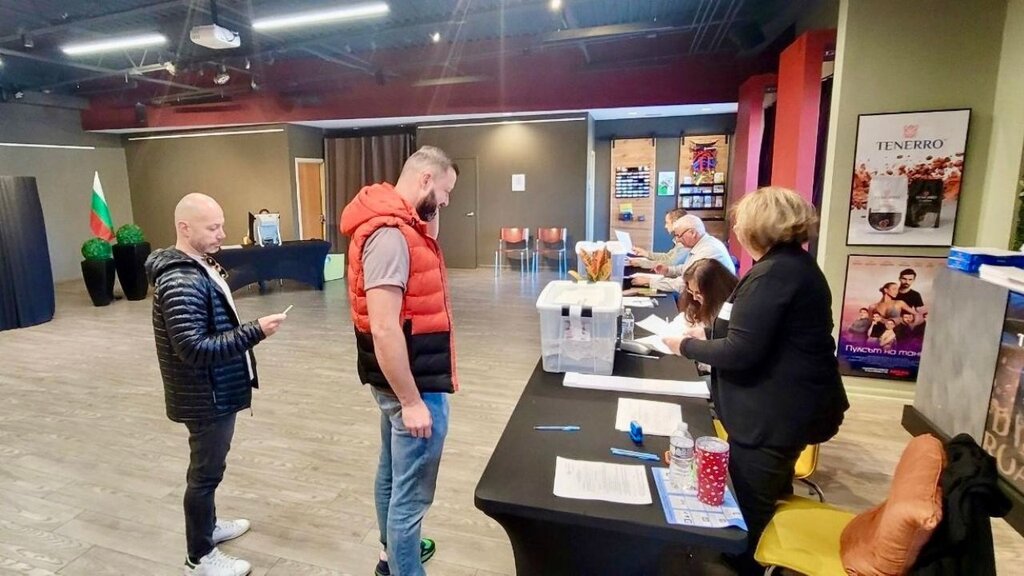
Bulgarians cast their votes at a Chicago polling station (2024)
PHOTO BGNES
Daniel Djenev is adamant that our fellow citizens abroad are not susceptible to manipulation when it comes to their right to free choice.
''It’s very hard for anyone to influence Bulgarians living abroad on how to vote. They read the news, stay informed, and make their own decisions during elections. They vote for all parties, so no one can say ‘We don’t want polling stations abroad because people there vote for a specific party’. People vote for all parties, and there is no logical reason for the latest amendment'', says Daniel Djenev.
''Any restriction on citizens’ rights is a very bad sign'', commented political analyst Yuriy Aslanov in an interview with BNR.
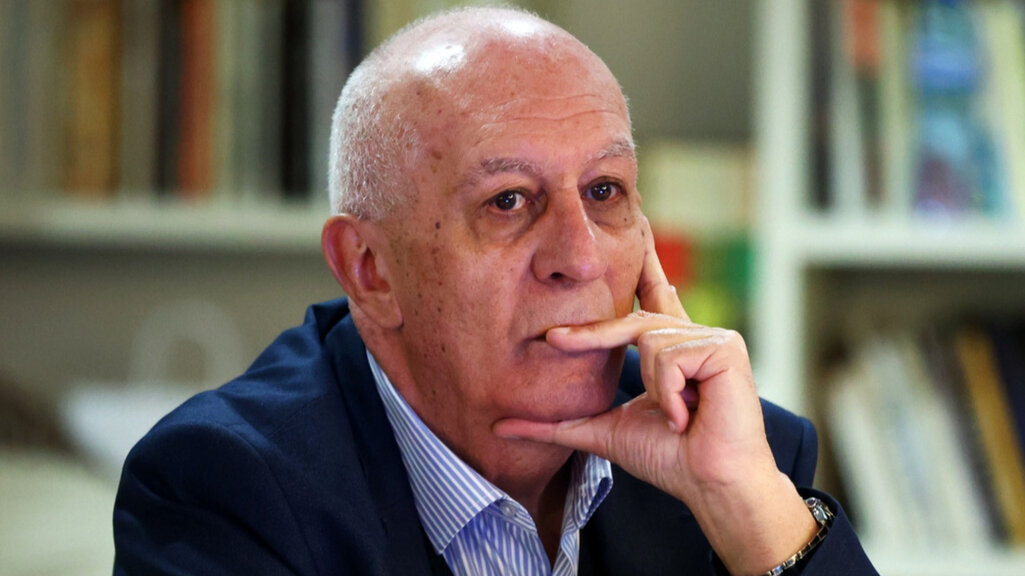
Yuriy Aslanov
PHOTO BGNES
''I understand why it is being done and why some parliamentary parties are proposing it, but having closely followed all changes to Bulgaria’s election laws since 1990, I can say that the election results have always run counter to the purpose of electoral law amendments'', said Yuriy Aslanov.
Translated by Kostadin Atanasov
This publication was created by: Kostadin Atanasov