Author
Tsvetana Toncheva
News
Highlights of Bulgarian musical culture
Panayot Pipkov – the author of timeless Bulgarian songs
Considered one of the pioneers of Bulgarian classical music, Pipkov composed numerous choral songs and marches for brass band, chamber music, and theatrical scores
Friday 13 February 2026 20:15
Friday, 13 February 2026, 20:15
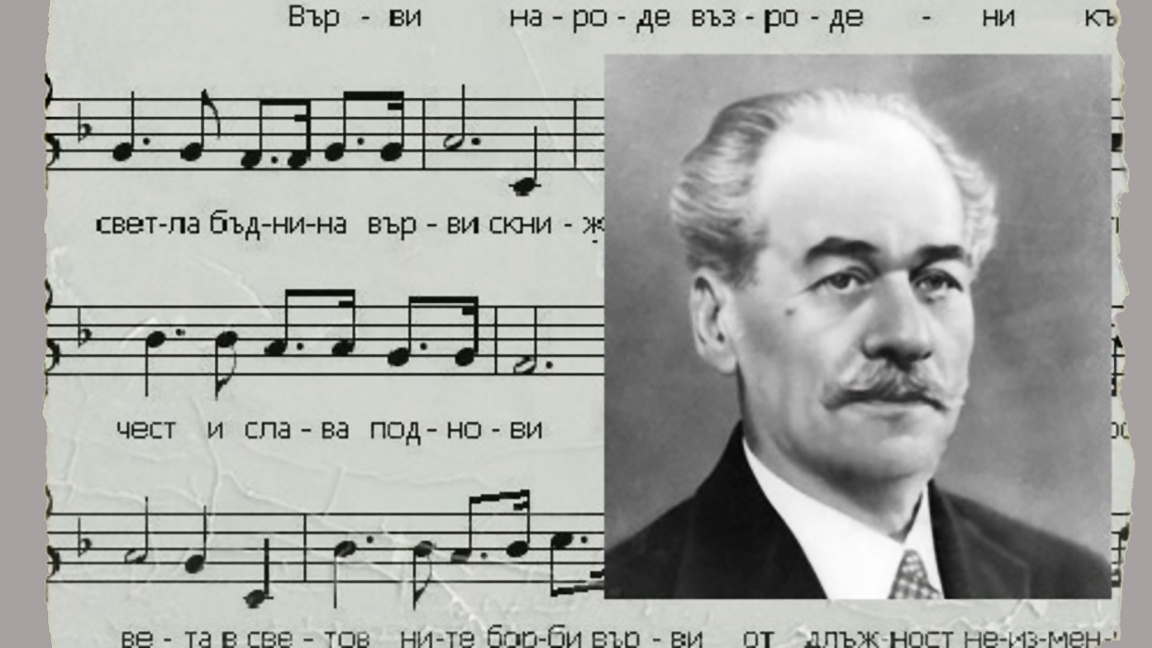
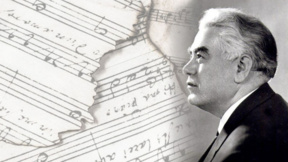
Panayot Pipkov (1871 – 1942)
PHOTO lovech.bg
Font size
"Varvi, narode vazrodeni" (“March forward, O Revived People”) - the festive hymn in praise of the holy brothers Cyril and Methodius - is undoubtedly the most popular work of Panayot Pipkov (1871-1942), one of the pioneers of Bulgarian classical music. Yet his contribution to Bulgarian culture goes far beyond this magnificent song. A talented composer, conductor, dramatic actor, poet, publicist, teacher, and public figure, he - like many of our early masters - studied abroad but returned to his homeland to devote his efforts and skills to building the new Bulgaria.
Born in Plovdiv, Panayot Pipkov played the violin, sang in a choir, and wrote poetry from an early age. At 16, he began performing as an actor in theater troupes in Plovdiv and Sofia. His father, the musician Hristo Pipkov, was unable to provide him with formal education. This was made possible by actors from the "Salza i smyah" (“Tear and Laughter”) Theater, who sent him to study in Milan, where he lived from 1893 to 1895.
After returning to Bulgaria, Pipkov became conductor of music societies in Varna and Ruse. In 1900, he was appointed music teacher in Lovech. The five years he spent there were the happiest of his personal life and the most productive of his creative career. He became the heart of the city’s musical life: founding two choirs, leading the municipal brass band, and composing songs and marches.
In 1903, Pipkov married the teacher Nadka Stefanova, who was also a member of his choir. Their two sons were born in Lovech - one of them the great Bulgarian composer Lyubomir Pipkov, who graduated with distinction from one of the world’s most prestigious music institutions, the École Normale de Musique in Paris.
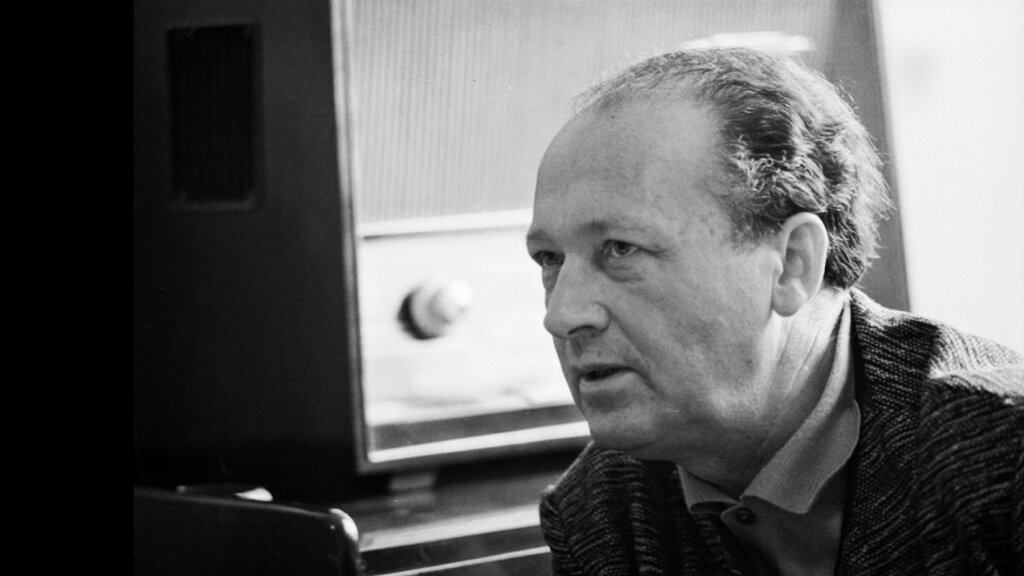
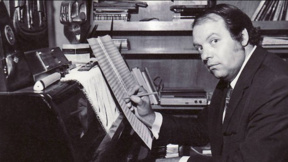
Lyubomir Pipkov (1904 – 1974)
PHOTO operasofia.bg
Lyubomir Pipkov and his highly educated contemporaries - the so-called “second generation” of Bulgarian composers - set themselves the ambitious task of creating a Bulgarian national musical style. Alongside colleagues such as Pancho Vladigerov, Veselin Stoyanov, and Marin Goleminov, they returned to their homeland after European education and careers to build Bulgaria’s musical culture. They based their work on Bulgarian folklore, each drawing from it what was closest to his own talent.
The generation of the father, Panayot Pipkov, had a different mission - to educate and introduce modern culture. Their work, too, was rooted in folk songs - the enduring and distinctive treasure of the Bulgarian nation. Pipkov and his contemporaries wrote, published, and performed, but above all they were teachers. He worked as a teacher in several Sofia high schools, led amateur choirs and orchestras, and created repertoire for them. From 1912 to 1918, he participated in the wars as a military bandmaster. Afterwards, he became conductor at the “Free Theater,” Bulgaria’s first professional operetta theater, staging works such as The Csárdás Queen and Autumn Maneuvers by Imre Kálmán and The Rose of Stamboul by Leo Fall.
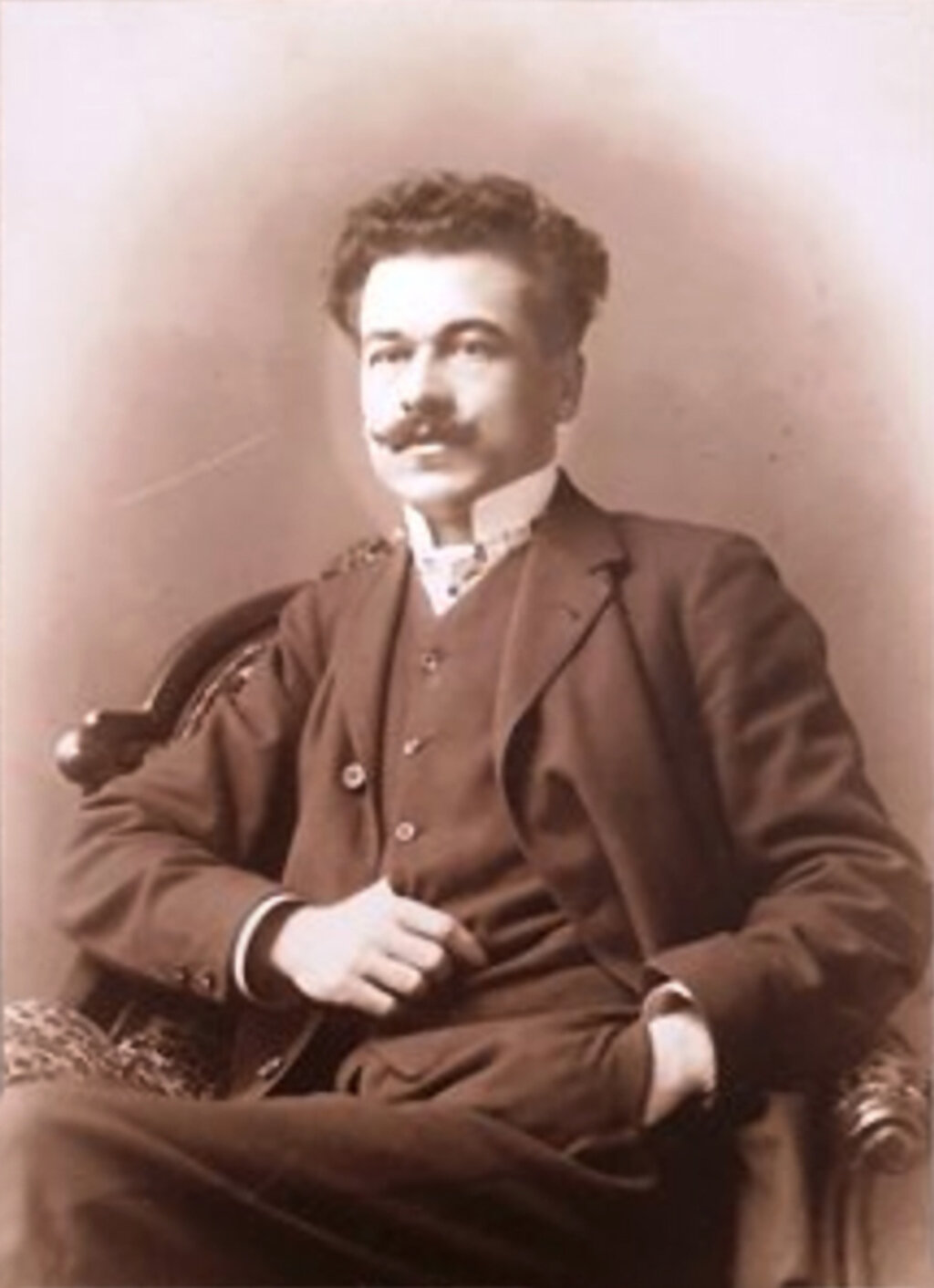
PHOTO Archives State Agency
In the 1920s, he also served as choirmaster at the National Opera in Sofia, actor and musician at the Sofia Drama Theater, and bandmaster of the Municipal Wind Orchestra of the Sofia Police. He wrote dramatic plays and journalistic works, but his greatest contribution was as a composer.
Panayot Pipkov authored two children’s operettas that became extremely popular and were staged in Bulgarian schools until the 1970s - Children and Birds and The Cricket and the Ant. The latter includes one of the most beloved Bulgarian songs, “Sladkopojna chuchuliga” (A Sweet-Voiced Lark), composed in 1903 to a poem by the children’s writer and poet Tsonyo Kalchev.
In addition to the hit А Sweet-Voiced Lark, Pipkov composed numerous choral songs and marches for brass band, chamber music, and theatrical scores. He is considered the first-generation Bulgarian composer whose piano pieces elevated Bulgarian classical music to a European level. In his piano works, he often employed principles of variation and improvisation, bringing them close to genres such as the free fantasy and paraphrase, reminiscent of the works of Franz Liszt.
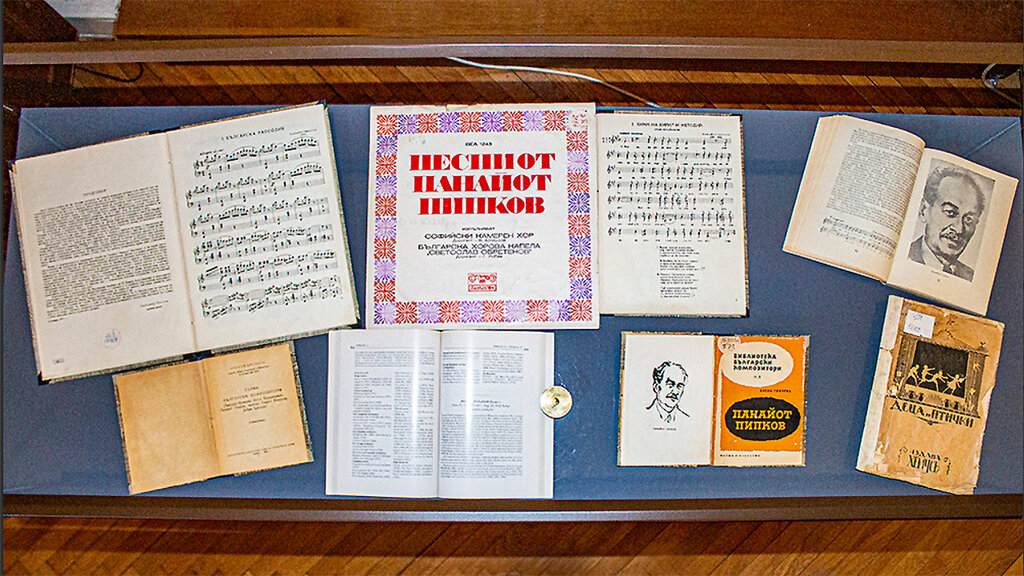
PHOTO nationallibrary.bg
Two of his most popular songs - "Kogato byah ovcharche" (When I Was a Little Shepherd) and "De e Balgariya" (Where Is Bulgaria), written to poems by the great Bulgarian poet Ivan Vazov - are part of Bulgaria’s priceless cultural heritage. Even today, the poem Where Is Bulgaria, first published in 1876 in Vazov’s debut poetry collection Banner and Gusla, remains one of the symbols of the Bulgarian nation through Pipkov’s music.
Besides being performed as a song, Where Is Bulgaria also exists as a solemn military march, yet it is especially moving when heard with the sincerity of children’s voices - such as those of the vocal group “Silver Bells” conducted by Stefan Ribarov.
Find more about Bulgarian music in Radio Bulgaria's running series "Highlights of Bulgarian Musical Culture":
Angel Zaberski’s “Moonlight Sonata” - The unforgettable hit of Bulgaria’s legendary Lili Ivanova
"People and Streets” from the cult Bulgarian classic "The Boy Goes Away"
''Bosi Vremena'' - a childhood memory
Photos: lovech.bg, Archives State Agency, operasofia.bg, nationallibrary.bg
English: R. Petkova
This publication was created by: Rositsa Petkova