Author
Tsvetana Toncheva
News
“Ludo Mlado” - Atanas Boyadzhiev's song considered to be authentic folklore
Friday 27 February 2026 20:05
Friday, 27 February 2026, 20:05
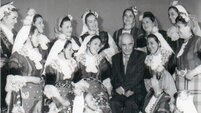
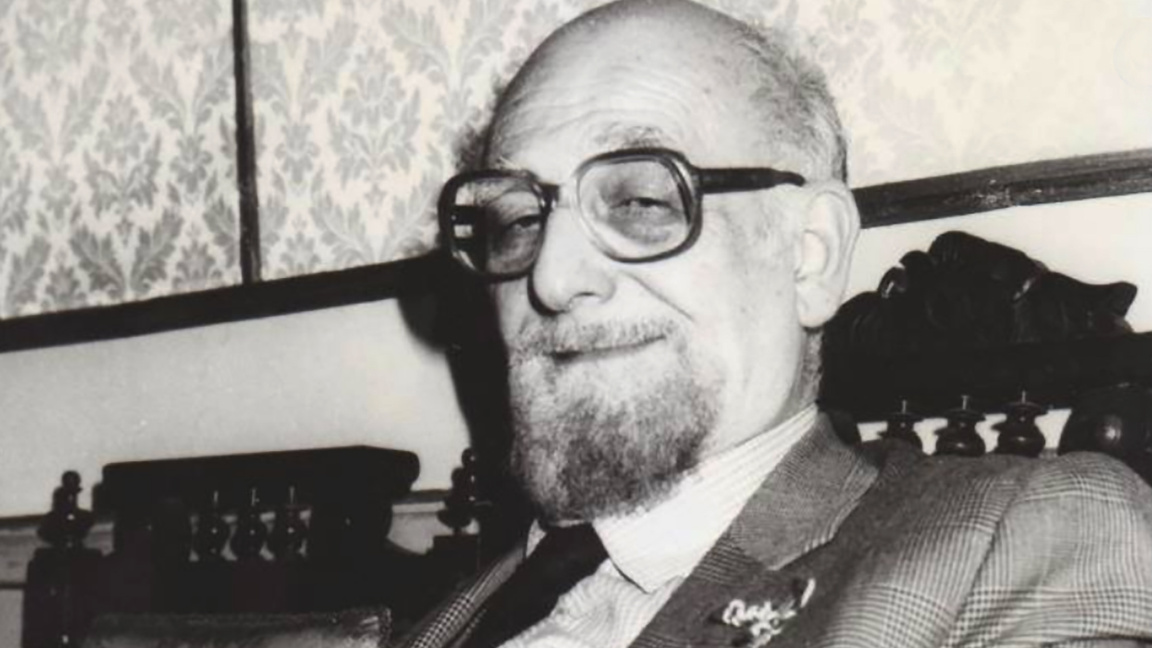
Atanas Boyadzhiev (1926 – 2017)
PHOTO binar.bg
Font size
March 1, 1926, marks the 100th anniversary of the birth of Bulgarian composer Atanas Boyadzhiev. Called the “doyen of Bulgarian popular music,” his song hits stand out above all for their national character and closeness to Bulgarian folklore. One of his closest collaborators was the talented poet Bogomil Gudev. In 1969, for the still-beloved duet “San sanuvah” (“I Dreamed a Dream”), Atanas Boyadzhiev and Bogomil Gudev received the first golden statuette for creativity in the history of the International Festival "Golden Orpheus".
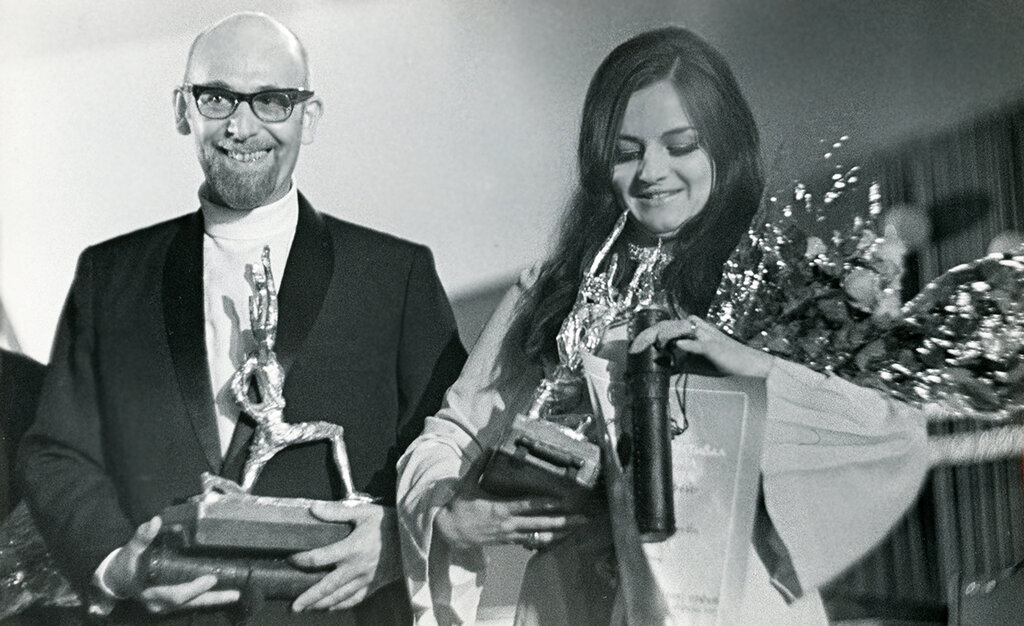
Atanas Boyadzhiev and Bogdana Karadocheva with the awards from the Golden rpheus in 1969
PHOTO Kristian Boyadzhiev's private archive
After several successful joint hits, the two decided to write songs based on Bulgarian folklore. “It would be too strong to say that we wanted to oppose the wave of Serbian music that was increasingly entering our country,” the composer shared decades later. “But we thought it would be good to offer listeners Bulgarian songs with elements of our local urban and rural folklore.”
Thus, in 1970, a small vinyl record was released on the Bulgarian music market by the Balkanton label, featuring two songs by Atanas Boyadzhiev and Bogomil Gudev - “Zalyubih, Mamo” (“I Fell in Love, Mother”) and “Otkade da vzema sila” (“Where Should I Draw Strength From”).
In a special interview for Radio Bulgaria, Atanas Boyadzhiev’s son – also composer Kristiyan Boyadzhiev – recalls the intriguing story of “Otkade da vzema sila,” known today by everyone under the title “Ludo Mlado”:
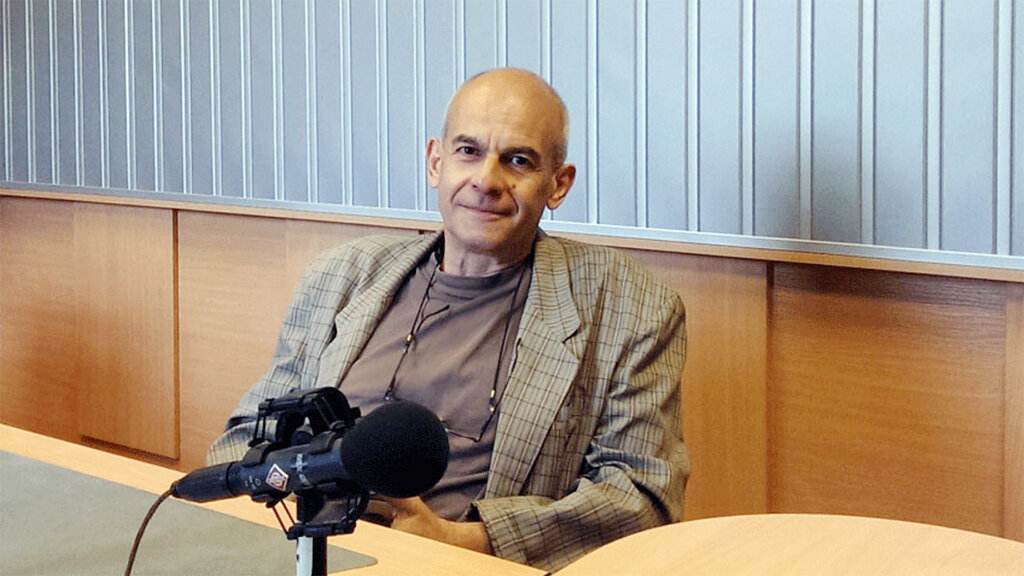
Kristian Boyadzhiev
PHOTO Zdravko Petrov
“The performers were Magda Panayotova and Petar Chernev. I remember the small record that came out with cover art by Alexander Brazitsov - the well-known composer who graduated from the Academy of Fine Arts with a degree in graphic arts. In 1970 this small record appeared with a traditional wooden flask on the cover in a pop-art style, a playful nod to the spirit of the times.”
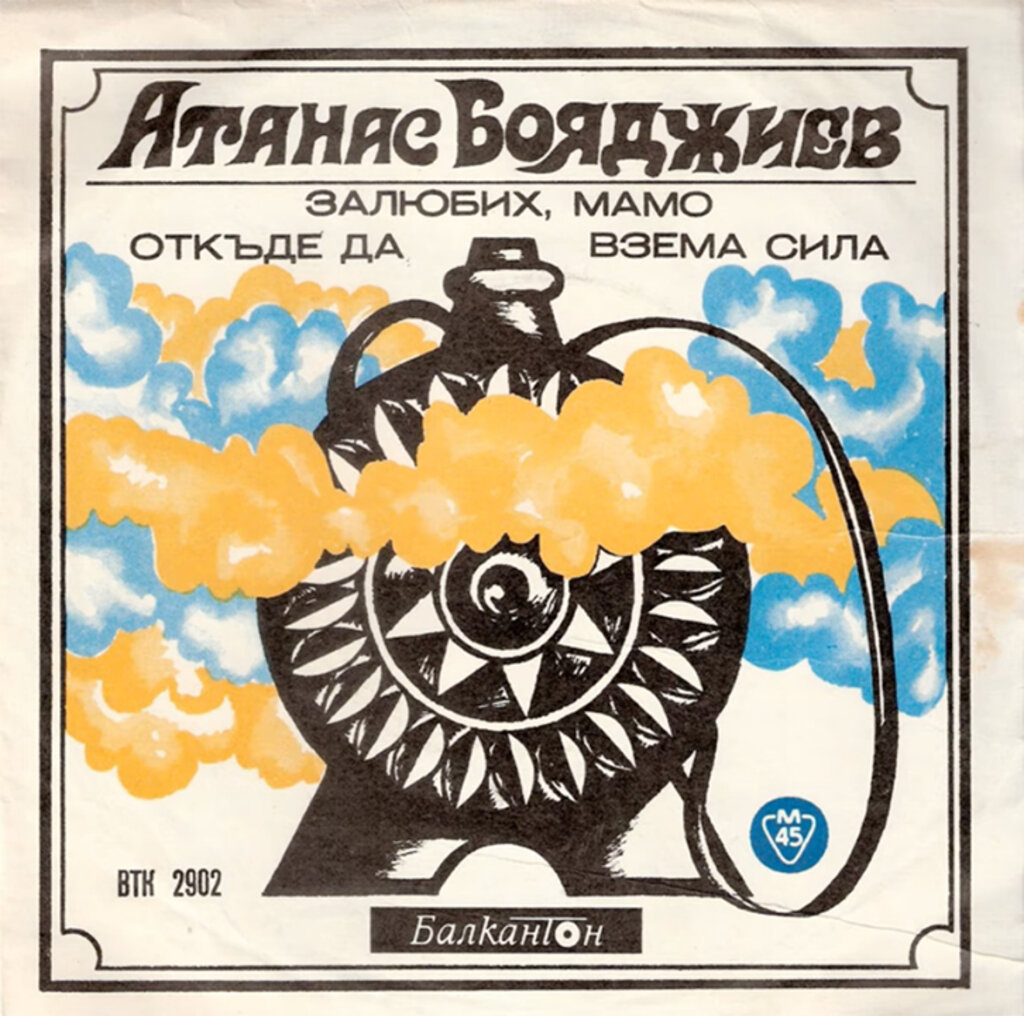
PHOTO Archive
The song also reached the Bulgarian National Radio, but it was never broadcast on air.
“As we later found out, it was because of a few lines in the lyrics, especially at the end, when the girl wakes the young man (‘the reckless young one’), and he says: ‘Where shall I find strength, when you have drunk it?’ According to me, this phrase eliminated the possibility of the song being played on the National Radio, because it carried a certain erotic hint - so insignificant, but who knows… in times when censorship was different… At the same time, I have seen books of folk songs and lyrics with far more explicit hints, even direct phrases like that. Obviously, pop music was judged somewhat differently.”
“Otkade da vzema sila” remained recorded and released on vinyl, but it was not broadcast for nearly two decades. Suddenly, in the 1990s, many singers began performing it and always announced it as a folk song. The composer’s son turned to the Bulgarian National Radio for help. A commission was organized, and evidence was presented - the old small record and a collection of original songs by Atanas Boyadzhiev published in the 1970s, which included this song. The commission decided to change the Radio’s registers and officially list the authors.
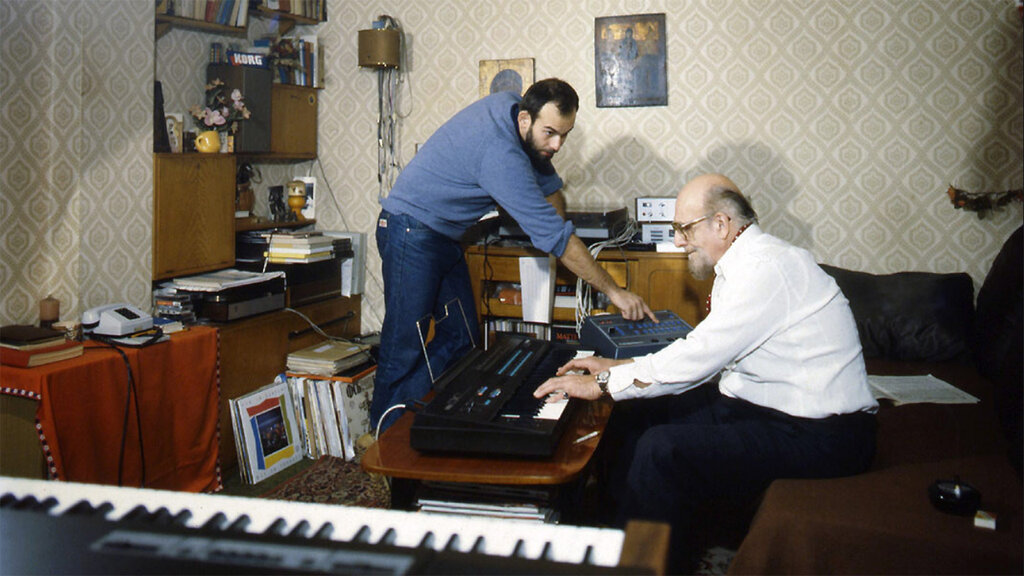
Atanas Boyadzhiev (right) and Kristian Boyadzhiev working together
PHOTO Kristian Boyadzhiev's private archive
Gradually, Bulgarian performers began presenting “Ludo Mlado” correctly. In the vivid interpretation of the folk singer Stoyanka Boneva, it was included in one of the newest 10th-grade music textbooks, with the authors explicitly mentioned.
Kristiyan Boyadzhiev says he has often heard the song announced as folk, and even representatives of certain folklore regions insist that it comes from Macedonia, for example.
“Whether people consider it folk or not, I think that for an author there is nothing better than his song - especially during his lifetime - being regarded as a folk creation. In purely moral terms, there is nothing to equal that! What could be better! After all, these songs are made for the people. When you create them for the people and they sing them and identify with them to such an extent - truly, that sounds like a great compliment!” concludes Atanas Boyadzhiev’s son.
Explore the wealth of Bulgarian music with Radio Bulgaria's running series "Highlighs of Bulgarian Musical Culture":
“Prituri se planinata” – the jewel in Stefka Sabotinova’s repertoire
“Zableyalo mi agantse”: the folk song that melts every heart
"Strahile, shtrashen voyvoda" – a song glorifying a fearsome Bulgarian rebel
English: R. Petkova