


Author
Gergana Mancheva
News
Wave of support for the Czech Centre in Sofia after news of its closure
Founded in 1949, it is the oldest Czech cultural institution of its kind outside the Czech Republic
Tuesday 12 May 2026 21:27
Tuesday, 12 May 2026, 21:27
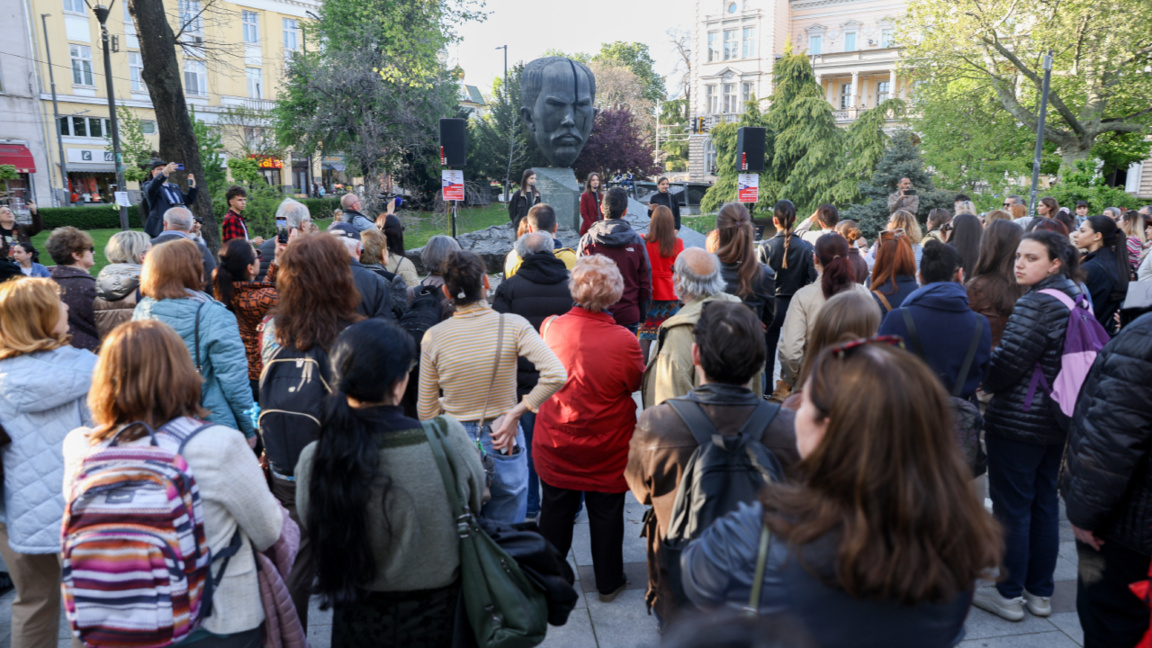
PHOTO BTA
Font size
On May 5, the Czech Centre in Sofia marked its 77th anniversary. But just days earlier came the news that the institution would be closing its doors, bringing an end to decades of cultural and educational work in Bulgaria.
The decision was taken by the director general of the Czech Centres network after the Czech Foreign Ministry cut the organization’s budget from 180 million to 157 million crowns. Sofia is the fourth branch due to close this year, following Milan, Stockholm and Tbilisi.
The Czech Centres operate under the Czech Foreign Ministry and are one of the country’s main tools of cultural diplomacy, promoting Czech culture, language, science and innovation abroad.
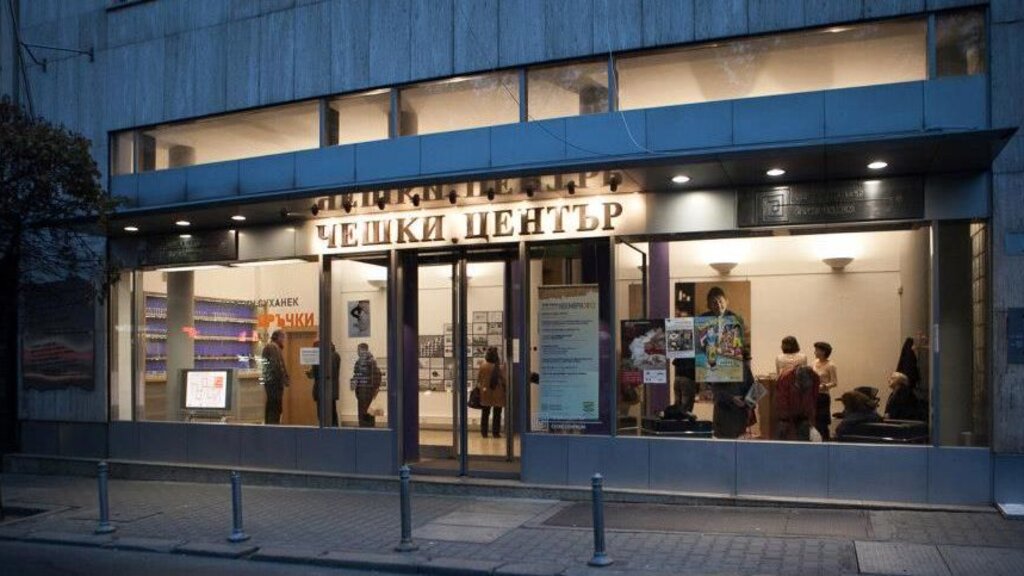
PHOTO Czech Centre in Sofia
The centre in Sofia occupies a special place within that network. Established in 1949 under a Czechoslovak–Bulgarian cultural agreement, it is the oldest Czech cultural institution of its kind abroad, as well as being one of the longest-running foreign cultural organisations in Bulgaria.
It began as a cultural goods store called Czechoslovak Arts and Crafts Orbis, but quickly grew into a wider cultural space as interest expanded. After the breakup of Czechoslovakia in 1993, the newly created Czech Centres took over the role of the former Czechoslovak institutes abroad.
News of the planned closure triggered a wave of reaction in Bulgaria. A petition calling for the centre to remain open quickly gained support, and dozens of people joined a protest in central Sofia against the decision.
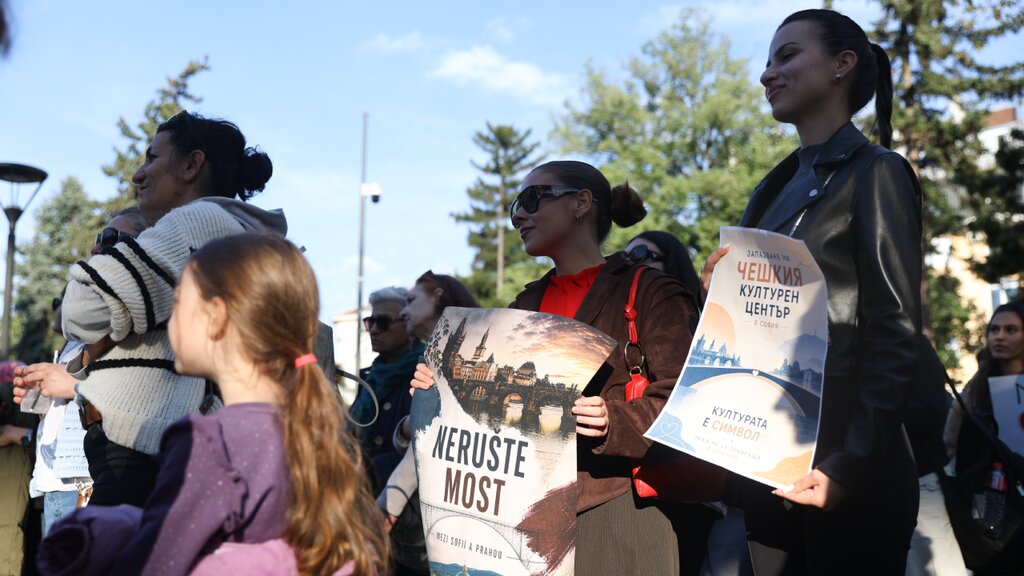
PHOTO BTA
The Academic Council of Sofia University St. Kliment Ohridski unanimously opposed the closure. In a letter addressed to Czech officials and academic institutions, the university's Department of Slavic Studies urged the authorities in Prague to reconsider.
“The Czech Centre in Sofia carries forward the long tradition of Czech-Bulgarian cultural ties, which remain an important part of Bulgaria’s cultural memory,” the letter said.
The protest, held on May 5 near the monument to Stefan Stambolov in central Sofia, drew scholars, writers, translators, teachers and students. The largest group was made up of young people studying the Czech language and culture, many of whom regularly visit the centre’s library.
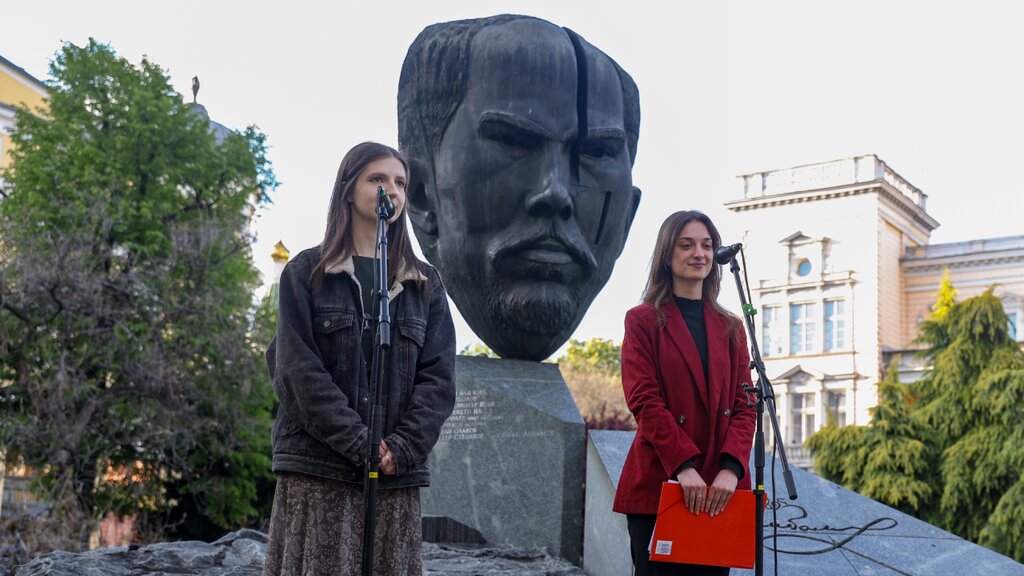
PHOTO BTA
Bilyana Petkova and Maya Petkova, who are in their fifth year of studying Slavic Studies, said that news of the closure had spread quickly once the official announcement had been made public.
“We heard about it from our professors. As soon as the official notice was released, the news spread very quickly and we mobilised almost immediately. The protest was organised within just a week.”
The students said that closing the Czech Centre would seriously damage cultural exchanges between Bulgaria and the Czech Republic.
“We appeal for the decision to be reconsidered, because it would cast a shadow over the rich and productive cultural exchange between our two countries. Sofia — and Bulgaria as a whole — would lose an immensely valuable cultural partner. The Czech Centre has always been a place where we could express ourselves and take part in cultural events. What we stand to lose most is our shared culture and shared experience.”
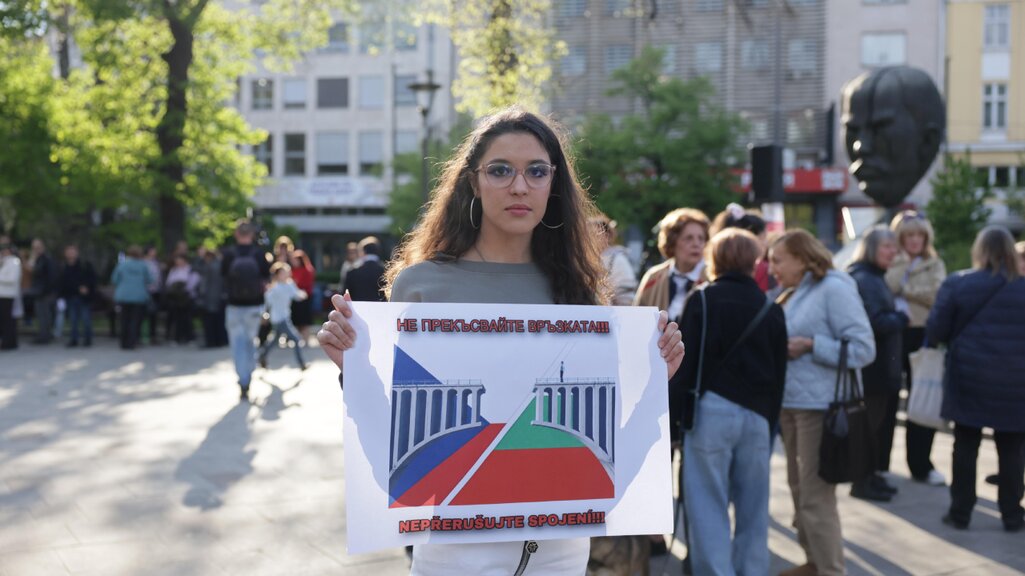
PHOTO BTA
She recalled that one of the first television documentaries she worked on was dedicated to Bulgarian painter of Czech origin Ivan Mrkvička, whose murals can still be seen inside Sofia’s Alexander Nevsky Cathedral.
“That was when I learned that Ivan Mrkvička had painted the left altar of St Alexander Nevsky Cathedral, as well as the vault above the altar on the right-hand side, where the meeting between the devil and the angels is depicted. We all wish for a little of the angels’ good fortune. The Czech Centre has hosted the premieres of many books, including my own. We appeal to heaven, to the Czech Republic and perhaps also to Mrkvička himself, who may still be watching what is happening.”
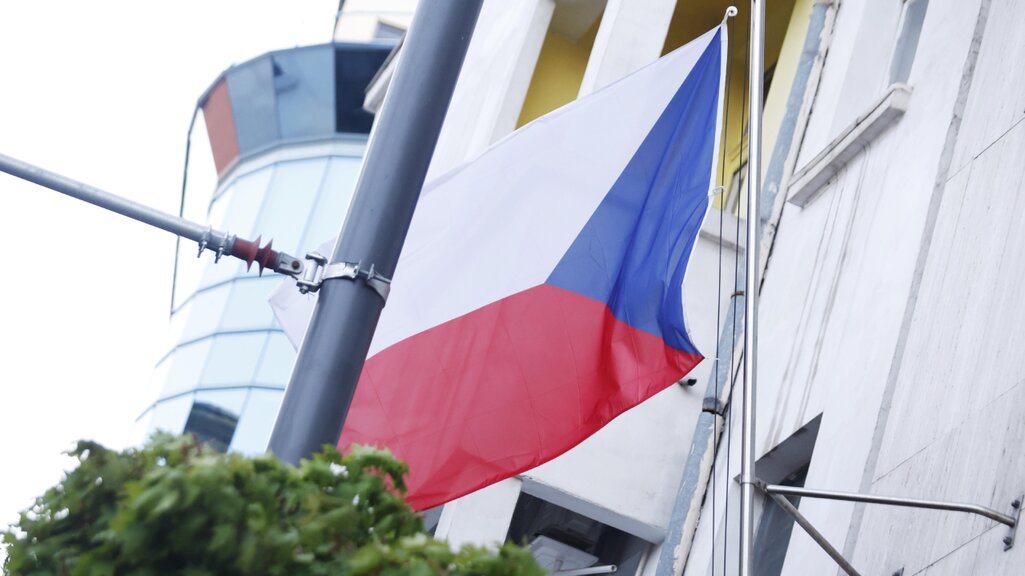
PHOTO BGNES
The Czech Centre in Sofia has confirmed that it will continue to operate until the end of May, going ahead with the final events already scheduled as part of its cultural programme.
Editing by E. Karkalanova
This publication was created by: Elizabeth Radkova