News
The War on Bulgarian Roads – another horrific crash unleashes public outrage
Tuesday 9 June 2026 13:47
Tuesday, 9 June 2026, 13:47
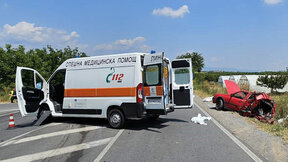
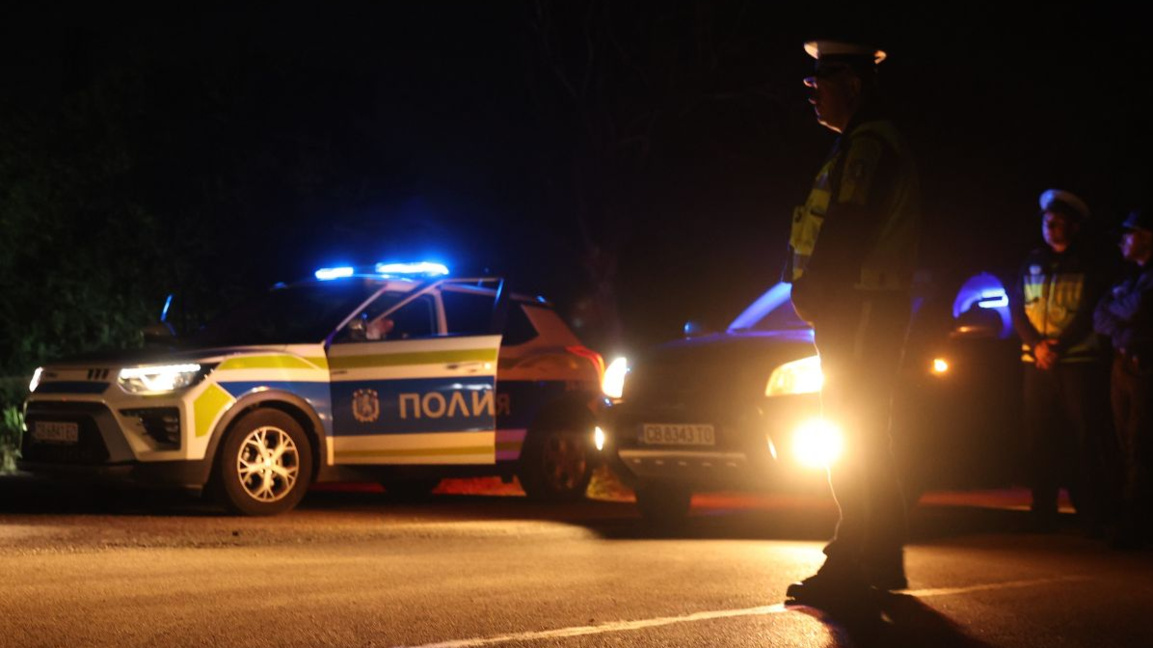
PHOTO BTA
Font size
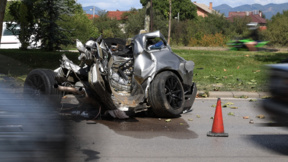
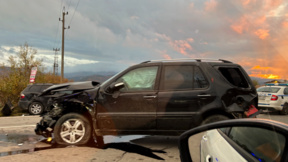
The deadly road traffic accident in Sofia, in which four people lost their lives, has once again brought attention to a long-standing issue in Bulgaria - the high rate of road fatalities. Why does the country, despite its EU membership and numerous legislative changes, continue to rank among the states with the highest number of road deaths?
For people outside Bulgaria, the expression “war on the Bulgarian roads” may sound exaggerated. For Bulgarians, however, it has long been part of the public discourse describing a reality in which hundreds of people lose their lives in road accidents every year.
In 2025, the authorities recorded 6,655 serious road accidents with 456 fatalities (data from the State Agency “Road Safety”, January this year). And although the grim statistics show a slight decrease compared to previous years, Bulgaria remains the country with the highest road mortality rate in the EU - 71 deaths per 1 million inhabitants, compared to an EU average of 43.
Bulgaria is the EU country with the highest death rate due to road accidents
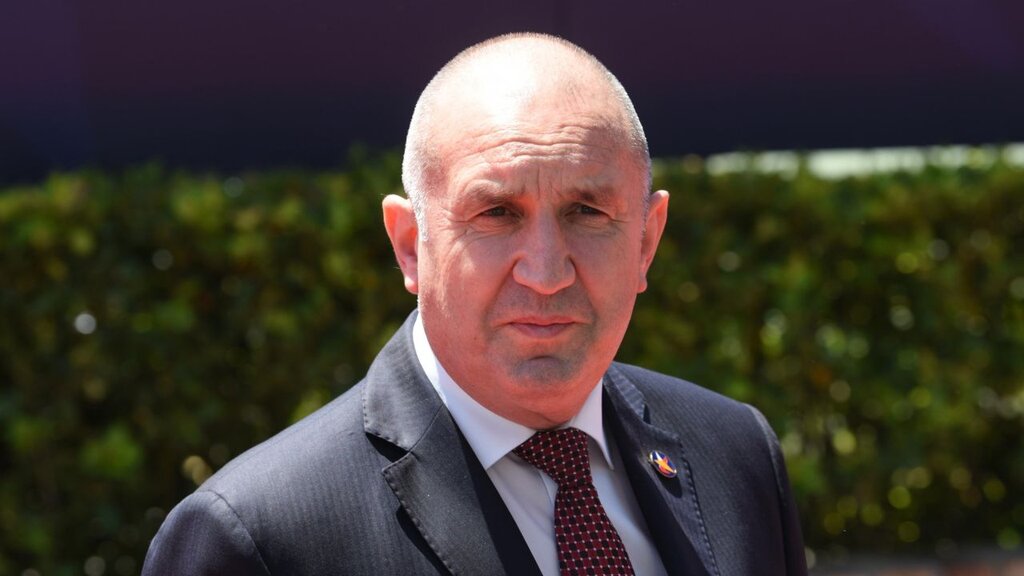
PHOTO BGNES
Following the tragedy involving a bus and two passenger cars on 5 June, Prime Minister Rumen Radев convened a meeting with institutions responsible for road safety, declaring: “No mercy for offenders who endanger citizens’ lives!” He urged the Ministry of Interior to take “drastic measures” against illegal street racing, drifting, and aggressive driving.
President Rumen Radev calls for crackdown on street racing and reckless driving
According to him, the causes of high road mortality are complex - ranging from road conditions and driver training to law enforcement, public awareness, and lack of discipline on the road.
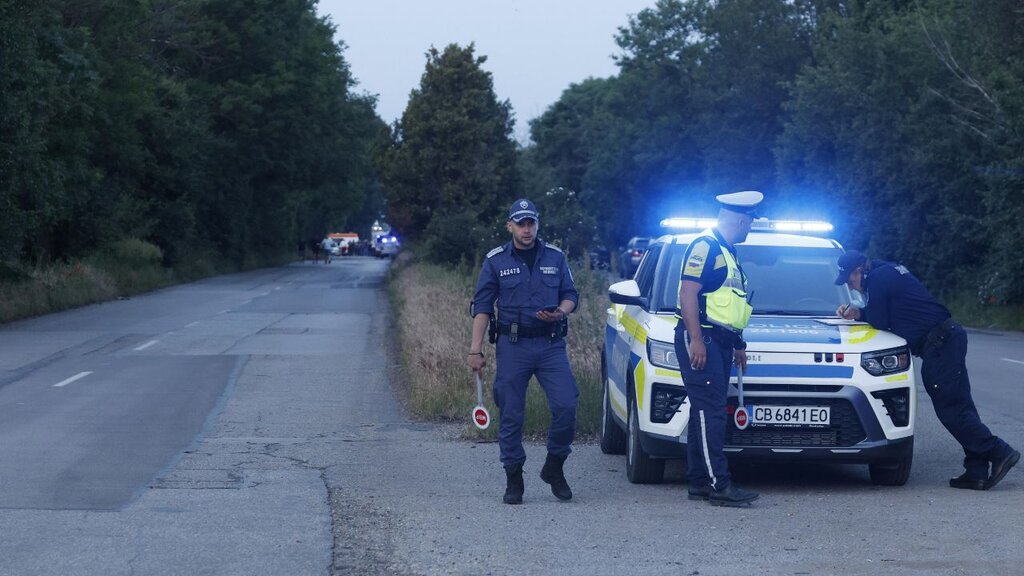
PHOTO BGNES
The investigation into the crash is ongoing. According to unofficial information, the drivers who caused the accident are linked to a criminal group that has gained public notoriety under the name “The Kalashniks” linked to prostitution, drugs trafficking and other illegal activities. An interesting social detail - while the gang’s public image is associated with criminal activity and a conspicuous lifestyle, some local residents describe them differently, saying they have supported poor families and taken part in charitable initiatives.
This contradiction between public perception and the support such figures may receive in their local communities highlights several dimensions of contemporary Bulgarian reality - poverty, social inequality, conspicuous wealth, and a sense of impunity.
The case also raises another important question: why individuals whom local communities and institutions appear to have long been aware of continue to be perceived as a threat to society.
Yonko Yonkov
PHOTO BTA
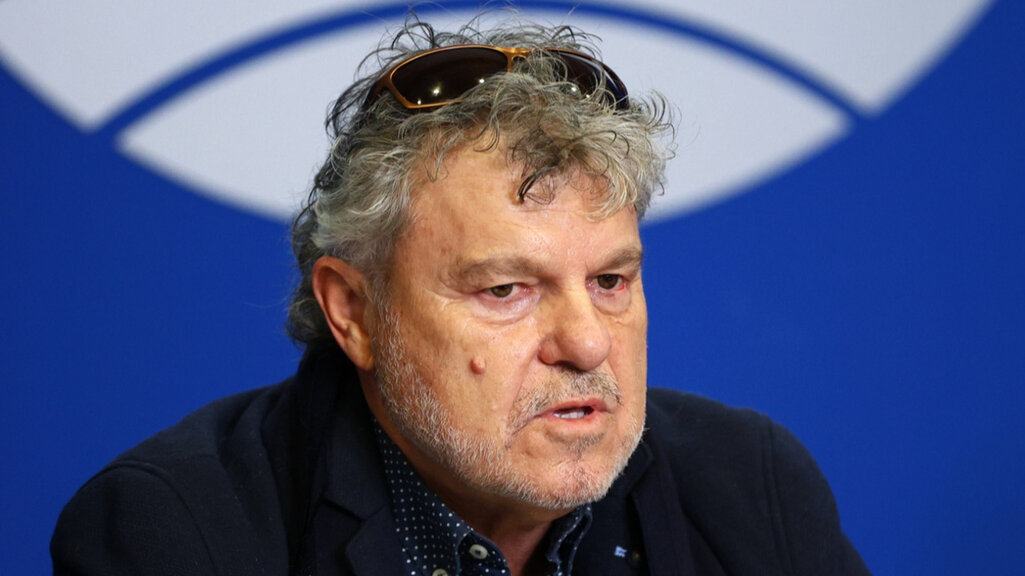
In an interview for the Bulgarian National Radio, the chairman of the Union of Automotive Training Instructors, Yonko Ivanov, commented: “The institutions cannot find a normal way to communicate with each other and are shifting responsibility.”
According to him, the problem is not only individual offenders but also the lack of coordination between state and local authorities. He notes that both residents and institutions are often aware of individuals who systematically violate the rules, but there is insufficient effective action.
“This is the case across the entire country. Mayors know who drives without a licence, they know who has been caught using amphetamines, but they turn a blind eye and fail to work together with the relevant state control bodies and municipal services to close the chain.”
The two drivers involved in the crash are well known to both Traffic Police and Criminal Police, Ivanov said, adding that such individuals feel above the law because the state fails to enforce it effectively.
He also commented on reports that the drivers had obtained driving licences issued in the Czech Republic, possibly because Bulgaria requires at least primary education for a driving licence. “No Schengen country requires an educational qualification to obtain a driving licence. We are in Schengen, which means that licences are valid in every member state,” Ivanov told BNR.
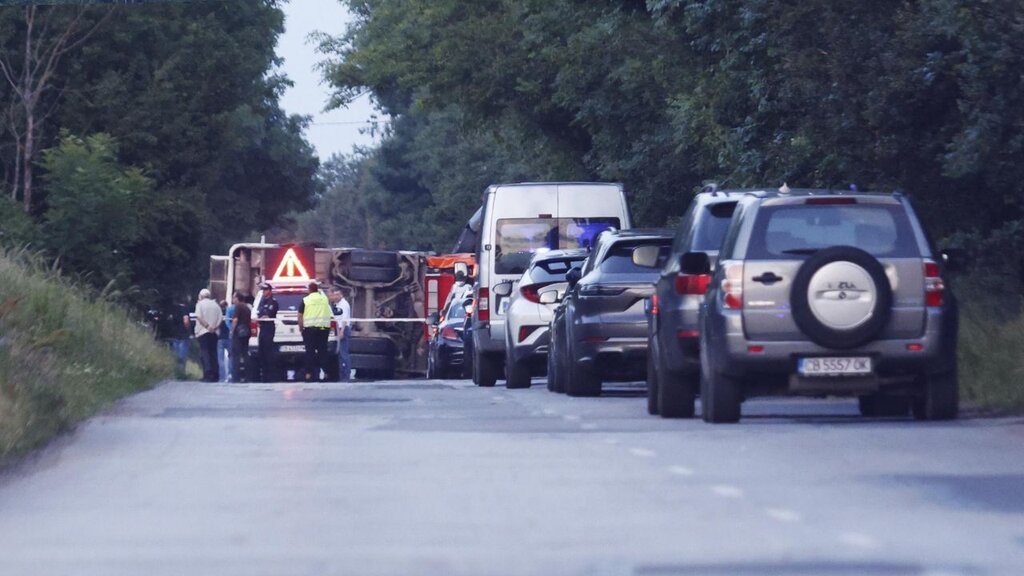
PHOTO BGNES
Alongside enforcement issues, the expert also pointed to infrastructure shortcomings. According to him, the site of the crash is among the dangerous locations in the Bulgarian capital: “This intersection is so dangerous and poorly secured that there is a constant risk of fatal accidents there every day.”
The municipal administration has already proposed measures to improve safety in the area, including speed cameras, raised pedestrian crossings, and traffic calming elements, said the mayor of the “Kremikovtsi” district, Liliya Donkova, whose jurisdiction includes the accident site.
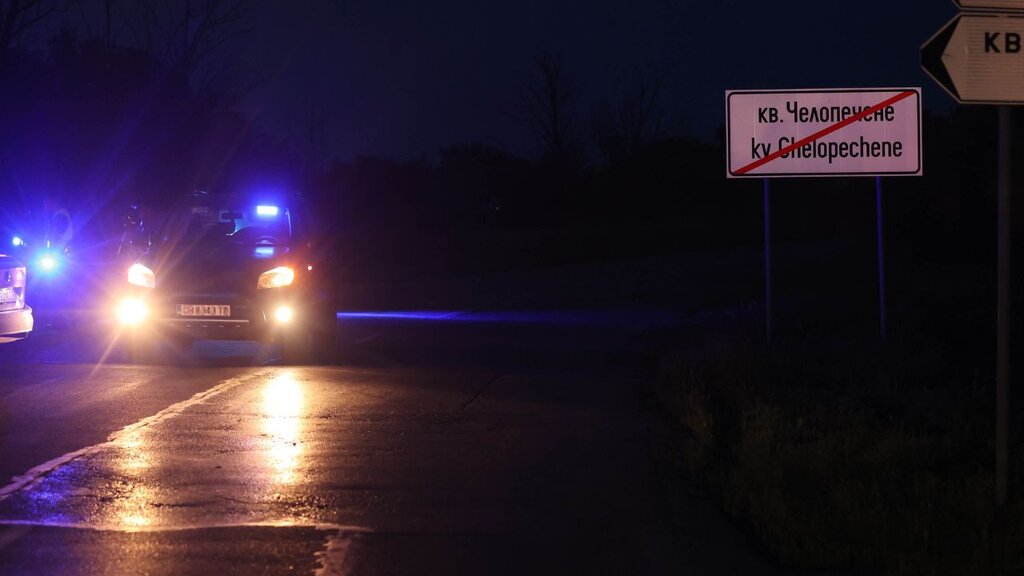
PHOTO BTA
All of this shows why the tragedy on Chelopeshko Shose road in Sofia is more than just another road accident. It opens a broader discussion on institutional effectiveness, equality before the law, and the state’s ability to prevent such incidents.
For Bulgarians living abroad, this debate is likely familiar. The difference many of them often point out between Bulgaria and the countries where they now live is not necessarily the strictness of the laws, but the confidence that they are applied equally to everyone. That is why, after every such tragedy, the same question returns to the centre of public debate: not whether there are enough rules, but whether the state is ready to ensure that no one stands above them.
Read also:
Parents who lost their children in car accidents demand stricter punishments for traffic violators
Bulgarian roads most deadly in EU
Edited by Elena Karkalanova
This publication was created by: Rositsa Petkova