Author
Tsvetana Toncheva
News
"Sevdana" - Bulgaria's legendary violin classic by Georgi Zlatev-Cherkin
Friday 7 August 2026 21:00
Friday, 7 August 2026, 21:00
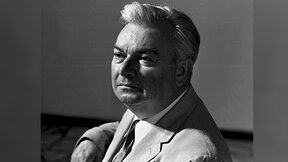
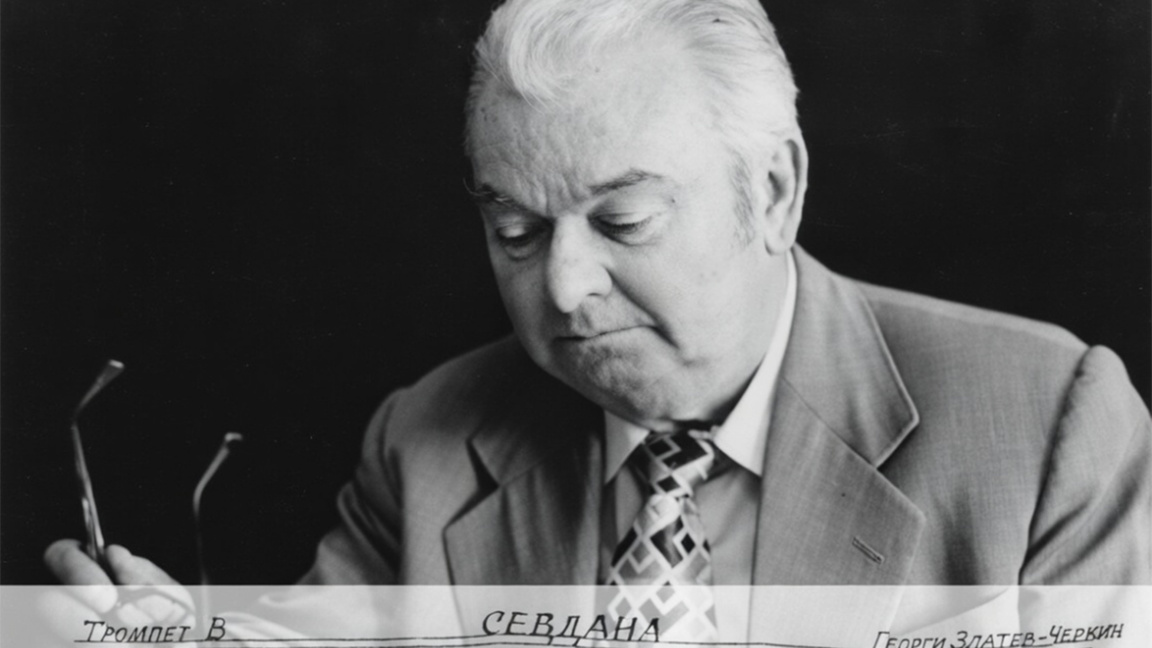
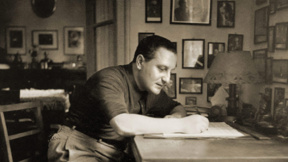
Georgi Zlatev-Cherkin (1905 - 1977)
PHOTO archives.bnr.bg
Font size
Georgi Zlatev-Cherkin secured his place in the history of Bulgarian music primarily through his outstanding contribution as a vocal pedagogue, training dozens of renowned opera singers. A graduate of the prestigious University of Music and Performing Arts Vienna, the young Bulgarian initially dreamed of a career on the stage, even as he simultaneously studied composition with Joseph Marx, the celebrated master of the vocal miniature.
During the 1920s, while living in the Austrian capital, Zlatev-Cherkin performed with the Academic Opera Theatre, appeared as a soloist in cantatas and oratorios, and gave recitals featuring opera arias and art songs. After graduating, he returned to Bulgaria and began teaching singing at the State Academy of Music in Sofia. In 1936, he left once again for Vienna, but the Anschluss forced him back to Bulgaria. From the early 1940s until the mid-1970s, Zlatev-Cherkin became one of the most respected voice teachers at the Sofia Music Academy, mentoring such celebrated singers as Lyuba Velich, Alexandrina Milcheva and Anna Tomowa-Sintow.
Georgi Zlatev-Cherkin - ''The Blue-Eyed Girl''
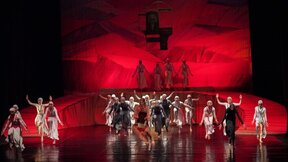
His achievements as a composer have often been overshadowed, despite the many productions of his best-known operetta, The Rebel Song, (Buntovnata pesen) and the enduring presence of his songs, set to poems by leading Bulgarian poets, in the repertoire of almost every Bulgarian singer. A gifted melodist, Zlatev-Cherkin favored chamber music, and his most beloved work remains the iconic Sevdana for violin and piano, composed in 1944 and premiered by the legendary Bulgarian violinist Nedyalka Simeonova.
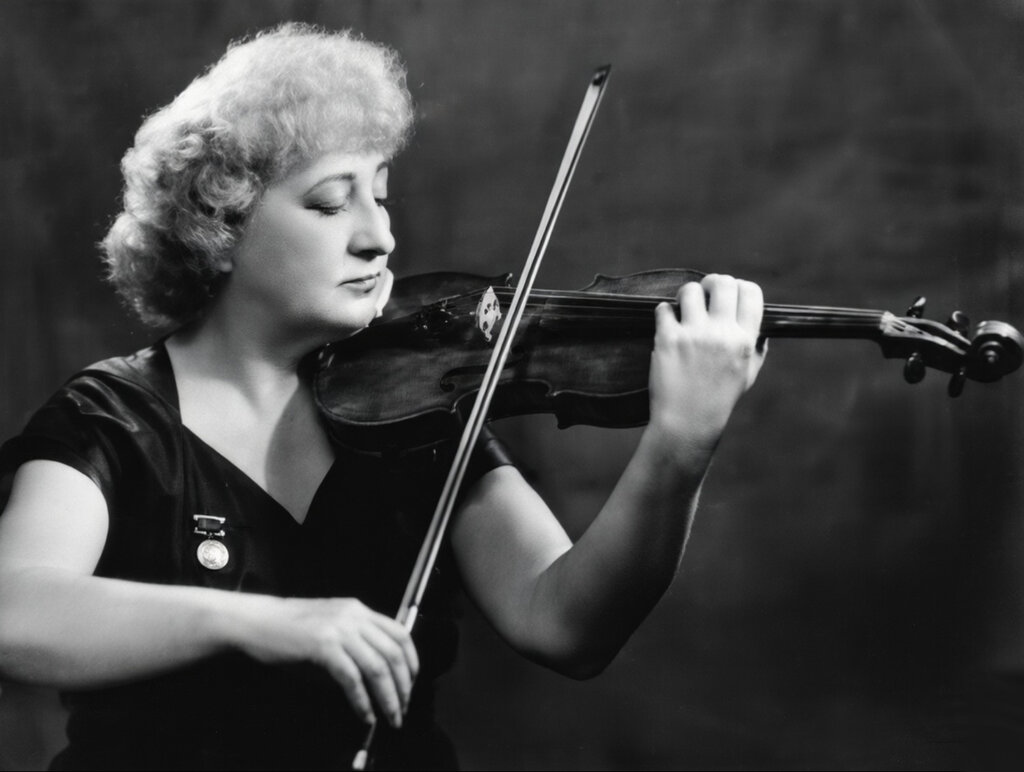
Nedyalka Simeonova (1901 – 1959)
PHOTO library-haskovo.org
Moving and intimate, with its captivating folk-inspired melody, the piece has been arranged for numerous instruments. It is even said that at the First National Competition for Singers and Instrumentalists in 1948, Sevdana was performed on the trombone.
In 2019, Bulgaria's great pop diva Lili Ivanova released a double album titled Sevdana, named after the song created at her initiative, based on Zlatev-Cherkin's melody, with lyrics by Stefan Valdobrev, an arrangement by Zhivko Petrov, and featuring violin virtuoso Vasko Vassilev.
Some researchers trace the composer's inspiration to the play Under the Old Sky ("Pod staroto nebe") by the distinguished writer and politician Tsanko Tserkovski, one of the founders of the Bulgarian Agrarian National Union. The tragic story revolves around the timeless theme of a love triangle. Set in a Bulgarian village at the beginning of the 20th century, the play's central character is a young woman named Sevdana, who loses her sanity in the final act.
Another version claims that Zlatev-Cherkin was inspired by the Pashovi Skali rock formations near the village of Yundola, nestled between the Rila and Rhodope Mountains. According to local legend, a beautiful shepherdess named Sevdana once lived there. A wealthy landowner from Pazardzhik came to the area on a hunting trip, fell in love with her at first sight, and attempted to abduct her. Hearing her cries, Sevdana's fiancé rushed to the rocks, threw the attacker into a ravine, and the young couple fled together to begin a new life far away.
The successful pianist and the composer's grandson, Georgi Cherkin, has shared in several interviews his belief that Sevdana was in fact the name of a young woman his grandfather loved. Since that love remained unfulfilled, the composer is said to have poured his deepest feelings into this beautiful piece.
Whatever the true source of its inspiration, Sevdana has become an enduring Bulgarian classic and remains a staple in the repertoire of most Bulgarian violinists. Among its contemporary interpretations, the performance by the outstanding Svetlin Roussev is widely regarded as unsurpassed.
You can find all instalments in Radio Bulgaria's series Highlights of Bulgarian Musical Culture HERE.
English version: R. Petkova