Author
Tsvetana Toncheva
News
"Pilentse, pastro slaveyche" - a moving lyrical folk song from the Rhodopes
Friday 14 August 2026 20:00
Friday, 14 August 2026, 20:00
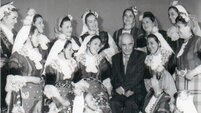
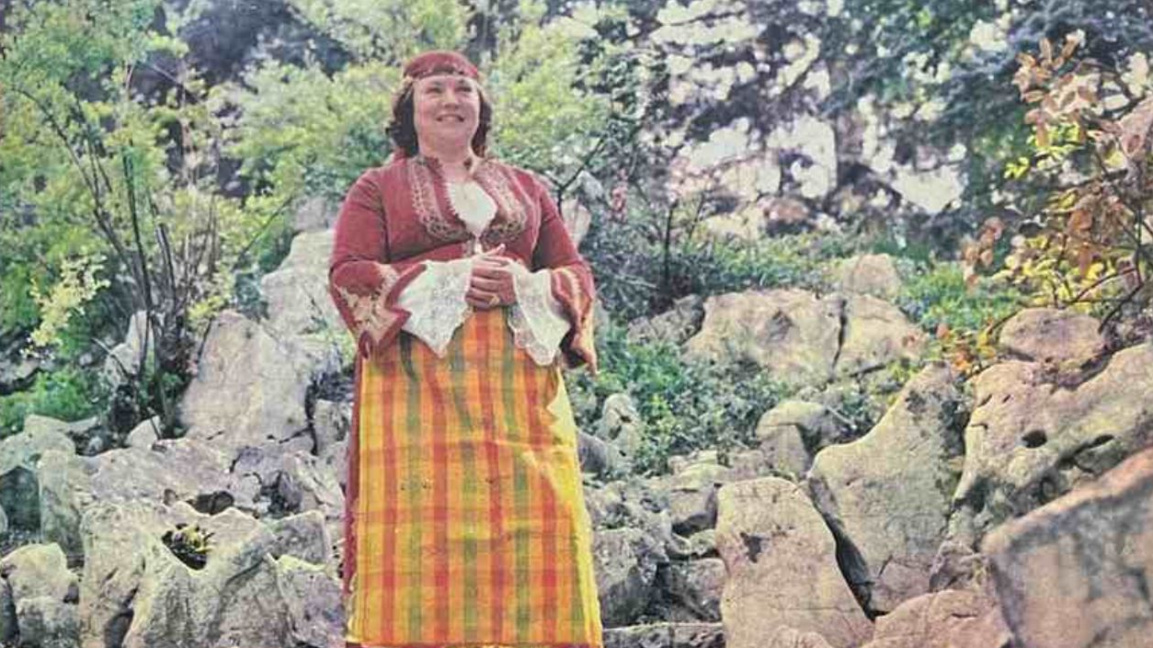
PHOTO archive
Font size
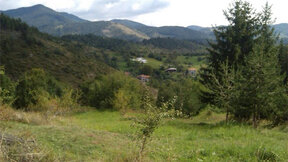
The Rhodopes, Bulgaria’s mountain range, astound with their breathtaking beauty and captivate with their grandeur and mystique. Their landscapes leave a lasting impression on every traveller, while their lands bear witness to an ancient history. Yet perhaps most captivating of all are the region’s distinctive romantic spirit, and the gentle nature and kindness of its people.
The great Bulgarian writer Nikolay Haytov called the Rhodopes a “mountain with a soul”. Only those who have felt its magic and spirit can understand why this very mountain range is regarded as the birthplace of the legendary Orpheus, the singer of ancient Thrace and a universal symbol of music.
The tender melodies of the Orphic mountain seem destined to produce great singers. The people of the Rhodopes sing with profound feeling and devotion. For them, song is not merely an expression of emotion, but a way of life. The Rhodopean song is a deep and intimate confession of the heart, possessing a strength and power that transcend the national and attain planetary, even cosmic, dimensions. And this applies not only to the world’s best-known Rhodope song, "Izlel e Delyo Haydutin", which journeys through the universe as a musical message from Earth, but also to "Bela Sum, Bela Yunache", "Devoyko, Mari Hubava", "Rufinka Bolna Legnala" and many others.
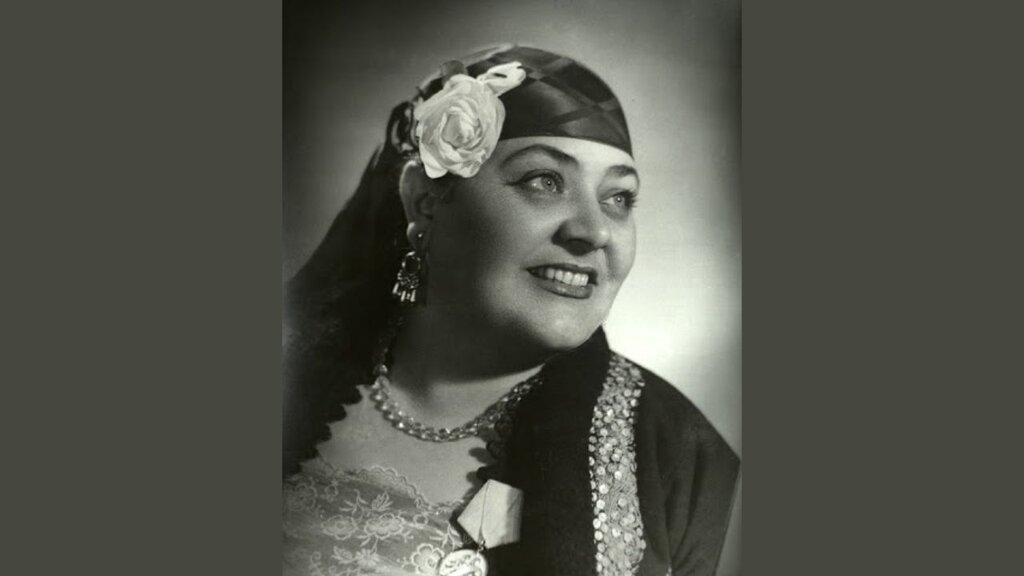
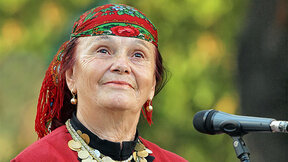
Radka Kushleva
PHOTO archive
Among the most beloved songs from the homeland of Orpheus is "Pilentse, Pastro Slaveyche" (“Little Bird, Speckled Nightingale”), which was turned into a hit by the celebrated Radka Kushleva, known as “the nightingale of the Rhodopes”. With her beautiful voice, the great Bulgarian singer gave a masterful interpretation to the dialogue between a nightingale and a fearless voivode:
“Why do you rise and sing so early, little nightingale? Why do you wake me?
‘Dimitre, fearsome voivode, how could I not rise? For nine years now, because of your band of men, I have been unable to enter the forest, build a nest and raise my young. Beneath every tree there is a hero, on every branch a rifle…’”
Even more striking is the arrangement of the song created by composer Alexander Yosifov for another legendary Rhodope singer, Nadezhda Hvoyneva.
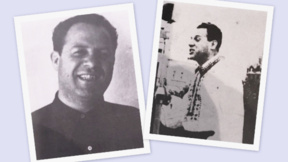
Alexander Yosifov was a composer of extraordinary range, leaving behind more than 1,500 works in almost every musical genre: operas, symphonies, instrumental concertos, choral miniatures, chamber music and popular songs. His contribution to the arrangement of Bulgarian folk music has perhaps remained somewhat in the shadows, although he created more than 300 such arrangements.
A little-known fact is that, as a young man, he spent about two years working with the Bulgarian National Radio Folk Music Orchestra under the direction of eminent folk musicians such as Kosta Kolev and Dimitar Dinev. And it was Kosta Kolev who conducted the orchestra on the recording of Pilentse, Pastro Slaveyche featuring the voice of Nadezhda Hvoyneva, one of the Rhodopes’ most distinctive and powerful daughters.
Born exactly ten years after Radka Kushleva, Hvoyneva came from a renowned family of voivodes, singers and instrumentalists known throughout the Rhodope region. Her grandfather, Todor Hvoynev, a prominent Bulgarian revolutionary known as Voyvoda Foynyu, was famous for his great passion for the gaida, the traditional Bulgarian bagpipe.
In 1956, at the age of 20, Nadezhda Hvoyneva won first prize at an amateur arts competition in Plovdiv. From 1958 onwards, she was a soloist with the Bulgarian National Radio Folk Song Ensemble. Her magnificent alto, with its unmistakable timbre, made her not only one of the most sought-after folk performers, but also one of the most recognisable voices in Bulgarian music.
In the 1960s, she was invited to the Sofia Opera for a meeting at which she was offered the opportunity to retrain and join the celebrated Bulgarian operatic phenomenon. She declined. She saw her future exclusively in the Rhodope song tradition.
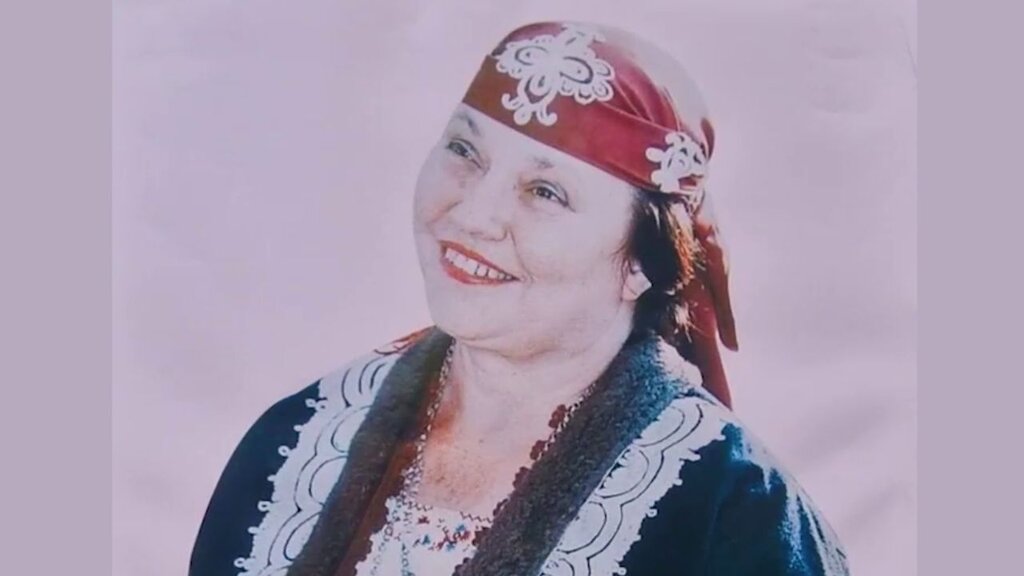
Nadezhda Hvoyneva
PHOTO BTA
Nadezhda Hvoyneva was the singer who made the first recording of Izlel e Delyo Haydutin for Bulgarian National Radio. At the 9th World Festival of Youth and Students in 1969, she was awarded a gold medal precisely for this song.
Nadezhda Hvoyneva – "Izlel ye Delyo Haydutin"
When, in the early 1980s, it became known that Delyo Haydutin was travelling into the Infinite with the voice of another singer, Hvoyneva was deeply disappointed. Then she told herself: “What does it matter? At least it is a Bulgarian song that people can hear! I made people fall in love with it, I recorded it for the radio, and Valya Balkanska sent it into space…”
Nadezhda Hvoyneva’s voice could turn every song into a revelation. Into a masterpiece. Just like Pilentse, Pastro Slaveyche.
You can find all installments in Radio Bulgaria's series "Highlights of Bulgarian Musical Culture" HERE.
English: R. Petkova
This publication was created by: Rositsa Petkova