


Author
Stoyan Radev
Saturday 29 August 2026 08:15
Saturday, 29 August 2026, 08:15
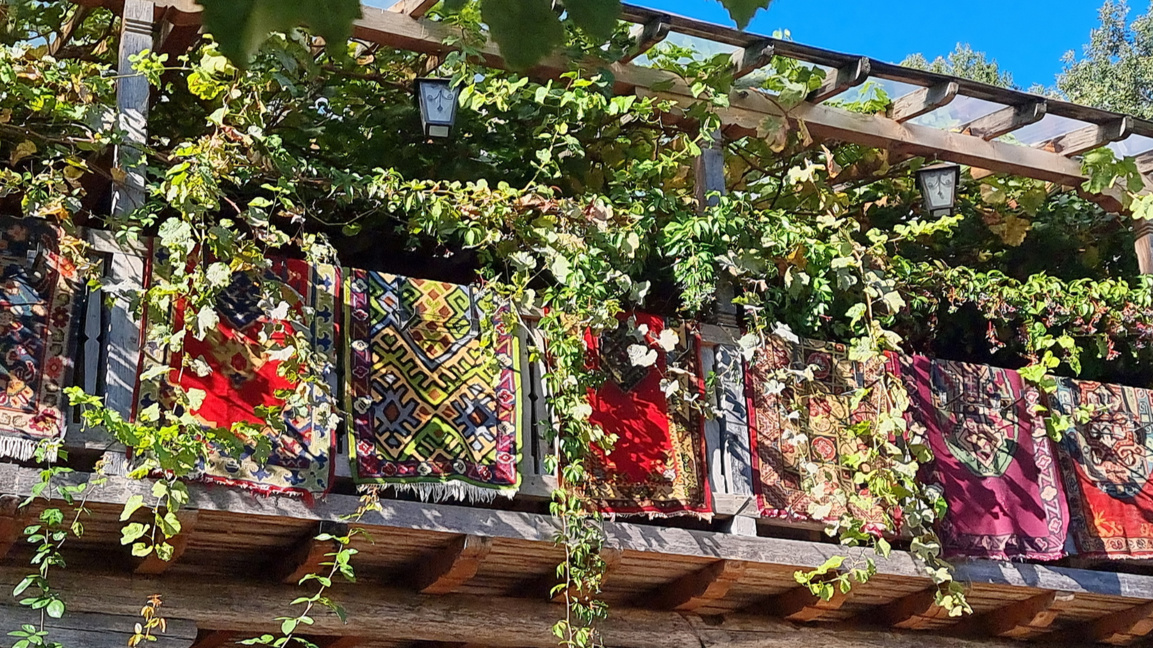
PHOTO BTA
Font size
Can a carpet serve as a “passport” to world cultural heritage, and why can’t the skilled hands of Kotel’s master weavers be replaced by artificial intelligence? The answers lie in Kotel's unique carpet-weaving tradition. Researcher and author Dora Kurshumova has set herself an ambitious goal — to have the iconic Kotel carpet inscribed on UNESCO’s prestigious list as a form of protected cultural heritage.
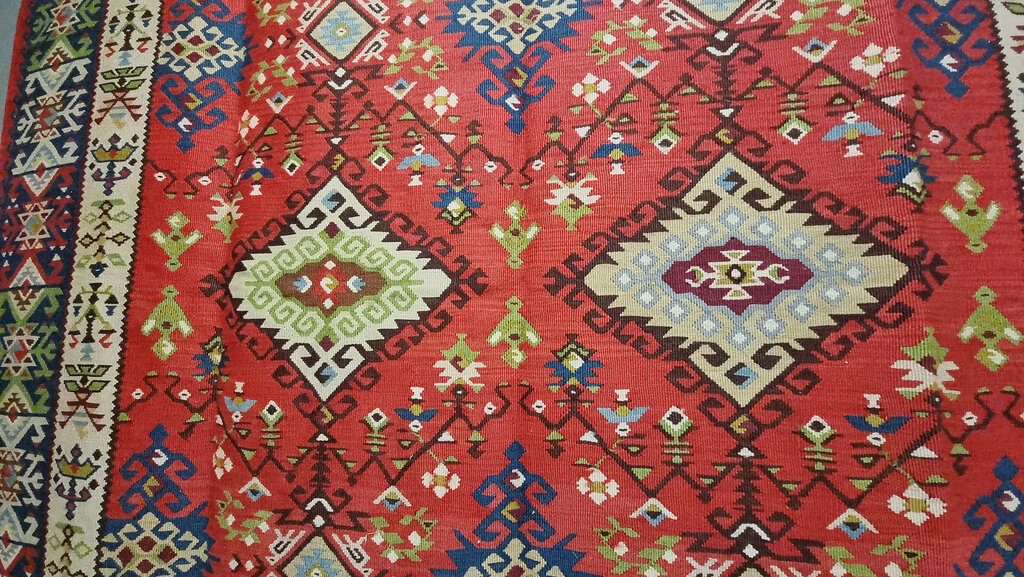
PHOTO BTA
Colorful and densely woven, carrying the spirit of the past, the warmth of the home, and traditions of household life from centuries ago, the Kotel carpet has long transcended its role as a household object, becoming a symbol of distinctive Bulgarian culture, traditions and social prestige. Today, efforts are being joined to secure international recognition for this unique tradition. Dora Kurshumova, author of an extensive guide to dating Kotel rugs, is convinced that the time has come for the next major step:
Dora Kurshumova
PHOTO BTA
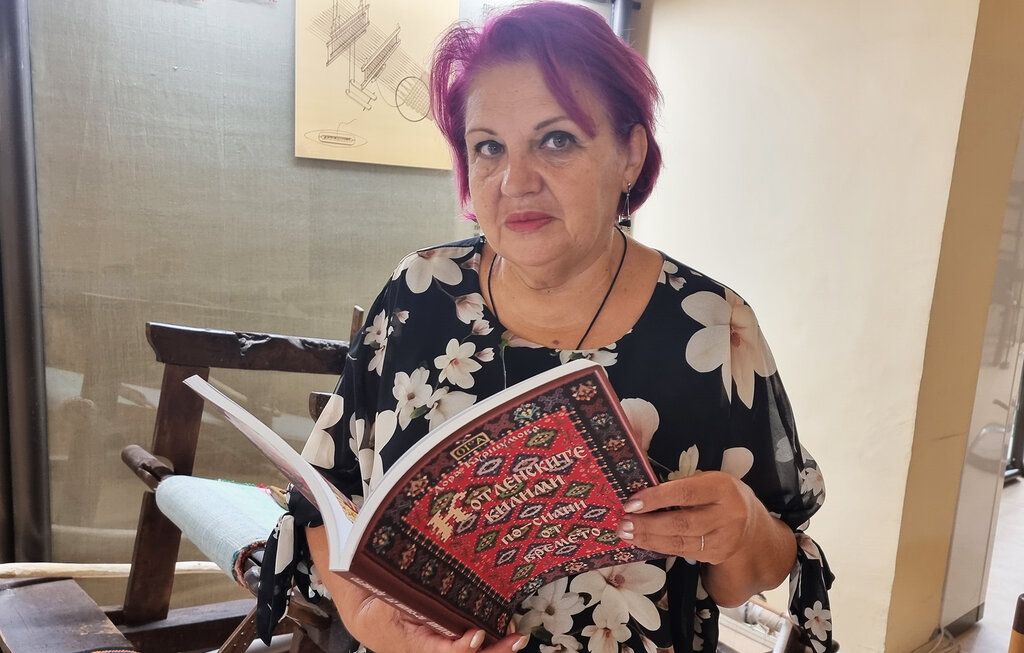
“For the Kotel carpet-weaving technique to be inscribed and recognized by UNESCO, it is necessary to provide evidence of the number of patterns and ornaments, as well as the specific characteristics of the Kotel carpet-weaving school that distinguish it from other carpet-weaving schools in Bulgaria. I actually conducted such a study and included it in a book, A Guide to Dating Old Kotel Carpets, in which I describe all the distinctive features of Kotel weaving. This alone is not enough, but it provides a solid basis for preparing a well-substantiated proposal to the Ministry of Culture and going through all the necessary steps. The application itself would have to be submitted by the Municipality of Kotel or by the museum in Kotel, which is municipally owned. Over the past five years, I have seen that there are no specialists with an in-depth knowledge of all the details that distinguish and define the Kotel school. That is why I tried to compile and summarize all the evidence I have collected in this book, which is more than 300 pages long.”
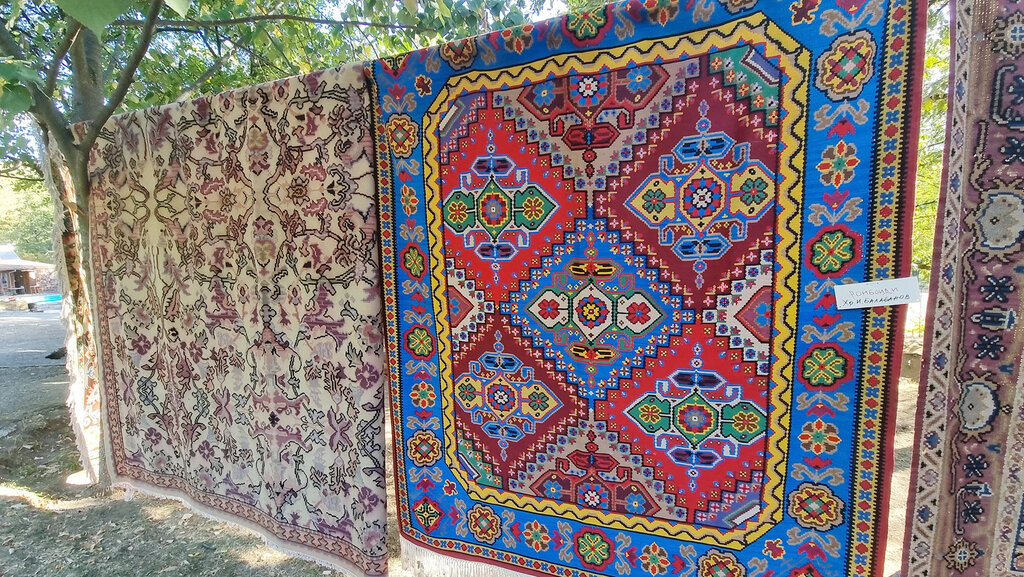
PHOTO BTA
But what makes the Kotel school so different from other traditions in our country, such as the well-known Chiprovtsi tradition? The secrets lie both in the weaving technique itself and in the philosophy behind the craft. Women in Kotel wove faster, using thicker wool and a thicker warp, which made the carpets warmer and more textured. In addition, each carpet was custom-made for a particular room, with no two carpets being alike, Dora Kurshumova further explains.
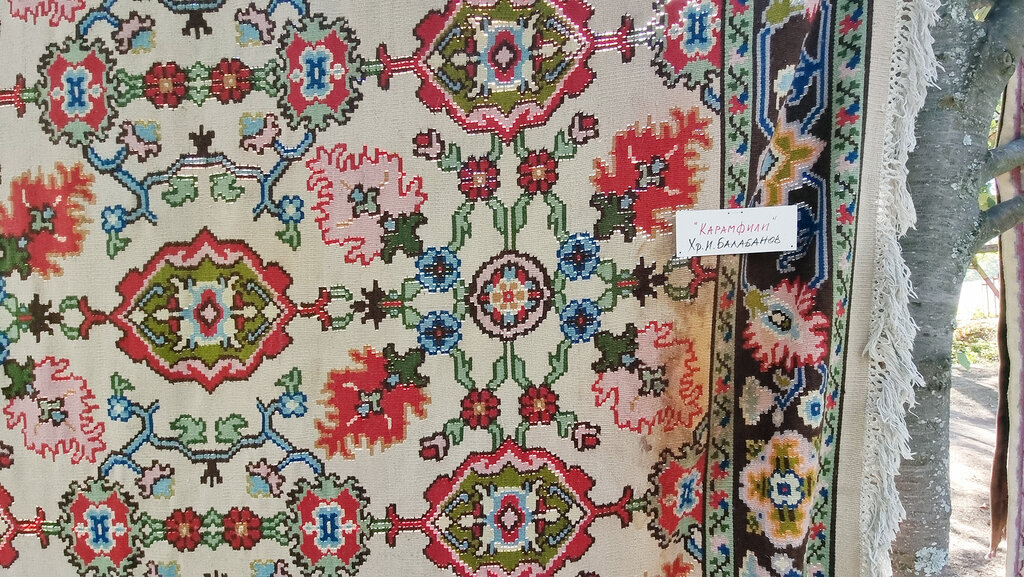
PHOTO BTA
“A Kotel weaver works much faster than a Chiprovtsi weaver because she uses thicker yarn, the warp is thicker, and there are far fewer threads than in a Chiprovtsi carpet. In Chiprovtsi carpets, the wool is spun much more finely and the warp is thinner, which makes the weaving process slower. The ornaments are somewhat larger than those found in Chiprovtsi carpets, and when they are dyed in the main colors used in Kotel carpets — blue, red, green, black, and a touch of burgundy — their muted tones, produced by natural dyes, create a striking contrast. The credit goes to the Kotel weaver, whose precision and ingenuity turn geometric ornaments into very good motifs that have made the school so popular.”
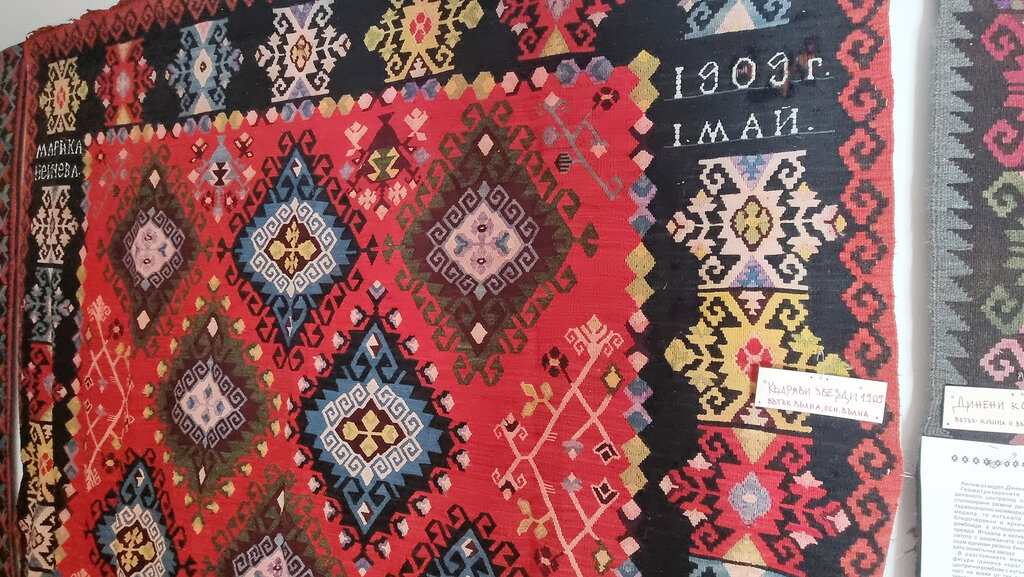
PHOTO BTA
Unlike Chiprovtsi carpets, Kotel carpets were not woven for sale — neither in the 18th nor in the 19th century. That is why each one was made in a different size, tailored to the dimensions of the room for which it was intended. “That is why no two carpets are alike — because of the colors, as each woman dyed her own yarn; because of the arrangement of the ornaments, as each weaver had her own vision; and because of the size of the carpet, which was determined by the dimensions of the room”, the researcher explains.
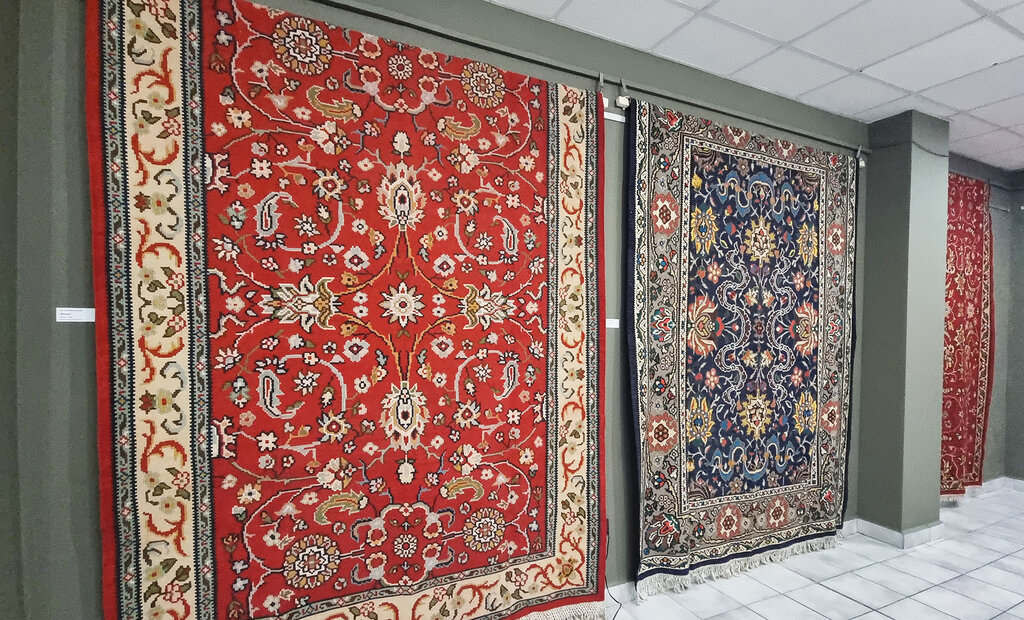
PHOTO BTA
To preserve the unique world of the Kotel carpet, continuity is essential. Despite the challenges of the modern age, there is reason for hope. At the National High School of Arts in the nearby town of Sliven, young girls and boys continue to learn the craft, proving that skilled hands have no competition, not even from artificial intelligence.
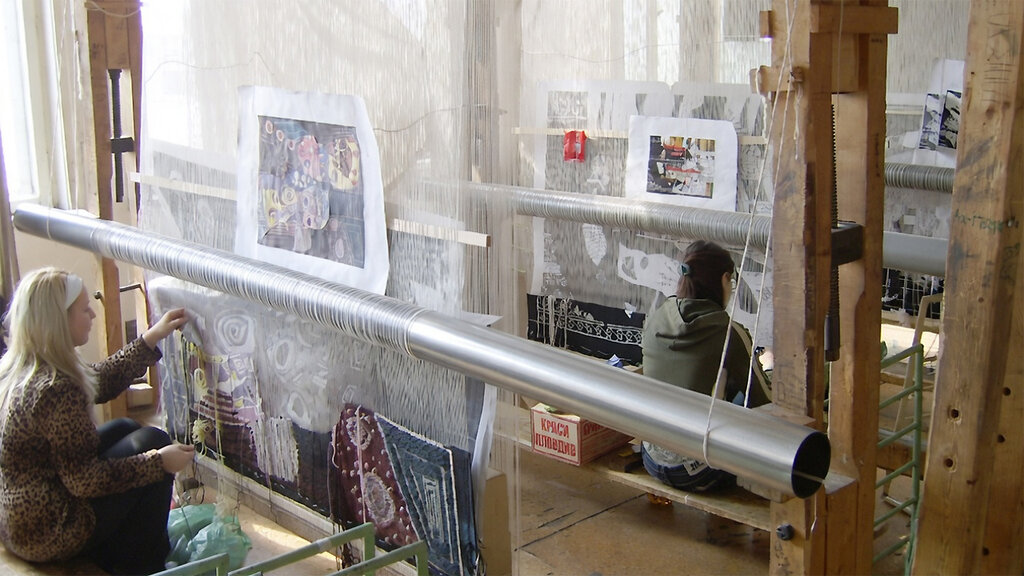
PHOTO nhgdd-sliven.net
“These are the young weavers of Bulgaria, who need to realize that they are not only preserving an age-old craft, but can also bring it into contemporary interiors. And this is possible in many ways, including modern ones — by incorporating it into clothing, belts, brooches and jewelry.”
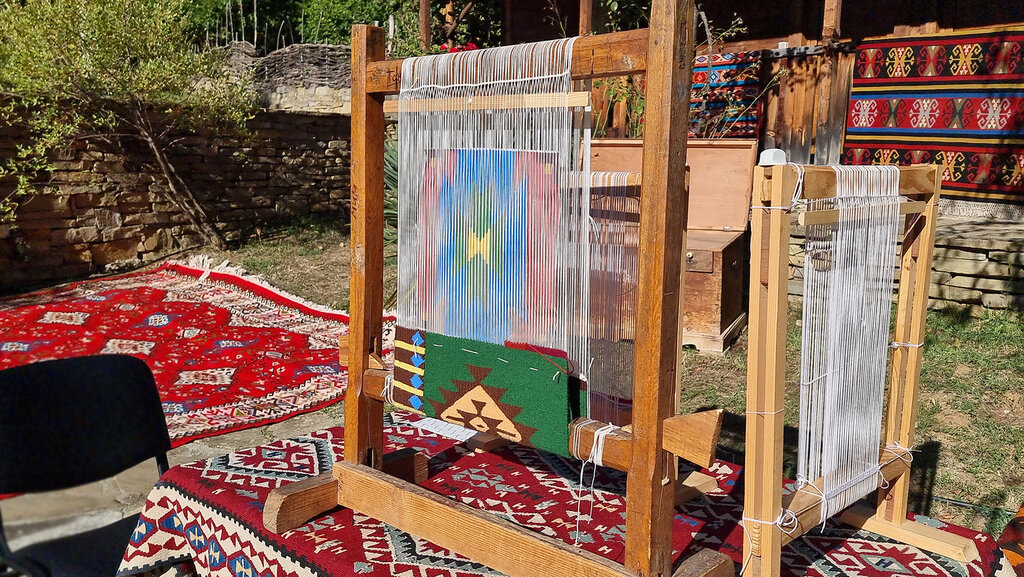
PHOTO BTA
The Kotel carpet’s journey toward world cultural heritage is a story of memory, craftsmanship, color, and the unwavering Bulgarian spirit. Whether UNESCO will recognize this treasure remains to be seen. But one thing is certain: as long as there are people who continue to weave, the tradition will live on.
More on Bulgaria’s rich carpet-weaving tradition:
- Festival tells beautiful story of Chiprovtsi carpets
Jaap van Beelen and his unique collection of old Bulgarian carpets
Van Beelen’s collection – step towards a museum of handwoven Bulgarian carpets
Translated by Kostadin Atanasov
This publication was created by: Kostadin Atanasov