


Author
Joan Kolev
Interview
Hemus editor-in-chief Svetla Kyoseva for Radio Bulgaria:
Hemus Magazine will continue to build bridges between Bulgarians and Hungarians
Interview with Svetla Kyoseva
Wednesday 28 October 2026 09:02
Wednesday, 28 October 2026, 09:02

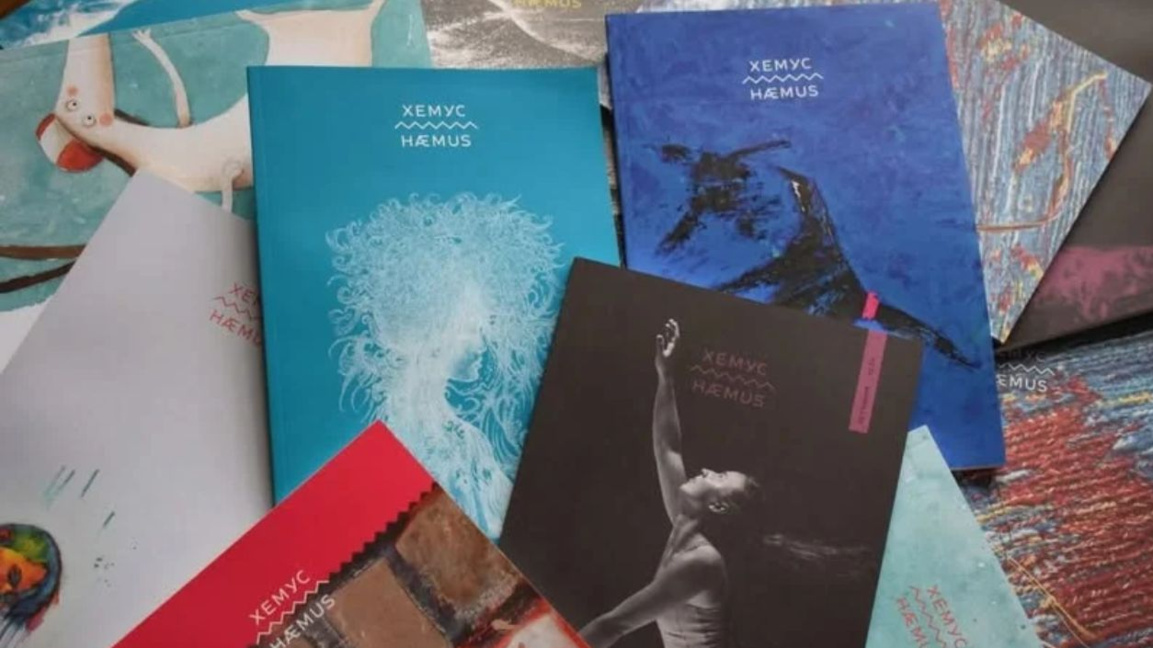
PHOTO Facebook /Bolgár Országos Önkormányzat
Font size
Hemus, a bilingual Bulgarian-Hungarian magazine covering culture and public life, is celebrating the 35th anniversary of its first issue, published in 1991.
Its editor-in-chief is Svetla Kyoseva, whose life has been closely connected with Hungary since 1984. That year, she arrived in Budapest and began working at the Hristo Botev Bulgarian School, where she spent 13 years. In 2004, former pupils invited her to head the Bulgarian School for the Mother Tongue, where she remained director for 15 years. Alongside her educational work, she has pursued an active career as a translator, with more than 200 published contributions and 40 books to her name.
In recognition of her contribution to presenting and promoting Hungarian literature in Bulgaria, Svetla Kyoseva has been awarded the prestigious Baumgarten Honorary Prize for 2026. In a special interview with Radio Bulgaria, she discusses the significance of the distinction, as well as the history and future of Hemus, a magazine popular with both Bulgarian and Hungarian readers.
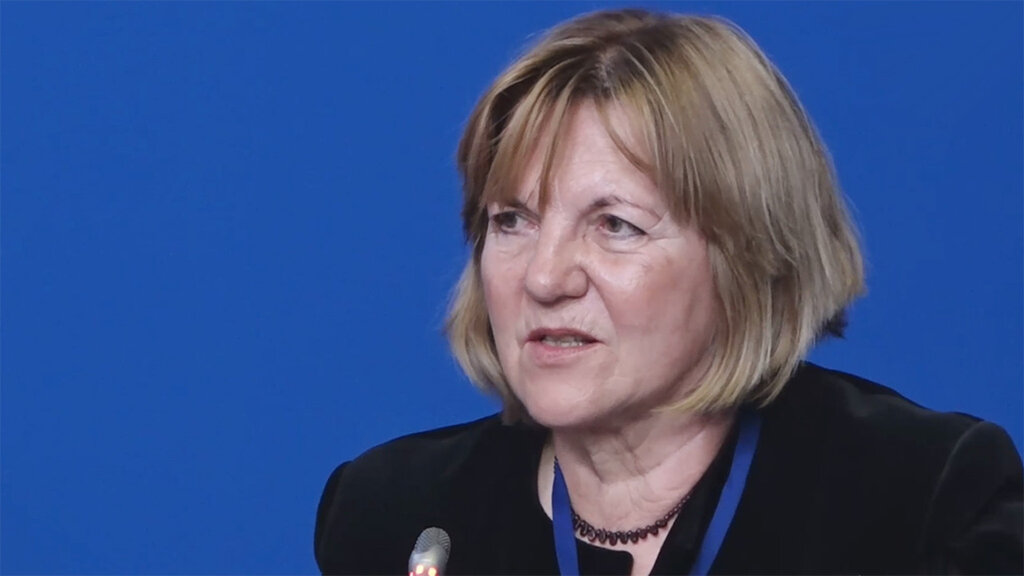
Svetla Kyoseva
PHOTO BTA
“This is a very interesting award that enjoyed considerable prestige between the two world wars, after which it was discontinued. It has now been revived at the initiative of citizens, with funds raised through donations. A special jury made up of writers and translators decides who should receive it. The recipients are mainly Hungarian writers, but the work of translators of Hungarian literature is also recognised,” Ms Kyoseva explained, referring to the award named after the Hungarian patron of the arts Ferenc Baumgarten.
As in previous years, Hemus publishes two issues annually, each devoted to a particular theme. This approach also defines the magazine’s character in 2026.
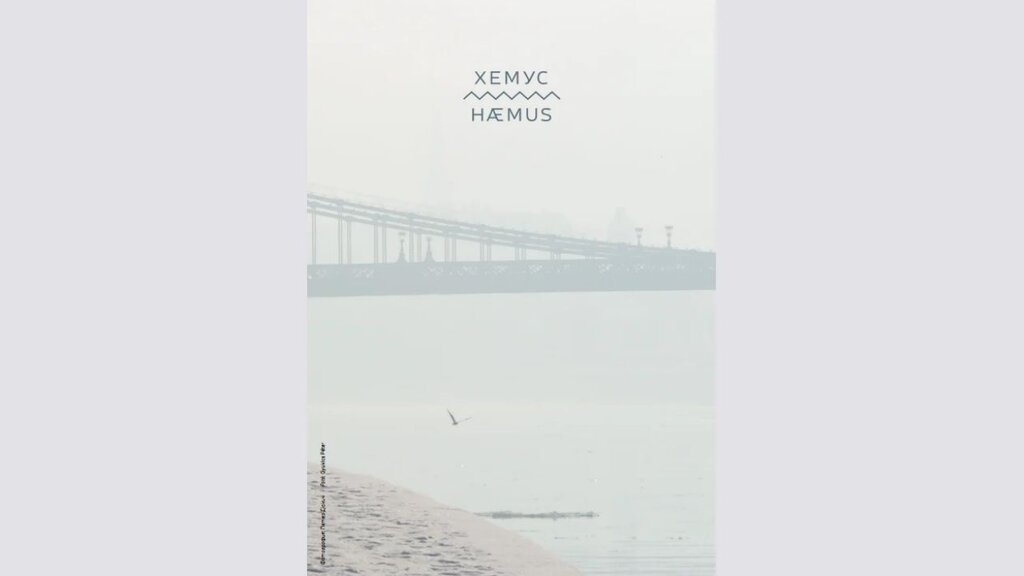
First issue of Hemus Magazine for 2026
PHOTO bolgarok.hu
“We call the first issue the Danube issue because we have brought together works by Bulgarian authors devoted to the River Danube. The idea was prompted by an invitation to contribute Bulgarian works to an anthology entitled The River: A Different Anthology of the Danube. It was first published in German and Hungarian, followed by translations into Romanian, Slovak and Serbian. We now feel that the time has come for a Bulgarian edition, with each country able to add works on the subject that it considers important. For this issue, we selected a range of texts, including works by the writer Yordan Yovkov and contemporary pieces, some written especially for the magazine. I hope we will soon find a suitable publisher willing to take on this exceptionally interesting anthology.”
Speaking about the second Hemus issue of the year, the editor-in-chief of the bilingual magazine says:
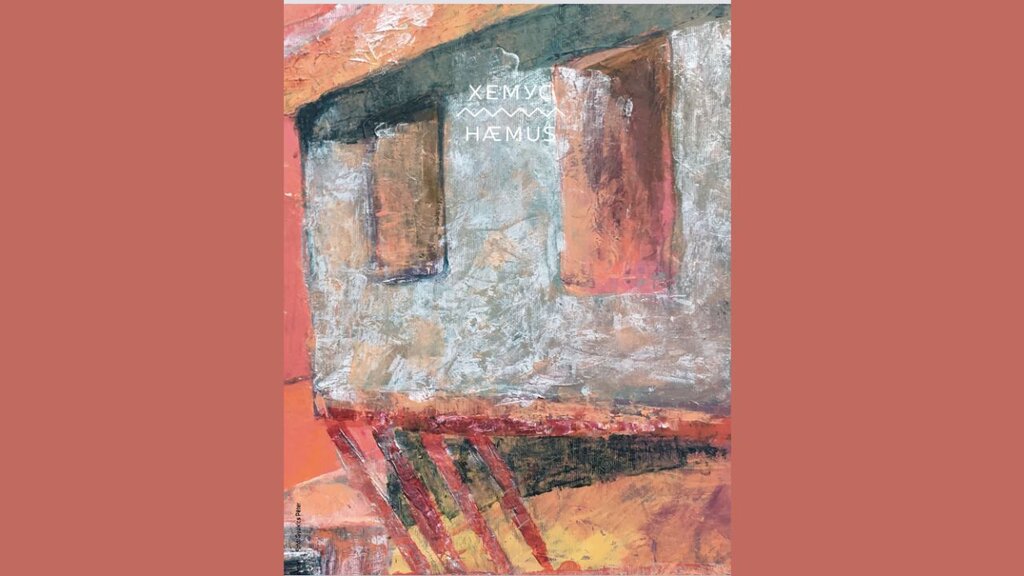
Second issue of Hemus Magazine for 2026
PHOTO bolgarok.hu
“It brings together Bulgarian communities in the countries neighbouring Hungary, as their histories, origins and present-day circumstances are quite similar. One common thread is Bulgarian gardening, which began spreading across Europe in the late 19th and early 20th centuries, giving rise to communities that have survived to varying degrees to this day. The issue includes an excerpt from Georgi Gospodinov’s book The Gardener and Death, as well as a text explaining to children what market gardening is.”
This issue of the magazine was officially presented during the World Meeting of Bulgarian Media in Budapest. Svetla Kyoseva chaired one of the discussion panels, entitled “Media and Enlighteners”:
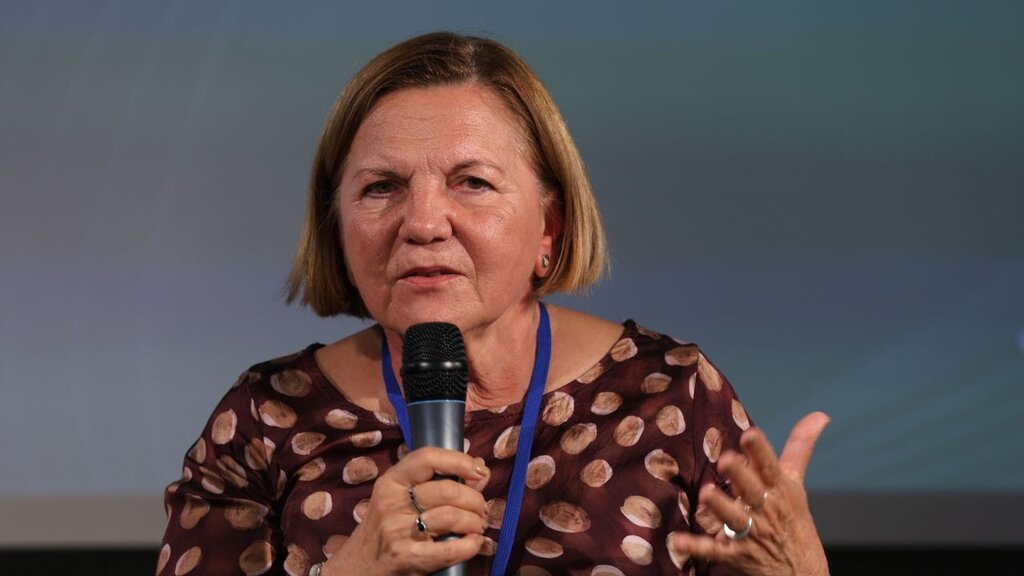
Svetla Kyoseva at the World Meeting of Bulgarian Media in Budapest (20 October 2026)
PHOTO BTA
“The discussion brought together representatives of Bulgarian communities in neighbouring countries, including Diana Glasnova from Zagreb, Desislav Payakov from Vienna, and the media outlet Bulgarski Vesti, represented by its editor-in-chief, Gabriela Hadjikostova. She received an award from the 13 Centuries of Bulgaria National Endowment Fund in recognition of the contribution made by a Bulgarian-language media outlet abroad to the promotion of Bulgarian culture.”
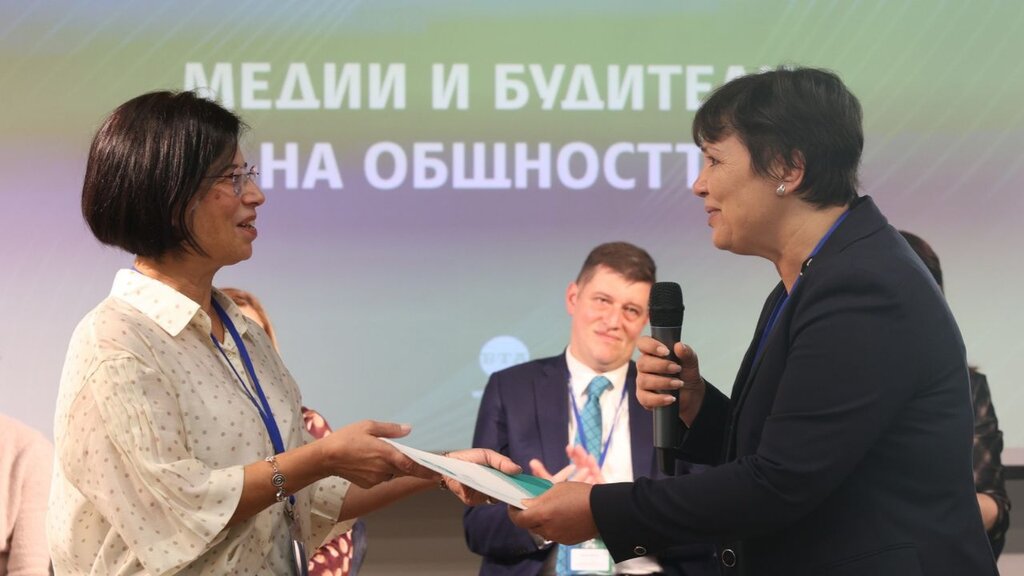
Gabriela Hadjikostova
PHOTO BTA
As a magazine that continues to maintain a print edition, Hemus inevitably faces challenges. Unlike most Bulgarian media outlets abroad, however, which rely on targeted funding from Bulgaria to continue their work, the publication serving the Bulgarian community in Hungary does not depend on such support.
“We do not need this kind of assistance because the Bulgarian community in Hungary receives funding from the Hungarian state,” Svetla Kyoseva said. At the same time, she acknowledged that “funding is a serious problem for many Bulgarian publications abroad. Those that do not receive support from the countries where they are based face considerable difficulties in producing their publications.”
The future plans for Hemus reflect its ambition to remain a bridge between the Bulgarian community and Hungarian society by covering subjects of interest to both readerships. The magazine also aims to reach out to other communities and countries.
PHOTO Facebook /Bolgár Országos Önkormányzat
“Some colleagues and I were invited to contribute to Slovak publications on the subject of Bulgarian gardening being recognised as part of Hungary’s cultural heritage. Bulgarians in Slovakia are currently taking similar steps, which is why they showed great interest in our experience. I have also invited authors from other countries to write for the magazine.”
In 2027, one of the magazine’s issues will mark the centenary of Miklós Mázárov, a Hungarian artist of Bulgarian descent, Svetla Kyoseva announced. She added that, from this year, the gallery at the Bulgarian Cultural and Educational Centre in the Hungarian capital has also borne his name.
“After his death, his widow established an award in his name, presented to Hungarian artists. Receiving this award is a great honour. Every year, it provides an opportunity to talk not only about the artist himself, but also about Bulgaria and Bulgarian artists in Hungary, who form a very close-knit and strong community.”
Read also:
Social media are changing Bulgarian media abroad too
Hungary highlights diaspora's role at Bulgarian media gathering
A week in Budapest dedicated to Bulgaria and Bulgarian-Hungarian friendship
This publication was created by: Rositsa Petkova
- #Bulgarians in Hungary
- #Hemus Magazine
- #Bulgarians and Hungarians
- #Bulgaria in Hungary
- #Baumgarten Honorary Prize for 2026
- #Svetla Kyoseva
- #Hungarian literature in Bulgaria
- #bilingual Bulgarian-Hungarian magazine
- #Hungarian patron of the arts Ferenc Baumgarten
- #the Bulgarian community in Hungary
- #Bulgarian-language media outlets abroad