Author
Vessela Krasteva
Article
Born in America, choosing Bulgaria: Anna-Maria and Katerina’s journey back
“Our Bulgarian identity is an asset,” say the two sisters, who have chosen Bulgaria as their home
Thursday 12 November 2026 09:25
Thursday, 12 November 2026, 09:25
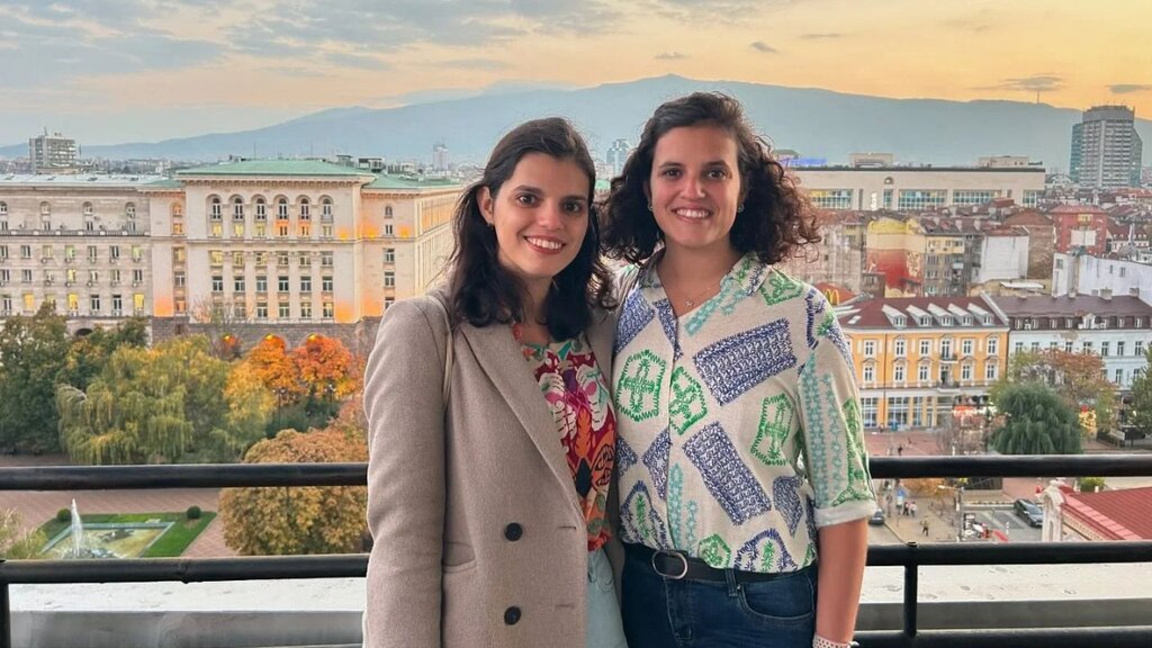
PHOTO Facebook /ЗаВръщане в България
Font size
An increasing number of Bulgarians living abroad are returning, or considering a return, to their homeland. Among them are often the children of Bulgarian expatriates, born and raised overseas, who nevertheless feel a strong connection to their Bulgarian roots and regard them as a gift they want to share with the world. Such a broader social phenomenon is always easier to understand through a personal and candid story. That is why we invited two sisters to the Radio Bulgaria studio to talk about their journey back to a country to which they grew attached from an ocean away.
What does returning to Bulgaria look like today?
They are Katerina and Anna-Maria Andreevi. Their story began even before they came into the world. In 1993, their parents travelled to Minnesota, USA, for a six-month course at a Bible college in North America.
“Their decision was spontaneous, and they had no intention of staying there,” Katerina tells us. But then came the news that she was on the way, and, after much deliberation, the family made the difficult decision to remain in the land of unlimited opportunities, in the hope of securing a better future for their children and a better life for everyone.
In the years that followed, their grandparents and other relatives joined them in Minnesota, and their sense of home and having the whole family together gradually took root on American soil. Five years later, Anna-Maria was born. Unlike her sister, she learned Bulgarian and its traditions first, thanks to her beloved grandmother Kalina, and grew up in what had by then become a little Bulgaria of their own.
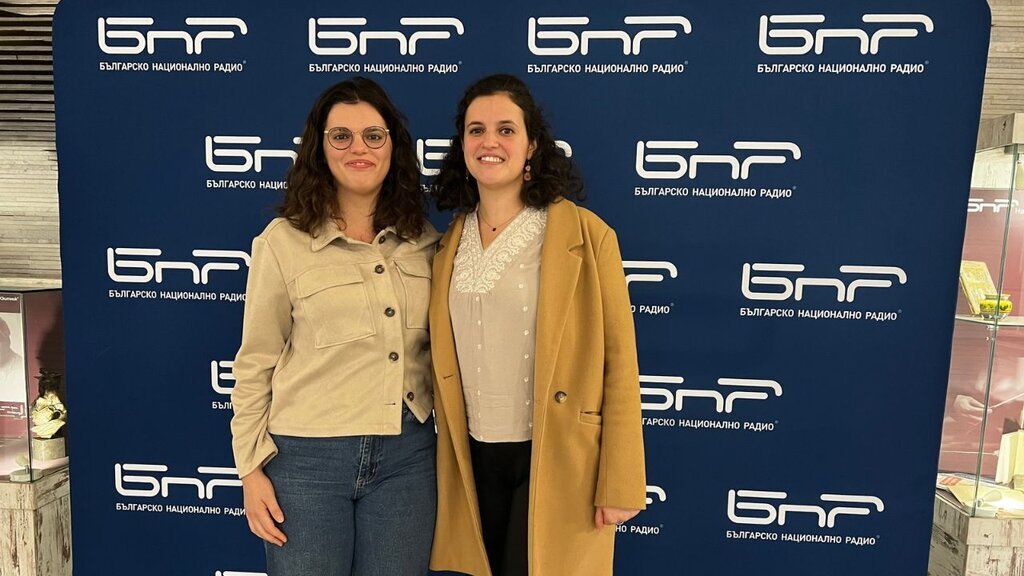
PHOTO Vessela Krasteva
Today, Katerina, the elder of the two sisters, admits that she was born an “emigrant”, without having had any say in the matter. It is a realisation that increasingly resonates with other Bulgarians who share a similar experience.
“I was born into emigration. I went through that process, but I was also very much immersed in the culture itself. I have lived in two worlds, and I still do. That will not change, and I have come to accept it. In fact, I would even call it my strength. I am American and Bulgarian, and I could even say Dutch, because I lived in the Netherlands for eight years. All of this is an asset. I would tell all parents that if they believe emigration is the right choice for them, they should make that decision boldly and not worry. I do not see my parents’ decision, the fact that I was born and raised in the United States, as something that was taken away from me. I see it as a major advantage in my life story and in shaping my outlook on the world. I often wonder what my life would have been like had I grown up here, but there is no way of knowing. What I am certain of, though, is that I would not be the person I am today.”
Katerina says she never found it difficult growing up in America because of her background and roots. “I think it gave me different expectations of friendship and human relationships, because I learned about these things from my mother, whereas the culture in Minnesota is a little more reserved, rather like that of the Scandinavian countries, and people value their personal space. At the same time, it was a very positive culture. American society is very supportive, and people always try to lift you up when you are going through a difficult time. That was a very valuable experience for me,” the young woman admits.
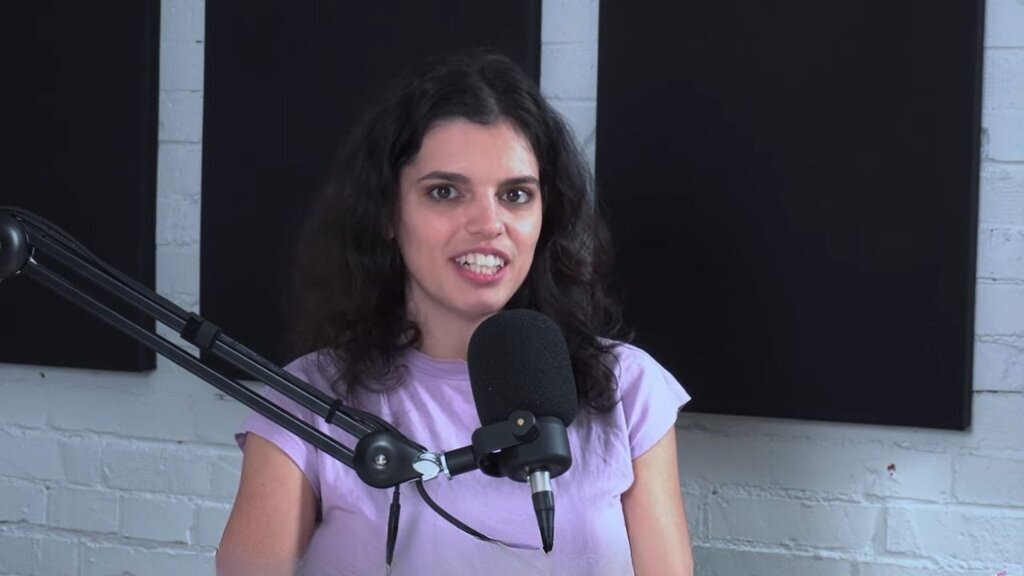
Katerina Andreeva
PHOTO YouTube / Back2Bulgaria podcast
“The only thing was that nobody else had a story like mine. That changed when we moved to Houston, Texas. There, everyone was like me, either a first- or second-generation immigrant,” she recalls.
The two sisters’ family moved to the southern state when the girls were already at school. This new, multicultural environment turned them into true cosmopolitans without their even having to travel.
“In Houston, we lived in an area where 62 different languages were spoken. That meant our schools were full of all kinds of people, and it was a real asset for us,” Anna-Maria recalls. “It was something that opened up the world to us, even though we did not have to travel to see it. We had access to different cultures, cuisines and ways of thinking. That was when I personally realised that being born in America while having this Bulgarian identity made me different, but in a positive way. I realised that I could share it, take pride in it and show others what being Bulgarian means to me, while also remaining open to people who are different from me and understanding what it means to them to be Indian, Vietnamese or French, for example.”
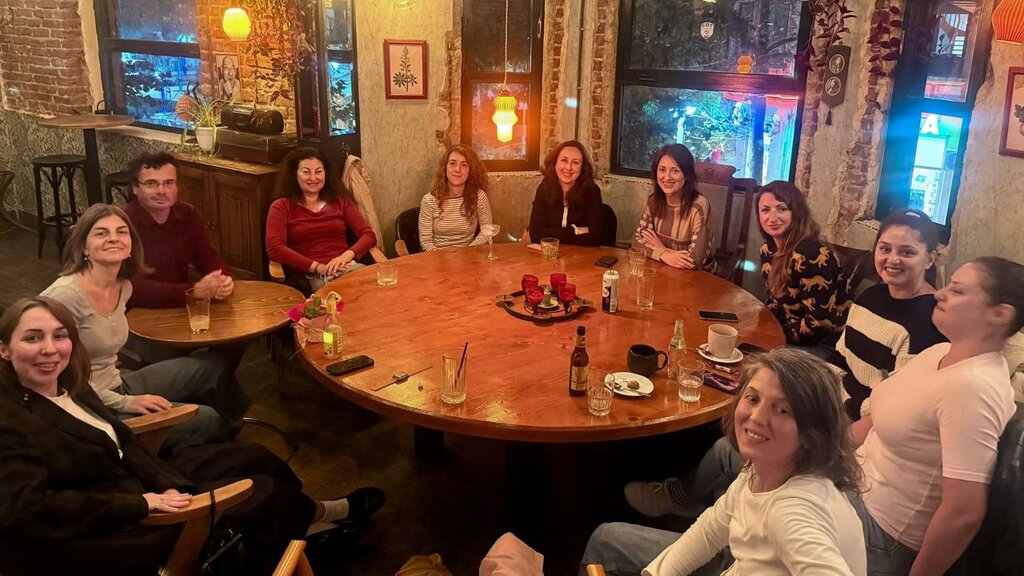
PHOTO Facebook /ЗаВръщане в България
The two sisters remember how interested their friends were when they talked about the homeland of their mother and father. “Few of them knew where Bulgaria was, and they often confused it with Bolivia or another Latin American country. But once we started telling them about it, they became interested and wanted to learn more about our culture and what our country was really like,” Katerina recalls.
“That is because you may be the only Bulgarian they know, and everything they think about Bulgaria is shaped by you and what they see in you,” Anna-Maria adds. “For example, many of my friends want to come to Bulgaria to meet people like me, but also simply to experience the culture I have told them about.”
Things are different today, Katerina tells us, noting that she increasingly encounters Americans in Sofia who are visiting Bulgaria as tourists. The Bulgarian community in Texas is close-knit and relatively large, the two sisters explain. Their family has always been very active in it. There is now also a Bulgarian school in Houston, which offers Bulgarian language classes for adults as well. Katerina tells us that there is considerable interest in these classes among foreigners living there.
Interestingly, when they were younger, the sisters regularly attended a folk dance group in Houston. In their childhood perception, knowing how to dance the traditional Bulgarian horo was almost a prerequisite for being able to call yourself Bulgarian. After returning to Bulgaria, however, they discovered that many of their compatriots in the country did not actually know how to dance traditional folk dances. This came as a great surprise to them both. “I dance Bulgarian horo much less often now than I did in America,” Anna-Maria says with a laugh.
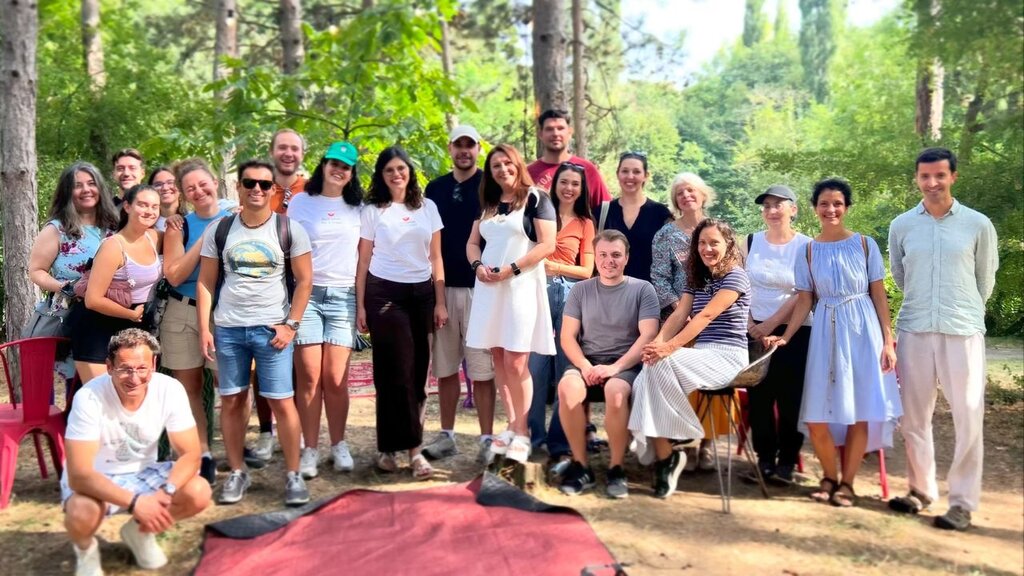
PHOTO Facebook /Facebook ЗаВръщане в България
The Return
A well-established, varied and interesting life: that is how one might describe what the girls’ parents built for themselves across the ocean. Nevertheless, from the age of 16, Katerina began dreaming of living in Europe and being physically closer to Bulgaria.
“It was more a matter of the bigger picture I was beginning to see: what was happening in the United States, the conversations I was having with the people around me and the lifestyle they led. I believed I would have a more balanced life in Europe, because people there prioritise having free time and doing things outside work. As I said, in Houston we were surrounded by a largely immigrant community. People had moved there in search of a better life, which meant working a great deal. My family, on the other hand, raised us to spend every weekend at a cultural event, some kind of gathering or on an excursion. The people around me did not have that same outlook.”
By the time she finished high school, Katerina already knew that she did not want to pay the enormous tuition fees charged by American universities and that she wanted to study and live in Europe. “I had also fallen for someone from Bulgaria, so the decision was made,” she recalls. Although her choice initially came as a shock, her mother told her about Burgas Free University and the degree programmes available there in English. Katerina enrolled in economics, and her first year convinced her that Bulgaria was exactly where she belonged.
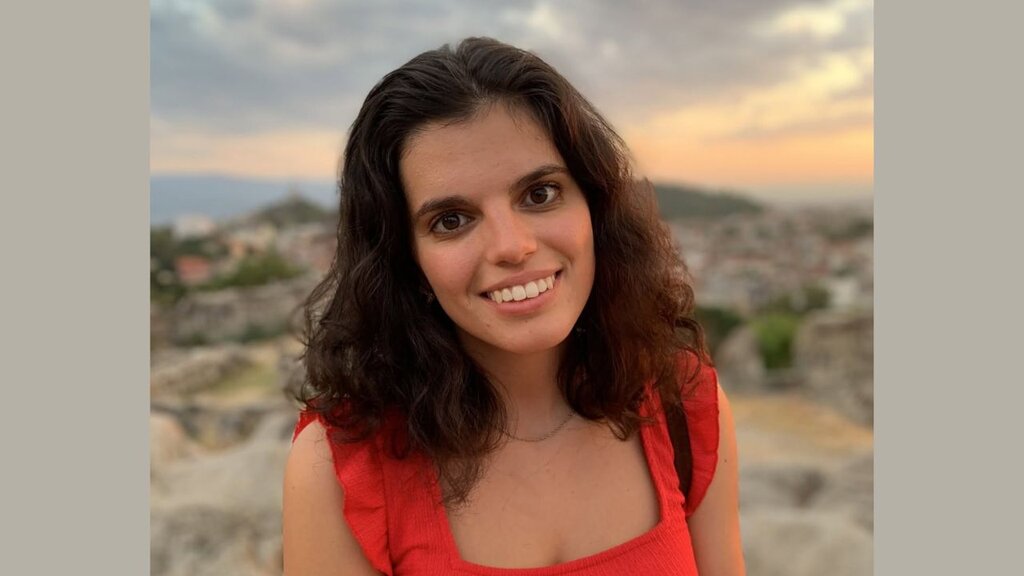
PHOTO Facebook /Katherina Andreeva
“I became very close to my fellow students at university, and I really liked that. People were sociable and open with one another. The city is very beautiful, and the sea was wonderful. I was only 19 in 2013-2014, and overall it was a lovely experience. I could see that Bulgaria had considerable potential, that things were happening here and that I wanted, somehow, to be part of it.”
Circumstances, however, led her to complete her education in the Netherlands, where she began looking for a job. With no professional experience, finding employment in Bulgaria proved almost impossible, while she quickly secured a suitable position in the start-up sector in the land of tulips.
“My biggest concern was that the Dutch would have a mentality very similar to that of Americans. To some extent, that turned out to be true, at least compared with Minnesota. Looking back now, though, I think it helped me a great deal with adapting,” Kati concludes. She spent eight years in the Netherlands, but her heart remained turned eastwards, towards the country to which her closest relatives were gradually returning, beginning with her grandparents, who had been living in the United States.
After gaining professional experience over the years, she eventually managed to find a job that allowed her to live in Sofia and return home. Waiting for her there was her younger sister, Anna-Maria, whose own path to Bulgaria had already been paved.
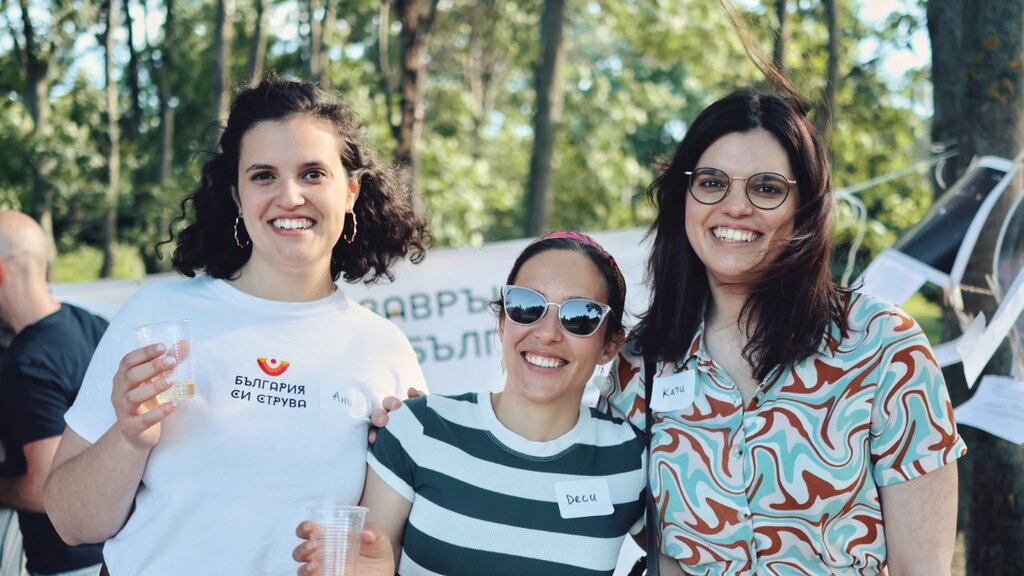
PHOTO Facebook /ЗаВръщане в България
After gaining professional experience over the years, she eventually managed to find a job that allowed her to live in Sofia and return home. Waiting for her there was her younger sister, Anna-Maria, whose own path to Bulgaria had already been paved.
“My decision came more gradually. While studying International Relations at the University of Texas at Austin, I decided to spend a semester abroad, which was a compulsory part of our programme. I chose France, and that was the first time I spent an extended period in Europe. I got to see what life on the Old Continent could be like. I travelled every weekend because I had a scholarship and decided to make the most of the opportunity to explore. I met many Europeans and made quite a few friends. That was also when I realised that the way people communicate was quite different from what I was used to in North America. It felt much closer to my own way of communicating.”
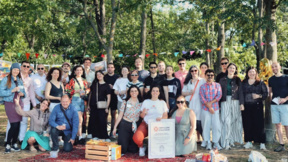
After graduating, Anna-Maria Andreeva secured an internship at a Bulgarian company and returned to Bulgaria. The rest is history, as is the idea of creating a community for Bulgarians with a similar experience, which the sisters call “ZaVrashtane v Bulgaria” (“Returning to Bulgaria”). Following the pandemic, in 2023 the two sisters settled in the Bulgarian capital. They are now trying to showcase the potential of the country where they have found themselves and where they hope to put down roots.
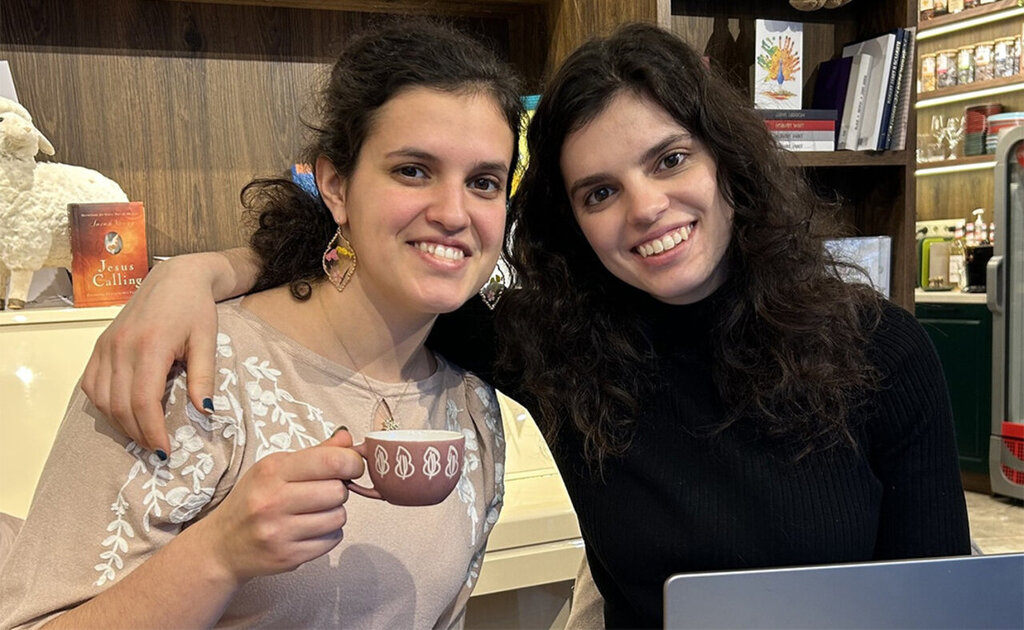
PHOTO ЗаВръщане в България
For me, the answer to the question ‘Why Bulgaria?’ is that I like the nature here, I enjoy the people, and I feel there is potential for things to develop and that I can be part of that progress,” Katerina Andreeva says. “Our loved ones are here now, too, and I am closer to both sets of grandparents. I feel there is a purpose to my being here. That is perhaps the most accurate answer.
“I would also say this because lately I have the impression that people do not realise, or have forgotten, just how rich a country Bulgaria is, particularly when it comes to resources such as food, culture, nature and history. We tend to underestimate the richness of our history. We have been through many different stages, and I hope that this legacy also gives us the ability to learn from our past.
“I mention food because we are always looking at foreign cuisines and thinking that food elsewhere is more interesting or tastier. That is simply not true. Even on our Back2BulgariaPodcast, an English-language podcast featuring Bulgarians who have returned from abroad, almost everyone talks about Bulgarian tomatoes. They seem to be an incredibly powerful link for Bulgarians living overseas: the fruit and vegetables from home. It is a little sad, for example, to see how difficult it was to find tasty peaches in Sofia this summer. I do not know whether it has always been like that in the capital, but it is worth reflecting on these things and making sure the situation does not continue. These are valuable things, the quality produce we have. Our wine is also very good. I am a great wine enthusiast, and I think Bulgaria has many excellent wineries, something that is perhaps not appreciated enough.”
“Bulgaria’s advantage at the moment is that there are many niches that have not yet been fully developed. There is room to create, experiment and test new ideas. The potential is here. You just have to give it a try,” Anna-Maria Andreeva adds with confidence.
Photos: Facebook /ЗаВръщане в България, Vessela Krasteva, YouTube / Back2Bulgaria podcast, Facebook /Katherina Andreeva
Edited by E. Karkalanova
English editor: R. Petkova