


Author
Yoan Kolev
News
Mladost na Megdana: a force of nature, all emotion and folk dance fire
Monday 16 November 2026 20:48
Monday, 16 November 2026, 20:48
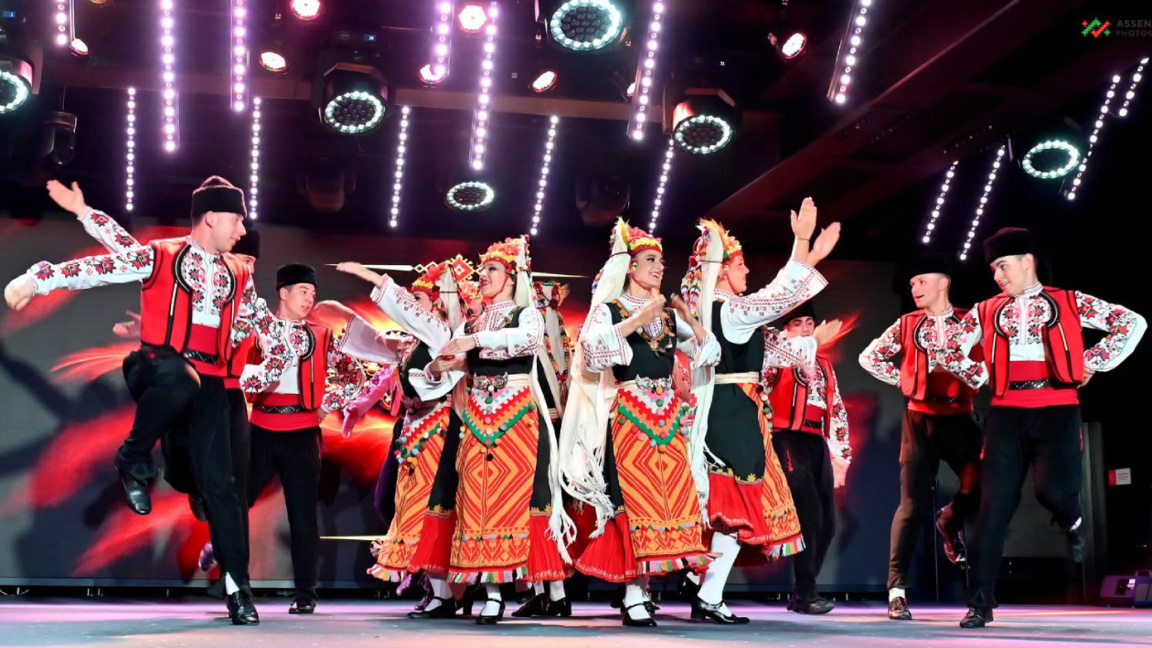
PHOTO Asen Velikov
Font size
Rehearsing folk dances from 1,000 kilometres apart sounds almost impossible. Yet for the young Bulgarians in Mladost na Megdana, who live in Britain, France, Germany and the Netherlands, rehearsing across borders is part of everyday life. Despite school-leaving exams, university exams and the distances between them, they win audiences’ hearts wherever they perform. These young folk dance enthusiasts have already appeared in London, Arbanasi and Sofia. Most recently, they were among the highlights of the concert celebrating the tenth anniversary of the Association of Bulgarian Folklore Ensembles Abroad.
Mladost na Megdana, whose name means “Youth in the Village Square”, brings together dancers aged 15 to 25 from 19 Bulgarian folk dance groups across the four countries. The idea began almost as a joke, recalls their leader, Lyutvie Gencheva:
“After the ‘On the Village Square of the Other Bulgaria’ festival in Lyon, I spent 45 minutes at a metro station waiting for the young people to finish saying their goodbyes. To get us moving, I told them that the following year I would try to bring young dancers from all the groups in Europe together in one ensemble, so they could meet more often and wouldn’t miss each other quite so much.
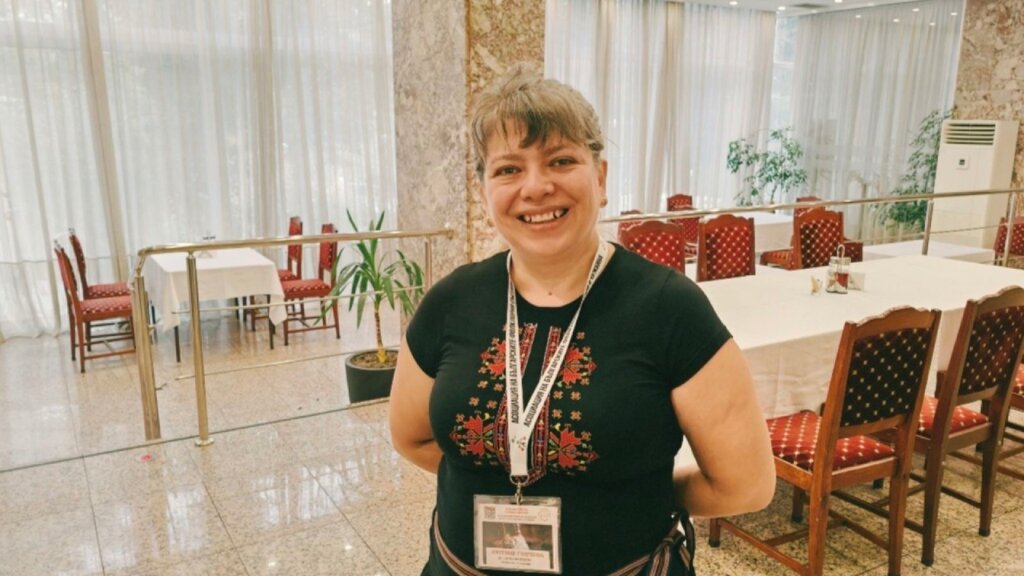
Lyutvie Gencheva:
PHOTO Yoan Kolev
“I said it quite spontaneously, but it turned out they hadn’t taken it as a passing remark. They held me to it and pushed me to find a way to make those words a reality.”
Despite their busy lives as school and university students, and the distances between them, the young dancers take their commitments seriously, Gencheva says. Their discipline is evident in their performances.
A few days ago, their dedication and professionalism earned praise from the head of the Construction Troops’ Song and Dance Ensemble. He noticed them when they performed a dance as a greeting to Gurbetchii, a similar ensemble of adult dancers living in different countries. Gurbetchii were celebrating their first year together, during which they have caused quite a stir with their stage performances.
“He had never seen them before and started asking who these young people were and how they could live in different countries yet still perform their dance so well. It really is hard for a professional choreographer to understand, but it seems to work,” Gencheva says.
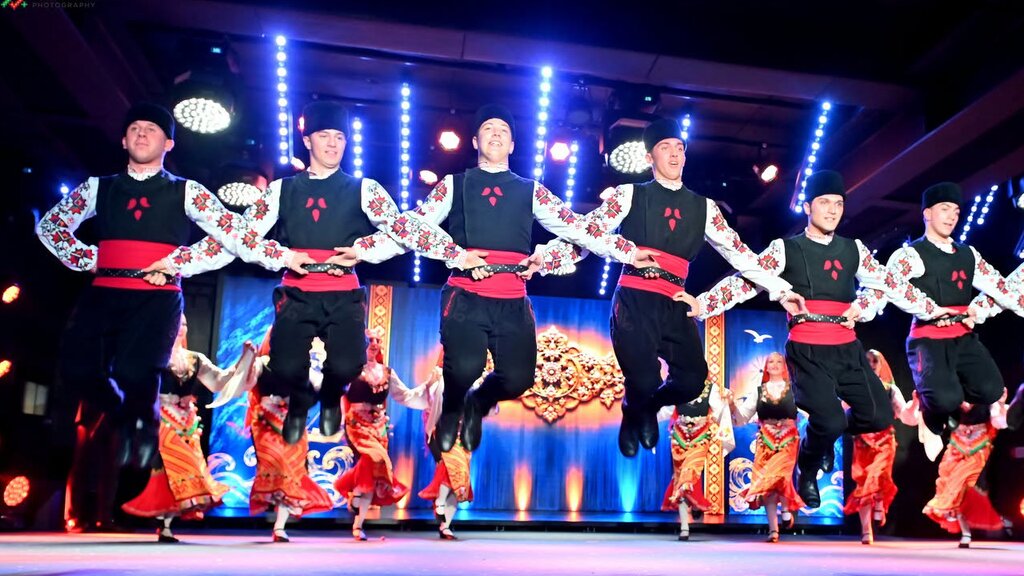
PHOTO Asen Velikov
“Perhaps those with the patience and determination to try this themselves could learn from our experience and start similar groups.. Working with young people from a distance does work, and they love getting together. Even with so much on their plates, they still manage to get things done and enjoy themselves at rehearsals.”
Gencheva often wonders whether she is taking the right approach with the young dancers, or whether she is too strict. Yet they are enthusiastic about everything they do. She is pleased that she can maintain a rapport with them without overstepping boundaries, aware of the generational differences.
“Our outlook is a little more old-fashioned than theirs. Their expectations are different, and this is where we can pass on our discipline and find common ground with their way of thinking. That is how we build the relationship you see on stage.
“I would say that when they step onto the stage, everyone in the audience can feel their emotion. That, I think, is what makes Mladost na Megdana so successful: the energy they give off and their ability to pass it on to the audience.”
The applause and excitement at their performances this year bear that out: in London, in Arbanasi and at their two Sofia concerts on 31 October and 7 November. The group will hold a winter camp at Shumnatitsa mountain lodge in Borovets, Bulgaria, from 28 December to 2 January.
Since February, the young dancers have put together three dances: “Grozdana”, a Thracian dance; “Aegean Dance”, which they performed with the Trakia Ensemble at Sofia’s National Palace of Culture in late October; and “Old Shopluk Dance”, which they are still working on before presenting it to an audience.
Gencheva is grateful for the enthusiasm of the young dancers and the support of their parents. She is also thankful to the Association of Bulgarian Folklore Ensembles Abroad, whose workshops have been inspiring Bulgarian dance group leaders around the world for five years.
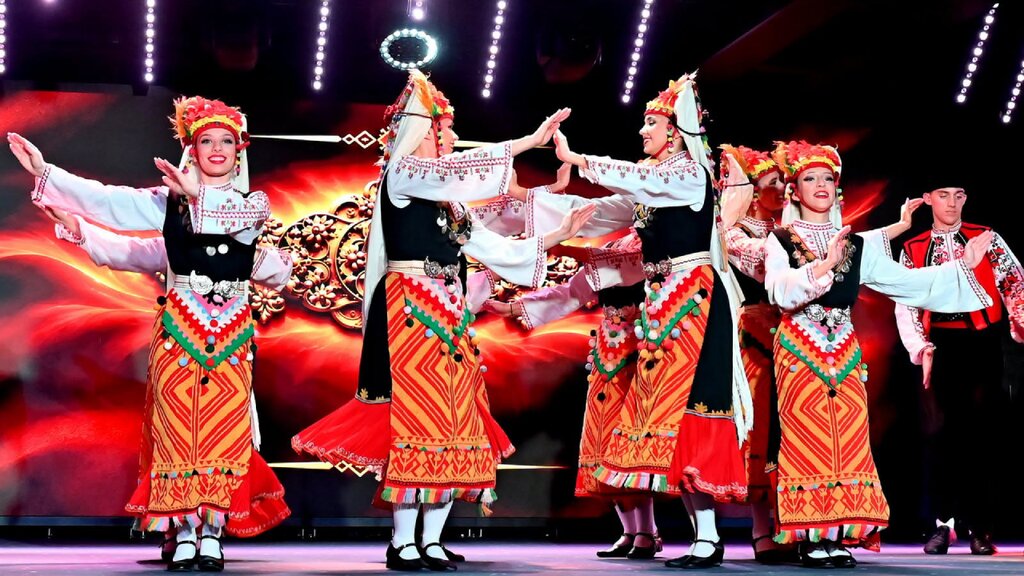
PHOTO Asen Velikov
"For me, what matters most at these meetings is hugging friends and sharing the positive energy we all need. That’s what keeps me going when I’m back home. The association brings us together and is one of the reasons Mladost na Megdana exists. If I hadn’t kept coming to these meetings, I wouldn’t have got to know the other group leaders, their ensembles or their young dancers. All of this has come about through the friendships we make here. That’s why I leave with a full heart, and that keeps me going until we meet again.
“I hope the association will be here for many years to come, bringing together people like us. Now it brings us together, but when we grow old, I hope it will do the same for our children and for other young people willing to volunteer. Everything we do takes a great deal of hard work and many sleepless nights.”
Gencheva, who lives in Freiburg, Germany, was named “Audience’s Favourite Bulgarian Woman” by the Executive Agency for Bulgarians Abroad in October, in recognition of her work.
Read more:
- The rhythm and energy of Bulgarian folklore have the power to create a community
- Munich brings together Bulgarians from 21 countries at folklore festival
Editor: Elena Karkalanova
This publication was created by: Elizabeth Radkova