


Author
Yoan Kolev
News
Bulgarians in Scotland and Northern Ireland: New rules make it difficult to vote
Thursday 26 February 2026 18:50
Thursday, 26 February 2026, 18:50

PHOTO Pexels
Font size
The early parliamentary elections on April 19 for Bulgarian citizens in non-EU countries will be held in up to 20 polling stations outside diplomatic and consular representations. This was decided by the MPs after they overcame the presidential veto on the changes to the Electoral Code. Head of State Iliana Iotova imposed the veto on February 5, on the grounds that the changes put at risk the constitutional principle of universality of the electoral right.
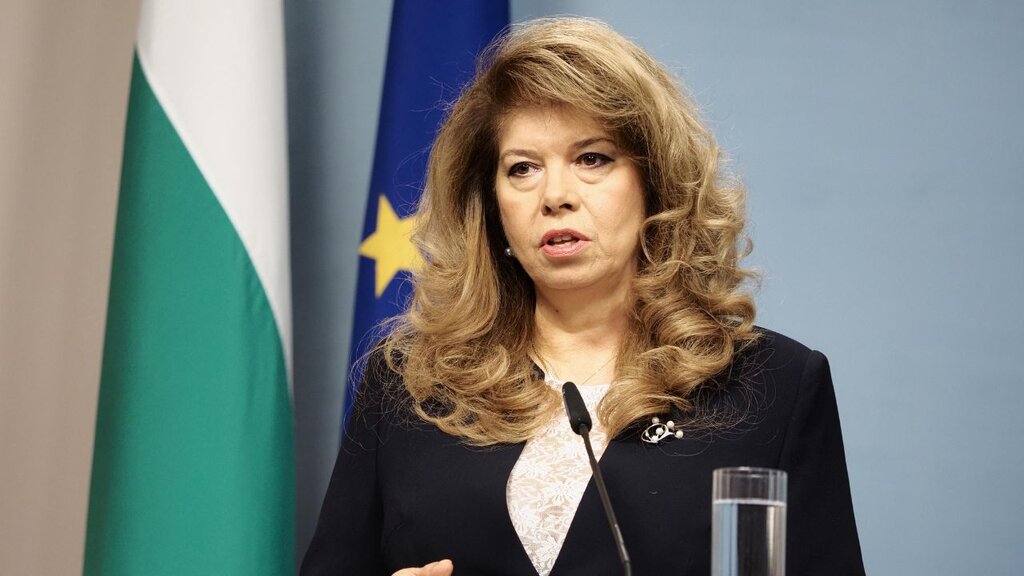
Iliana Iotova
PHOTO BGNES
The change to the Electoral Code, achieved with the votes of 126
members of parliament, comes just 53 days before the vote, as the
parliament once again disregards the recommendations of the Venice
Commission not to make major changes to this law less than a year
before the vote.
Parliament rejects President Iliana Iotova’s first veto
Former
CEC Chair Alexander Andreev saw dominance
of political over legal arguments in the debates before the vote.
According
to him,
limiting voters' right to vote with the presumption that they would
only vote for a certain party is not normal:
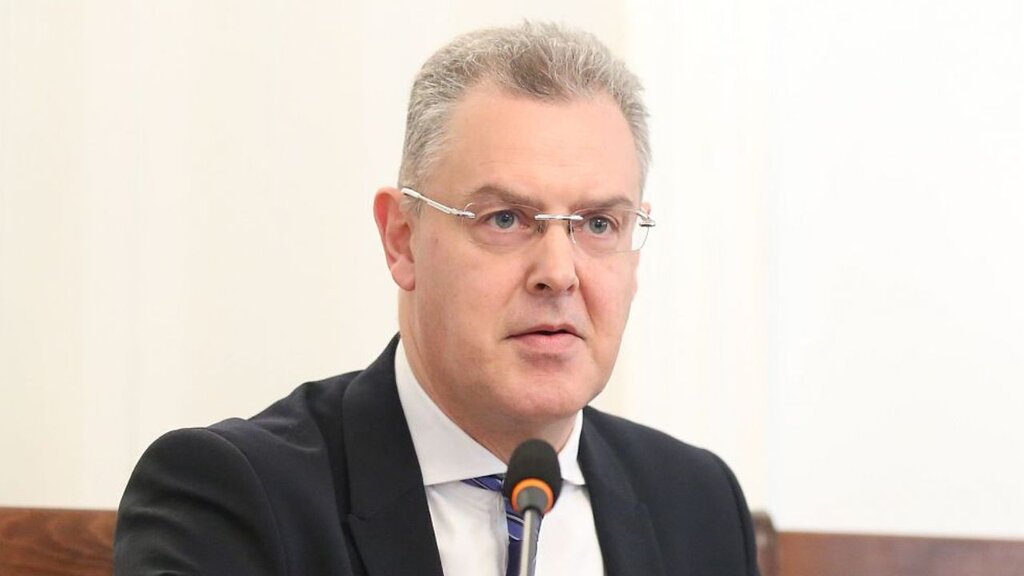
Alexander Andreev
PHOTO CEC
"This
cannot be a solid argument when we are talking about all countries
outside the EU and we saw that it was specifically aimed at
Türkiye.
But at the same time, the right to vote was limited in other
countries where the Bulgarian communities are not
small
- the USA, UK,
etc. We put Bulgarian citizens in the EU and outside it in an
unequal position, as
the reduction in the number of sections led to impossibility of
exercising the vote. This discrimination cannot exist between
Bulgarian citizens," Andreev told
the Bulgarian National Radio. According to him, the parliament has
laid pitfalls in the law that would
be used by those dissatisfied with the elections because the
impossibility of exercising equal rights
by all Bulgarian citizens automatically means that the vote can be
challenged on this basis.
The
adopted changes to the election rules postpone the formation of a
multi-mandate electoral district "Abroad" - something that
our compatriots abroad have been insisting on for years and
President Iliana Iotova
had included it in the decree issued a few days ago, which determines
the numbering and names of the electoral districts for holding early
parliamentary elections on April 19, 2026. Now the opportunity for
Bulgarians abroad to have their own representatives in the Bulgarian
parliament is postponed by two years. The question is how all this
would
affect the desire of Bulgarian
compatriots to demonstrate civic activity and exercise their
constitutional right to vote:

Nelly Olova
PHOTO personal archive
"Our
idea was that if there were directly elected MPs
to represent Bulgarians abroad, activity and representativeness would
increase," recalls Bulgarian
Nelly
Olova
who lives in Edinburgh. "We thought that they would be people
who would communicate more with us and take care of the interests and
needs of the diaspora. In addition, we were also fighting for
electronic voting."
If
the Scottish section remains only in Edinburgh, it will be
like in
the 2021 elections, when over 1,000 people voted in the city, recalls
election volunteer Nelly
Olova. This
means big
crowds, long waiting
and an extension of election day.
The
option to choose voting with a paper ballot or by using
machine
will be available in all polling stations in the country,
except for
those in which there were less than 300 voters in the previous
elections, as well as when voting in a mobile ballot box, in polling
stations in medical institutions and social institutions. Machine
voting abroad will be available in polling stations for which more
than 300 citizens have submitted an application to vote. By
March 24, Bulgarian citizens who have the right to vote and wish to
vote abroad should declare this by means of a written application
using a template or by an electronic application via the CEC website.
The number of applications submitted, in addition to affecting the
possibility of having a voting machine in a given polling station,
will seriously facilitate the process on election day, the need to
fill out declarations on election day will
be avoided and
this
will
reduce the time voters will have to wait in line. In this regard,
Nelly
Olova also calls
for an increase in the number of members in election commissions
abroad:
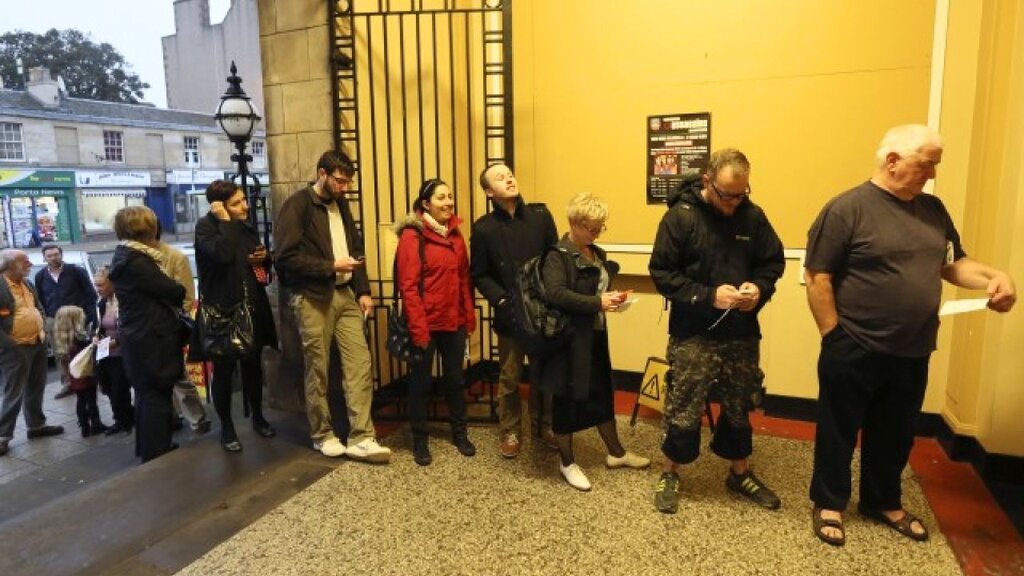
PHOTO Reuters
"Something
we would like and it probably depends on the CEC, is to increase the
number of commission members to 9 people. Especially for Edinburgh,
where there is a consulate, we have talked about an option with a
9-member commission and they support this. We hope that the embassy
will also support this
and
that this issue will be raised for the sections in other cities."
I
am very disappointed by limiting
the number of sections, as this hinders our constitutional right to
vote, says
Bulgarian Nina
Georgieva, who has been
living
in the town of Enniskillen in
Northern Ireland
for many years and also has experience as a volunteer in conducting
elections for the Bulgarian parliament outside the country. According
to her, however, the problem is not only in the number of sections or
how Bulgarians would
vote:
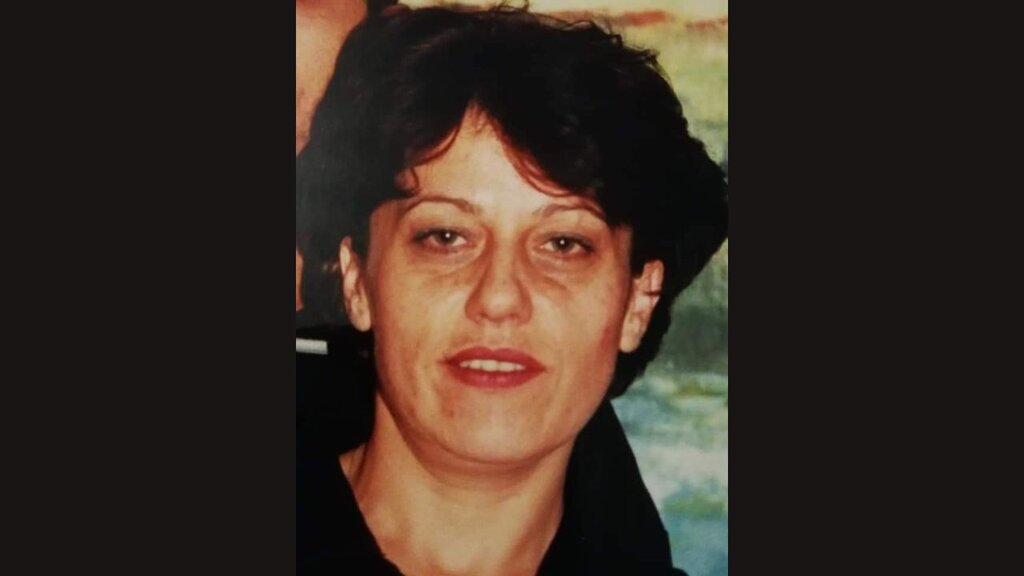
Nina Georgieva
PHOTO personal archive
"We
have problems in the Electoral
Code
in general, as
our population is distributed by districts, while
those living there are no longer the same number of people as 10 or
15 years ago. On the other hand, the zoning has not been changed and
there are districts where an
MP
can be elected with very few votes, as
well as
others where thousands of votes are needed. In my opinion, the
methodology should be reviewed, based on the population census."
Nina
Georgieva is a former teacher who lived in regions
in Bulgaria
with a mixed population, i.e. in which there are ethnic Bulgarians
and Turks. Her first year as a teacher coincided with the mass exodus
of Bulgarian citizens of Turkish origin, which began in June 1989.
The disappearance of half of her class overnight left a lasting
impression on her mind. She shares that the unwillingness of the
rulers in Bulgaria to consult citizens on issues that directly affect
them distinguishes her homeland from the place where she lives today
– Northern Ireland.
Nina
Georgieva also told us that
disappointment
at the restriction of the right to vote for Bulgarian citizens has
also been expressed by the newly appointed Honorary Consul of
Bulgaria in the
United Kingdom of Great Britain
and Northern Ireland, Dr. Robert Eadie.

PHOTO Facebook / DrRobert Eadie
"Our honorary consul joined the group of election volunteers here and started discussing with us the idea of setting up polling stations on the border with the Republic of Ireland so that these people could still have the opportunity to vote. It's a bit funny and sad when foreigners try to do whatever they can to help Bulgarians more than our politicians do."
See also:
Daniel Djenev from Chicago: New voting restrictions make no sense
Déjàvu: Fewer polling stations and more obstacles for Bulgarians voting abroad
Bulgarian citizens in Türkiye call for greater political engagement
This publication was created by: Alexander Markov