Author
Ivo Ivanov
News
Mass migration of young Bulgarians from Bulgaria’s Western Outlands continues
Ivan Nikolov from Bosilegrad: Sofia can do for Bulgarians in the Western Outlands only what Belgrade allows
Monday 23 March 2026 13:03
Monday, 23 March 2026, 13:03
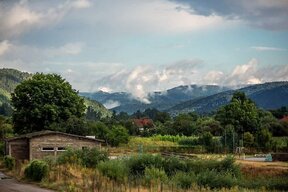
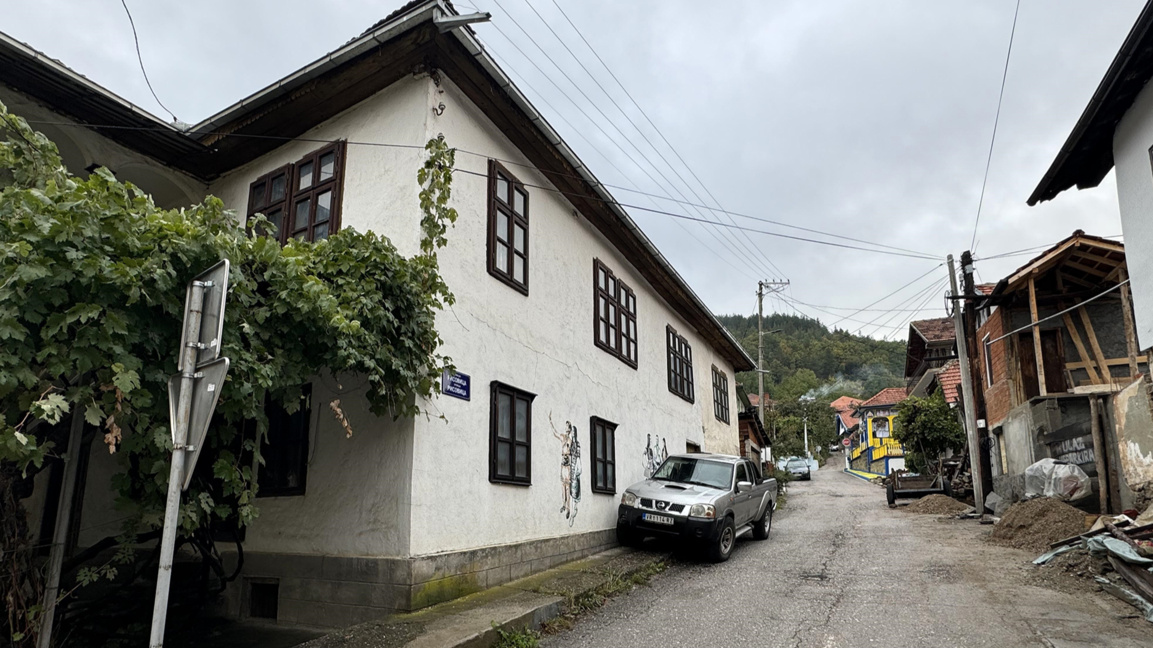
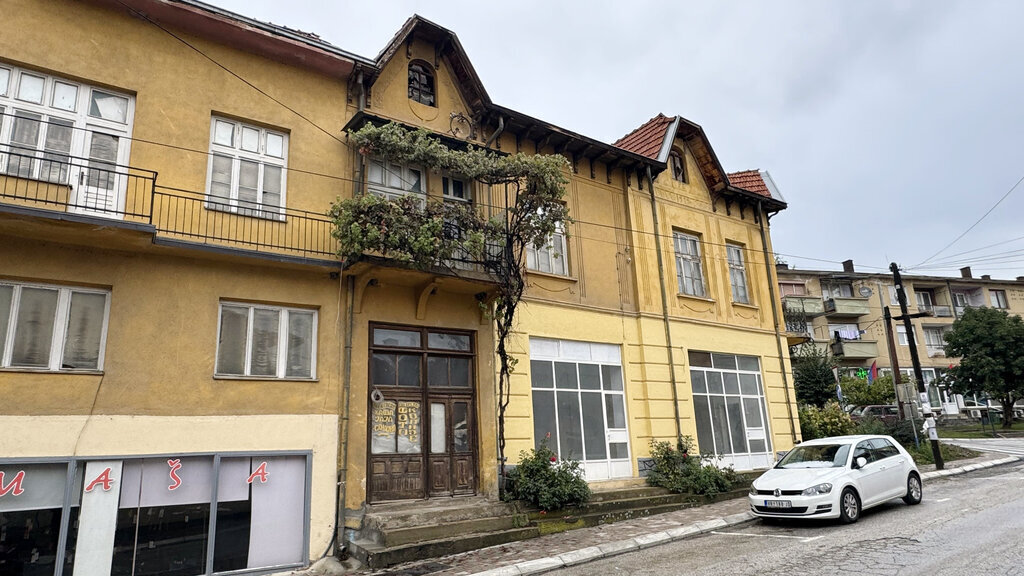
Street in Bosilegrad
PHOTO BGNES
Font size
Alarming data on the
demographic collapse of the Bulgarian population in the Western Outlands were
reiterated by Ivan Nikolov, Chair of the Cultural and Information Centre in
Bosilegrad, during the presentation of the collection “The Western Bulgarian
Outlands - History and Prospects”
In 1981,
Bulgarians in Serbia’s easternmost regions numbered 36,000, after which their
population began to decline drastically. By 1991, they had decreased to 25,214,
and by 2011 to 18,543. According to the most recent official census in 2021,
only 12,918 Bulgarians remain
there. Even more
concerning are projections by the Statistical Office of the Republic of Serbia,
which indicate that over the next two decades the number of Bulgarians in the
area known as the Western Outlands (Zapadni pokrainini) will fall to around 1,100 in Bosilegrad and 2,200 in Tsaribrod.
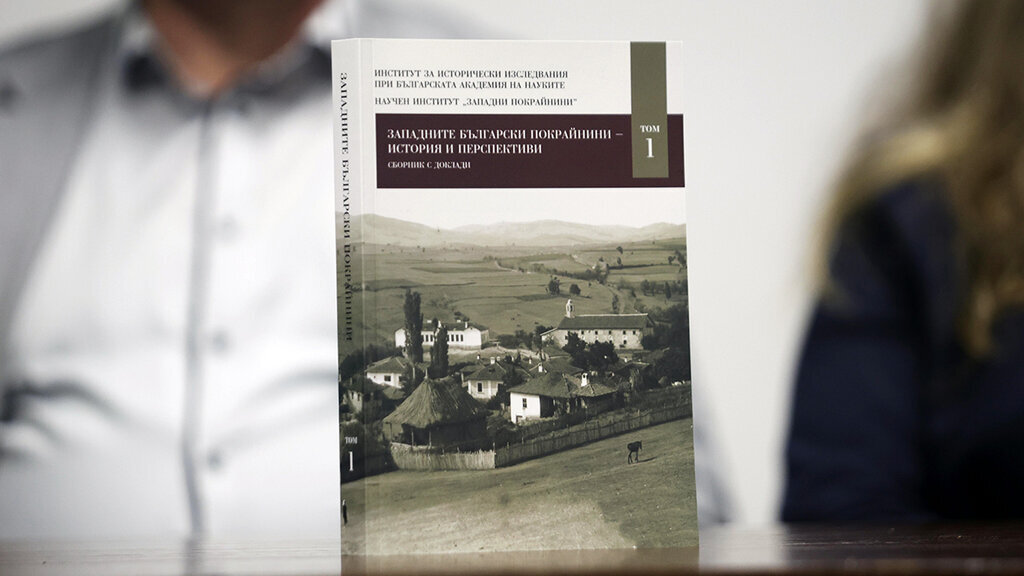
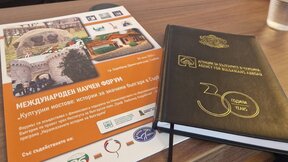
“The Western Bulgarian Outlands - History and Prospects” Vol. 1
PHOTO BGNES
On 8 November 2024, a dedicated academic conference was held focusing on the processes affecting the Bulgarian ethnic community in Serbia. The 24 papers presented at that forum have now been published in the volume officially launched on 19 March in Sofia. The publication is a joint effort of the Institute for Historical Studies at the Bulgarian Academy of Sciences and the Scientific Institute “Western Outlands.”
November 8 is a reminder of the pain from the past for the Bulgarians in Serbia
“This conference catalysed several processes, one of which materialised with the establishment of the Scientific Institute ‘Western Outlands’ - a public organisation bringing together Bulgarian scholars, public figures, journalists and professionals from various fields, united by the noble goal of promoting the Bulgarian cause in the Western Outlands,” Associate Professor Angel Dzhonev recalled during the presentation.
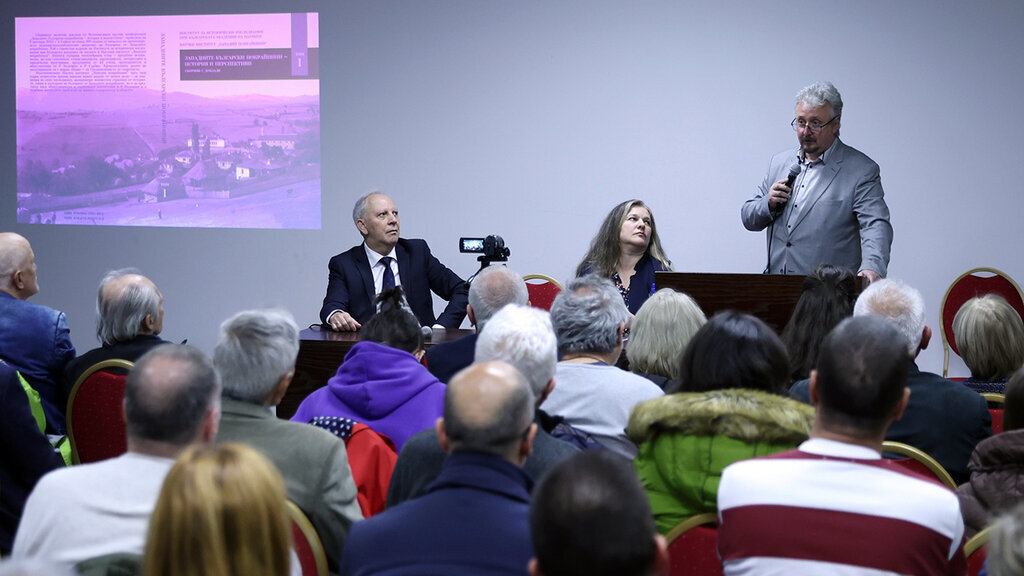
PHOTO BTA
More than a year and a half after the 2024 conference, has there been any change in the situation in the Western Outlands?
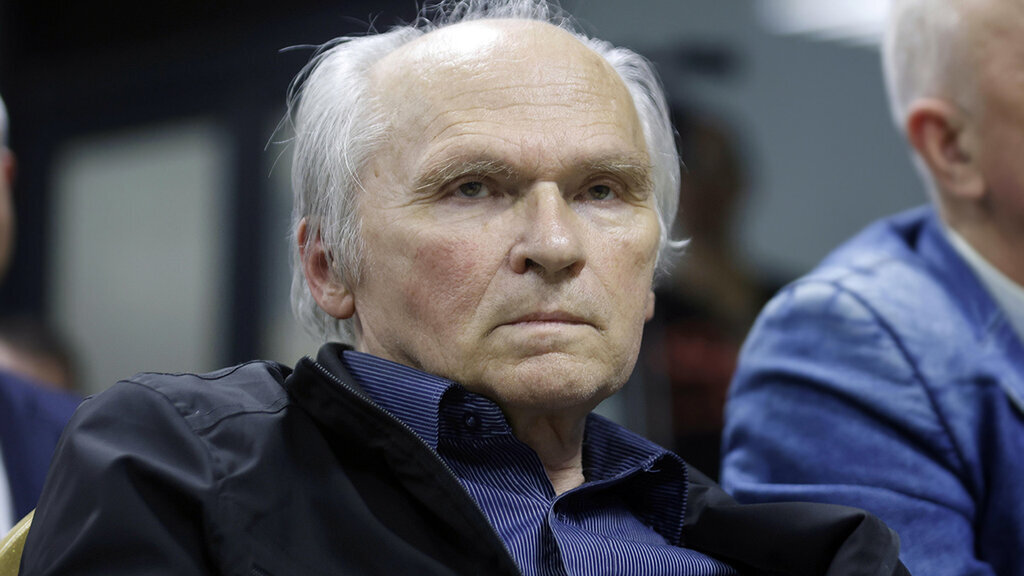
“The processes continue in the same direction. Demographic trends are steadily eroding the Bulgarian minority. Young people are leaving en masse for Sofia - not only in pursuit of better education, but also in search of improved employment opportunities and personal realisation. Once they move to Bulgaria, most do not return,” Ivan Nikolov from Bosilegrad told Radio Bulgaria. “Today, their primary aspiration is to enrol in a university, complete their education and settle permanently. We are also witnessing a growing trend in the acquisition of Bulgarian citizenship, alongside various administrative procedures. There is no scope for professional realisation in Serbia. To halt this process, serious investment is required. A business sector capable of providing livelihoods to the local population should have emerged. Unfortunately, it either did not materialise or was not allowed to. Therefore, that hope has also faded.”
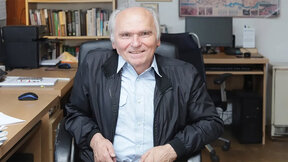
Ivan Nikolov
PHOTO BGNES
Ivan Nikolov expressed scepticism that Serbian authorities would agree to introduce a special cross-border regime allowing residents in the frontier region to engage in daily commuting for work in Bulgaria. According to Nikolov, such a process exists to some extent in Tsaribrod, but it does not resolve the fundamental issue of lack of employment in Bosilegrad.
“This process exists in Tsaribrod, but it is spontaneous and lacks any formal agreements. Bulgaria simply offers jobs and better wages. Geography plays a decisive role there, as Tsaribrod is 20-30 kilometres closer to Sofia. The only significant issue arises during the summer months, when heavy traffic at the Kalotina border checkpoint leads to delays of several hours for people to cross the border and return. Nevertheless, several hundred people from Tsaribrod commute daily to work in Bulgaria and return in the evening. This has, to some extent, “frozen” the situation so that the situation there is beter. However, in Bosilegrad, the nearest city - Kyustendil - has little to offer. There are no jobs, and increasingly, working-age residents are relocating to Sofia in search of employment.”
Bosilegrad
PHOTO BGNES
Ivan Nikolov further noted that even Bulgarians from the Western Outlands who wish to work temporarily in Bulgaria face administrative obstacles on the Bulgarian side, including difficulties in obtaining residence permits and other requirements that have led to the emergence of a black market for address registrations.
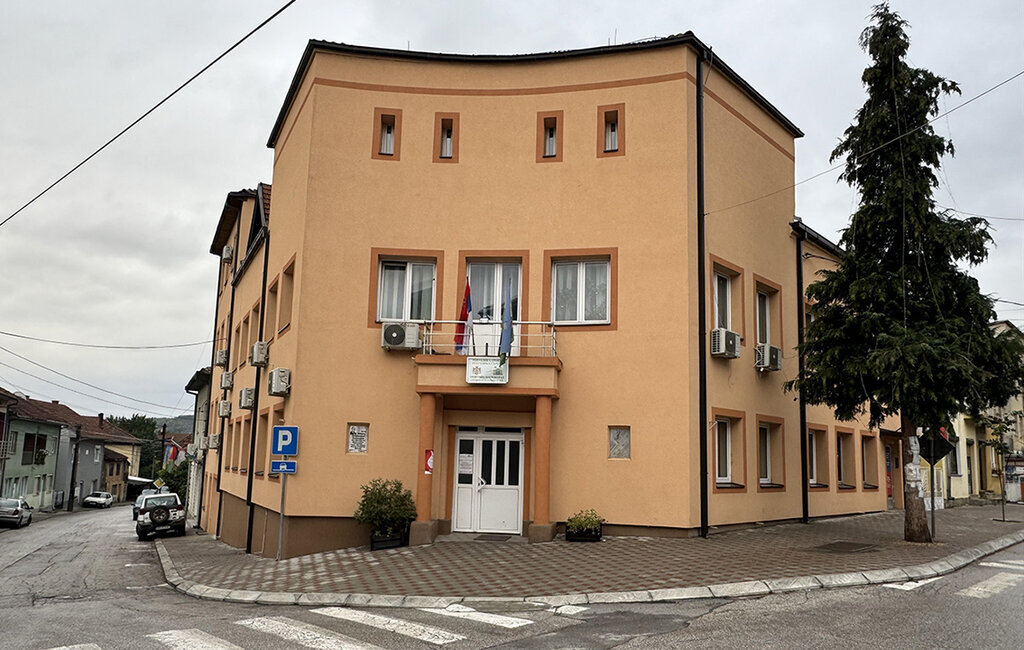
“I do not believe that any concrete agreement can be reached with Serbia in favour of the Bulgarian minority, because Bulgaria and Serbia effectively speak different languages,” Nikolov stated. “While Bulgarian politicians employ a European rhetoric, in Belgrade Serbian officials either remain silent or revert to rhetoric from the late 19th and early 20th centuries. These are two fundamentally incompatible perspectives. Moreover, regardless of what Bulgaria proposes for the benefit of the Bulgarian minority, we are on foreign territory, and Bulgaria can only do what Serbia permits.
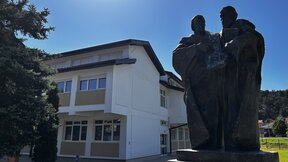
The municipality building in Bosilegrad
PHOTO BGNES
Given that Serbia does not fully share European values - such as open borders, free movement of people, ideas and capital - I do not see how progress can be achieved. In reality, nothing has changed. Significant resources from pre-accession programmes - intended to support infrastructure development and foster integration in border regions - were not used as intended. Instead, many funds were redirected away from Tsaribrod and Bosilegrad towards other parts of Serbia, benefiting different forms of economic cooperation that did not support the Bulgarian minority", says Ivan Nikolov.
High unemployment and the low quality of healthcare services remain pressing issues in the Western Outlands, noted Yordan Parvanov, Head of the Directorate-General for European Affairs at Bulgaria’s Ministry of Foreign Affairs, during the presentation of the publication. He emphasised that the issue is of key importance to Bulgaria and is directly linked to Serbia’s fulfilment of the Copenhagen criteria for EU accession. The Ministry, he added, is committed to contributing to the well-being of Bulgarians in the Western Outlands.

PHOTO BGNES
This publication was created by: Rositsa Petkova